 Angie Faith
While the literary landscape invariably shifts toward tales of terror, ghosts, and ghouls as October approaches, the broader autumn season encompasses a rich tapestry of experiences that extend far beyond Halloween festivities. From the crisp drop in temperature and the rustle of amber foliage to the comforting scent of seasonal harvests, fall possesses a distinct atmosphere that deserves its own literary celebration. In response to this seasonal oversight, literary critics and comic enthusiasts have begun curating reading lists that pivot away from horror, highlighting graphic novels that encapsulate the quintessential, cozy, and reflective moods of the season.
This curated shift in seasonal reading highlights a growing market segment within the graphic novel industry. Publishers have increasingly recognized that readers seek out atmospheric, character-driven narratives during the transitional months between late September and November. By focusing on themes of harvest, small-town nostalgia, academic milestones, and coming-of-age transitions, these graphic novels offer an alternative to traditional holiday-centric reading lists, appealing to audiences looking for warmth and emotional resonance as daylight hours shorten.
The Evolution of Autumnal Readership and Comic Trends
Historically, autumn book promotions have been heavily dominated by the thriller, mystery, and horror genres, capitalizing on the cultural buildup to Halloween. However, market research within the graphic novel publishing sector over the past half-decade indicates a steady rise in the demand for slice-of-life and cozy contemporary stories during the fourth quarter of the fiscal year. Readers are increasingly pairing their seasonal beverages—such as spiced ciders and autumnal teas—with illustrated stories that reflect the grounding, slower pace of rural life, school semesters, and generational changes.
Industry analysts attribute this trend to a broader cultural desire for comfort media. Graphic novels, with their unique blend of visual art and concise storytelling, provide an immersive medium for capturing the specific sensory details of autumn: the heavy morning mist, the golden hour light hitting falling leaves, and the intimate interiors of kitchens and classrooms. Consequently, publishers such as First Second, Random House Graphic, Iron Circus Comics, and international manga imprints have strategically timed releases and promotional campaigns to align with this autumnal yearning for comfort.
Harvest Themes and Coming-of-Age Narratives
At the heart of many autumn-themed graphic novels are settings intrinsically linked to the harvest season. Farms, orchards, and rural communities serve as natural backdrops for stories about personal growth and community bonding.
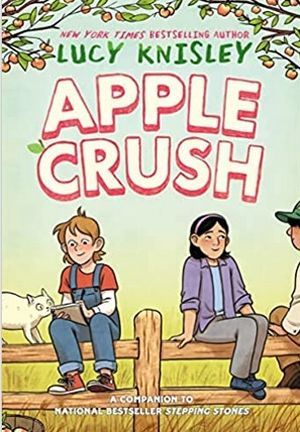
A prime example of this subgenre is found in Lucy Knisley’s Peapod Farm series, specifically the installment Apple Crush. Set against the backdrop of agricultural life, the narrative follows Jen, a former city dweller adjusting to the rhythms of a family farm. The arrival of the apple harvest season—a definitive marker of autumn—mirrors the protagonist’s internal navigation of early adolescence, changing friendships, and the societal pressures of growing up. Knisley’s work exemplifies how agricultural milestones can ground a narrative in the tangible realities of the season, offering readers both educational insight into farm life and relatable emotional conflict.
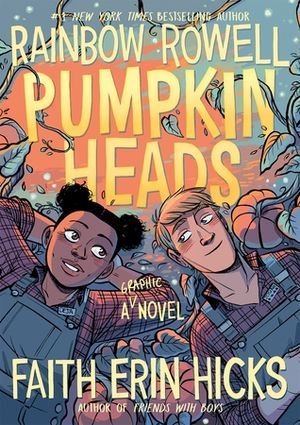
Similarly, Rainbow Rowell and Faith Erin Hicks’s acclaimed graphic novel Pumpkinheads captures the bittersweet finality of seasonal traditions. The story unfolds over the course of the two months that a massive seasonal pumpkin patch operates. For protagonists Josiah and Deja, the pumpkin patch is not merely a workplace, but the anchor of their autumn routine. Set against the backdrop of their final year in high school, the narrative utilizes the temporary, ephemeral nature of the pumpkin patch to underscore the larger transition from youth to adulthood. Industry data consistently ranks Pumpkinheads among the top contemporary YA graphic novels for autumn reading, proving that the visual iconography of the season—hayrides, carved gourds, and crisp evening air—remains a powerful narrative vehicle.
Nostalgia and Historical Resonance in Fall Settings
Autumn has long been associated with introspection, reflection, and looking back at the passage of time. This psychological shift is frequently mirrored in graphic novels that utilize historical settings or early-2000s nostalgia to evoke a sense of longing.
S.E. Case’s Foothold: Rigsby WI Volume One transports readers to the American Midwest in the autumn of 2002. Through the experiences of best friends Bethany and Jeordie, the narrative explores the universal trials of small-town adolescence against a backdrop of homecoming preparations and shifting familial dynamics. The choice of an early-2000s setting provides a distinct layer of millennial and older Gen Z nostalgia, enhanced by the distinct aesthetic of autumn in Wisconsin—characterized by dropping temperatures, academic pressure, and the architectural starkness of rural midwestern towns. Publishers have noted that period-specific graphic novels set in the autumn months resonate strongly with adult readers seeking comfort in familiar, historical aesthetics, even when the dialogue and social dynamics reflect the unfiltered realities of the era in which they are set.
On a more somber, literary note, classic adaptations such as Cocco Kashiwaya’s manga version of Osamu Dazai’s The Setting Sun bring a different kind of seasonal introspection to the forefront. While not strictly a seasonal narrative in the traditional sense, the thematic weight of the story—dealing with the decline of aristocratic privilege and post-war societal upheaval—aligns naturally with the melancholic beauty traditionally ascribed to late autumn. Moving from urban centers to the countryside in search of economic stability, the characters navigate a landscape that reflects the fading warmth of a changing world, offering a sophisticated counterweight to lighter, youth-oriented fare.
Culinary Comforts and the Shift in Seasonal Folklore
Food plays an integral role in the cultural celebration of autumn, shifting away from light summer fare toward hearty, warming meals. This culinary focus has likewise found its way into modern illustrated literature, blending fantastical elements with domestic comfort.

Masayasu Fukushima’s The Witch’s Soup introduces a playful twist on traditional autumnal folklore. While witches are traditionally associated with the macabre elements of late October, this narrative centers on the universal appeal of soup during the colder months. The protagonist, a witch named Eld Elflaim, sets out with adversarial intentions toward humanity, only to be disarmed and fundamentally changed by the culinary traditions and comforting soups of the human world. The integration of cooking, warmth, and the subversion of spooky tropes provides a refreshing angle for readers who enjoy fantastical elements without the accompanying horror. Availability of such international translations through specialized digital platforms like emaqi Premium reflects a growing global market for niche, comfort-focused graphic narratives.
Industry Implications and Future Outlook
The diversification of autumn reading lists beyond horror and thriller titles reflects a maturing market for graphic novels. As publishers expand their catalogs to include nuanced depictions of harvest, rural life, historical introspection, and cozy fantasy, consumer habits are shifting accordingly. Bookstore and library data from the fourth quarter consistently demonstrate sustained engagement with graphic novels that prioritize emotional warmth, atmospheric world-building, and relatable personal journeys.
Industry observers project that this trend will continue to influence publishing schedules in the coming years. By broadening the definition of what constitutes an "autumn book," creators and publishers are successfully capturing a wider demographic of readers—ranging from middle-grade students to adults—who view the cooler months as an ideal time for introspective, visually rich storytelling. As the demand for comforting, non-horror seasonal content remains robust, the graphic novel medium stands uniquely positioned to define the modern literary celebration of fall.