 Indra Kusuma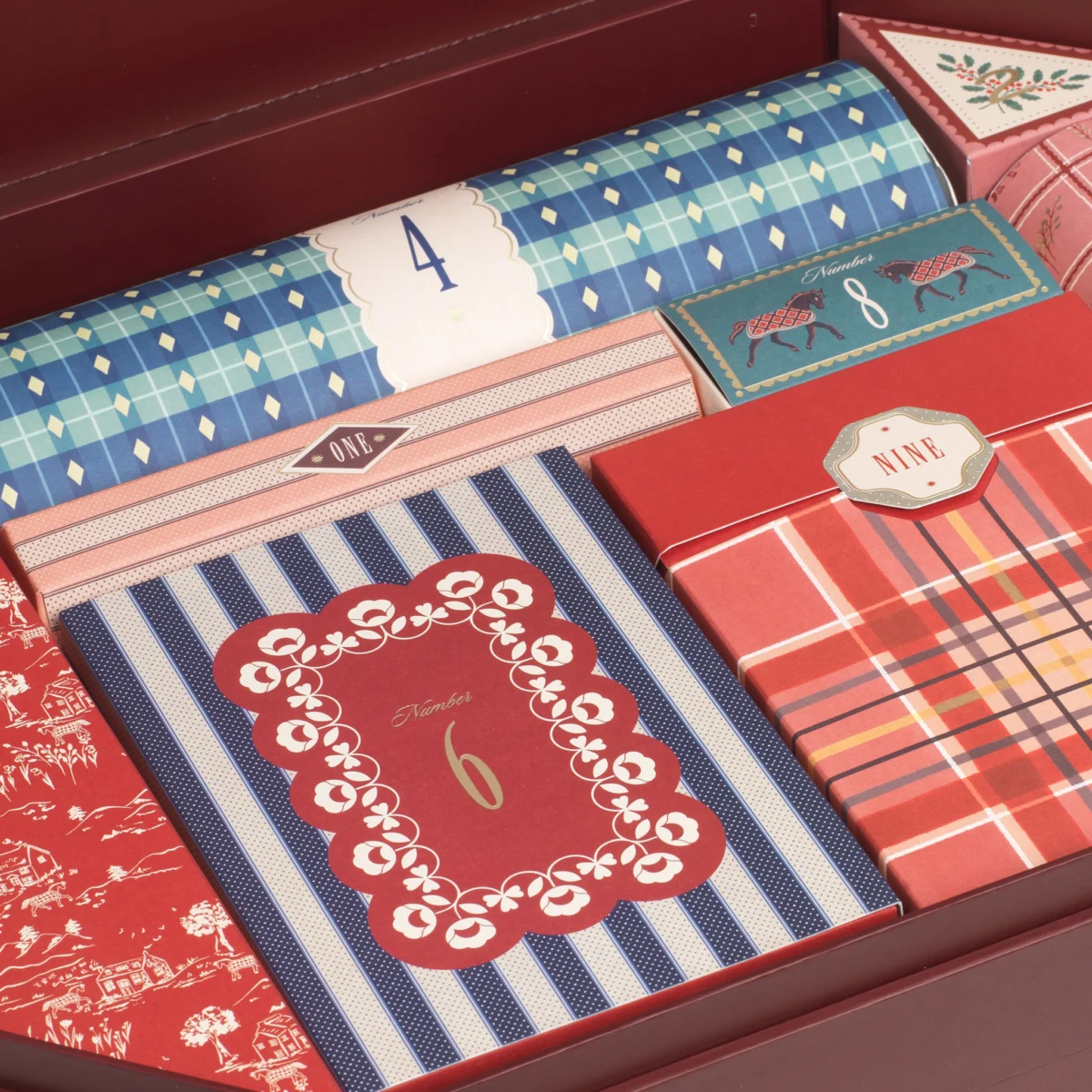
The tradition of the advent calendar has evolved significantly from its modest 19th-century origins in German Protestant households, where families would mark the passage of time leading up to Christmas with chalk marks or simple devotional images. In 2026, the concept has been thoroughly reimagined by the luxury and design sectors, shifting from a child-centric ritual of receiving small pieces of chocolate to a sophisticated, multisensory experience that reflects modern consumer demand for curated, high-end lifestyle products. This year’s market features a diverse array of offerings, ranging from artisanal food products and high-performance skincare to complex puzzles and home fragrance collections.
The Historical Evolution of the Advent Calendar
The transition of the advent calendar into a luxury commodity is a phenomenon that has accelerated over the past decade. Initially, the calendars were designed to build anticipation through religious or secular storytelling. By the mid-20th century, the introduction of paper doors concealing chocolate became the standard. However, industry analysts note that as of 2026, the "experience economy" has dictated that consumers prioritize curation and design aesthetic over basic confectionary items.
The current market is driven by "unboxing culture," a digital trend that has incentivized brands to invest heavily in packaging design. Data from retail market research suggests that holiday-themed gift sets, specifically advent calendars, saw a 14% increase in year-over-year sales volume entering the 2026 Q4 season. This growth is attributed to the dual functionality of these products: they serve as both a countdown tool and an opportunity for consumers to sample a wide array of premium products from a single brand.
Curation and Design: The 2026 Selection
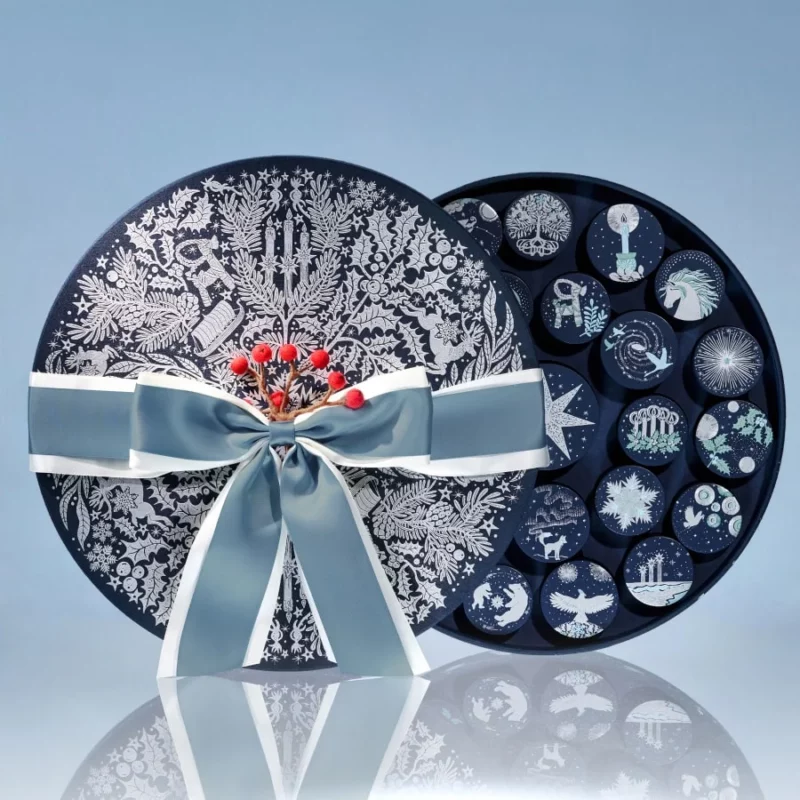
The 2026 landscape is defined by collaboration and craftsmanship. The Dandelion Chocolate Advent Calendar, for instance, marks a departure from traditional candy packaging. By engaging Danish artist Lisa Grue to illustrate individual ornament boxes, the brand has aligned itself with the contemporary trend of incorporating collectible art into everyday consumer goods. This 25-day journey through Nordic folklore and North American chocolate production highlights a shift toward experiential storytelling, where the physical packaging is intended to be retained as a decorative heirloom.
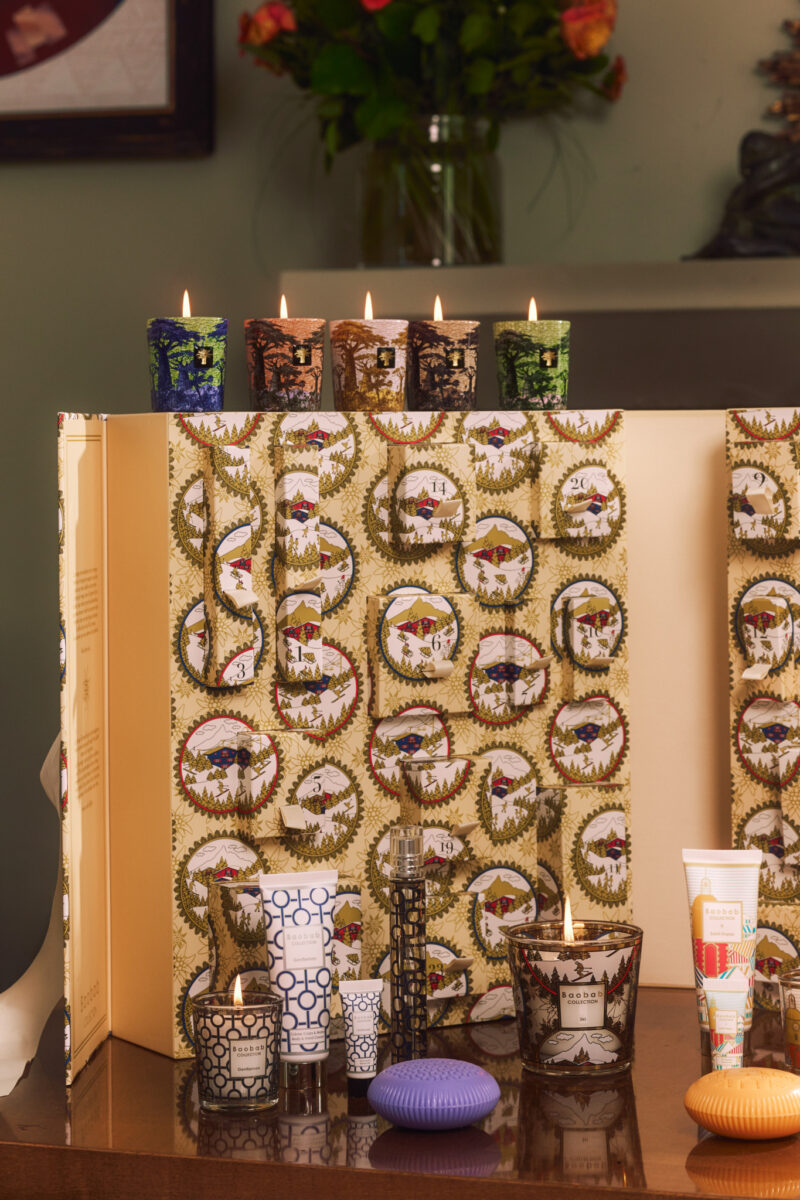
Similarly, the luxury home fragrance sector has utilized the calendar format to introduce exclusive product lines. The Baobab Collection 2026 calendar, priced at $595, functions as a high-end sampler of the brand’s "Far West" collection. By including items such as the MAX06 Les Exclusives and Sacred Trees candles, the company is effectively utilizing the calendar as a strategic marketing tool to encourage customer loyalty and drive interest in full-sized product lines.
Categorical Breakdown of 2026 Offerings
Confections and Culinary Explorations
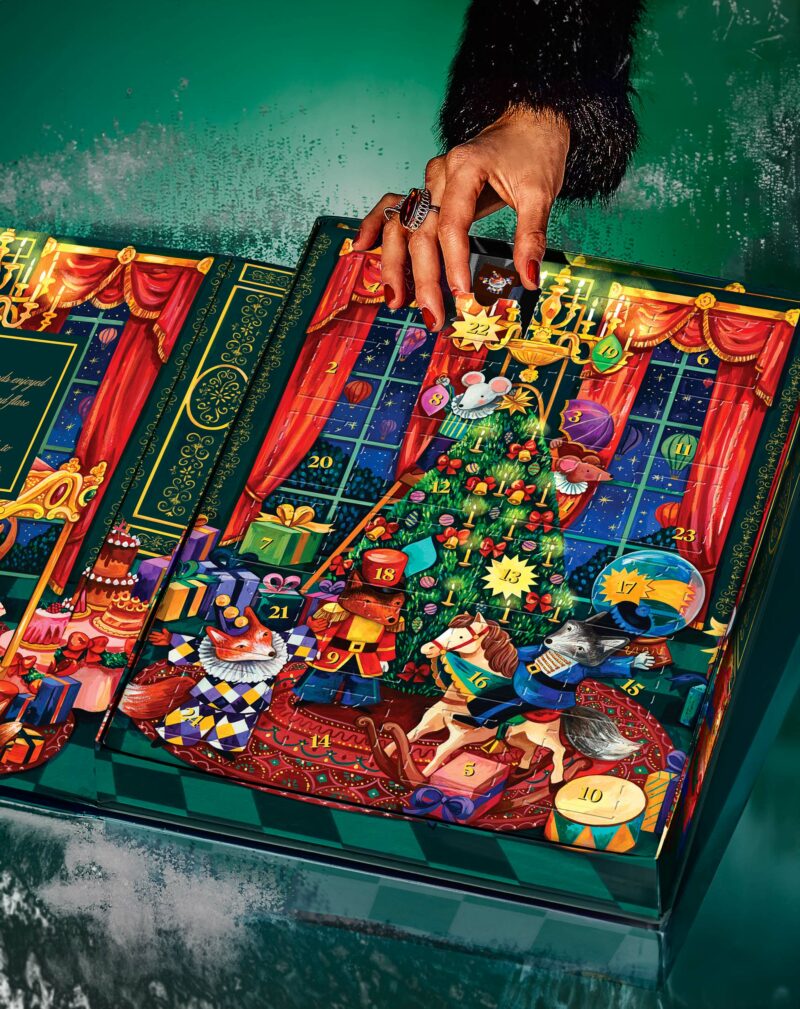
Beyond Dandelion Chocolate, the Compartés Chocolatier series offers three distinct aesthetic paths: the Enchanted Castle, the Nutcracker, and the Winter Forest. These selections illustrate a focus on "gourmet personalization," where the visual presentation is tailored to specific holiday motifs, allowing consumers to choose a product that aligns with their home decor and personal aesthetic.
In the culinary-adjacent space, the Fly By Jing 2026 Limited Edition 24-Day Advent Calendar represents a significant shift toward niche specialty foods. After a successful three-year run with 12-day cycles, the brand’s transition to a full 24-day format acknowledges the rising demand for premium, shelf-stable condiments. The inclusion of discontinued spice blends and unreleased products creates a sense of scarcity that resonates with collectors and food enthusiasts.
Intellectual and Creative Engagement
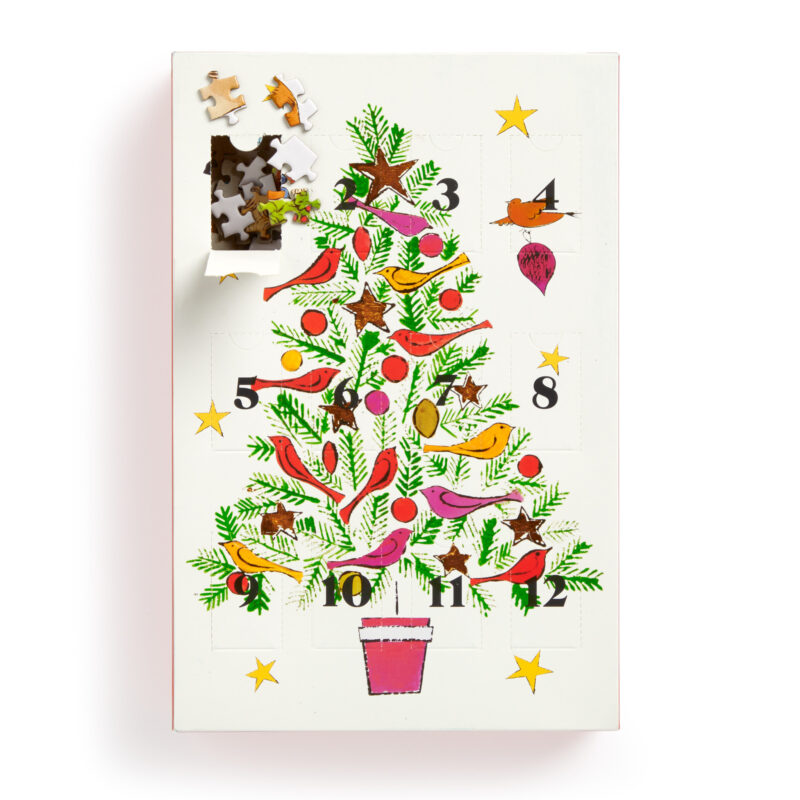
The 2026 market also emphasizes mental stimulation. The Andy Warhol 12 Days of Puzzles Christmas Countdown from Galison appeals to a demographic interested in accessible art history and tactile leisure. By breaking down 80-piece puzzles into daily intervals, the product serves as a low-cost, high-engagement alternative to traditional consumer-heavy calendars. This aligns with a broader industry trend toward "quiet luxury" and meditative holiday practices, where the act of assembling a puzzle becomes a daily grounding exercise.
Stationary and Functional Luxury
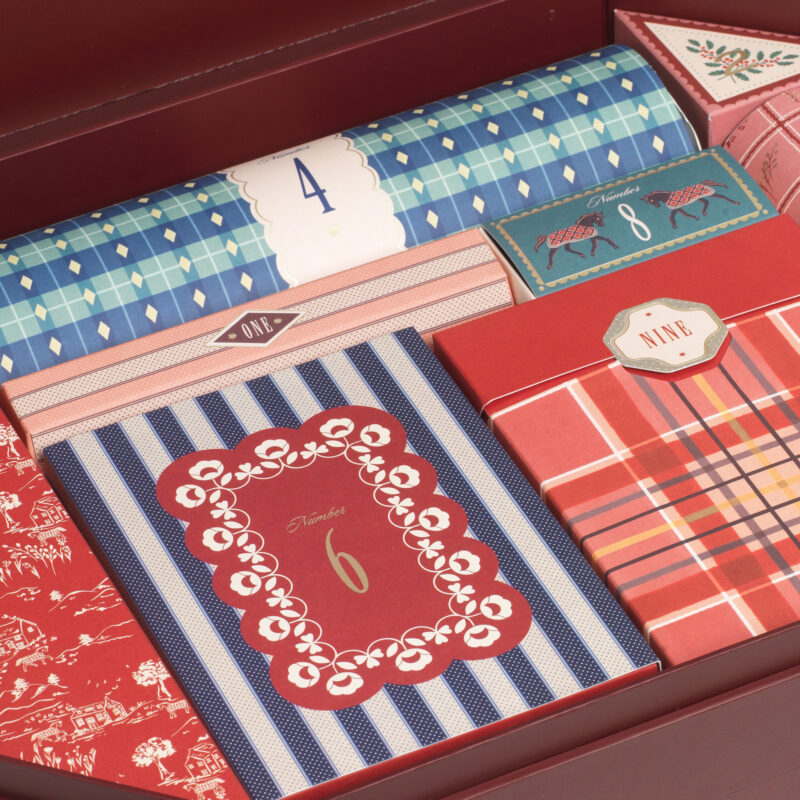
Papier’s 2026 collection, available in 12- and 24-day variants, addresses the professional and stationery market. The design team has focused on utility, ensuring that the contents—ranging from bookmarks to journals—remain relevant beyond the December holiday window. This approach reflects an awareness of sustainability concerns; by creating "treasure-chest-like" reusable cases and neutral designs, the brand is responding to consumer pressure to reduce holiday-related waste.
Market Analysis: The Beauty and Fragrance Sector
The Liberty Beauty Advent Calendar remains the gold standard in the luxury grooming space. Valued at over $1,700, the 29-product collection demonstrates the high-value strategy employed by major retailers. Industry observers point out that the inclusion of 21 full-sized items, paired with a collectible design by artist Clym Evernden, mitigates the price point of $395. This value proposition is essential for high-end beauty brands, as it allows them to move significant inventory while positioning the product as a "prestige" gift item.
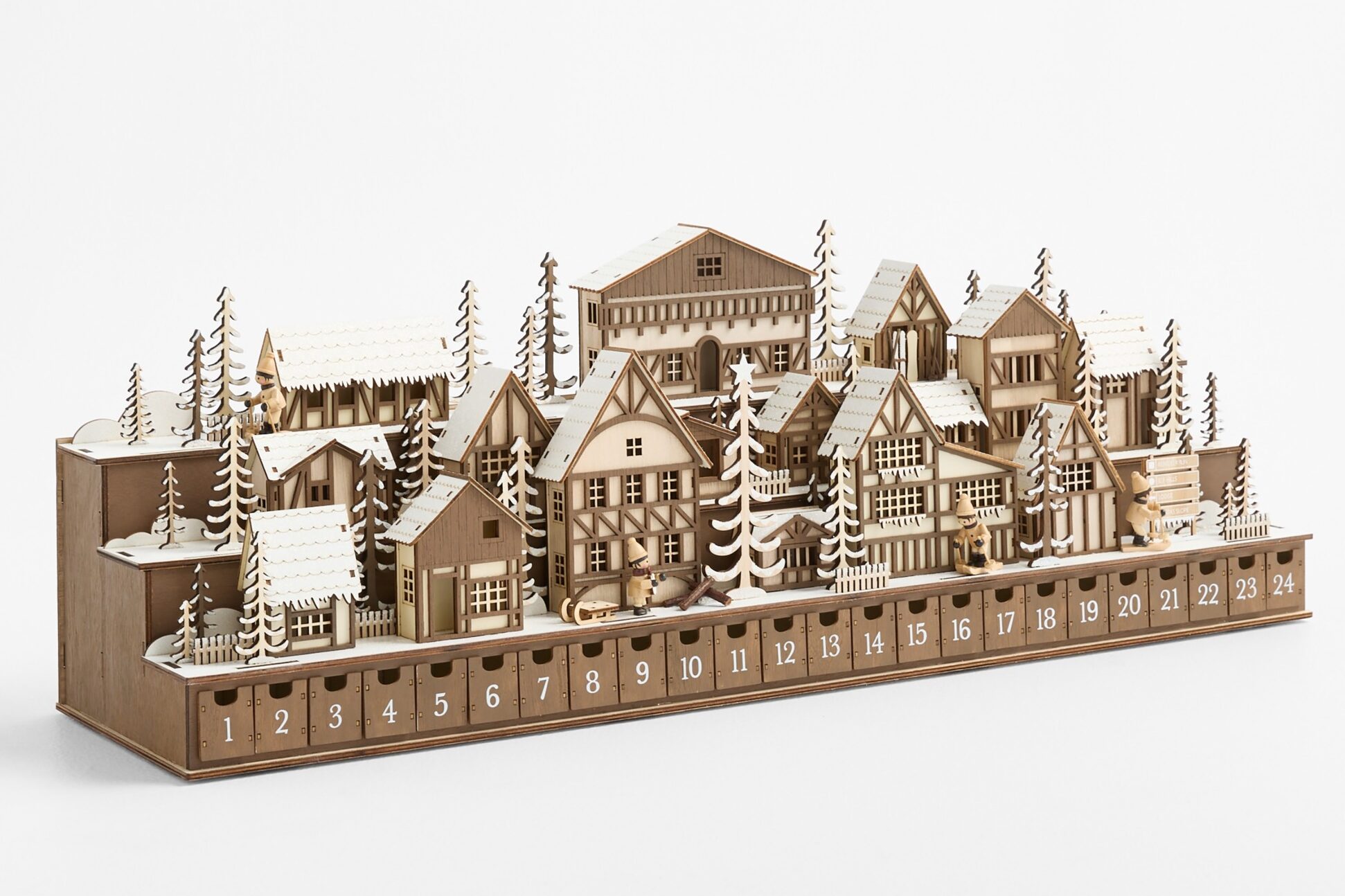
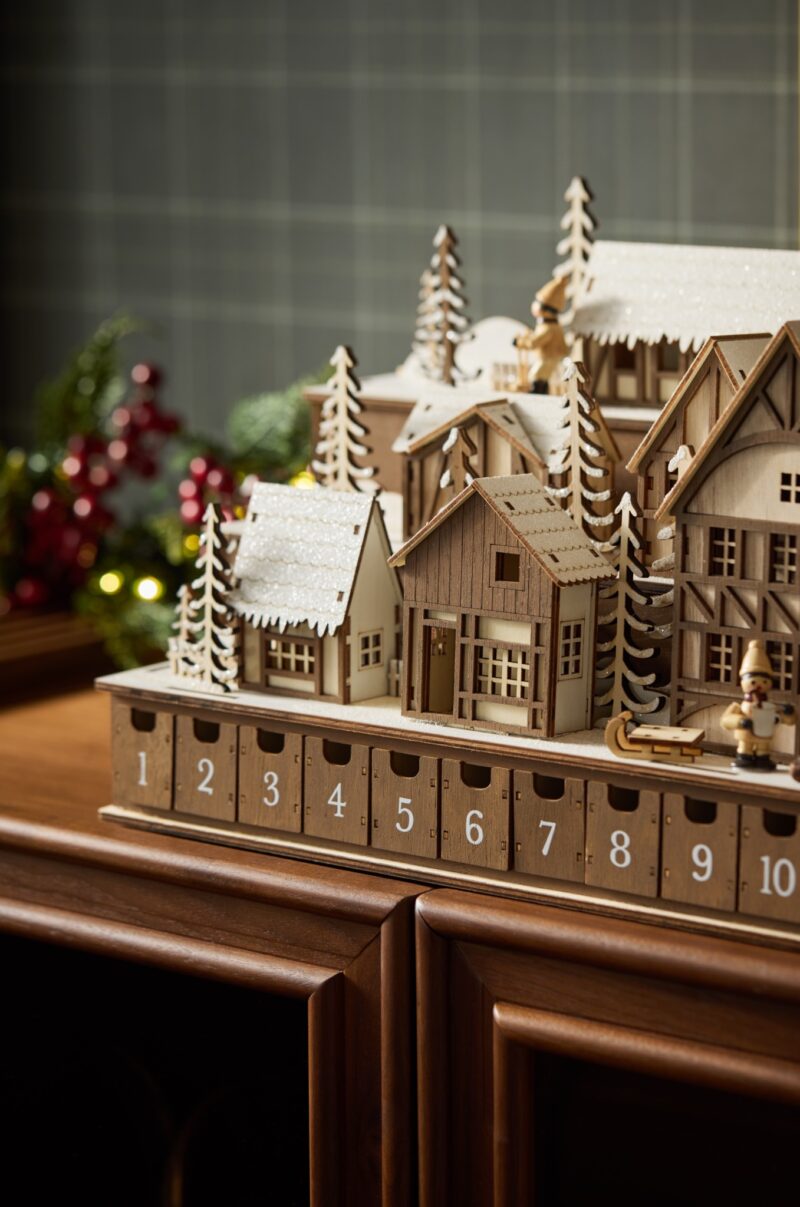
Voluspa, meanwhile, focuses on the intersection of interior design and aromatherapy with its 12 Day Holiday Village. By including a gold-plated wick trimmer and a variety of candles from their Japonica collection, the brand targets the home-decor-conscious consumer. This mirrors the Crate & Barrel approach, where the "Aspen Village" wooden calendar serves as a permanent piece of home decor. These items are designed to be reused, effectively transitioning from a seasonal novelty to a multi-year household staple.
Broader Economic Implications
The proliferation of these specialized advent calendars serves as a case study for modern retail strategies. By aggregating multiple small products into a single SKU (Stock Keeping Unit), brands are able to:
- Increase the average transaction value during the holiday quarter.
- Cross-sell products that consumers might not otherwise purchase individually.
- Enhance brand visibility through the "unboxing" of 24 distinct items, which provides social media content for weeks.
However, the trend also highlights a growing divide in the retail market. While mass-market retailers continue to offer budget-friendly options, the "premiumization" of the advent calendar market has created a segment where price points frequently exceed $500. This reflects a wider economic trend wherein consumers are willing to spend more on "micro-luxuries" that provide sustained enjoyment throughout the month, rather than singular, high-cost luxury gifts.
Conclusion: The Future of the Countdown
As 2026 concludes, the advent calendar has firmly established itself as more than a countdown device; it is a vehicle for brand storytelling and a showcase for industrial design. Whether through the lens of a tea-focused calendar from Fortnum & Mason, which pairs product with poetry, or the literary-themed offerings from Uncommon Goods, the objective remains constant: to provide a moment of curated delight in an increasingly fast-paced digital world.
For the consumer, the choice of a 2026 advent calendar is now a reflection of identity—be it as a foodie, an art enthusiast, or a lover of fine stationery. As these calendars continue to grow in complexity and value, they serve as a testament to the enduring appeal of ritual, albeit one that is now filtered through the lens of high-end, design-forward consumerism. The industry shows no signs of slowing, with brands already signaling that the 2027 season will likely see further integration of sustainable materials and hyper-personalized content.