Angie Faith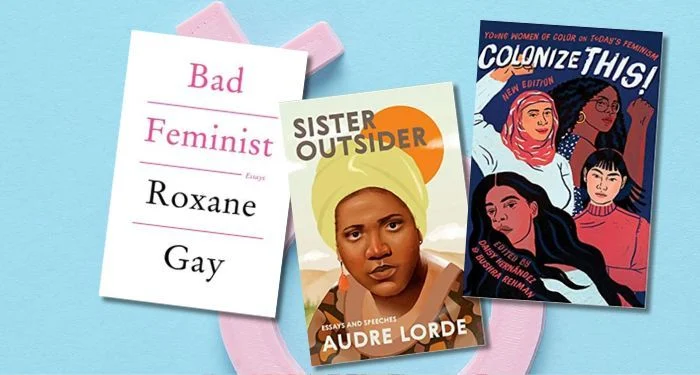
Women’s History Month serves as a crucial reminder of the ongoing contributions and intellectual legacy of women across history. This period provides an opportune moment to delve into the foundational texts and contemporary works by feminist thinkers who have profoundly shaped our understanding of gender, equality, and social justice. From the foundational essays of Audre Lorde to the incisive critiques of contemporary scholars like Mikki Kendall and Ruby Hamad, these literary contributions offer invaluable insights into the multifaceted nature of feminism, moving beyond superficial interpretations to embrace its complex, action-oriented dimensions. The selected works underscore the necessity of intersectionality, recognizing that true feminist progress requires addressing systemic inequities that affect marginalized communities across race, class, sexuality, and other identities.

The discourse surrounding feminism is often oversimplified, reduced to fleeting slogans or the superficial allure of "girl boss" culture. This reductionist approach fails to capture the deep, sustained community work and critical analysis that form the bedrock of feminist action. Intersectional feminist literature serves as a vital corrective, reminding us that feminism is not merely a set of agreeable ideas or trendy merchandise but a praxis demanding active engagement. It manifests in rigorous academic research that dissects the roots of women’s anger, in the tangible acts of solidarity like providing childcare for fellow activists, in the courageous stands of Indigenous communities protesting environmental exploitation, and in the persistent advocacy for universal healthcare and cultural preservation against the forces of colonization. These books, spanning generations of feminist thought, offer diverse perspectives essential for understanding the evolving landscape of women’s rights and the imperative for inclusive activism.
The Enduring Power of Audre Lorde’s "Sister Outsider"
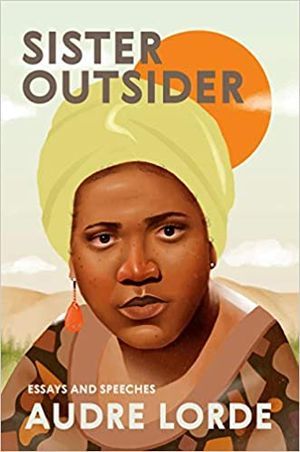
Audre Lorde’s seminal collection, Sister Outsider: Essays and Speeches, remains a cornerstone of feminist literature. Published originally in 1984, this work compiles Lorde’s most influential writings, offering a profound exploration of her identity as a queer Black woman and drawing universal truths applicable to a broad readership. Lorde’s essays tackle critical issues such as parenting within the LGBTQ+ community, the nuanced principles of intersectional feminism, and the indispensable role of supporting and amplifying the voices of marginalized women writers. Her prose is both deeply personal and universally resonant, establishing a framework for understanding how multiple identities intersect and inform one’s experience of oppression and resistance. Lorde’s work predates the widespread adoption of the term "intersectionality," yet her writings are foundational to its conceptualization, demonstrating a keen awareness of how race, class, gender, and sexuality converge to shape lived realities.
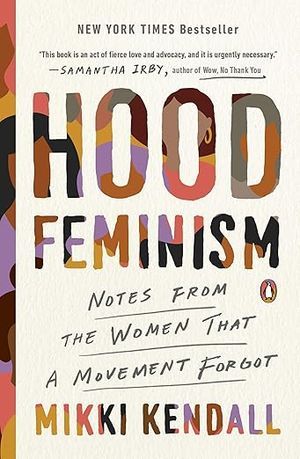
Mikki Kendall’s "Hood Feminism": Addressing Systemic Gaps
In Hood Feminism: Notes from the Women That a Movement Forgot, Mikki Kendall critically examines the shortcomings of contemporary feminist movements, arguing that they often overlook crucial issues impacting marginalized communities. Kendall asserts that mainstream, often white-centric, feminism frequently fails to address fundamental needs such as food security, safe housing, disability rights, equitable access to education, and the right to a living wage. Each essay within Hood Feminism meticulously dissects a specific area where modern feminism can and must improve, advocating for an intersectional approach that prioritizes the needs of all women, particularly those at the margins. Kendall’s analysis is particularly relevant in today’s socio-political climate, where calls for social justice are increasingly being met with demands for more inclusive and comprehensive approaches to activism. The book was first published in 2021, reflecting a growing urgency to re-evaluate feminist priorities.
Ruby Hamad’s "White Tears/Brown Scars": A Critique of White Feminism
Ruby Hamad’s White Tears/Brown Scars: How White Feminism Betrays Women of Color offers a searing indictment of the historical and ongoing complicity of white feminism within structures of white supremacy. Hamad meticulously traces the ways in which white feminist narratives have often reinforced racial hierarchies, inadvertently or intentionally betraying women of color. Through global examples and diverse case studies, the book challenges Western feminists to critically examine their own perspectives, urging them to decenter themselves and engage in a process of decolonizing their understanding of feminism. Published in 2020, Hamad’s work arrived at a time of heightened awareness regarding racial justice and the need for a more inclusive feminist agenda, sparking widespread debate and introspection within feminist circles. The book’s impact lies in its direct confrontation of uncomfortable truths, pushing for a more radical and equitable vision of feminist solidarity.
Mariam Khan’s "It’s Not About the Burqa": Diverse Muslim Voices
Edited by Mariam Khan, It’s Not About the Burqa: Muslim Women on Faith, Feminism, Sexuality, and Race emerged as a powerful response to reductive stereotypes and Islamophobic rhetoric. Khan was motivated to compile this collection after hearing comments that linked the radicalization of Muslim men to the supposed "traditional submissiveness" of Muslim women. The anthology features a diverse array of essays by Muslim women from across the globe, offering nuanced perspectives on their engagement with women’s rights, faith, and lived experiences. Published in 2019, the collection directly challenges monolithic interpretations of Muslim womanhood, highlighting the agency and diversity within Muslim communities. The book serves as a vital counter-narrative, emphasizing that the experiences and aspirations of Muslim women are as varied and complex as those of any other demographic group.
Brittney Cooper’s "Eloquent Rage": The Power of Black Women’s Anger
Brittney Cooper’s Eloquent Rage: A Black Feminist Discovers Her Superpower delves into the often-misunderstood and stigmatized emotion of anger within the context of Black womanhood in America. Cooper examines the historical and cultural significance of Black women’s rage, exploring its role in personal empowerment and collective resistance. Drawing on the wisdom of elder Black women and referencing influential figures in popular culture, she positions anger not as a destructive force, but as a potent catalyst for change and a source of resilience. The book, released in 2019, arrived as a timely exploration of Black feminist thought, contributing significantly to conversations about race, gender, and emotional expression. Cooper’s work underscores the importance of validating and understanding the emotional landscape of marginalized communities as a crucial aspect of feminist liberation.

Soraya Chemaly’s "Rage Becomes Her": Understanding Women’s Anger
In Rage Becomes Her: The Power of Women’s Anger, Soraya Chemaly offers a comprehensive examination of women’s anger, exploring its multifaceted dimensions and historical treatment. Chemaly meticulously investigates how women’s anger has been perceived, suppressed, and weaponized throughout history, while also highlighting its potential as a force for empowerment and social change. The book analyzes the impact of anger on women’s health, societal perceptions of female rage, and its role in feminist activism. Published in 2019, Chemaly’s research provides a well-researched and accessible exploration of an emotion often deemed unfeminine or irrational. Her clear, evidence-based writing illuminates the systemic reasons behind the silencing of women’s anger and advocates for its reclamation as a valid and powerful tool for personal and collective liberation.
bell hooks’ "Feminism Is for Everybody": A Call for Inclusive Feminism
bell hooks, a towering figure in feminist theory, consistently advocated for a broad and inclusive understanding of feminism. In Feminism Is for Everybody: Passionate Politics, hooks argues forcefully that feminism should not be a niche concept but a universal pursuit of justice and equality for all. She critically addresses the ways in which white supremacy has infiltrated and compromised feminist movements, asserting that true liberation requires a divestment from such ideologies. hooks famously declared, "There is no love without justice," emphasizing the inseparable link between compassion and equity. First published in 2000, this accessible yet profound work remains a crucial entry point for anyone seeking to understand the core principles of feminist politics and the imperative for intersectional solidarity. Her writings consistently champion the idea that feminism is a movement for social transformation that benefits everyone.

Roxane Gay’s "Bad Feminist": Embracing Imperfection
Roxane Gay’s collection of essays, Bad Feminist, published in 2014, resonated deeply with a generation of readers who found themselves reflected in her candid and relatable explorations of modern womanhood. Gay challenges the notion of a perfect feminist ideal, embracing the complexities and contradictions inherent in navigating contemporary society. She acknowledges that one can simultaneously hold progressive ideals while also enjoying elements of popular culture that may seem at odds with feminist principles, such as enjoying certain male authors or engaging with traditionally feminine practices. The book’s enduring popularity stems from its authenticity and its gentle assertion that imperfection does not disqualify one from participating in feminist discourse. Gay’s empowering message, "I’d rather be a bad feminist than no feminist at all," has become a rallying cry for many, validating diverse experiences within the movement.
"La Lucha": Latin American Feminism Today
Edited by Carolina Orloff, La Lucha: Latin American Feminism Today (forthcoming in 2025) promises to be a significant contribution to global feminist scholarship. This anthology gathers the voices of thirty contributors from across Latin America, offering a diverse range of perspectives on the pressing issues facing women in the region. The essays delve into critical topics such as femicide, class struggle, the ongoing impact of colonization, and the unique challenges and triumphs of feminist movements in Latin America. Featuring esteemed writers such as Isabel Allende, Selva Almada, Gabriela Cabezón Cámara, Valeria Luiselli, Lina Meruane, Claudia Piñeiro, and Cristina Rivera Garza, La Lucha highlights the vital intellectual traditions and activist energies that define contemporary Latin American feminism. This collection is poised to enrich the global feminist conversation by centering experiences and analyses that are often underrepresented in mainstream discourse.

"Colonize This!": Young Women of Color on Today’s Feminism
Edited by Daisy Hernández and Bushra Rehman, Colonize This!: Young Women of Color on Today’s Feminism (originally published in 2008, with subsequent editions) features a powerful collection of essays by young women of color who are actively reshaping the feminist landscape. For decades, these writers and activists have been at the forefront of articulating the limitations of mainstream feminism, particularly its historical neglect of intersectional concerns and its sometimes-unacknowledged ties to white supremacy and colonial mentalities. The collection argues that a feminism that does not actively dismantle these oppressive structures cannot truly liberate anyone. Colonize This! serves as a testament to the ongoing evolution of feminist thought, emphasizing that collective freedom is intrinsically linked to the liberation of all individuals, particularly those most marginalized by intersecting systems of oppression.
These ten books represent a fraction of the vast and vital body of feminist literature. They collectively illustrate the evolution of feminist thought, from foundational critiques of patriarchy and racism to contemporary analyses of intersectionality, digital activism, and global feminist movements. As Women’s History Month unfolds, engaging with these works offers an opportunity to deepen understanding, foster critical dialogue, and recommit to the ongoing struggle for a more just and equitable world for all. Further exploration can be found in resources such as "8 Great Feminist Micro Histories" and "40 of the Best Feminist Books," which continue to highlight the breadth and depth of feminist writing.