 Indra Kusuma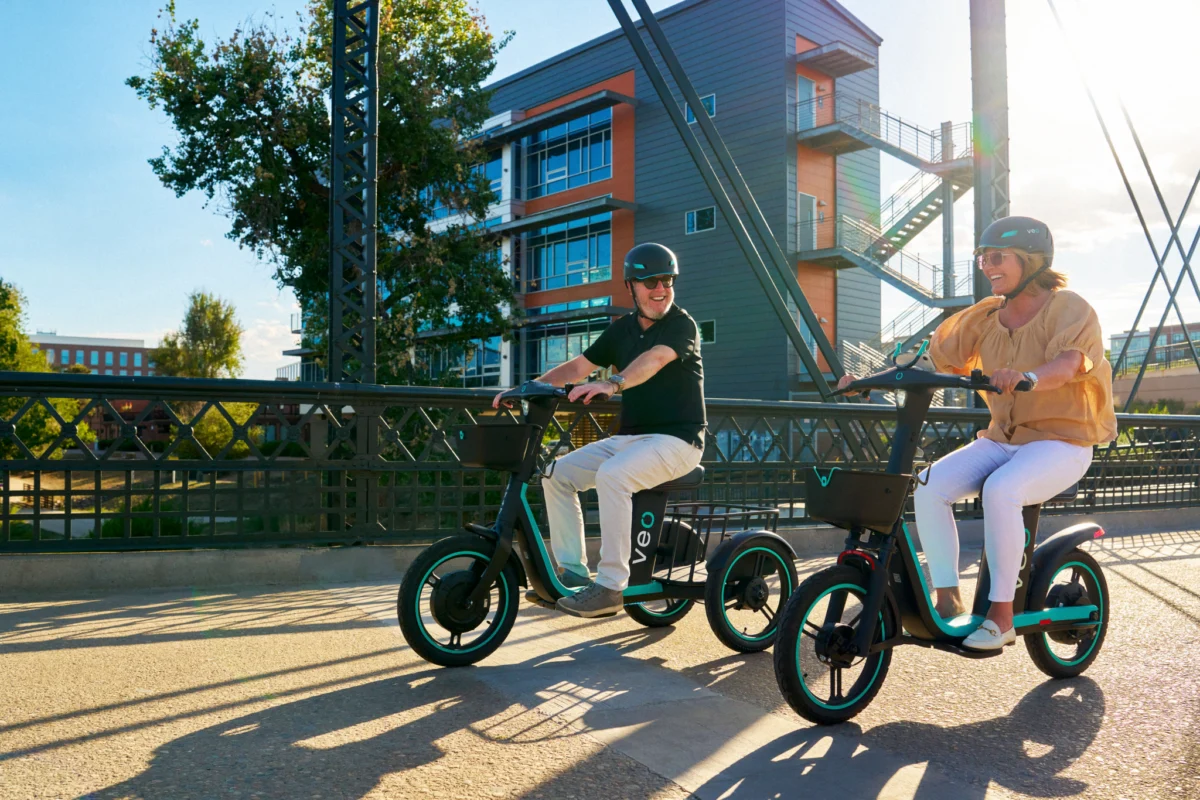
The landscape of shared micromobility in Denver is undergoing a structural evolution with the introduction of the Rover, a specialized electric tricycle developed by Veo. As the city continues to grapple with the complexities of urban transit—balancing the need for reduced carbon emissions with the requirement for equitable infrastructure—this new vehicle represents a departure from the standard two-wheeled scooter model that has dominated the industry for the better part of a decade. Currently, 50 units of the Rover are being deployed in a pilot program across downtown Denver, serving as a critical testing ground before a potential citywide expansion.
The Evolution of Micromobility: From Standing Scooters to Inclusive Design
The shared micromobility industry, which surged in popularity in the late 2010s, has historically prioritized agility and speed over accessibility. While standing electric scooters and pedal-assist bicycles have successfully diverted thousands of vehicle miles traveled away from private automobiles, they have largely marginalized segments of the population with physical disabilities, balance impairments, or those who simply feel unsafe on a two-wheeled vehicle.
Veo, a provider currently operating in over 60 cities and university campuses, identified this gap in the market years ago. The development of the Rover was not an overnight endeavor; it was the culmination of an intensive, multi-year research and development cycle. Starting in early 2024, the company initiated a collaborative design process involving more than 20 organizations, including the Parkinson’s Foundation and Capitol Hill Village. By integrating feedback from these groups, Veo sought to move beyond the "one-size-fits-all" approach that has defined the sector.
Chronology of Development and Community Engagement
The path to the Rover’s debut was paved with data-driven insights. In 2025, Veo conducted an annual rider survey that served as a cornerstone for the vehicle’s design specifications. The survey revealed that 24% of the company’s user base identified as having a disability—a significant portion of the population that had previously been forced to adapt to equipment not designed for their specific physical needs.
- Early 2024: Veo launches a collaborative design phase, consulting with disability advocacy groups and senior organizations.
- Late 2024: Prototype iterations are stress-tested for stability, braking, and cargo capacity, incorporating the ergonomic preferences of the focus groups.
- Mid-2025: Comprehensive data from the annual rider survey informs final adjustments to the seat height, center of gravity, and throttle sensitivity.
- September 2026: The pilot deployment of 50 Rover units begins in downtown Denver, marking the first time the vehicle is available for public use.
Technical Specifications and Design Philosophy
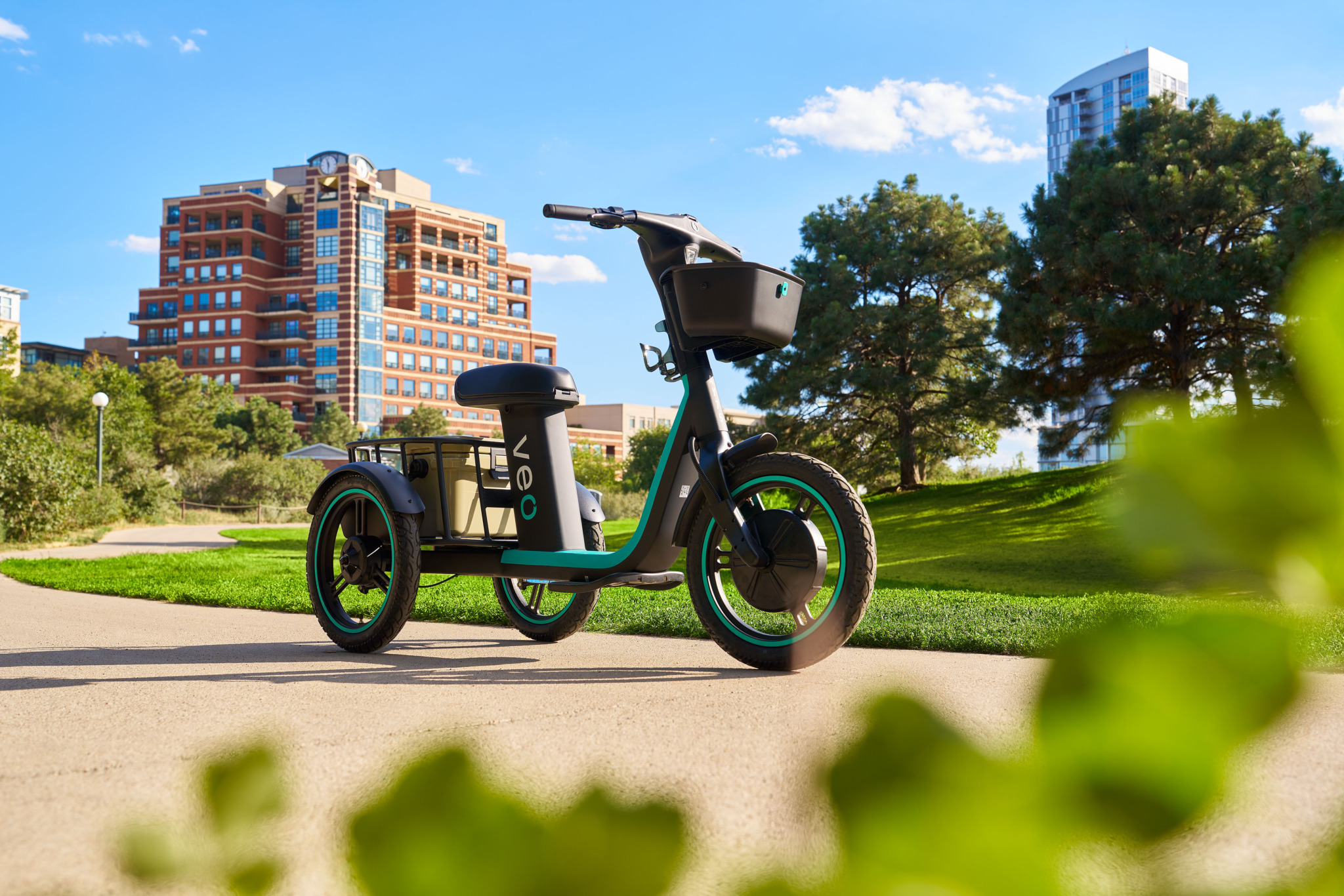
The Rover is engineered specifically for stability and utility. Unlike traditional scooters that require the rider to stand, the Rover features a low-profile, cushioned seat that lowers the rider’s center of gravity, significantly reducing the risk of tipping. Its three-wheeled architecture provides inherent lateral stability, which is essential for riders who may lack the equilibrium required for two-wheeled transit.

The vehicle is equipped with a dual-basket system, located at the front and rear, capable of supporting a combined 100 pounds of cargo. This feature addresses the "last-mile" logistical needs of urban dwellers who need to transport groceries, personal belongings, or even compact mobility aids. From a performance standpoint, the Rover is limited to a top speed of 10 miles per hour. While this is lower than the typical 15–20 mph speeds seen on standard scooters, it is a deliberate safety trade-off designed to facilitate safe, confident navigation within neighborhood streets and park paths. The inclusion of throttle assist further ensures that riders can navigate inclines without requiring significant physical exertion, effectively lowering the barrier to entry for older adults and those with chronic health conditions.
Industry Perspectives on Equitable Transit
The introduction of the Rover has been met with positive reception from industry experts and accessibility advocates who have long argued that micromobility must serve the entire public, not just the young and able-bodied. Anna Zivarts, director of the Nondrivers Alliance and author of When Driving Is Not an Option, notes that the historical exclusion of disabled people from transit planning has created a systemic barrier to participation in the modern economy.
"For too long, shared micromobility has excluded many disabled people and others who don’t feel comfortable using a standing scooter or pedal bike," Zivarts observes. By providing a vehicle that prioritizes seating and stability, Veo is effectively attempting to rebrand micromobility from a "recreational" tool into an "essential" mobility solution.

Candice Xie, co-founder and CEO of Veo, echoed these sentiments during the Denver launch. "The future of micromobility is about giving more people the confidence to ride," Xie stated. "Rover is our most community-informed vehicle to date, shaped in partnership with the people it was built to serve."
Implications for Urban Infrastructure and Future Planning
The deployment of the Rover in Denver arrives at a time when cities across the United States are increasingly prioritizing "Complete Streets" policies. These policies aim to design road networks that are safe and accessible for all users, regardless of age, ability, or mode of transport.
The integration of the Rover into Veo’s existing fleet of 9,000 bikes and scooters in Denver is more than just a fleet expansion; it is a signal of the industry’s shift toward mature, diversified offerings. For municipal planners, the success of the Rover could provide the necessary evidence to support further investments in protected bike lanes and curb management. If a vehicle that is accessible to a wider demographic can successfully navigate city streets, it strengthens the argument for reclaiming road space from private automobiles.

However, the transition is not without its challenges. The addition of wider, three-wheeled vehicles necessitates a re-evaluation of existing docking and parking infrastructure. City planners must now consider whether existing "scooter pens" and bicycle racks can accommodate the footprint of a trike, or if additional urban real estate must be dedicated to these larger vehicles.
Economic and Social Impacts
The social implications of the Rover are profound. By facilitating autonomous, low-cost travel for individuals who cannot or choose not to drive, Veo is addressing a critical component of the "transportation gap." For residents living in areas with limited public transit access, a reliable, stable, and affordable electric trike could mean the difference between social isolation and active community participation.
From an economic perspective, the Rover supports the local circular economy by allowing users to complete shopping trips and errands without the costs associated with private car ownership, such as fuel, insurance, and parking. As Veo gathers more data from the Denver pilot, it is likely that other cities will look to this model as a template for inclusive micromobility.

Conclusion: A Shift in the Mobility Paradigm
The Rover represents a significant milestone in the maturation of the shared micromobility industry. By moving away from the ephemeral, high-turnover nature of standing scooters and toward a more durable, accessible, and inclusive design, Veo is positioning itself as a leader in the next generation of urban transit.
While the vehicle is currently restricted to the shared fleet in Denver and is not available for individual purchase, the lessons learned from this pilot will likely influence the design of future urban transportation hardware. As the industry continues to evolve, the focus will almost certainly remain on creating systems that are not just efficient, but equitable—ensuring that the freedom of mobility is accessible to everyone, regardless of their physical capabilities. For the residents of Denver, the streets are now slightly more open, slightly more stable, and significantly more inclusive than they were just a few months ago.