 Cintya Tara Annisa
The specialty coffee landscape in the United States has undergone a transformative evolution over the last decade, shifting from a focus on standardized global profiles toward a deeper appreciation for origin-specific heritage. This trend has reached a new milestone in the heart of Silicon Valley with the official opening of Hijau Coffee, an establishment that serves as both a functional cafe and a deliberate bridge to Indonesian culinary culture. Located in the bustling Midtown neighborhood of San Jose, California, the cafe represents the latest entry in the burgeoning movement of Southeast Asian-influenced coffee shops, signaling a departure from traditional Western-centric cafe models.
A Chronology of Growth: From Farmers Markets to Brick-and-Mortar
The trajectory of Hijau Coffee mirrors the classic success story of independent specialty roasters, evolving from grassroots beginnings into a permanent community fixture. Founder Lisa Maria, who drew her initial inspiration from her upbringing in West Java, Indonesia, first established the brand as a pop-up operation within the local farmers market circuit. This period was critical for market validation; by engaging directly with the Bay Area’s diverse consumer base, the team was able to refine their product offerings, particularly their Indonesian-inspired signature drinks like the pandan latte.
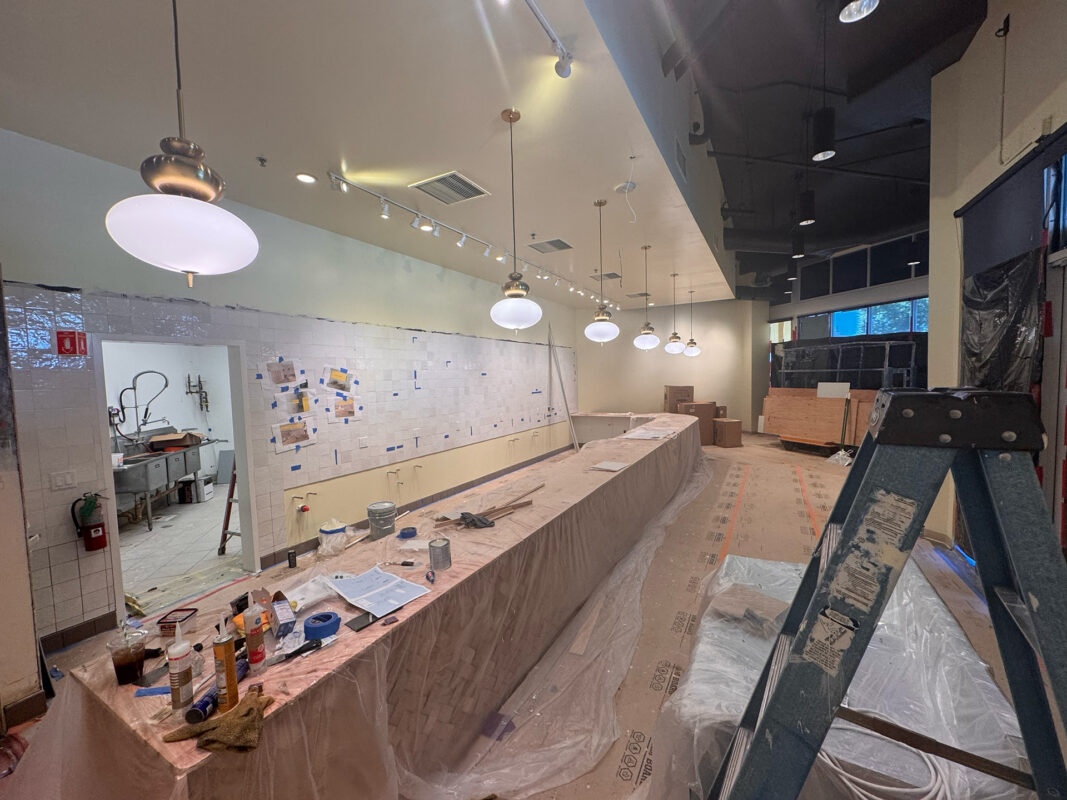
The transition from a mobile pop-up to a permanent site was a multi-year process that prioritized strategic location and cultural authenticity. By securing a former Starbucks location, Hijau Coffee not only inherited a high-traffic intersection in Midtown San Jose but also participated in the adaptive reuse of existing commercial infrastructure. Following an extensive renovation process, the shop officially opened its doors to the public on Saturday, September 5, 2026. This launch marks a significant moment for the region’s coffee economy, as it introduces a specialized model that emphasizes Indonesian origin beans—specifically from Sumatra Takengon and Bali Kintamani—at a scale not previously seen in this specific geographic cluster.
The Architectural and Cultural Synthesis
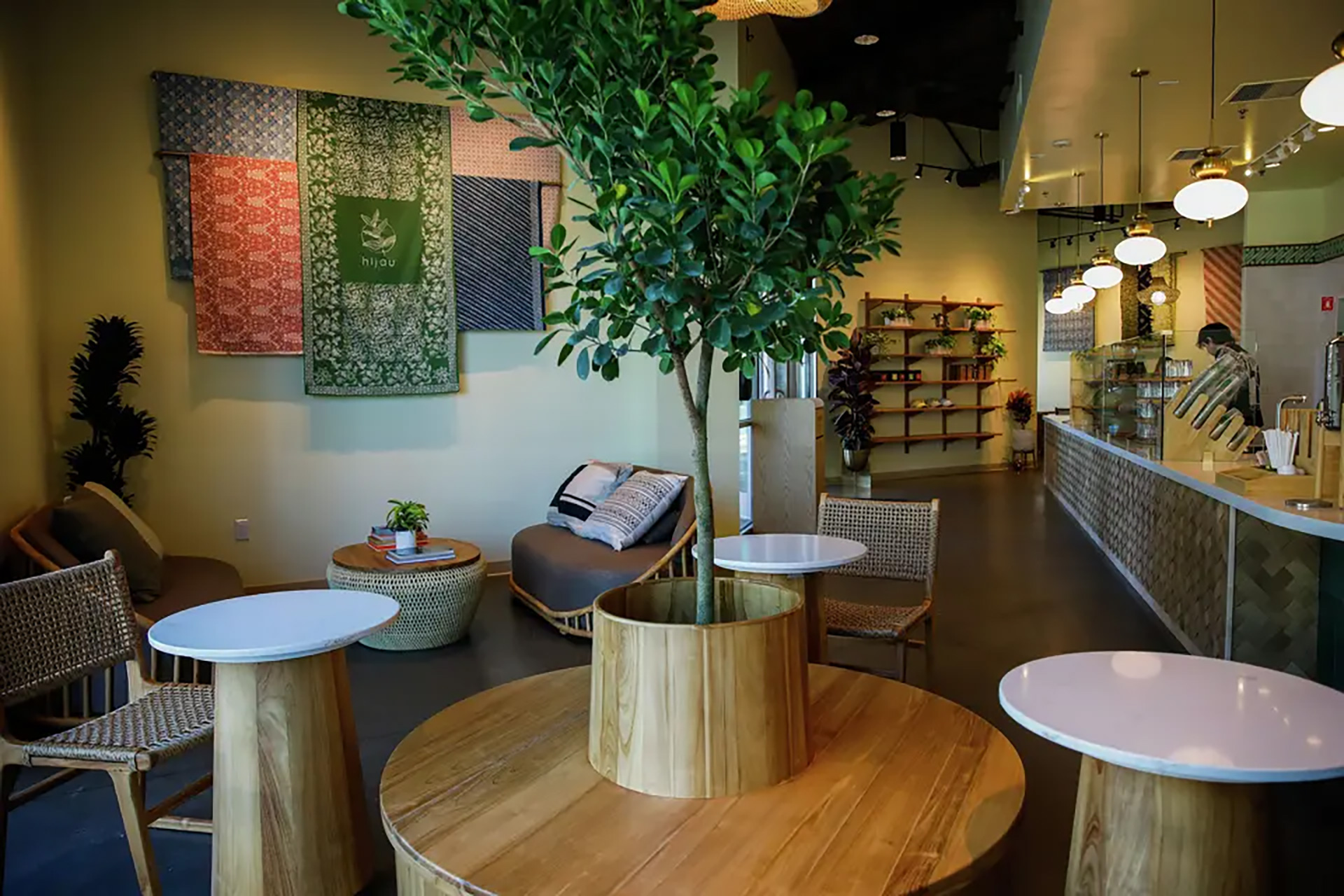
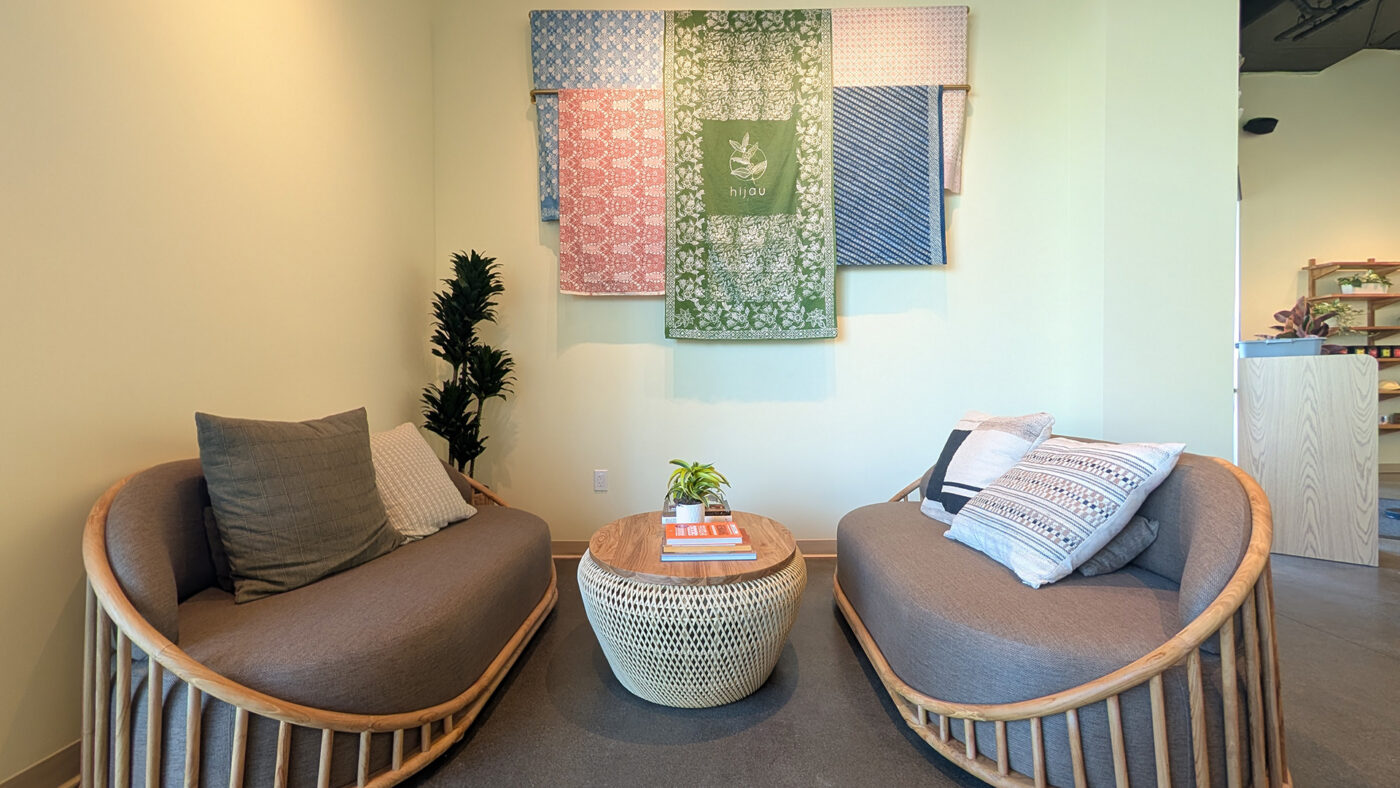
The physical design of Hijau Coffee serves as a deliberate cultural anchor, moving away from the industrial minimalism that has defined much of the third-wave coffee movement. The space, characterized by an open and airy floor plan, has been meticulously curated to function as an immersive encounter with Indonesian heritage. A primary differentiator in the shop’s design is the sourcing of its interior elements. Rather than relying on standard commercial contractors, the leadership team imported tables, seating, shelving, and wall decor directly from Indonesia.
Of particular note are the custom "batik tiles" and hand-crafted ceramics that permeate the aesthetic of the space. These elements function as more than mere decoration; they act as a tangible narrative of the founder’s upbringing in a home where coffee roasting was a central domestic activity. By integrating these specific cultural markers, the cafe provides a sensory experience that links the consumer to the equatorial origins of the coffee served. This design philosophy aligns with broader architectural trends in the hospitality industry, where "experiential dining" and "authentic storytelling" are increasingly vital for maintaining long-term customer loyalty in competitive urban markets.

Technical Specifications and Operational Excellence
At the center of Hijau Coffee’s operational workflow is a three-group La Marzocco Strada, finished in a bespoke green colorway. The selection of the Strada—a machine renowned for its pressure-profiling capabilities—indicates a sophisticated approach to extraction, allowing the baristas to highlight the nuanced, often earthy and spicy profiles inherent to high-quality Indonesian coffee.
The operational strategy is built on a tripartite foundation: hospitality, craft, and consistency. In a market as saturated as Silicon Valley, these three pillars are essential. The cafe’s menu is designed to guide customers through a coffee journey, regardless of their prior knowledge level. By offering Indonesian-origin beans alongside locally sourced dairy and plant-based alternatives, the shop successfully bridges the gap between traditional Indonesian flavor profiles and the expectations of the contemporary American specialty coffee consumer. This commitment to consistency is further bolstered by the presence of high-end equipment, which ensures that the labor-intensive brewing methods required for specific Indonesian varietals are executed with precision.
Sustainability and the Circular Economy
In an era where environmental social governance (ESG) has become a benchmark for new business ventures, Hijau Coffee has incorporated sustainability into its core operational model. The cafe’s approach to waste reduction is multi-faceted. By promoting a "for here" service model, the cafe actively discourages the use of single-use disposables, providing durable, ceramic serveware that enhances the aesthetic experience while reducing landfill contributions.
Furthermore, the design team utilized upcycled batik stamps for wall installations, repurposing traditional tools that might otherwise have been discarded. This focus on circularity extends to the cafe’s procurement policies. By sourcing beans directly from Indonesian producers, the company is also implicitly participating in a more transparent supply chain, which is a vital component of modern sustainability metrics. The integration of reusable water cups and a focus on localized sourcing within the shop’s design further underscores the shift toward a more responsible retail model.
The Broader Impact on the Bay Area Coffee Economy
The arrival of Hijau Coffee contributes to a larger narrative shift in the American coffee industry. Historically, Indonesian coffee has been relegated to the category of "blending" beans—used primarily for its heavy body and low acidity. However, shops like Hijau are redefining this perception by treating Indonesian beans as high-quality, single-origin products worthy of individual celebration.
Industry data suggests that the specialty coffee market in the United States continues to grow, with a CAGR (Compound Annual Growth Rate) that reflects an increasing consumer willingness to pay premiums for traceable, ethically sourced coffee. As a pioneer in the Silicon Valley region for this specific niche, Hijau Coffee sits at the intersection of two powerful trends: the rising demand for ethnic, specialized culinary experiences and the maturation of the independent roaster-cafe model.
Market analysts observe that such niche establishments often face significant hurdles, including high commercial rents in the Bay Area and the necessity of educating the consumer base. However, by establishing a community-focused brand through farmers markets before scaling to a permanent storefront, Hijau has mitigated much of the initial risk. The reaction from the local community, as reported by the ownership, suggests a strong appetite for establishments that provide both high-quality craft coffee and a distinct cultural identity.
Future Implications and Conclusion
The success of Hijau Coffee in its opening weeks provides a blueprint for other niche coffee operators looking to enter the North American market. By maintaining a balance between high-end technical execution and deep cultural narrative, the cafe creates a "third space" that is both familiar and novel to the Silicon Valley demographic.
As the 2026 Build-outs of Coffee series demonstrates, the industry is increasingly moving toward hyper-localization and specialized sourcing. Whether Hijau Coffee will serve as a catalyst for a wider influx of Indonesian-themed cafes remains to be seen, but its presence in San Jose is an undeniable sign of a maturing coffee market. By bridging the gap between West Java and the Bay Area, Hijau Coffee is not merely selling a beverage; it is fostering a cross-cultural dialogue that enriches the specialty coffee landscape at large. The cafe’s commitment to its roots—from the family-run coffee business origins of its founder to the carefully imported decor—ensures that it remains a distinct voice in the crowded field of American specialty coffee. With the grand opening now behind them, the focus shifts toward sustaining this initial momentum, proving that the demand for authentic, origin-focused coffee is not only present but thriving in the heart of the technological capital of the world.