 Clara Fransiska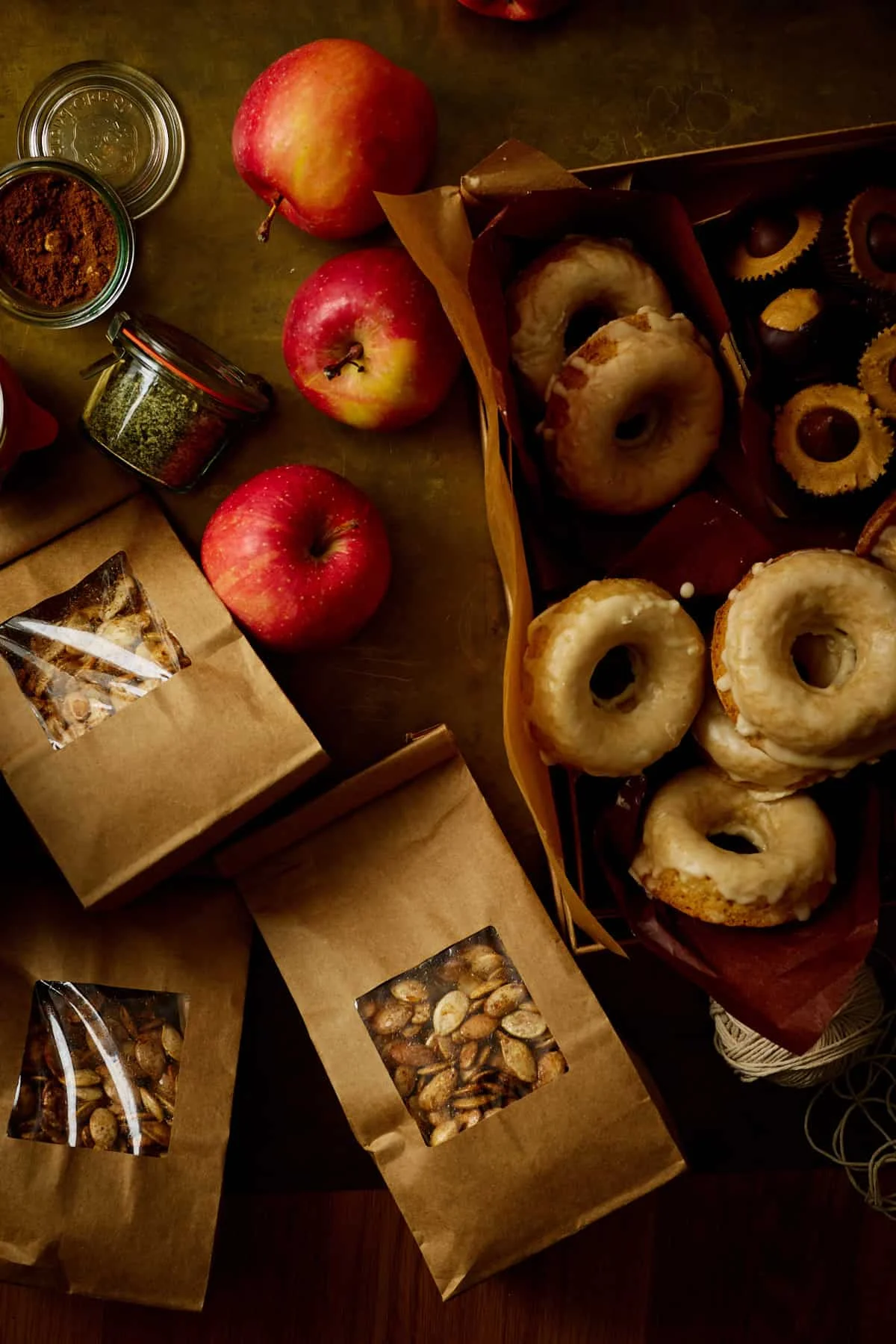
As the autumnal season reaches its zenith, the annual ritual of pumpkin carving has prompted a parallel culinary trend: the reclamation and transformation of pumpkin seeds into a nutrient-dense snack. While historically treated as a byproduct of festive decor, modern culinary practices have elevated the roasting of these seeds into a refined, two-fold preparation method. Recent trends, highlighted by the popularization of Dilly Sour Cream and Onion and Maple Cinnamon Spice variations, underscore a growing consumer interest in zero-waste food preparation and the utilization of seasonal harvests.
The Evolution of the Pumpkin Seed Industry
The practice of roasting pumpkin seeds, also known as pepitas, dates back centuries to indigenous populations in North America, who recognized the gourd for its dual utility as both a food source and a decorative element. In contemporary agricultural terms, the pumpkin is a member of the Cucurbitaceae family, and its seeds are recognized by dietitians as a potent source of magnesium, iron, and zinc.
According to data from the United States Department of Agriculture (USDA), a single ounce of roasted pumpkin seeds contains approximately 150 to 170 calories and roughly 7 to 9 grams of protein. As households increasingly focus on minimizing food waste, the movement to salvage seeds from decorative pumpkins has gained significant traction. Industry analysts note that during the months of September and October, the search volume for "pumpkin seed recipes" increases by over 400% annually, reflecting a seasonal shift in domestic culinary priorities.
A Chronology of the Modern Preparation Method
The modern approach to seed preparation is standardized to ensure both food safety and optimal texture. The process typically follows a strict chronological order to achieve the "golden crunch" favored by consumers:
- Extraction and Cleaning (Day 1): Seeds must be carefully removed from the fibrous pulp of the pumpkin. Failure to remove the stringy membrane—often referred to as the "guts"—can lead to uneven roasting and spoilage.
- Boiling and Drying (Day 1): Food scientists suggest a light boil in salted water for 10 minutes, followed by a thorough drying process on a paper towel or baking sheet. Removing surface moisture is critical for achieving a crisp rather than chewy final product.
- Seasoning and Roasting (Day 2): The final stage involves tossing the seeds in a lipid (such as olive oil or melted butter) and applying the chosen flavor profile before roasting at 350°F (175°C) for approximately 30 to 45 minutes.
Flavor Profiles: A Comparative Analysis
The current trend emphasizes a binary approach to flavor: savory and sweet. The Dilly Sour Cream and Onion profile relies on the interplay of dehydrated herbs and lactic acid powders to mimic the classic snack chip profile. This requires a delicate balance of garlic powder, dried dill, and, in some cases, finely grated parmesan to provide a umami-rich finish.
Conversely, the Maple Cinnamon Spice variation focuses on the caramelization of sugars. The chemical reaction between maple syrup’s natural sucrose and the heat of the oven creates a brittle coating that adheres to the seed’s hull. When paired with cinnamon and nutmeg, this profile aligns with the broader "warm spice" trend that dominates the North American food market during the final quarter of the year.
Logistical Considerations for Home Preservation
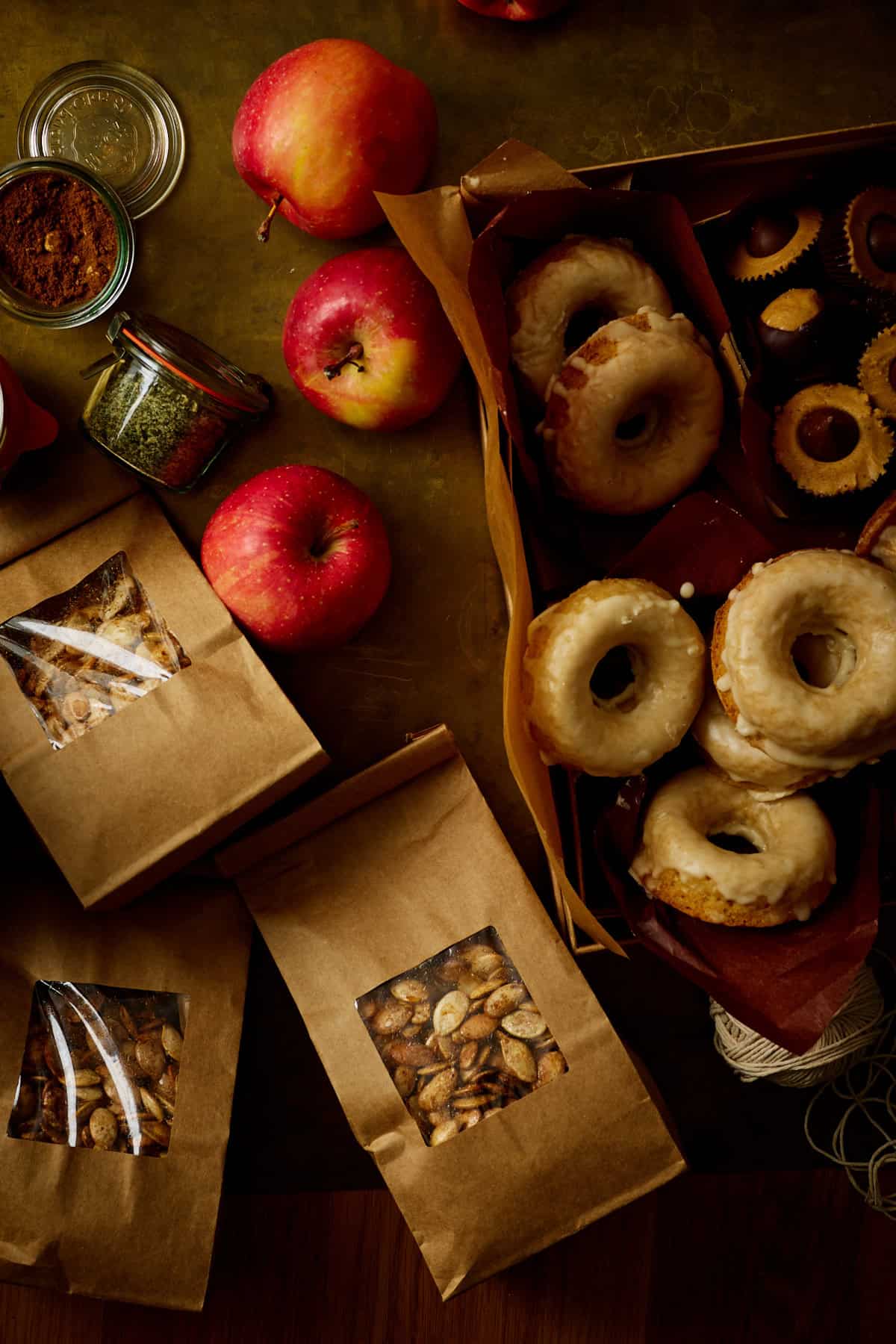
For those looking to transition these snacks from a simple treat to a giftable commodity, the packaging process is a point of professional focus. Food safety experts advise that moisture is the primary enemy of shelf stability. Seeds must be cooled completely to room temperature before being transferred into airtight containers or porous kraft paper bags.
"The aesthetic appeal of parchment or kraft paper packaging is often a secondary concern to the preservation of the crunch," notes Dr. Elena Vance, a culinary consultant specializing in seasonal food preservation. "If the seeds are stored while still warm, the residual steam will soften the hull, effectively ruining the texture within hours." Properly roasted and stored, these seeds maintain their integrity for up to two weeks in a cool, dry environment.
Nutritional and Economic Implications
The rise in home-based pumpkin seed roasting carries broader implications for household budgeting and sustainable consumption. By treating the pumpkin as a whole-food resource, households effectively increase the value of their grocery expenditure. A single medium-sized carving pumpkin can yield between one and two cups of seeds, providing a cost-effective alternative to pre-packaged, mass-produced snacks that often contain preservatives and artificial additives.
From a nutritional perspective, the consumption of roasted pumpkin seeds contributes to the daily recommended intake of essential minerals. The high fiber content found in the seed’s hull—when properly roasted—aids in digestive health, making it a functional snack choice. However, medical professionals advise moderation, particularly for the Maple Cinnamon variety, where the addition of syrups and sugars can significantly alter the glycemic index of the final product.
Industry and Expert Perspectives
While amateur chefs often share their personal experiences with various spice blends, the consensus among professional chefs is that the base preparation is the most critical factor. The use of high-quality, cold-pressed oils is frequently recommended over generic vegetable oils to enhance the flavor profile of the seeds.
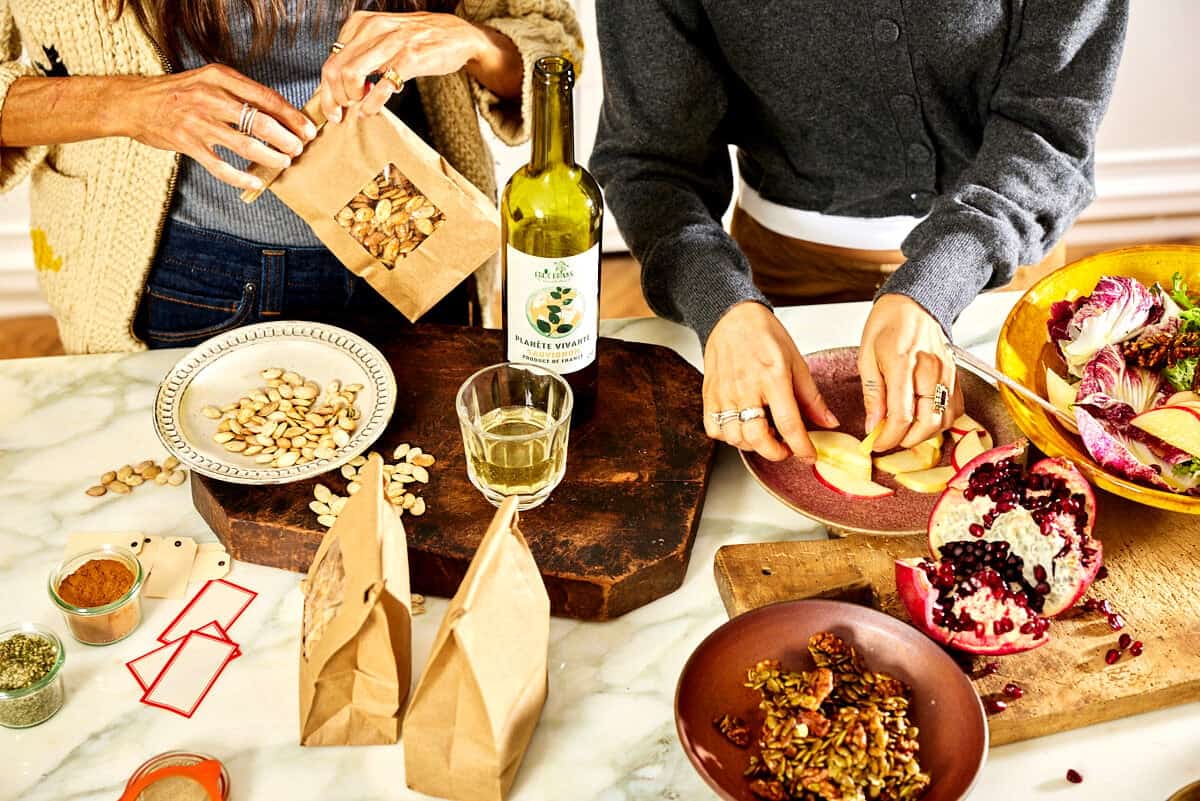
Furthermore, the integration of these snacks into social settings—such as dinner parties or as takeaway gifts—has become a hallmark of autumn hosting etiquette. This trend reflects a broader cultural shift toward "slow living" and the appreciation of artisanal, homemade products in an era dominated by convenience food.
Broader Impact and Future Trends
The resurgence of interest in seed roasting is part of a wider movement toward self-sufficiency and the "nose-to-tail" or "root-to-stem" cooking philosophy. As climate awareness grows, consumers are becoming increasingly conscious of the waste generated by seasonal traditions. The act of roasting seeds serves as a small-scale, actionable step toward a more sustainable kitchen.
As we move toward the end of the harvest season, the industry expects a continued focus on "repurposed ingredients." Whether through the application of new flavor technology or the adoption of traditional methods, the humble pumpkin seed remains a staple of the autumnal diet. Future developments in this area may include the commercialization of specialized "seed roasting kits" or the rise of pre-packaged, artisanal pumpkin seed snacks in gourmet markets, further cementing their status from a simple byproduct to a seasonal delicacy.
In summary, the transition of the pumpkin seed from a discarded waste product to a carefully crafted, shelf-stable snack represents a sophisticated intersection of nutrition, economics, and seasonal celebration. Through the standardization of preparation, the careful selection of diverse flavor profiles, and a commitment to sustainable food practices, the home cook continues to play a vital role in the preservation of these seasonal culinary traditions.