 Cintya Tara Annisa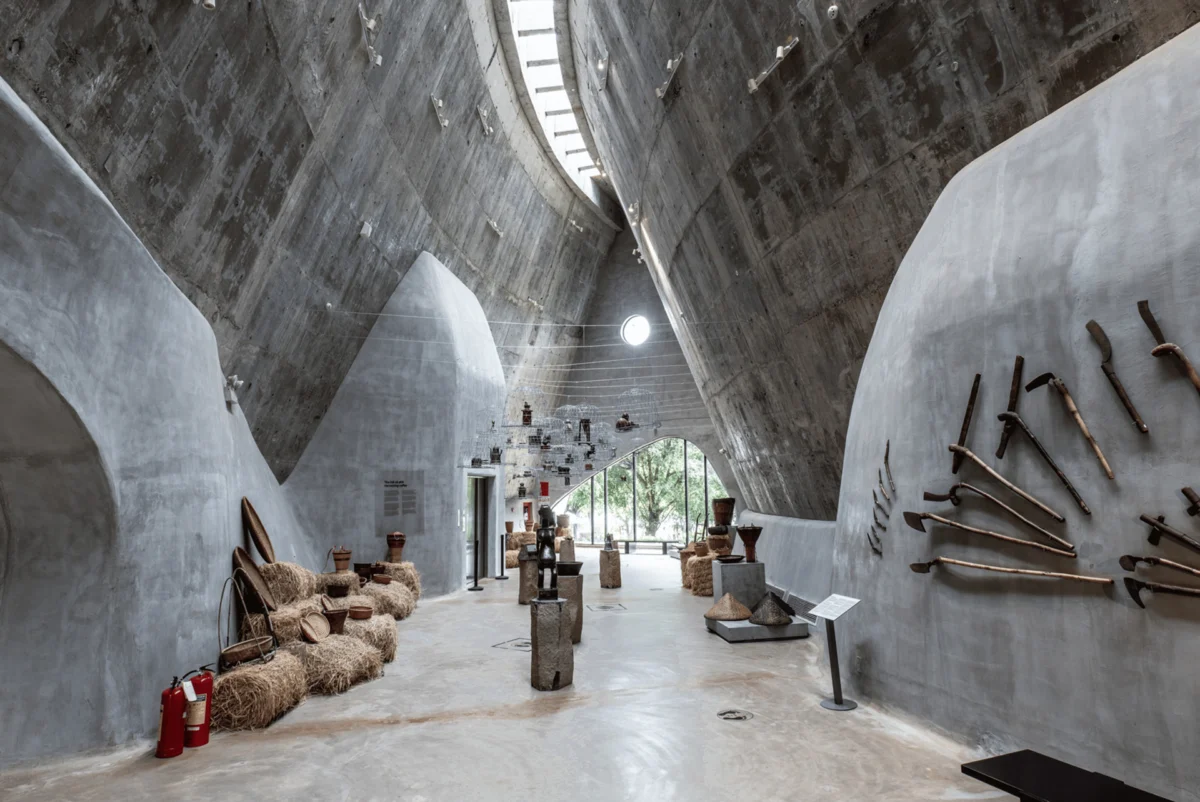
In the heart of Vietnam’s Central Highlands, the city of Buon Ma Thuot serves as the epicenter of a global shift in how coffee history is curated, interpreted, and experienced. Located in the Dak Lak province, a region synonymous with robust coffee production, the city is home to the World Coffee Museum—a striking architectural monument that seeks to transition the discourse of coffee from a simple agricultural commodity to a shared, intellectual, and cultural heritage. This institution represents a departure from conventional museum curation, positioning Vietnam not merely as a high-volume exporter, but as a thought leader in the evolution of coffee’s global narrative.
The Genesis of a Collection: From Hamburg to the Highlands
The foundations of the World Coffee Museum are rooted in a European lineage of preservation. In 1927, Erich Burg established Burg’s Kaffee Rosterei in Hamburg, Germany, a modest roastery that would eventually become a beacon for artisan coffee craft. As the industrialization of the coffee sector accelerated throughout the latter half of the 20th century, the traditional tools, specialized equipment, and artisanal methodologies of small-scale roasters faced the threat of extinction.
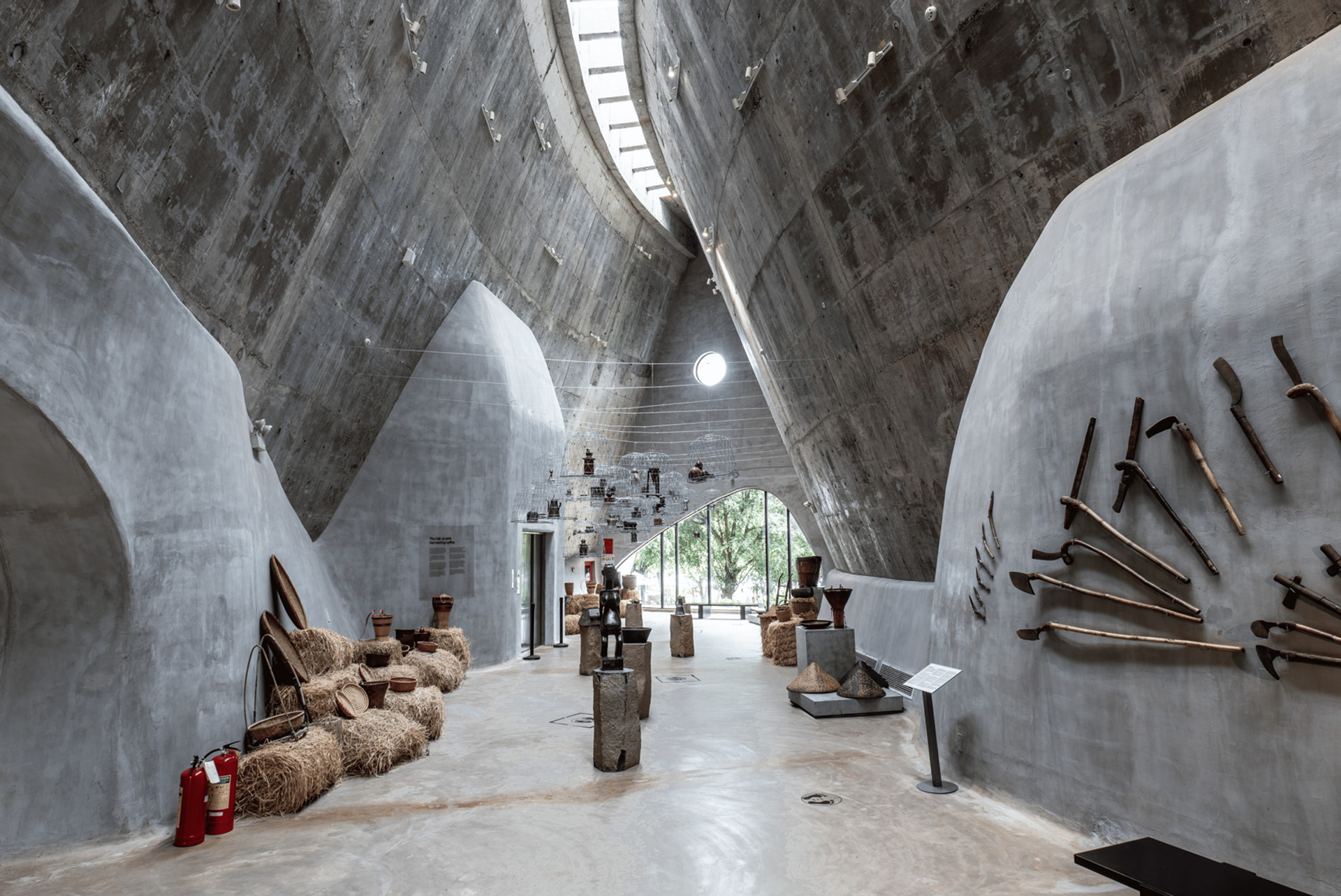
Jens Burg, the son of the founder, undertook a two-decade crusade to safeguard this vanishing material culture. His efforts culminated in the opening of the Coffee Museum in Hamburg in 2000, which housed thousands of artifacts documenting the history of the bean. However, the collection’s ultimate destination was not in Europe, but in Southeast Asia.
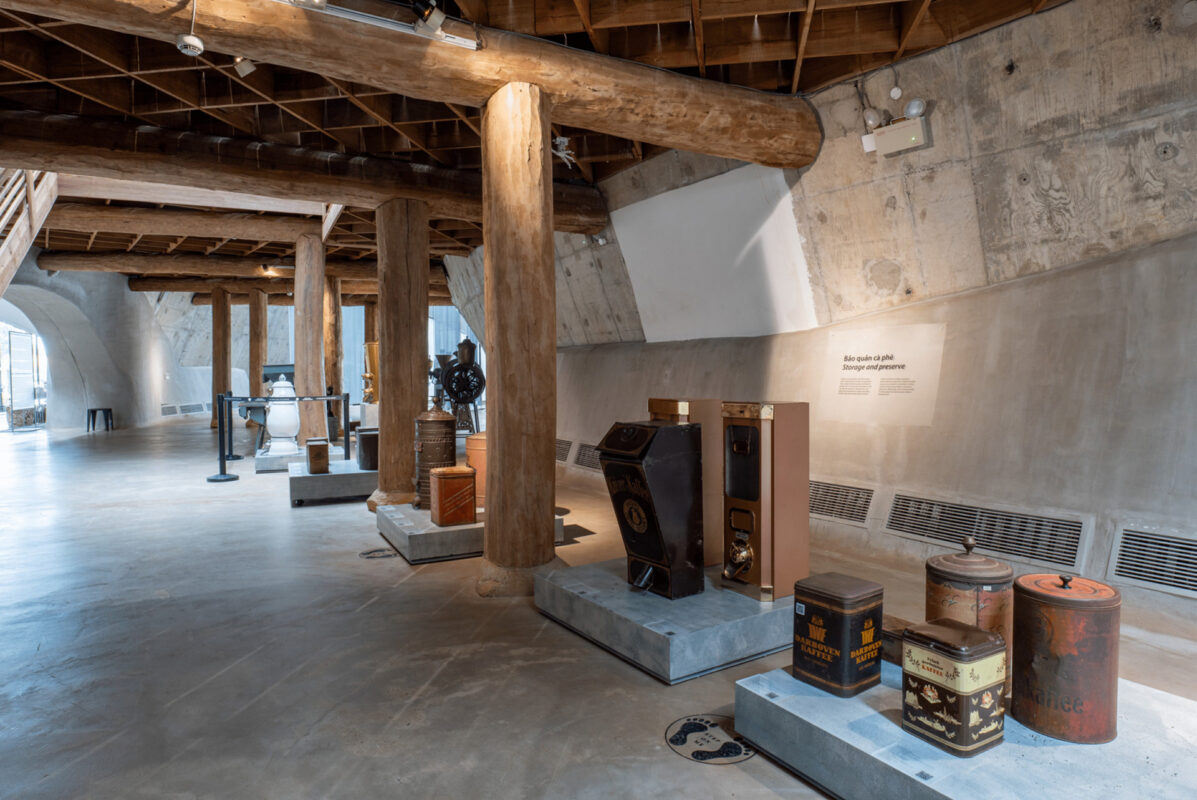
In 2010, Dang Le Nguyen Vu, the founder of the Trung Nguyen Legend Group, a powerhouse in the Vietnamese coffee industry, acquired the entirety of the Hamburg collection. This acquisition involved the transfer of more than 10,000 historical artifacts—ranging from antique grinding mechanisms to traditional roasting equipment—to Vietnam. This pivotal exchange served as the catalyst for the creation of the World Coffee Museum, allowing the history of global coffee to be re-evaluated through the lens of one of the world’s most significant producing nations.
Architectural Symbiosis and Cultural Context
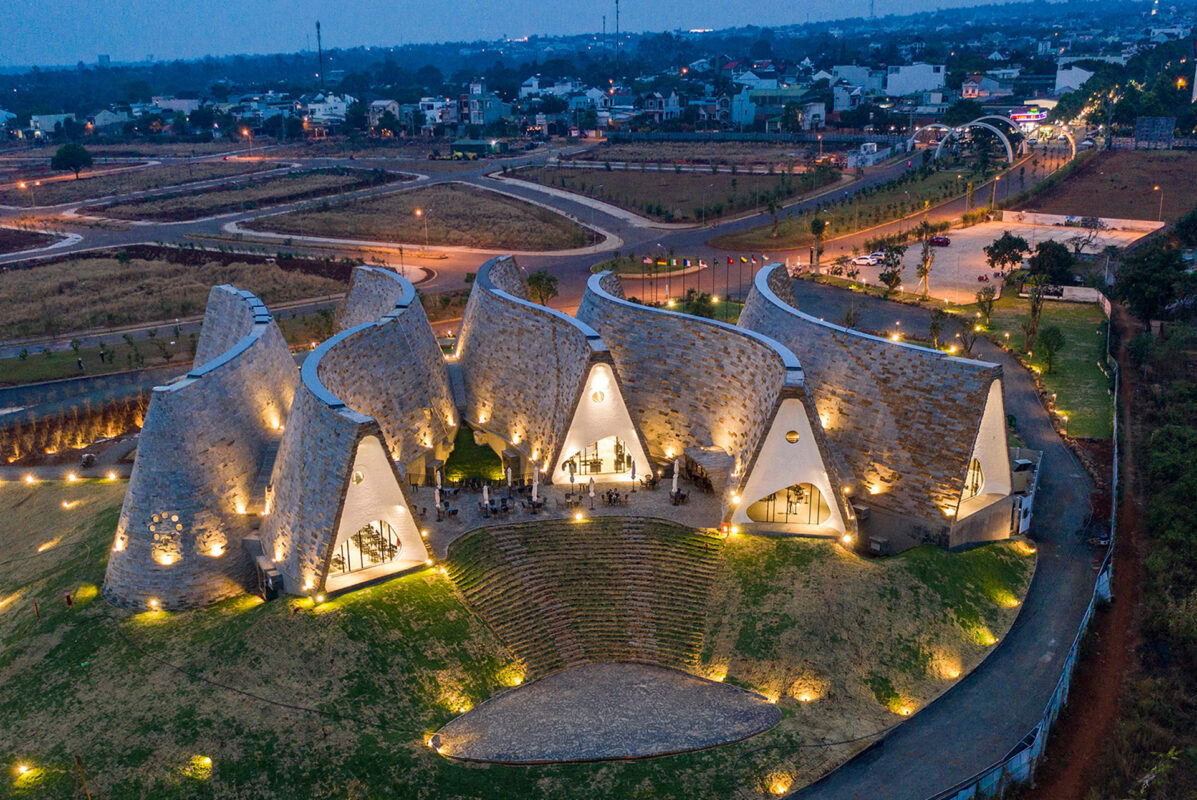
The design of the World Coffee Museum is deeply informed by the cultural heritage of the Central Highlands. The building’s form draws direct inspiration from the traditional longhouses of the Ede people, an indigenous ethnic group in the Dak Lak province. Architecturally, the museum is composed of a series of sweeping, curved volumes that create a sense of organic movement.
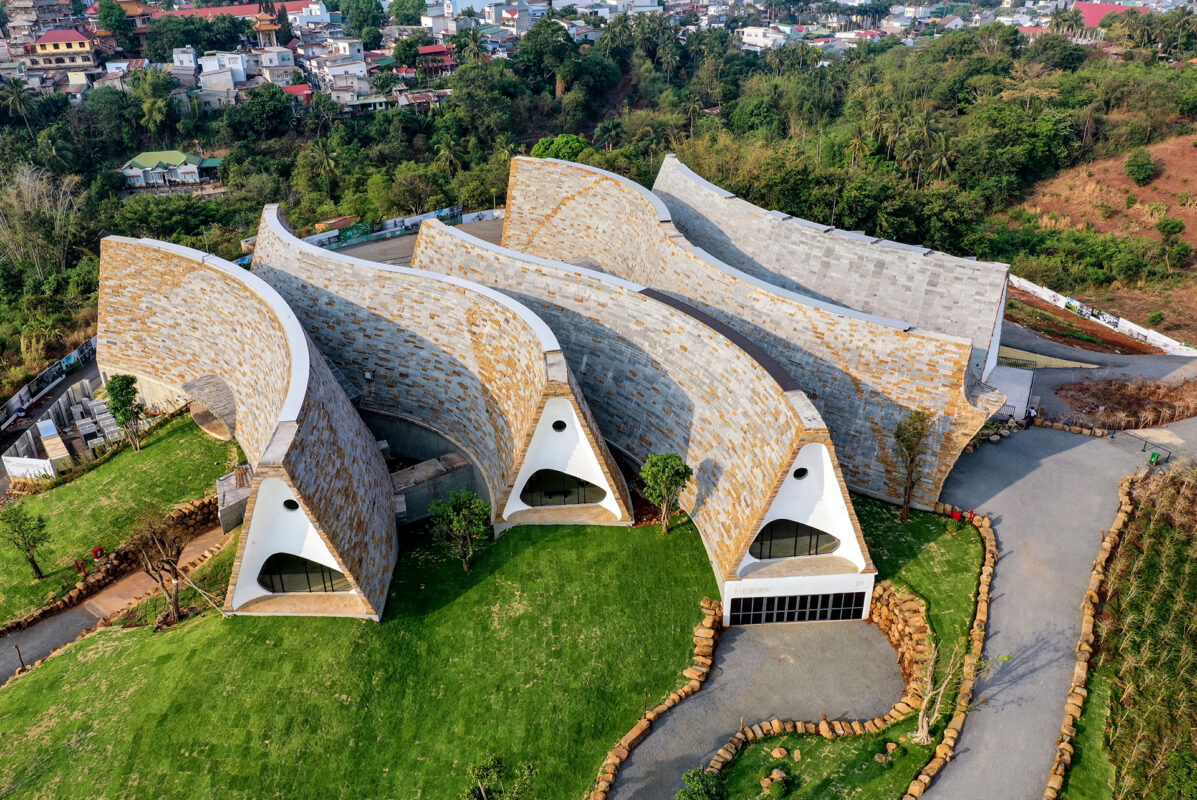
While the exterior suggests separate, modular structures, the interior is a masterclass in fluidity. Intersecting passageways guide visitors through a continuous, immersive narrative, reflecting the interconnected nature of coffee’s journey from farm to cup. This design choice is not purely aesthetic; it serves as a functional metaphor for the museum’s core philosophy: that coffee is a "living" cultural practice that transcends geographical and chronological boundaries. By avoiding the nomenclature of a "Vietnam Coffee Museum," the institution explicitly signals an international ambition, framing the global history of coffee within a Vietnamese perspective.
Coffee Civilizations: A New Analytical Framework
The museum’s pedagogical approach is defined by its categorization of coffee history into three distinct "civilizations," each representing a specific philosophy and mode of interaction with the beverage.
- The Ottoman Coffee Civilization: This section explores the historical rise of coffee within the Islamic world. It highlights the social and political dimensions of the coffee house, which served as a crucial site for intellectual exchange, inter-ethnic discourse, and social cohesion. The exhibition underscores the importance of the ritualistic, hand-prepared nature of Ottoman coffee, framing it as a foundational social technology.
- The Roman Coffee Civilization: Centered on the technological advancements of the 17th century and beyond, this exhibit traces the transition of coffee into the industrial era. It focuses on the Western preoccupation with efficiency and precision, specifically the invention of steam-pressure extraction. This section serves as a technical contrast to the manual methods of the East, demonstrating how scientific innovation fundamentally altered the global palate and the speed of coffee consumption.
- The Thien (Zen) Coffee Civilization: This is perhaps the museum’s most distinctive contribution to global coffee discourse. By synthesizing Eastern philosophical traditions—particularly Zen Buddhism—with the contemporary coffee experience, the museum posits coffee as a tool for mindfulness. This interpretation elevates the act of coffee consumption from a daily stimulant intake to a meditative practice, encouraging introspection and a deeper connection to the present moment.
Data and Global Market Context
Vietnam’s strategic positioning of this museum occurs against a backdrop of massive economic influence. According to data from the International Coffee Organization (ICO), Vietnam remains the world’s second-largest producer of coffee, trailing only Brazil. The nation is the primary global supplier of Robusta beans, which account for a significant portion of the international instant coffee market.
Despite this dominance in volume, Vietnam has historically been undervalued in terms of "cultural capital" within the specialty coffee sector, which has traditionally been dominated by European and North American narratives. The World Coffee Museum is a structural attempt to rectify this imbalance. By hosting an institution of this caliber, Vietnam is effectively pivoting its brand identity from a supplier of raw materials to a curator of global coffee culture.
Market analysts suggest that such institutional investments are essential for the long-term sustainability of the Vietnamese coffee sector. As climate change threatens traditional growing regions and the global demand for specialty-grade coffee increases, moving up the value chain through cultural and intellectual investment is a critical strategic move for the nation’s economy.
Official Perspectives and Institutional Ambitions
While the museum was founded under the auspices of the Trung Nguyen Legend Group, it has positioned itself as a public resource for international dialogue. Representatives from the museum have frequently articulated a vision that moves beyond the traditional role of a repository for artifacts.
"The museum is not a static display of history," notes a spokesperson for the institution. "It is an interactive platform designed to facilitate an ongoing conversation about the role of coffee in human evolution, labor, and ritual."
The museum’s efforts to engage multiple senses—taste, sight, and smell—further reinforce its mandate to serve as a "living" institution. By incorporating interactive sensory experiences, the museum ensures that the historical data provided is grounded in the visceral, practical reality of the coffee industry.
The Future of Coffee Diplomacy
The implications of the World Coffee Museum extend beyond tourism or local pride. It represents a form of "coffee diplomacy," wherein a producing nation exerts influence over the global narrative of the product it supplies. By framing the history of coffee as a series of "civilizations" rather than a timeline of Western discovery or colonial trade, the museum offers a more equitable, albeit curated, view of the coffee industry’s development.
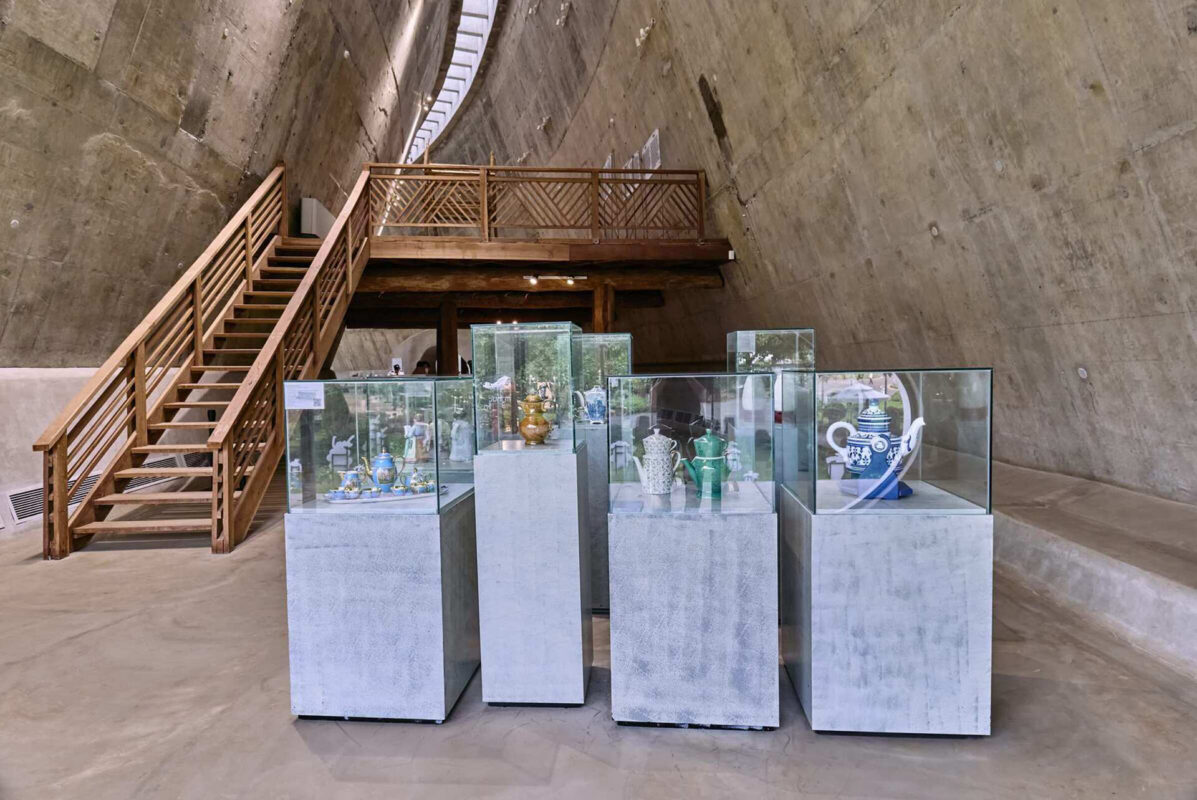
For the international coffee community, the presence of such an institution in Buon Ma Thuot serves as a reminder that the story of coffee is not a singular, linear progression. It is a mosaic of different cultural approaches, from the communal traditions of the Ottoman era to the high-speed technological innovations of the Roman influence and the meditative introspection of the Thien philosophy.
As the museum continues to expand its programming, it invites a broader critique of how historical artifacts are managed in the globalized world. The transfer of the Burg collection from Germany to Vietnam stands as a case study in the migration of heritage assets. What began as a personal mission by a German roaster has become a foundational pillar of Vietnamese cultural policy, illustrating the profound ways in which coffee binds disparate corners of the globe together.
In conclusion, the World Coffee Museum is an ambitious, multi-layered institution that successfully navigates the complex history of one of the world’s most ubiquitous commodities. By grounding its narrative in both local Vietnamese identity and global historical context, it challenges the traditional hierarchy of coffee knowledge. It does not merely present facts; it proposes a new framework for understanding our relationship with the bean, ensuring that the legacy of coffee remains as vibrant and complex as the drink itself.