 Muhammad Hendra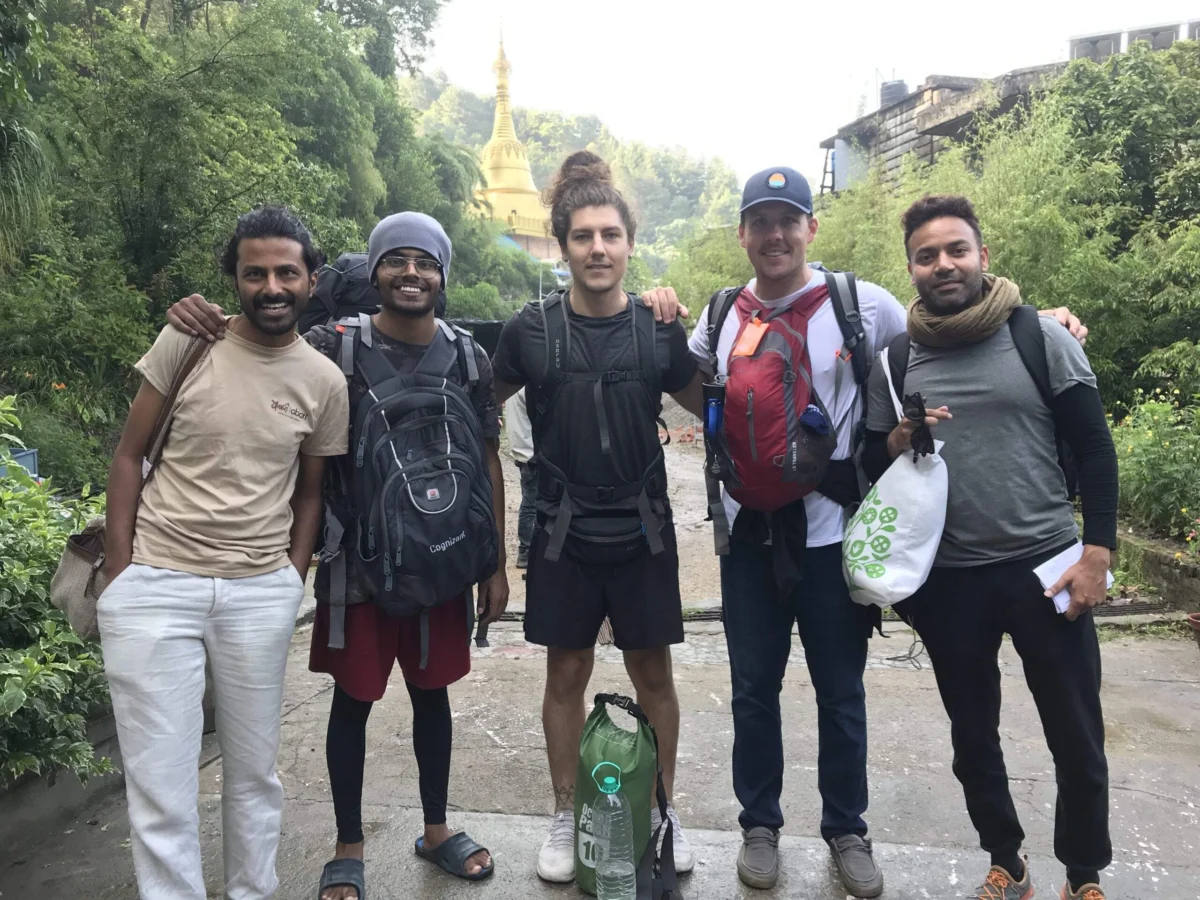
The journey of mindfulness is rarely a straight line, often beginning in moments of unexpected disruption rather than quiet contemplation. For Billy Rosenbeck, a former boarding school English teacher turned full-time meditation instructor, the path to mindfulness started not in a tranquil ashram, but on a creaking, green Volkswagen bus navigating a sudden hailstorm on the outskirts of Kathmandu, Nepal. This pivotal moment in 2019 preceded years of unconventional outreach that would eventually lead to the creation of The Mellow Elephant, a mental skills initiative, and the award-winning documentary MELLOW: A Meditation Road Trip.
Rosenbeck’s transition from traditional educator to mindfulness advocate reflects a growing national and international interest in mental health interventions. By introducing meditation to non-traditional environments—including correctional facilities, senior centers, athletic locker rooms, and emergency services—his work highlights the universal applicability of stress-reduction techniques across diverse demographic groups.
Background and Evolution of the Practice
Rosenbeck’s entry into meditation occurred during his mid-twenties, a period marked by unfamiliar bouts of anxiety and depression. Raised in a traditional Irish-Catholic family in Springfield, Massachusetts, Rosenbeck initially viewed meditation as foreign to his upbringing. However, facing escalating stress while teaching English at Wilbraham & Monson Academy, he downloaded a guided mindfulness application and established a brief morning routine.
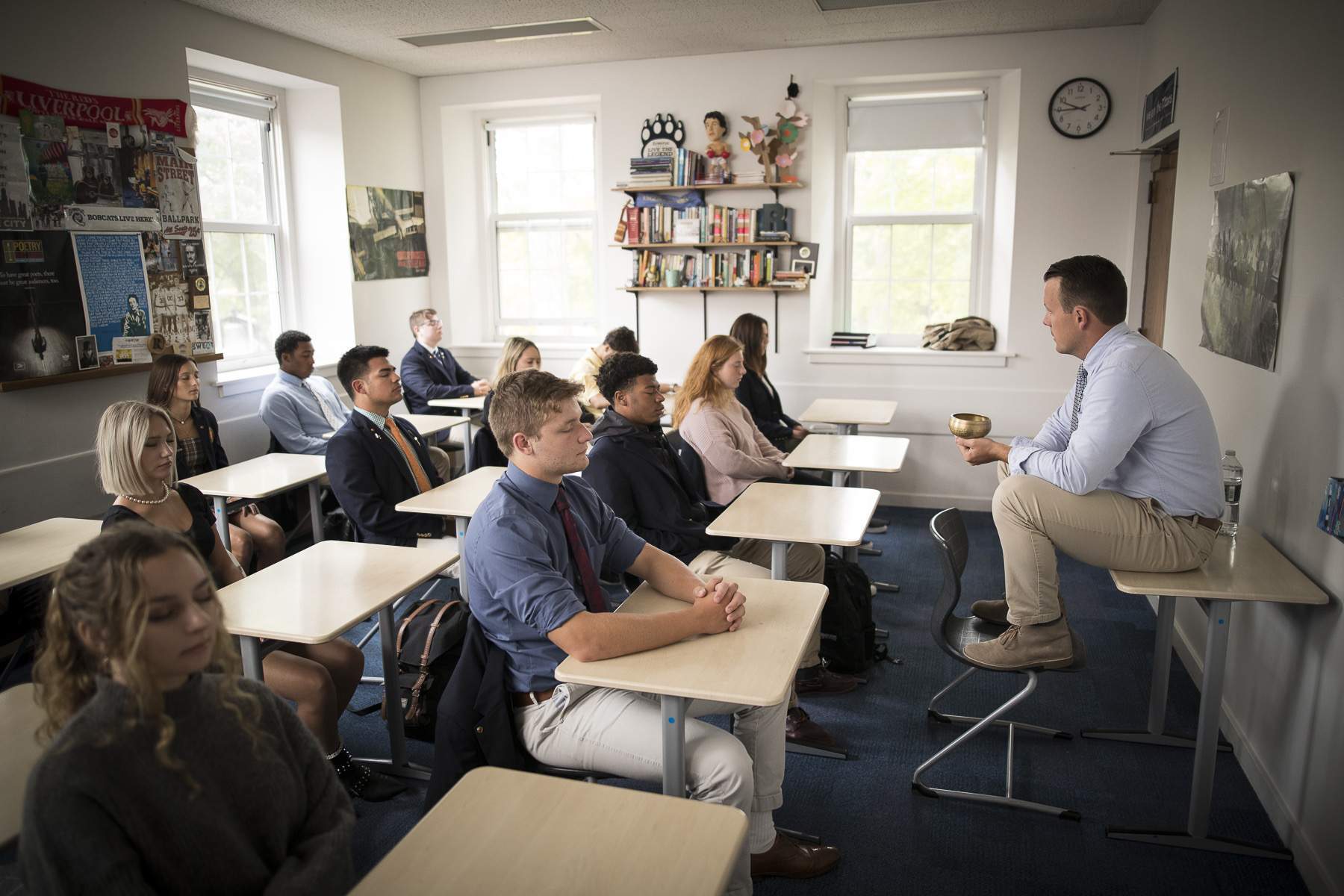
The personal benefits of the practice soon intersected with a profound institutional tragedy. In 2018, the Wilbraham & Monson community experienced the loss of two young alumni to suicide, prompting a student-led mental health awareness initiative. When a student spoke at an all-school assembly regarding mental health resources, Rosenbeck joined him to present mindfulness as a viable cognitive tool for managing stress and anxiety.
The presentation caught the attention of Brian Easler, the school’s Head of School and a former Army Ranger, who recognized the immediate need for structured mental health support on campus. Easler funded Rosenbeck’s training through the Boston Buddha (instructor Andy Kelley), officially integrating mindfulness education into the prep school’s curriculum. This partnership marked the foundational phase of Rosenbeck’s broader mission: bridging the gap between clinical mental health resources and everyday populations who might otherwise dismiss mindfulness as inaccessible.
Chronology of Expansion: From Prep Schools to Correctional Facilities
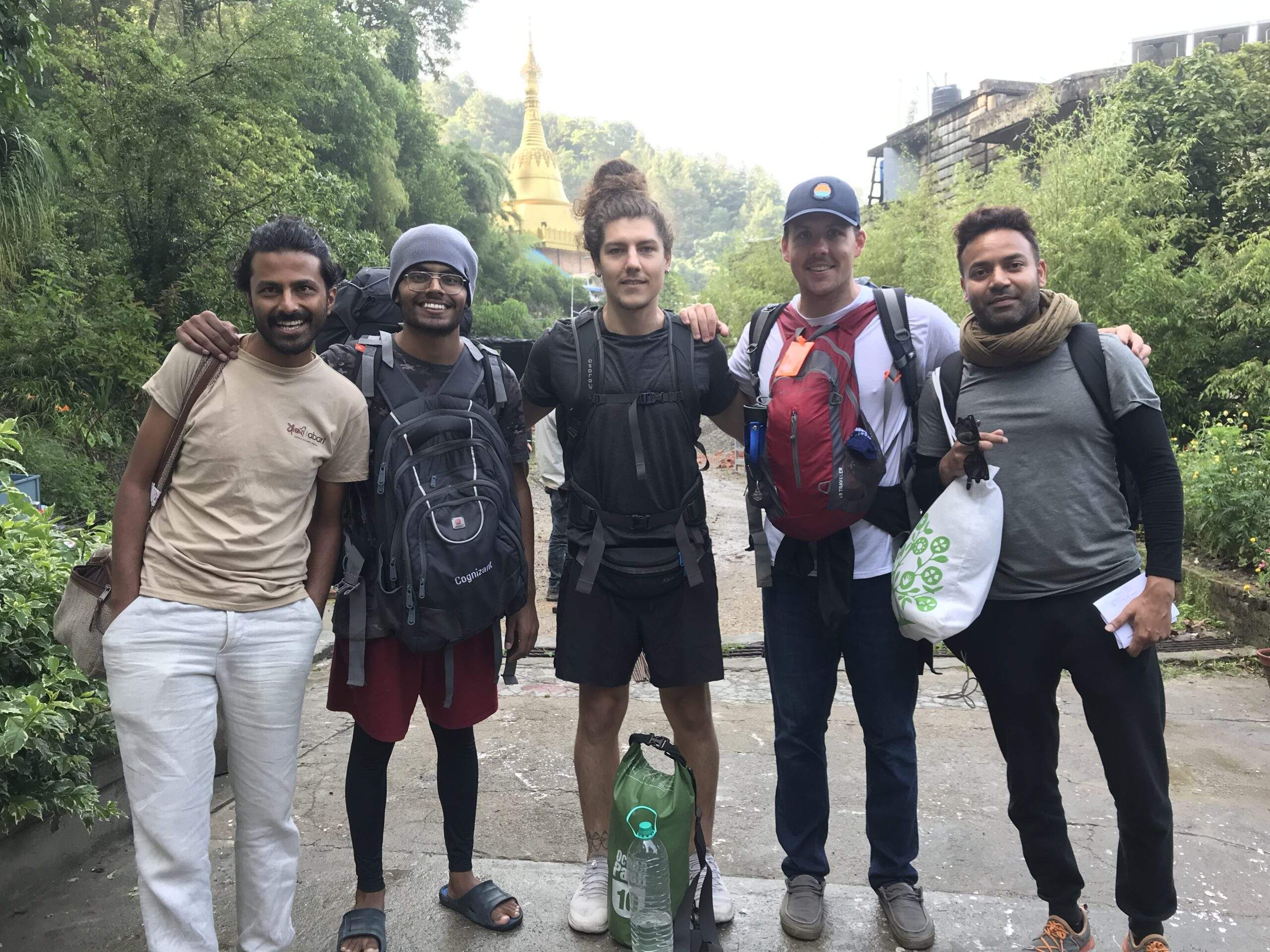
Following his certification in 2019, Rosenbeck sought deeper immersion in the practice, leading to his grueling ten-day Vipassana meditation retreat at the Dhamma Shringa Meditation Center in the Kathmandu Valley. The silent retreat tested his physical and psychological limits, reinforcing the core tenet of mindfulness: maintaining presence amidst discomfort.
Upon returning to Massachusetts, Rosenbeck expanded his instructional footprint. His high school elective, "Meditations in Literature," yielded measurable improvements in student behavior and stress management. Students reported notable reductions in panic attacks, improved sleep quality, and enhanced emotional regulation during high-stress scenarios.
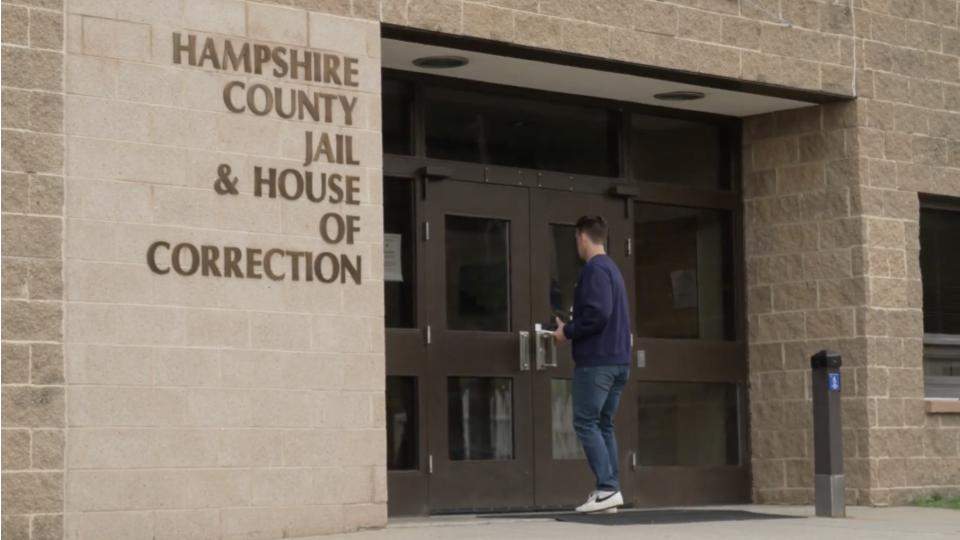
Encouraged by these outcomes, Rosenbeck set his sights on systemic institutional settings where stress and trauma are acutely prevalent. In late 2021, following a casual conversation that materialized into an immediate professional invitation, he began teaching meditation at the Hampshire County Jail & House of Corrections.
Operating within correctional environments presented unique logistical and psychological hurdles. Classes were routinely subjected to institutional disruptions, including lockdowns, the lingering effects of chemical deterrents in hallways, and the heavy emotional toll of incarcerated individuals receiving adverse legal updates. Despite these challenges, participant feedback indicated high levels of engagement. Inmates consistently rated the program as a vital component of their institutional routine, citing improved emotional control and self-awareness.
Supporting Data and Societal Implications
The demand for accessible mental health interventions in institutional and public safety sectors is supported by extensive psychological research. According to data from the National Institute of Mental Health (NIMH), anxiety disorders affect approximately 19.1% of U.S. adults annually, while incarcerated populations experience rates of psychological distress up to five times higher than the general public. Programs that introduce mindfulness into high-stress environments have demonstrated measurable reductions in cortisol levels, improved emotional regulation, and decreased recidivism risk factors.
Rosenbeck’s curriculum addresses these statistical realities by stripping away esoteric terminology, rendering the practice approachable for demographics—such as law enforcement officers, firefighters, senior citizens, and incarcerated individuals—that traditionally underutilize mental health services. By collaborating with municipal departments, treatment centers, and athletic organizations, his initiative addresses systemic burnout across multiple public sectors.
The World Meditation Day Road Trip and Documentary Impact
To synthesize these disparate environments into a unified proof of concept, Rosenbeck conceptualized the World Meditation Day Road Trip, executed on May 21, 2025. Documented by filmmakers Kayla Ebner and Aiden McDonald, the project captured a ten-hour, 130-mile journey across Western Massachusetts to lead ten distinct meditation sessions in ten unique locations.
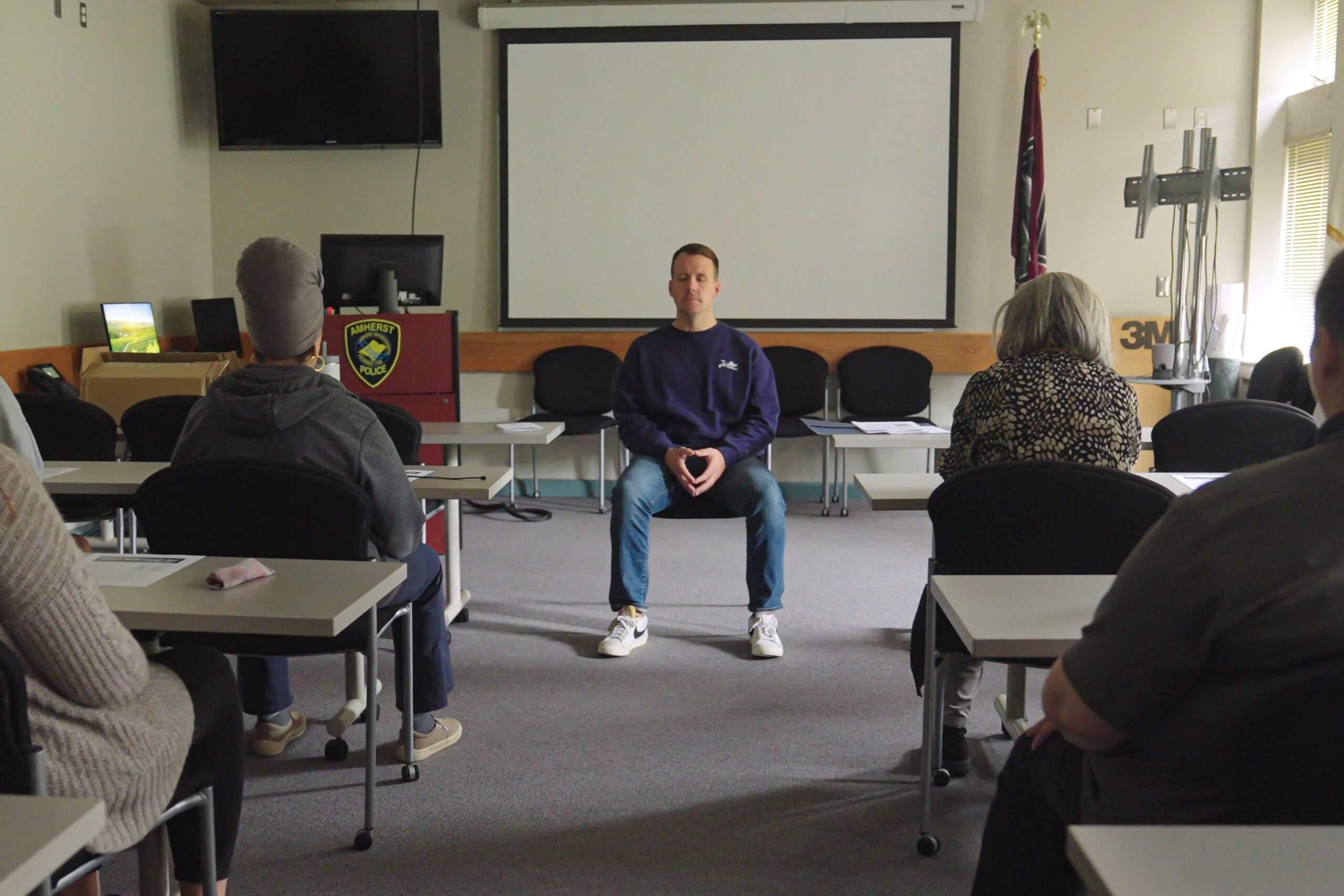
The itinerary reflected the breadth of Rosenbeck’s target demographic, encompassing senior centers, police stations, firehouses, schools, and corporate offices. The resulting 45-minute documentary, MELLOW: A Meditation Road Trip, served as both a sociological experiment and a visual essay on human commonality.
"Under the yellow lights of Pleasant View, it came into sharp focus that whatever space the practice brings us to exists the same for young and old, student and teacher, jailed and jailor," Rosenbeck noted regarding a session at a local senior center.
The documentary received critical recognition, earning a Merit of Awareness Winner designation for the 2026 Awareness Film Festival.
Future Outlook and Professional Landscape
Despite the critical acclaim surrounding his documentary and educational initiatives, Rosenbeck’s trajectory underscores the economic realities faced by independent mental health advocates. Balancing a full-time schedule of adjunct college teaching, yoga instruction, and retail employment, his professional life mirrors the economic precarity common among independent wellness educators.
Nevertheless, the institutional expansion of The Mellow Elephant points toward a broader cultural shift. As public agencies, correctional facilities, and educational institutions increasingly recognize the necessity of mental skills training, programs that democratize mindfulness are transitioning from alternative wellness trends to essential components of public health infrastructure. Through continued outreach, Rosenbeck’s work demonstrates that the fundamental mechanisms of presence and emotional regulation remain universally accessible, regardless of physical or social boundaries.