 Indra Kusuma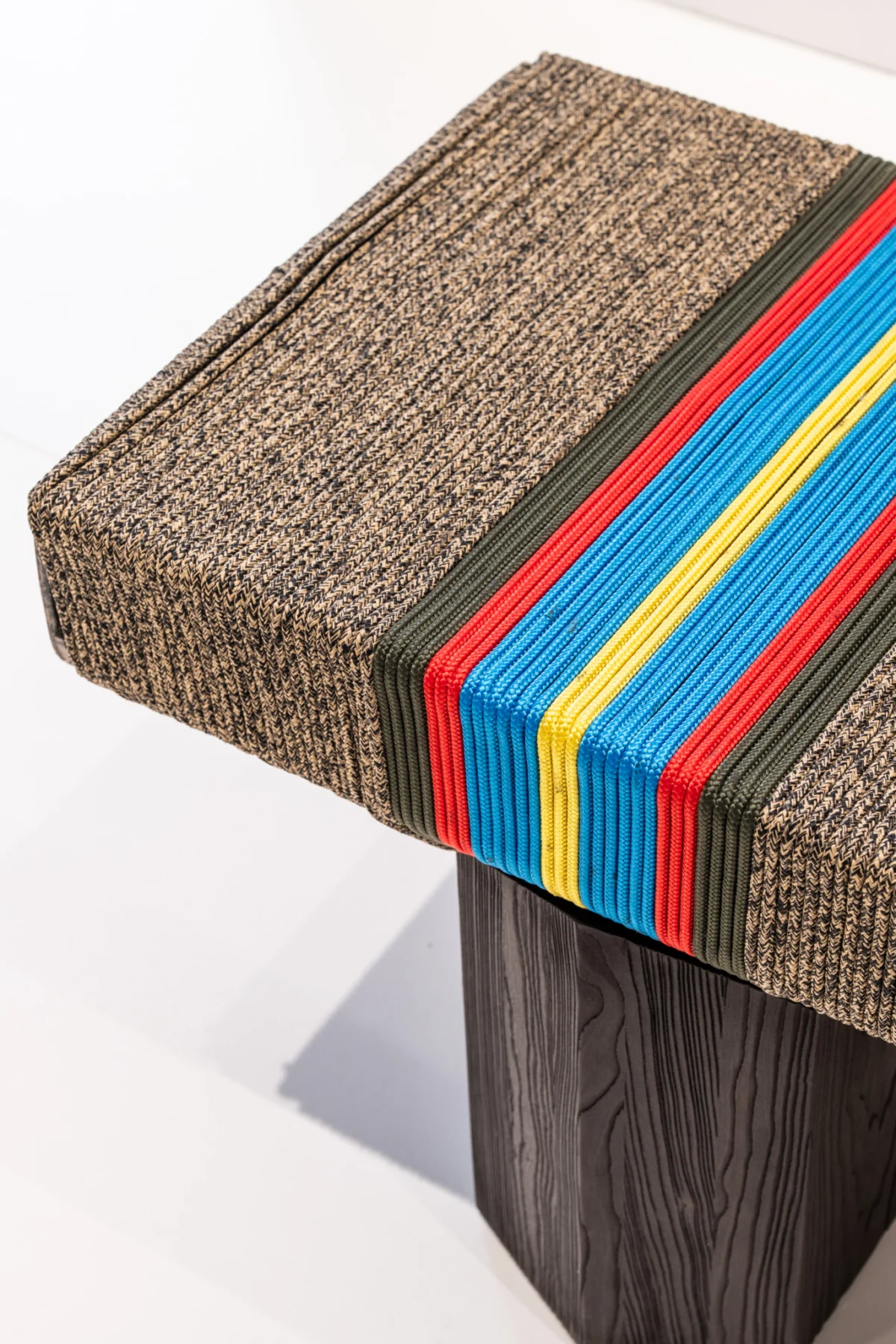
The global design community converged on the outskirts of Paris this September for the latest edition of Maison&Objet, the biannual trade fair that serves as a definitive barometer for international trends in interior architecture, decor, and industrial design. Among the sprawling exhibitions and thousands of commercial displays, a singular, curated pavilion commanded significant attention: the Rising Talent Awards. For the 2026 edition, the spotlight was turned exclusively toward South Africa, presenting a cohort of seven designers and studios whose work synthesizes deep-rooted cultural heritage with the technical demands of contemporary, global-facing production.
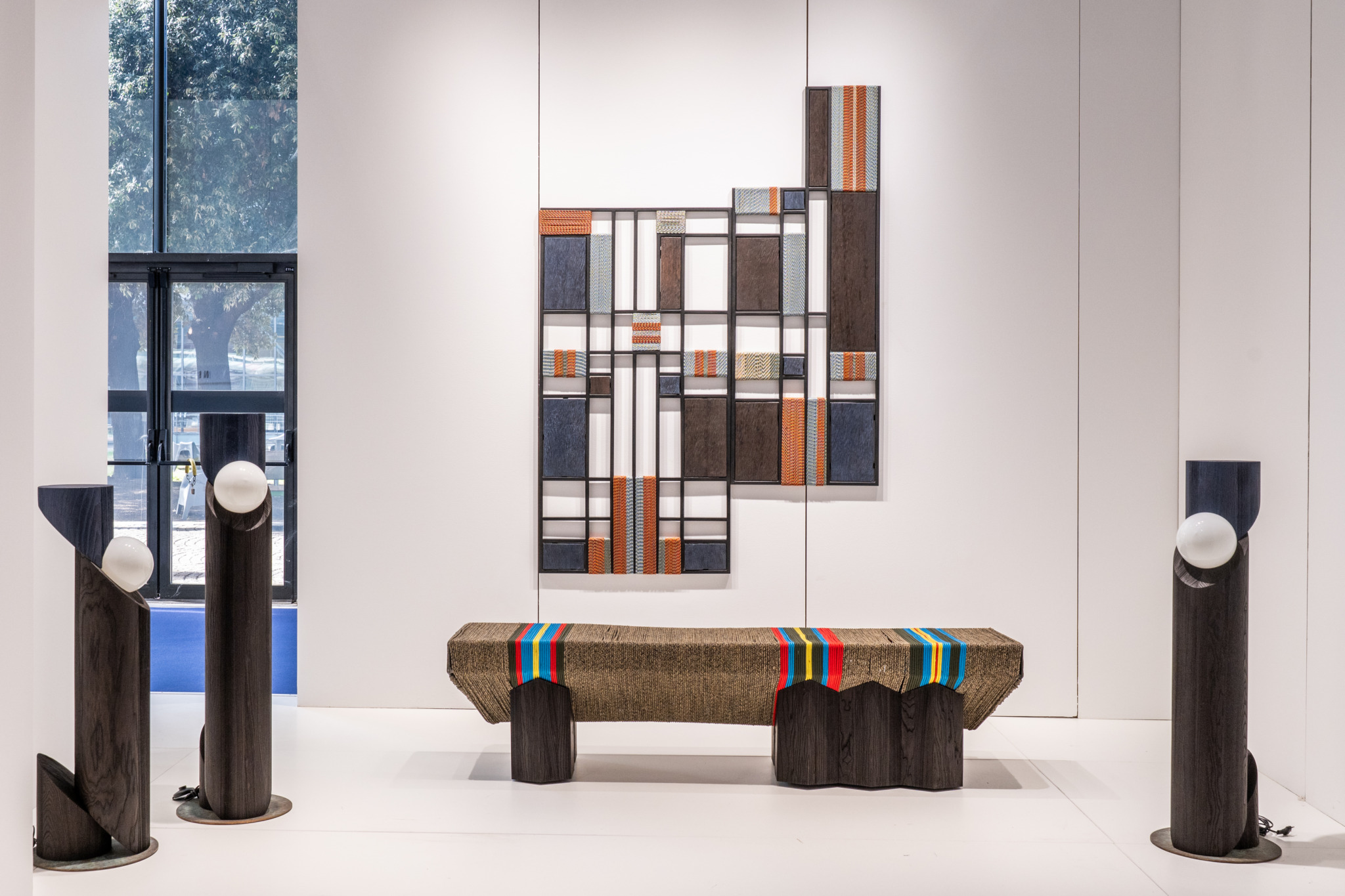
Maison&Objet, founded in 1995, has long functioned as a vital nexus for industry professionals—including architects, interior designers, and retail buyers—to discover emerging voices. The Rising Talent section acts as a strategic intervention within the fair, distilling the overwhelming scale of the event into a focused exploration of a specific national design language. By partnering with Decorex Africa for this iteration, the organizers sought to move beyond the aesthetic exoticism often associated with African design, instead presenting a nuanced portrait of a country defined by architectural rigor, environmental consciousness, and a sophisticated dialogue between past and present.
A Chronology of South African Design Integration
The selection of South Africa for the 2026 Rising Talent Awards follows a decade of increasing visibility for the region’s creative industries. Since the late 2010s, events like Design Indaba and the growth of Decorex Africa have provided the infrastructure for a more organized export of South African talent.

The 2026 selection process, which began in early 2025, involved an intensive vetting phase conducted by a jury of high-profile industry figures. The panel included Alan Hayward and Garreth Van Niekerk, co-artistic directors of Decorex Africa and 100% Design Africa; interior architect and researcher Juliet Kavishe; acclaimed designer Thabisa Mjo; and interior designer Donald Nxumalo. This collaboration represents a structural shift in how European design fairs engage with emerging markets, moving from passive observation to active, collaborative curation.
Profiles in Innovation: The 2026 Cohort
The seven selected studios—Meetlo Studio, Studio Lloyd, Simphiwe Mlambo, NISH, DEFT Studios, Karlien van Rooyen, and Pinda Interior Design—reflect the diverse geography of South Africa, spanning Johannesburg, Cape Town, Durban, and the Eastern Cape.

Meetlo Studio, led by Oageng Manana and Tshegofatso Ramothibe, exemplifies the movement toward "cultural narrative" design. Their work, characterized by the Abadimu server, draws inspiration from ancestral traditions. For Manana, the objective is to translate indigenous methodology into functional furniture that meets modern standards of craft. By keeping carving and assembly in-house, the studio asserts control over its output, ensuring that the final object serves as a bridge between traditional customs and contemporary utility.
In contrast, Ashleigh Lloyd of Studio Lloyd represents the professionalization of artisanal techniques. Having built her reputation on large-scale commissions for luxury lodges and hospitality venues, Lloyd is now pivoting toward the residential market. Her use of crochet—traditionally marginalized as domestic "women’s work"—to create structural forms from UV-protected, industrial-grade rope challenges the gendered perceptions of craft. This technical pivot, combining high-durability materials with soft-textile techniques, highlights a growing trend in South African design: the hybridity of industrial and manual processes.

Simphiwe Mlambo brings a background in interior design and construction to the table. His collection at Maison&Objet served as a poignant tribute to his grandmother, utilizing the visual language of traditional grass-weaving to inform modern, sculptural furniture. By adapting the color palettes and textures of traditional mats for a global market, Mlambo manages to maintain the "feeling of home" while ensuring his pieces function within high-end, minimalist interiors.
Tanisha Neill of NISH and Karlien van Rooyen offer two distinct approaches to material-led design. Neill, transitioning from a career in dance, views design through the lens of movement and rhythm. Her collaboration with a collage artist to create silk and wool rugs demonstrates an openness to fluid design processes. Van Rooyen, conversely, draws upon her background in neuroscience and her experience as a free diver. Her ceramic and wooden sculptures, which resemble organic neural or aquatic structures, represent a move toward bio-mimicry in furniture design, utilizing African teak to create monumental, brutalist-inspired forms.

Finally, DEFT Studios (Martin Tallie and Zani Alberts) and Pinda Interior Design (Siyanda Mbele) round out the group with a focus on geometric precision. DEFT Studios, born out of the shift in architectural practice during the COVID-19 pandemic, treats furniture as "micro-architecture," focusing on pure form and woodworking. Siyanda Mbele, with his background in engineering, utilizes the rich symbolic history of Zulu and Ndebele patterns to dictate the form of his pieces, creating a dialogue between mathematical rhythm and cultural storytelling.
Data and Market Implications
The inclusion of these studios in a premier European venue carries significant economic weight. According to recent market reports on the global luxury furniture market, there is an increasing demand for "story-driven" products that offer transparency in supply chains and a connection to sustainable, localized materials.

South Africa’s design exports have historically faced barriers related to logistics and the perception of the continent as primarily a source of raw materials rather than finished goods. However, the 2026 Rising Talent Awards signal a departure from this trend. By showcasing products that are designed and manufactured locally, these studios are positioning themselves within the high-value, limited-edition, and bespoke furniture segments. This shift is essential for the long-term sustainability of the South African design industry, as it moves the focus from mass-market production to high-margin, artisanal craftsmanship.
The Institutional Response
The official partnership between Maison&Objet and Decorex Africa indicates a long-term commitment to this market. In statements released during the fair, the jury members emphasized that the selection was not merely based on aesthetic appeal but on the technical feasibility and scalability of the designs. Juliet Kavishe noted that the strength of the 2026 cohort lies in their ability to "codify culture"—meaning they have successfully turned ephemeral cultural practices into physical assets that can survive in an international commercial environment.

The implications for the broader South African design sector are twofold. First, it validates the "designer-maker" model, where the creator is also the primary manufacturer. Second, it encourages interdisciplinary collaborations, such as those seen in Neill’s work with collage artists or van Rooyen’s partnership with specialized woodworkers.
Broader Impact and Future Outlook
The 2026 Maison&Objet Rising Talent Awards will likely be remembered as a turning point for South African design on the global stage. By providing a platform for these seven studios, the event has effectively challenged the prevailing narrative of African design as purely traditional or decorative. Instead, the exhibition framed these designers as active participants in the future of global design, capable of integrating neuroscience, engineering, and architectural theory into their creative output.

As these designers return to their respective studios in Johannesburg, Cape Town, and beyond, the challenge will be to scale their operations without diluting the personal, artisanal quality that brought them to Paris in the first place. For the international market, the message is clear: South African design has entered a new phase of maturity, one characterized by intellectual rigor, technical mastery, and a sophisticated, contemporary identity that commands a place in the global luxury market.
The success of this exhibition sets a precedent for future collaborations. It suggests that for emerging markets to thrive in the global design economy, the focus must remain on the synthesis of traditional values and modern, professionalized production systems. As visitors left the halls of the Paris Nord Villepinte, the consensus was evident: the South African influence on the design world is no longer just a trend, but a permanent, evolving force.