
 Indra Kusuma
To understand the trajectory of global design, one must examine the work that consistently rises to the top of international competitive landscapes. Each year, the iF DESIGN AWARD serves as a definitive barometer for the state of creative industry standards, subjecting thousands of global projects to a rigorous, two-stage jury process. With a legacy spanning more than seven decades, the award has evolved into more than a simple accolade; it is a diagnostic tool that identifies the collective benchmark of contemporary design excellence and signals the direction in which the industry is moving.
A Legacy of Seven Decades
Founded in 1953 in Hanover, Germany, the iF DESIGN AWARD—originally known as Die gute Industrieform—was established to promote high-quality design for industrial products. Over the past 70 years, it has transformed from a regional exhibition into one of the world’s most prestigious design competitions. The organization has consistently adapted to the changing nature of the creative economy, expanding its scope from traditional industrial manufacturing to include complex digital ecosystems, service design, and sustainability-led architecture.
The competition’s longevity is rooted in its ability to remain relevant amidst rapid technological shifts. By continuously adjusting its categories to mirror global market demands, the iF DESIGN AWARD remains a vital record of how design has transitioned from a purely aesthetic function to a strategic, problem-solving discipline that addresses some of the world’s most pressing socio-economic challenges.
The Anatomy of the Evaluation Process
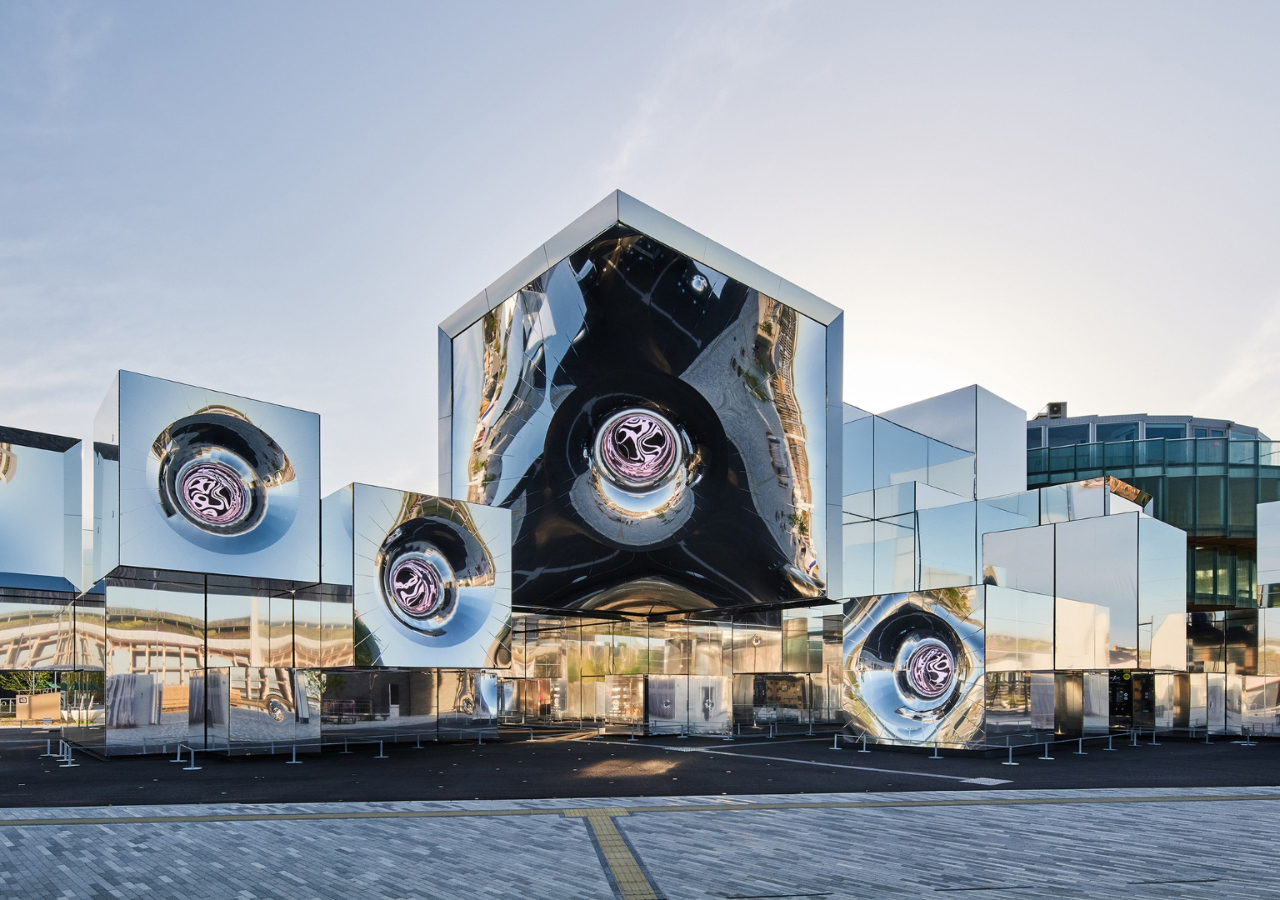
The strength of the iF DESIGN AWARD lies in its sheer scale and the expertise of its jury. The competition encompasses 93 categories across nine core disciplines, including Product, Packaging, Communication, Interior Architecture, Professional Concept, Service Design, User Experience (UX), User Interface (UI), and Architecture.
The evaluation process is intentionally grueling. It begins with a digital pre-selection phase where entries are vetted against strict criteria, followed by a final, intensive judging session. More than 130 independent, international design leaders—ranging from architects and corporate design heads to digital strategists—participate in this process. This diverse panel ensures that no single regional or cultural bias dominates the results.
The criteria for success are multifaceted. Jurors are instructed to evaluate projects based on five pillars:
- Idea: The underlying concept and relevance of the project.
- Form: The aesthetic quality and visual execution.
- Function: The usability, efficiency, and performance.
- Differentiation: The project’s unique market position and innovative edge.
- Impact: The long-term societal, environmental, or economic influence.
Sustainability is no longer an optional attribute; it is a foundational requirement. In recent cycles, the jury has increasingly favored projects that demonstrate circularity, ethical material sourcing, and energy efficiency, signaling that environmental stewardship is now a prerequisite for "excellent" design.
Supporting Data and Industry Influence
The impact of receiving an iF DESIGN AWARD is measurable. Data from past winners indicates that the "iF" label serves as a powerful marketing asset, often correlating with increased brand visibility and market trust. According to industry analysis, firms that secure an award see a quantifiable boost in their ability to attract high-tier talent and negotiate premium contracts.
Michael Seum, Vice President of Global Design at Kohler Co., has frequently cited the importance of such validation. He characterizes the award as a "powerful endorsement" of a company’s design vision, noting that the jury’s seal of approval provides external validation for the strategic investment in R&D and creative teams. For major corporations and independent studios alike, this recognition acts as a competitive differentiator in a crowded global marketplace, effectively placing the recipient in the top percentile of design execution worldwide.

The Global State of Design: 2026-2027 Trends
Analysis of recent winning portfolios reveals several shifting paradigms. There is a marked move away from "minimalism for the sake of minimalism" toward "meaningful functionalism." In the UX and UI sectors, the focus has shifted toward accessibility and ethical AI integration, while in architecture, the focus is squarely on adaptive reuse and biophilic design.
These winners act as a barometer for where the industry is heading. When a winning interior design project in a Scandinavian market shares similar design philosophies with a digital service in Southeast Asia, it indicates a global convergence in how problems are solved. These projects suggest that the new standard of design is characterized by empathy, resource efficiency, and a seamless integration of digital and physical touchpoints.
Implications for the Creative Sector
For design studios, agencies, and in-house creative departments, the competition is an opportunity to stress-test their work against the global benchmark. The implication of winning is profound: it moves a brand from a local contender to an international authority.
The competition does not just celebrate the "final product"; it celebrates the process. By forcing entrants to articulate their design intent against a set of rigorous criteria, the iF DESIGN AWARD encourages a higher level of documentation and strategic planning within the creative industry. This helps elevate the professional standards of the field as a whole, as designers are compelled to justify their choices in terms of sustainability, user impact, and innovation.
Call for Entries: The 2027 Cycle
The 2027 cycle of the iF DESIGN AWARD is now open, offering a structured window for participants to submit their work. The competition maintains a two-tier entry structure to accommodate different project timelines and budgetary requirements.
Chronology of Key Deadlines:
- Regular Entry Deadline: September 18, 2026. This period is priced at €400 per entry, providing a cost-effective opportunity for those who plan ahead.
- Late Entry/Last Chance Deadline: November 2, 2026. Priced at €500 per entry, this window serves as a final opportunity for those who need more time to refine their case studies or finalize their project documentation.
Participants are encouraged to register early to initiate the documentation process, which allows for a more comprehensive presentation of their work to the jury. Once registered, applicants can submit basic project information and gradually complete their full entry documentation before the final cutoff date.
Conclusion: Measuring Excellence
The iF DESIGN AWARD remains a constant in a volatile creative landscape. By holding the line on quality for over 70 years, it provides a stable framework for evaluating what constitutes "good" design in a rapidly changing world. Whether through the innovative use of materials in physical products or the sophisticated architecture of digital interfaces, the award highlights the projects that are defining the future.
As the industry looks toward 2027, the challenge for designers is clear: excellence is no longer defined by aesthetic flourish, but by the responsible, innovative, and functional resolution of complex problems. For those who believe their work meets this standard, the iF DESIGN AWARD offers the ultimate platform to validate that claim and join the ranks of the designers shaping the next generation of global infrastructure, products, and experiences.
For further information regarding the categories, entry requirements, or to begin the registration process for the 2027 awards, designers and brands should visit the official iF Design portal. Engaging with the competition is more than a marketing exercise; it is a participation in the collective evolution of the global design discipline.