 Cintya Tara Annisa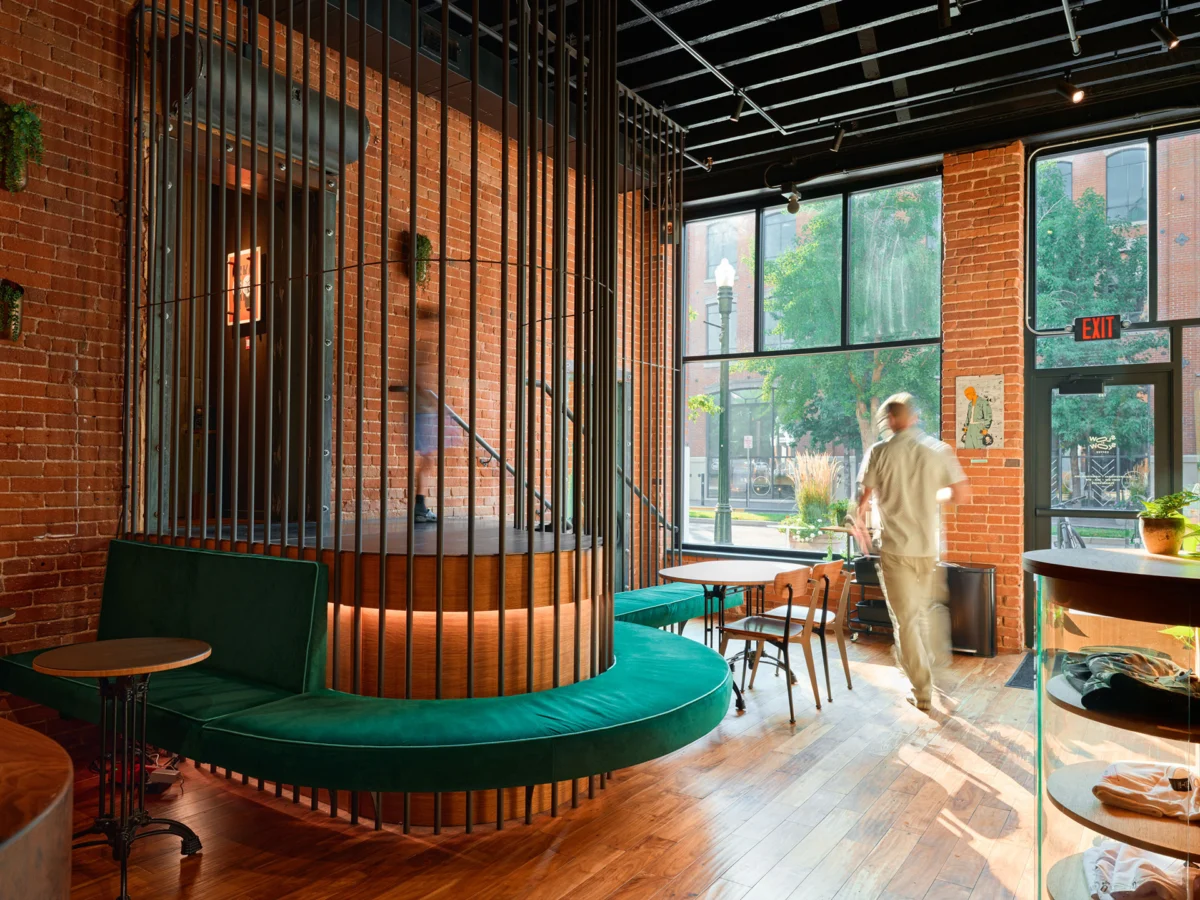
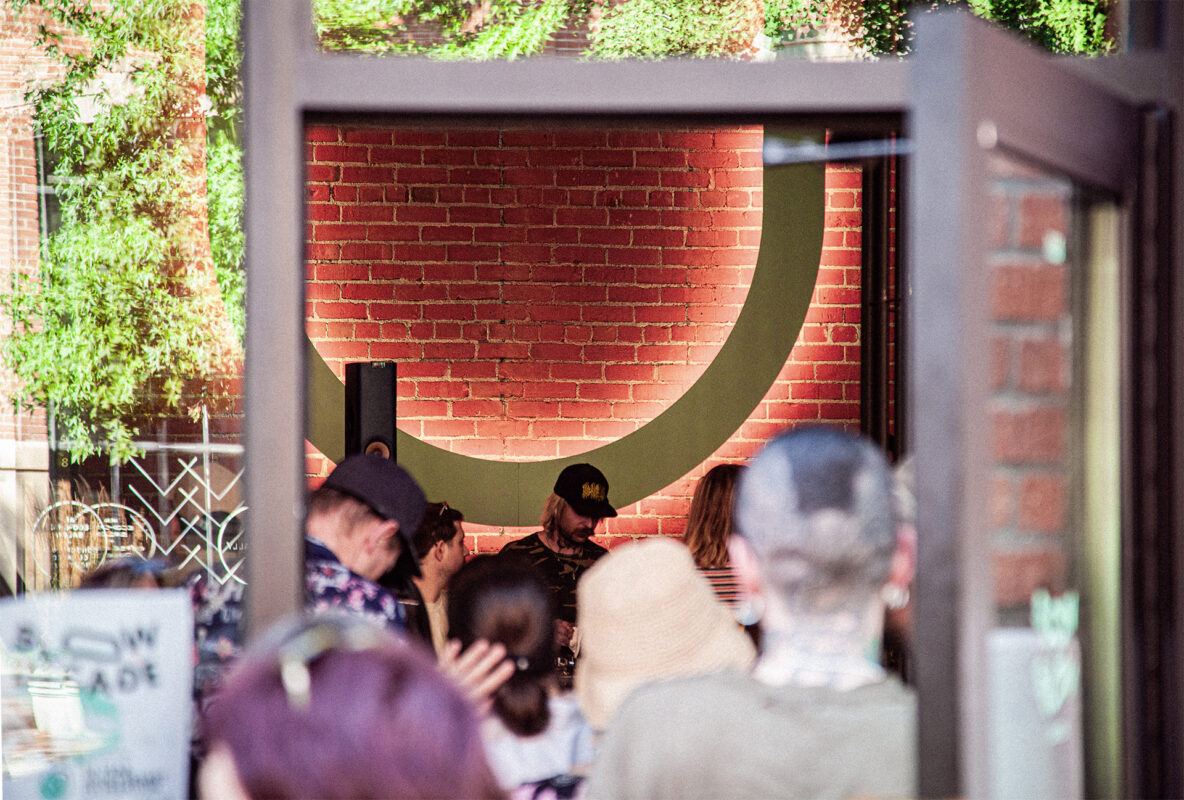
Boise, Idaho, has emerged as a significant nexus of creative energy and urban development within the Intermountain West. Over the last decade, the city’s historic downtown core and early 20th-century residential districts have undergone a profound transformation, characterized by an influx of artistic talent, high-growth business development, and a burgeoning hospitality sector. This rapid urbanization has fostered a sophisticated specialty coffee scene, with establishments like Slow by Slow serving as critical touchpoints for both residents and a growing demographic of visitors. As the city continues to lead national home sales growth metrics, its cultural infrastructure—highlighted by the internationally recognized Treefort Music Festival—has provided a fertile environment for specialty retailers to experiment with service models and architectural design.
A Decade of Evolution: The Growth of Slow by Slow
Founded ten years ago, Slow by Slow established itself as a premier multi-roaster coffee bar, operating under the philosophy that specialty coffee requires deliberate preparation and environmental consideration. The business recently marked its decennial milestone with a comprehensive renovation of its original location, a project that involved a complete structural gutting to reimagine the guest experience from the foundation up.
The evolution of the brand reflects a broader trend in the service industry: the need to balance premium, high-touch hospitality with the demands of an increasingly time-sensitive consumer base. Owner Ian Fadness and his design team, led by Eric Corbett and Gabe Watkins, identified a bifurcated audience. While a significant portion of their clientele sought an immersive, stationary coffee experience, another segment required the same quality of product delivered with greater efficiency. To resolve this, the company implemented a dual-concept strategy. In July 2026, the brand launched "Fast by Slow," a dedicated quick-serve counterpart located adjacent to the flagship site, effectively separating the "slow ritual" from the "express" service model while maintaining uniform quality standards.

Architectural Innovation and Design Philosophy
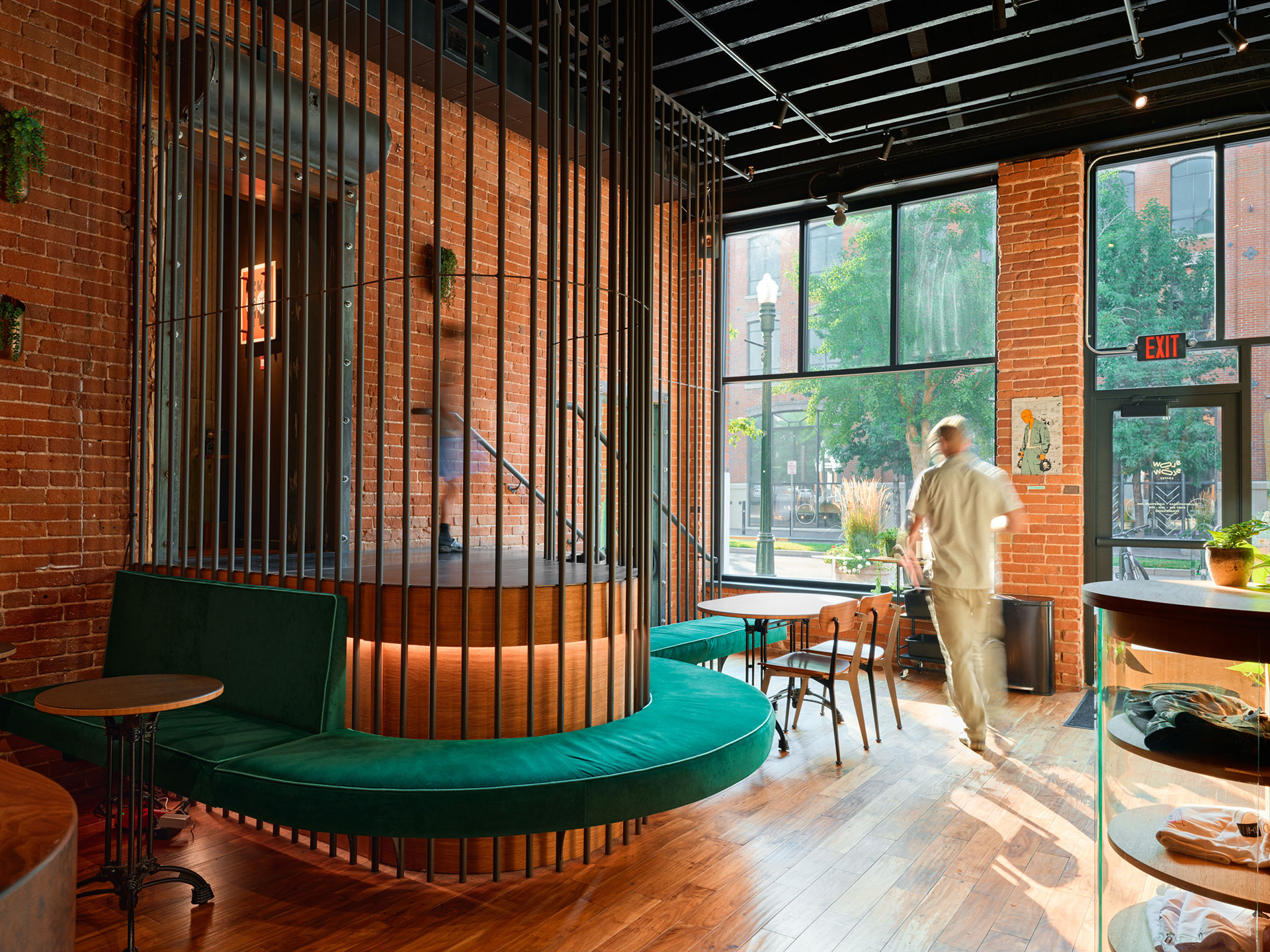
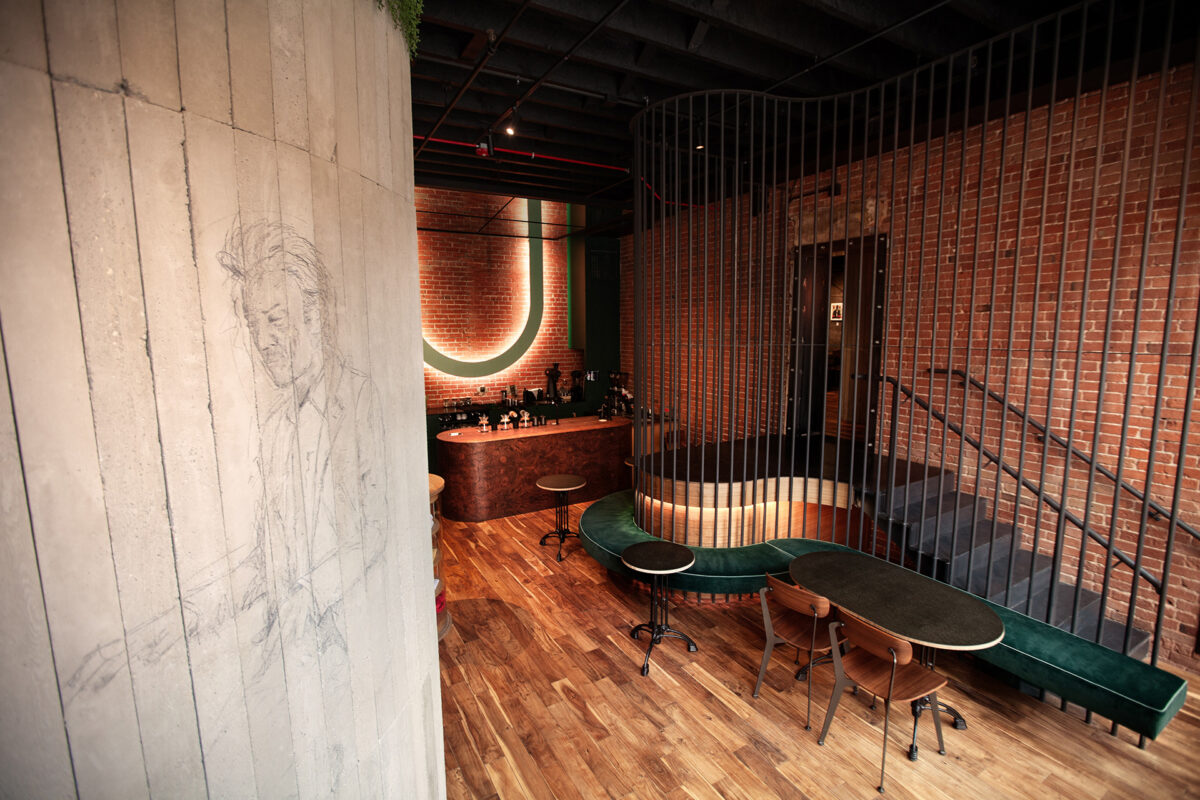
The redesign of the Slow by Slow flagship, which concluded in June 2026, has already garnered significant industry recognition, earning the Specialty Coffee Association (SCA) Design Award in the "Spaces" category. The architectural approach centered on the preservation of the building’s historic brick shell while integrating materials chosen for their longevity and patina, including walnut burl, raw steel, brass, and hand-poured concrete.
The interior layout was designed to encourage movement and social interaction. The brew bar, constructed in the shape of an elongated "O"—a symbolic reference to the brand’s focus on patience and time—functions as the central anchor of the space. Designers utilized a ceiling mirror to vertically extend the geometry of the bar, creating a visual paradox that directs the flow of the room. The inclusion of a piano-shaped stair tower, constructed from vertical steel rods, provides access to a quieter, mezzanine-level environment. This multi-level approach allows for a tiered guest experience, contrasting the high-traffic, social atmosphere of the ground floor with a more secluded, contemplative setting above.
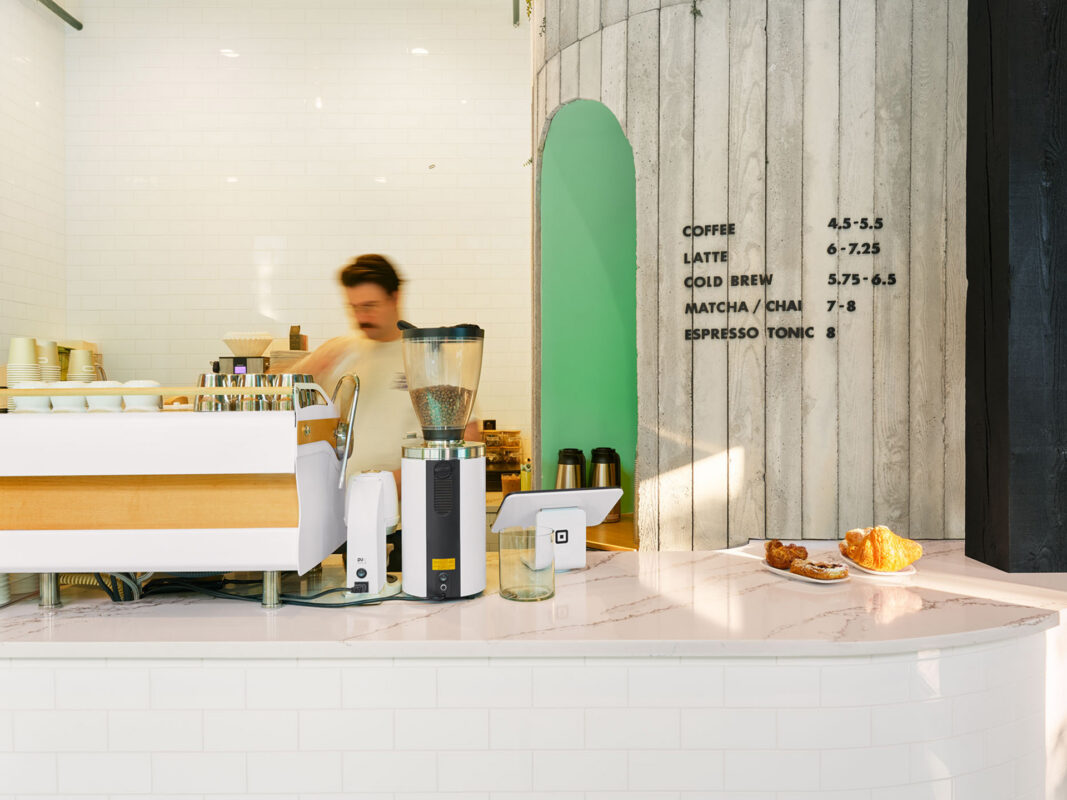
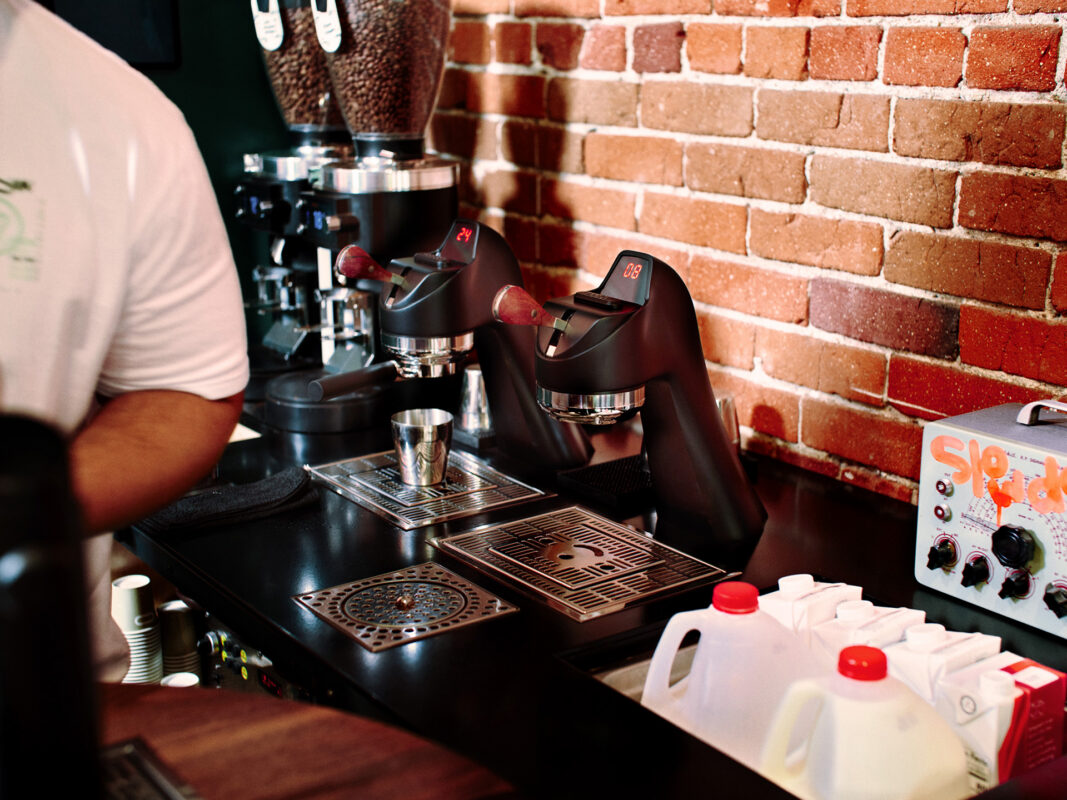
Technological integration was prioritized to reduce visual clutter. The bar utilizes Modbar under-counter modules, allowing for an unobstructed workspace. Furthermore, the incorporation of a hidden Weber Workshops EG-1 grinder—accessible via a custom-carved vortex in the bar top—serves as both a functional tool and a theatrical element designed to engage guests in the preparation process. To facilitate seamless information flow, the cafe installed NFC-enabled walnut and brass brew plates, allowing customers to access data regarding bean origin, brewing parameters, and promotional offers digitally, thereby eliminating the need for excessive signage or physical collateral.
Sustainability and Local Integration
The project’s commitment to sustainability is rooted in adaptive reuse and the utilization of local supply chains. By choosing to retain the existing brick structure, the developers avoided the carbon footprint associated with demolition and new construction. Material selection favored durability, with tabletops composed of recycled paper and bamboo composites, and custom ceramics produced by Boise-based Klei Ceramics.
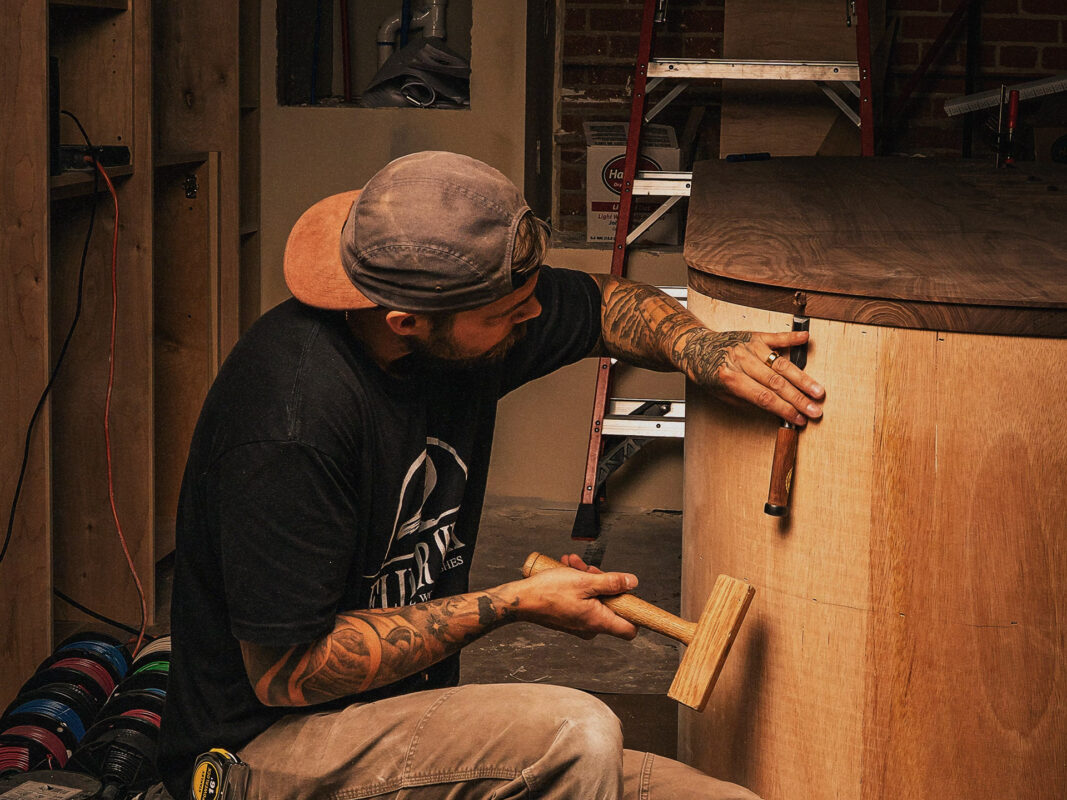
The design team, including Elijah Boysen of E.B. Woodworks, ensured that the vast majority of the shop’s furniture and fixtures were fabricated within the local community. This strategy served two purposes: it supported the local artisan economy and significantly reduced the environmental impact associated with long-distance logistics. The space is also designed for modularity; magnetic art frames and digital interfaces allow the cafe to evolve its aesthetic and informational content without necessitating future physical renovations. This focus on "future-proofing" is intended to ensure the space remains relevant as the community and the brand mature.
Economic and Cultural Context of the Boise Coffee Market
The expansion of Slow by Slow occurs against a backdrop of intense economic activity in the Treasure Valley. According to regional demographic reports, Boise has consistently ranked among the fastest-growing housing markets in the United States. This population growth has exerted pressure on local businesses to scale effectively.
The success of the "Fast by Slow" concept provides a case study in how independent operators can address the "convenience gap." By isolating the high-speed transaction flow from the high-engagement brewing process, the company has effectively mitigated the operational friction that often plagues specialty coffee shops during peak hours. This shift toward a specialized, multi-channel service model is increasingly common among third-wave coffee retailers looking to expand their market share without compromising their artisanal identity.
Furthermore, the involvement of local talent in the design and execution of the renovation—spanning from the initial architectural vision to the bespoke ceramic production—highlights a broader trend of "hyper-localism" in Boise’s business culture. This trend suggests that the city’s commercial development is becoming increasingly reliant on internal networks of creatives, craftspeople, and entrepreneurs, rather than outsourcing to national firms.
Official Perspectives and Future Implications
While the renovation was a massive undertaking, the leadership at Slow by Slow views the project as a necessary alignment between their long-term mission and their operational reality. The focus remains on the "multi-roaster" model, which serves as a platform to introduce global coffee trends to the Idaho market. By maintaining a scientific, test-driven approach to extraction and brewing, the shop ensures that the quality of the product remains consistent regardless of the service format chosen by the guest.
The recognition from the SCA is indicative of a broader shift in how the specialty coffee industry views "design." No longer seen merely as an aesthetic preference, interior design is increasingly recognized as a functional component of the coffee experience that dictates speed of service, customer behavior, and brand loyalty.
As Boise continues its trajectory of rapid development, the model established by Slow by Slow—balancing historical preservation, local craft, and a bifurcated service approach—offers a blueprint for other independent operators. By prioritizing the "slow" ritual while simultaneously providing the "fast" utility required by a modern urban population, the brand has demonstrated that the specialty coffee industry can successfully scale without sacrificing the core values of craft and consideration. The successful completion of this project in mid-2026 solidifies the shop’s position as a landmark institution in the Intermountain West’s evolving culinary landscape.