 Clara Fransiska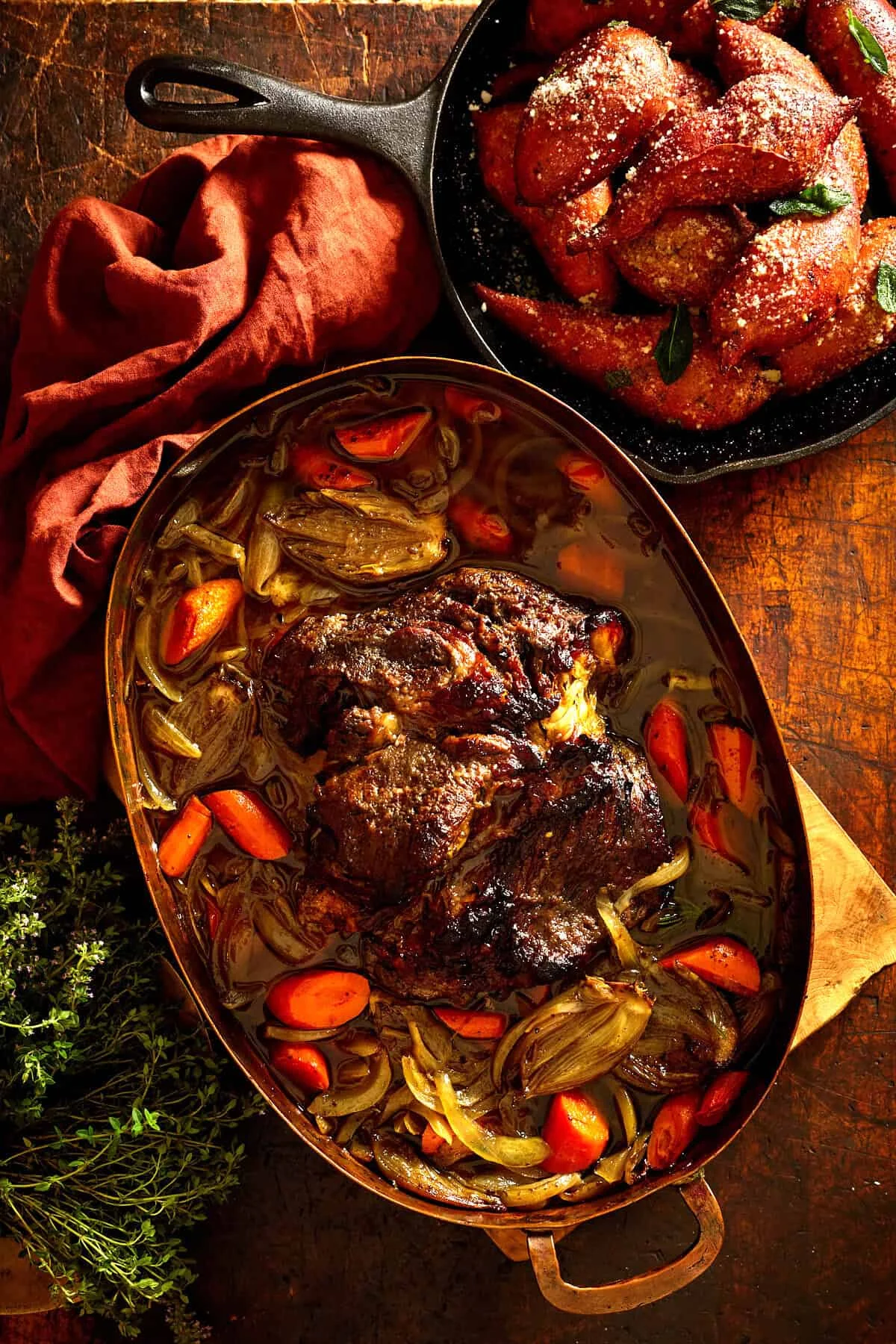
The tradition of the Sunday night dinner, long considered a cornerstone of domestic life, is undergoing a significant transformation as contemporary households attempt to reconcile the demands of modern professional schedules with the desire for meaningful communal experiences. Data from the American Time Use Survey indicates that the average American household spends less than 30 minutes in active meal preparation on a typical weekday, a trend that has increasingly encroached upon the weekend. However, recent culinary shifts suggest a deliberate pivot toward the "slow food" movement, with Sunday evenings serving as the primary window for restorative, labor-intensive cooking and family reconnection.
The Evolution of the Family Table
Historically, the Sunday dinner functioned as a mandatory gathering, a practice rooted in both religious observance and agrarian necessity. In the mid-20th century, the ritual was defined by a fixed, multi-course menu prepared over several hours. Sociological research from the Families and Work Institute suggests that the decline of this ritual in the early 2000s correlated with the rise of the dual-income household and the proliferation of on-demand digital entertainment.

Current trends indicate a "hybrid" model of dining. While families no longer adhere to the strict, formal structures of previous decades, there is a measurable uptick in interest regarding "experience-based" cooking. This is characterized by the integration of seasonal ingredients, such as fall-harvest produce, and an emphasis on the "game plan" approach—a logistical strategy designed to minimize the stress of hosting by breaking down preparations into manageable, multi-day phases.
Logistical Frameworks for Modern Entertaining
Professional chefs and lifestyle consultants increasingly advocate for a structured approach to weekend hosting, emphasizing that the barrier to entry for home-cooked meals is often organizational rather than skill-based. A successful Sunday dinner in the current climate typically follows a strict, three-day operational timeline:
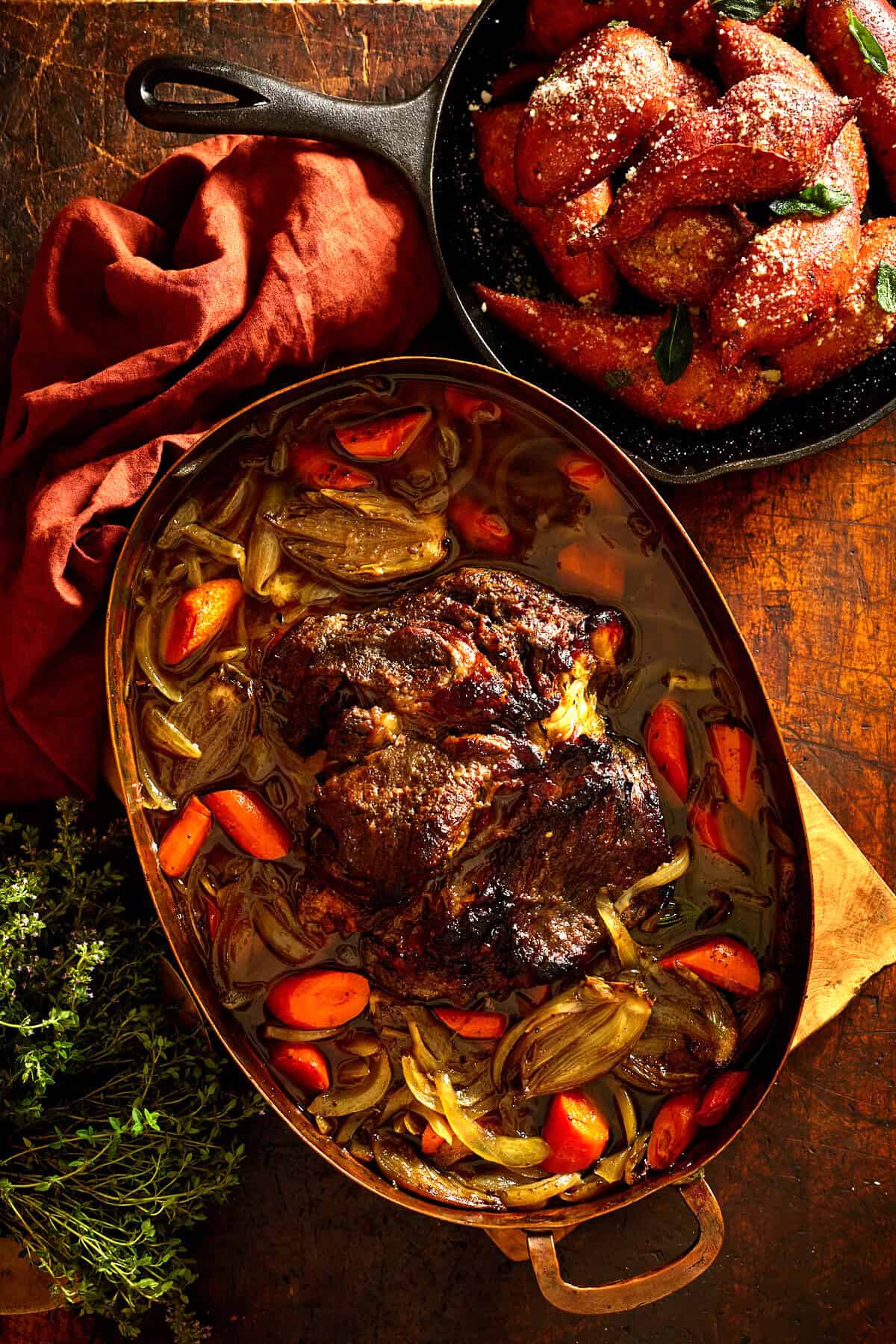
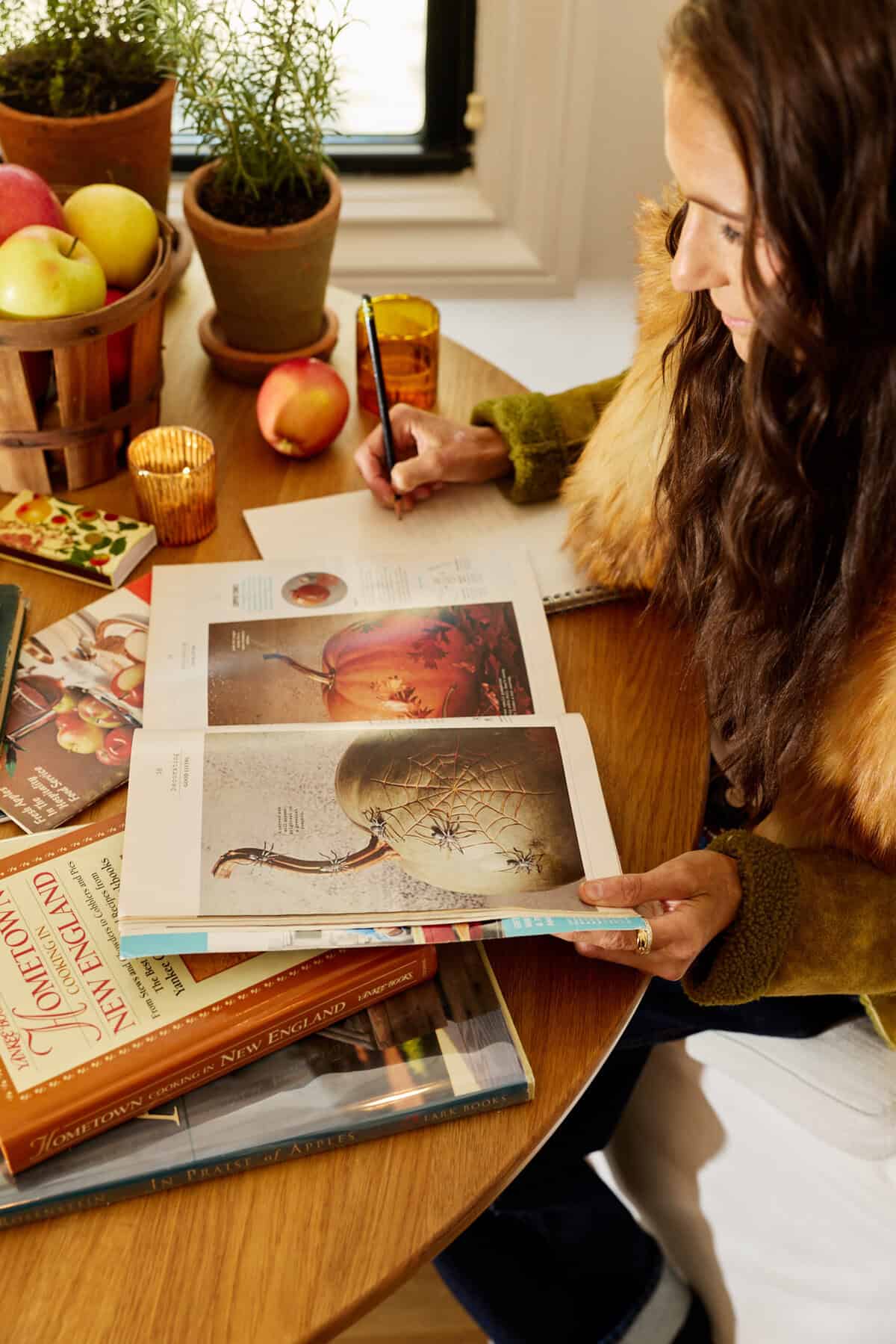
- Planning and Procurement (Friday/Saturday): The initial phase involves menu curation and inventory assessment. Experts recommend focusing on "anchor" dishes—such as slow-braised meats (e.g., cider-braised pot roasts)—that benefit from long, low-temperature cooking, which minimizes active kitchen time on the day of the event.
- Pre-Production (Saturday): Efficient hosts now utilize "mise en place" techniques for non-meat items, such as preparing vinaigrettes, baking desserts like apple cobblers or cider doughnuts, and prepping vegetables. This phase ensures that Sunday remains focused on assembly rather than intense labor.
- Execution (Sunday): The final day is reserved for roasting and plating. Culinary consultants suggest that the key to maintaining the "convivial atmosphere" of a Sunday meal is the removal of peripheral distractions. The growing popularity of "phone-free" dining policies during these meals reflects a broader cultural movement toward digital detoxification.
Economic and Culinary Implications
The shift toward deliberate, seasonal home dining has measurable economic implications. Market analysis of grocery and specialty food retailers shows an increased demand for high-quality, raw ingredients—such as heirloom vegetables, artisanal ciders, and locally sourced meats—as consumers trade restaurant expenditures for premium home-cooking experiences.

From a nutritional standpoint, the return to scratch-made meals offers significant benefits. According to the Journal of Nutrition Education and Behavior, individuals who participate in regular, home-prepared family meals report higher consumption of fruits and vegetables and a lower intake of ultra-processed foods. Furthermore, the psychological impact of these gatherings is significant; longitudinal studies have consistently shown that consistent communal dining fosters stronger interpersonal bonds and serves as a vital stress-reduction mechanism for working adults.
Strategic Shortcuts and the "Smart" Host
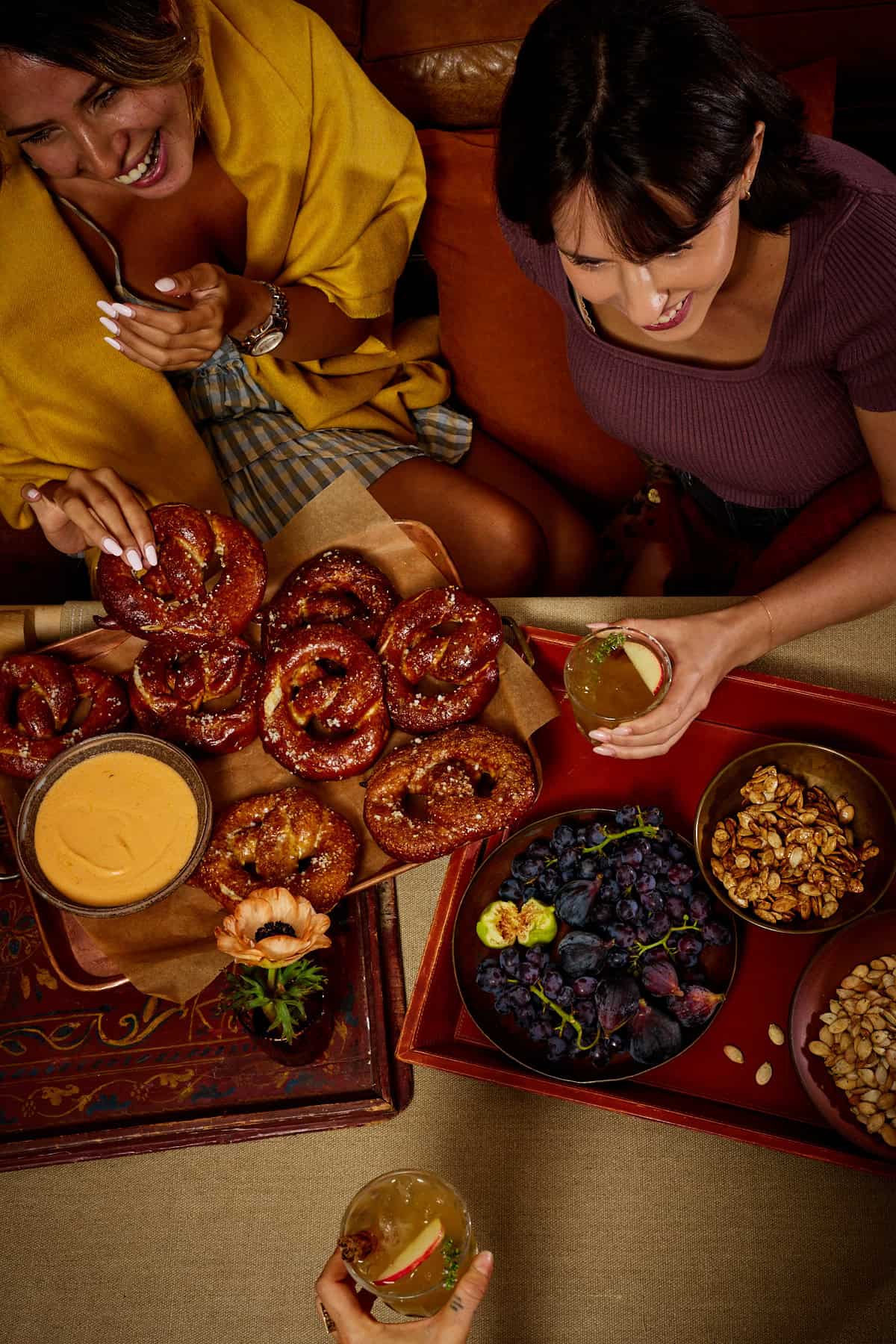
While the aspiration for a traditional Sunday dinner is high, the modern host must navigate significant time constraints. Industry experts emphasize that "cheating" with high-quality store-bought items—such as artisanal pretzels, farmstand-sourced doughnuts, or pre-made confections—is a vital tool in maintaining the sustainability of the practice.
The philosophy of the modern Sunday dinner is not perfection, but participation. By focusing on one or two "hero" dishes—such as a pot roast that serves as the centerpiece of both protein and vegetable consumption—the host can significantly reduce the cognitive load of hosting. This strategy acknowledges that the primary goal is the creation of a restorative environment, rather than a performative culinary display.
Professional Perspectives on Social Dining
"The value of the Sunday dinner lies in its role as a rhythmic anchor," notes Dr. Elena Vance, a sociologist specializing in domestic rituals. "When the workweek begins, the psychological residue of a shared, intentional meal on Sunday provides a buffer against the stressors of the following days. It is not merely about the food; it is about the re-establishment of the social contract within the family unit."

From a culinary design perspective, the trend is moving toward "low-stress, high-impact" menus. The current favored menu architecture includes:

- A Welcome Beverage: Often a seasonal sangria or non-alcoholic cider infusion to facilitate an immediate transition from the stress of the day to a relaxed state.
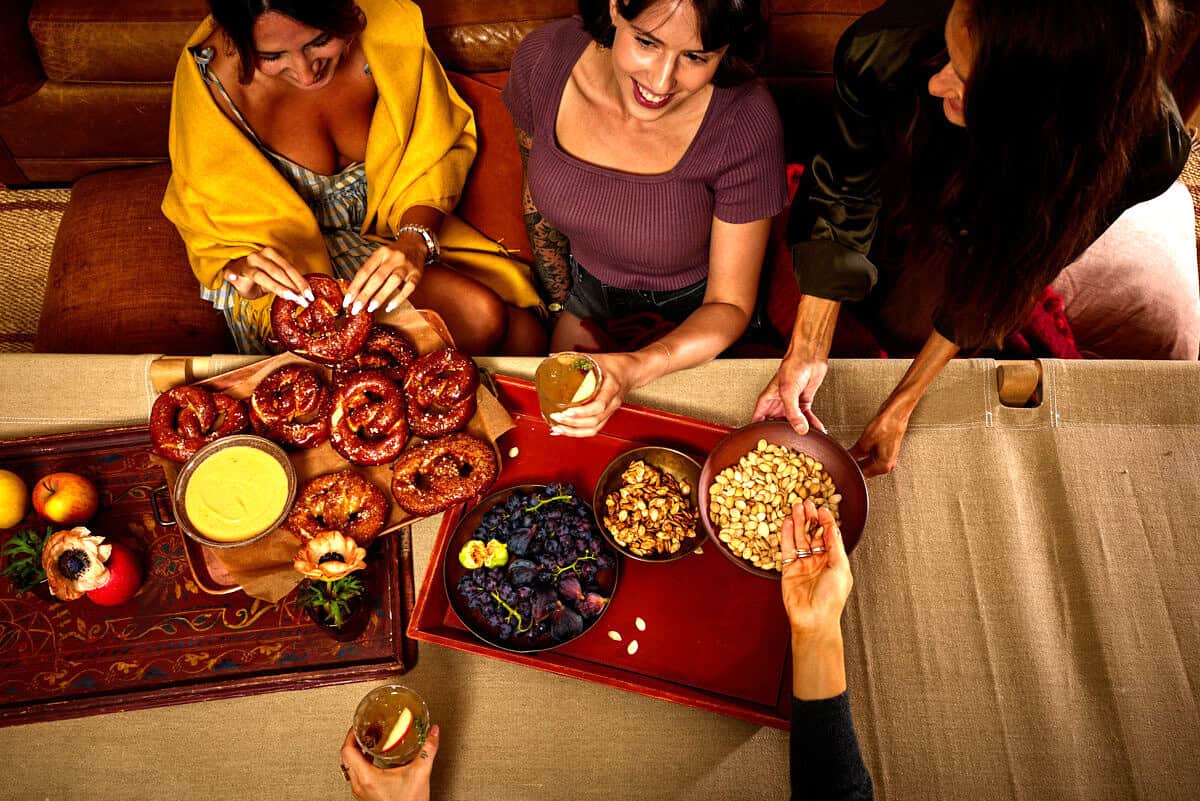
- The Shared Appetizer: Items like soft pretzels with savory dips serve to encourage casual, standing conversation before the seated meal begins.
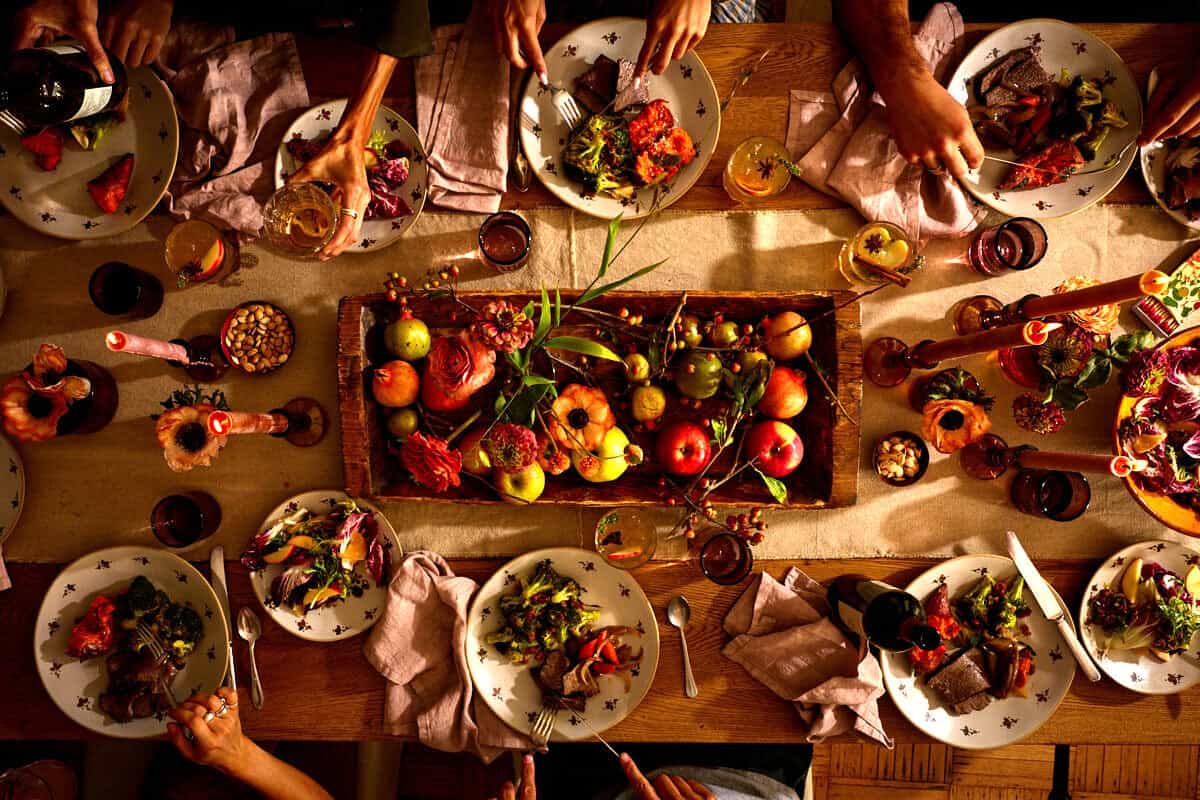
- The One-Pot Entrée: Dishes that integrate multiple food groups—such as a braised roast with root vegetables—simplify cleanup and service.
- The "Zero-Prep" Dessert: Simple baked fruits or warmed sweets paired with high-quality dairy, which allow for a comforting conclusion to the meal without requiring additional technical skill.
Future Outlook and Societal Impact
As we move further into the 2020s, the role of the home as a center of social production is likely to expand. The "Sunday Night" phenomenon is a rejection of the fragmented, distracted dining patterns that defined the early digital age. By reclaiming the dinner table, households are engaging in a form of quiet resistance against the "always-on" culture of the modern professional environment.
While the logistics of these meals—the prep lists, the grocery runs, the table settings—may appear mundane, they represent a conscious choice to prioritize human connection over convenience. As families and social groups continue to refine these practices, the Sunday dinner will likely remain a crucial, albeit evolving, pillar of social health. The trend suggests that in an increasingly complex world, the most radical and restorative act one can perform is to slow down, cook, and sit together.