 Cintya Tara Annisa
The specialty coffee industry continues to undergo a rapid transformation, driven by advancements in post-harvest processing, a heightened focus on equity-based sourcing, and an evolving consumer palate that increasingly prioritizes single-origin traceability. As the global demand for high-quality, ethically sourced beans climbs, the role of independent roasting houses becomes paramount in bridging the gap between smallholder farmers and the end consumer. Each week, industry leaders and specialized roasting partners provide data-driven insights into the most significant offerings currently hitting the market. These selections represent a synthesis of traditional cultivation techniques and modern experimental methodologies, such as anaerobic fermentation and thermal-shock processing.
The Evolution of Coffee Processing and Market Trends
The contemporary specialty coffee market is characterized by a departure from commodity-grade trading toward high-value, transparent supply chains. Historically, the coffee industry relied heavily on standardized washed or natural processing methods. However, the current landscape reflects a pivot toward precision agriculture and post-harvest innovation. Roasters are now emphasizing "experimental" lots, which utilize controlled fermentation environments to manipulate the chemical composition of the coffee cherry.
Data from the 2026 industry reports indicate that anaerobic fermentation—a process where oxygen is restricted during the breakdown of coffee sugars—has become a cornerstone of premium coffee production. This technique, while technically demanding, allows for the development of flavor profiles that were previously considered impossible, such as the wine-like acidity found in recent Rwandan imports and the tropical fruit notes emerging from Indonesian growing regions.
Featured Offerings: A Global Perspective
The following selections represent the current market standard for quality and ethical sourcing. These coffees have been vetted based on their score, processing transparency, and environmental stewardship.
Experimental and Innovative Processing
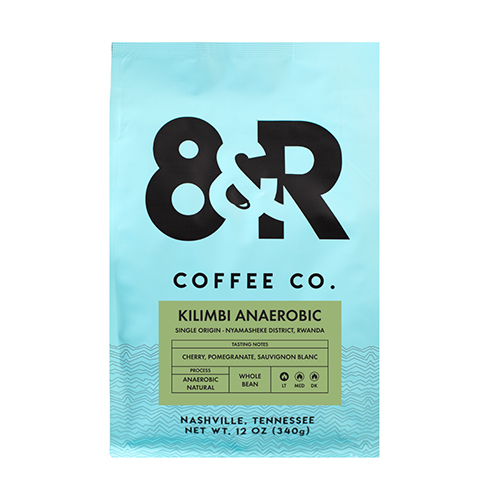
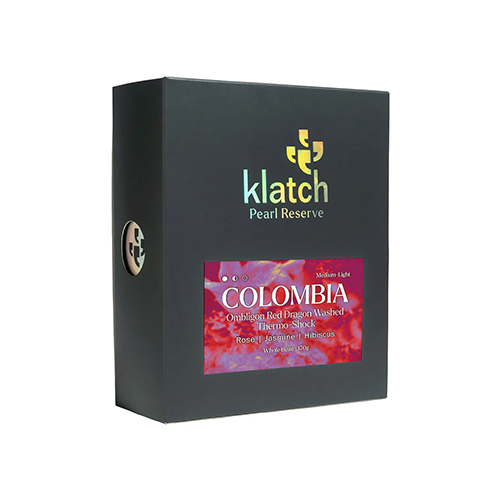
Innovation in fermentation is currently the primary driver of value-added pricing for producers. 8th & Roast Coffee Co. has highlighted the Kilimbi Anaerobic from Rwanda, which exemplifies the shift toward meticulous sorting and slow, controlled drying. This processing method, which emphasizes cleanliness and consistency, is essential for maintaining the integrity of the bean’s inherent terroir. Similarly, Klatch Coffee’s recent introduction of the Colombia Ombligon Red Dragon Washed Thermo-Shock represents the cutting edge of post-harvest science. The thermal-shock process, which involves rapid temperature changes to manipulate cellular structure during fermentation, has resulted in a 96-point rating from industry analysts, setting a new benchmark for experimental categories.
The Rise of Community-Based and Women-Led Initiatives
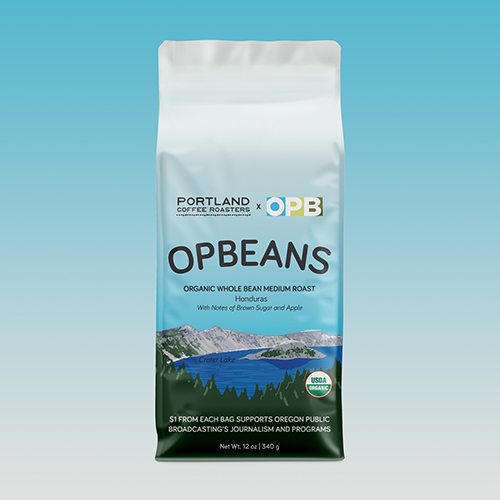
Beyond processing, the industry is seeing a structural shift toward social equity. Programs such as the Café Feminista initiative by Joe Coffee Company represent an industry-wide effort to reduce barriers for women in coffee-producing nations. By prioritizing coffees from women producers who challenge systemic inequality, roasters are not only providing a premium product but are also supporting the long-term sustainability of the global coffee workforce. This trend is mirrored in the collaboration between Portland Coffee Roasters and Oregon Public Broadcasting, which resulted in the OPBEANS project—a 100% women-produced, organic offering from Honduras.
Regional Highlights and Terroir
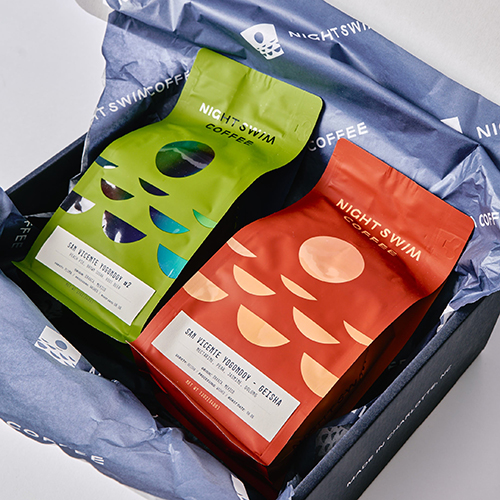
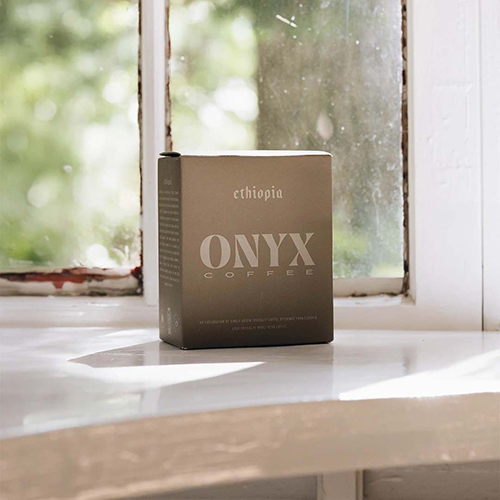
Geographic specificity remains the bedrock of specialty coffee. In the Oaxaca region of Mexico, Night Swim Coffee’s Oaxacan Box Set provides a comparative study between the indigenous Pluma varietal and the Geisha varietal. This type of educational offering allows consumers to understand how genetics and micro-climates dictate flavor profiles. Meanwhile, in Ethiopia, the Agaro region continues to dominate the early-harvest market. Onyx Coffee Lab’s Ethiopian Agaro Yukro G1 is notable for its longevity and clean profile, providing a consistent standard for the summer coffee programs of 2026.
Chronology of Market Arrival and Seasonal Cycles
The specialty coffee market operates on a strictly seasonal basis, dictated by harvest cycles in the Northern and Southern Hemispheres.
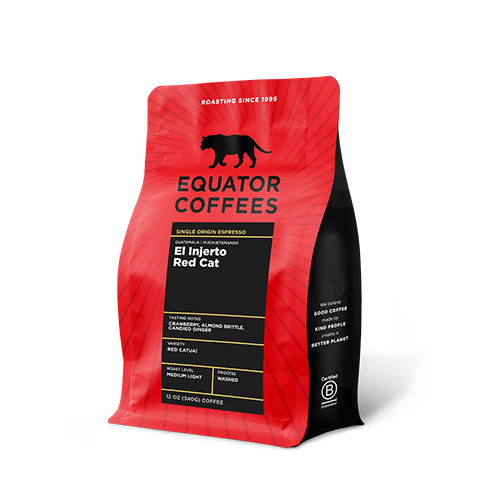
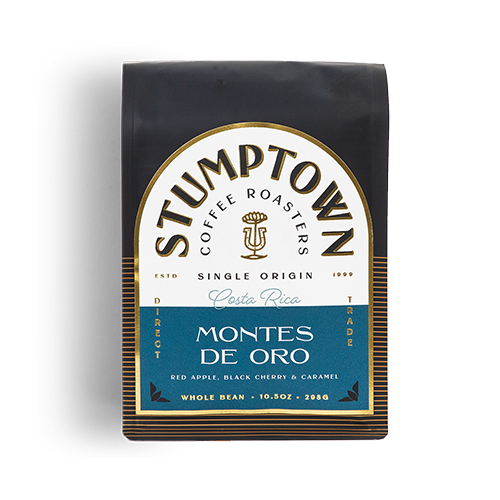
- Q1/Q2 (January–June): Focus on Central American harvest arrivals. The emphasis is on fresh, high-acidity coffees from regions like Guatemala and Costa Rica, such as Equator Coffees’ El Injerto Red Cat and Stumptown Coffee Roasters’ Montes De Oro.
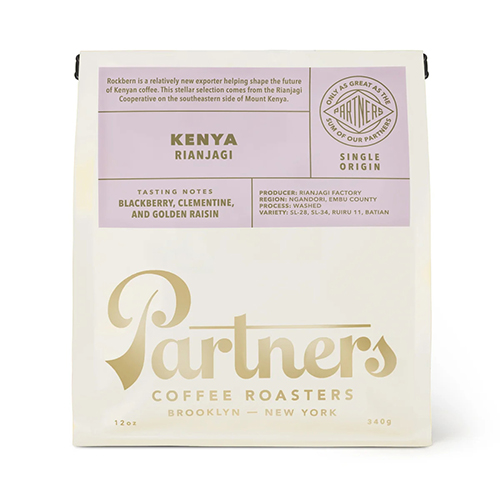
- Q3 (July–September): A transition period characterized by the arrival of Ethiopian and Kenyan crops. During this time, roasters like Cartel Roasting Co. and Partners Coffee release high-altitude AA lots from Kenya, which are prized for their complex, fruit-forward profiles.
- Q4 (October–December): The cycle closes with the focus on holiday blends and the preparation for the next cycle of South American harvests, often featuring fuller-bodied, chocolate-forward profiles like those found in Madcap Coffee’s Eureka or Olympia Coffee’s Big Truck.
Analytical Implications for Consumers and Roasters
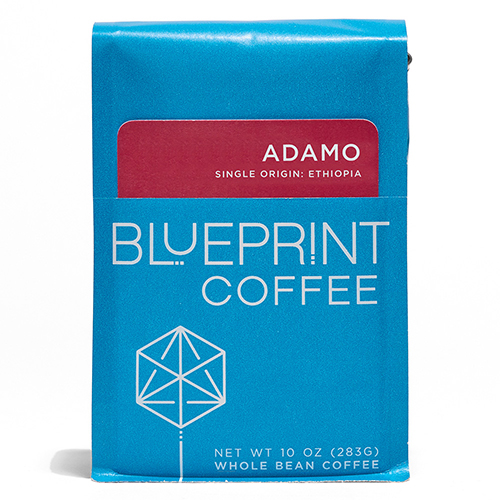
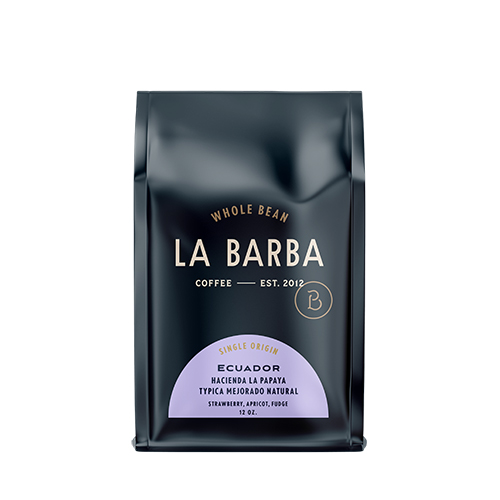
The implications of these trends for the broader economy are significant. For the consumer, the proliferation of information regarding processing, altitude, and variety has led to a more informed, discerning market. Consumers are increasingly willing to pay a premium for coffees that offer a clear "story of origin." For roasters, this necessitates a higher level of technical expertise. The requirement to master different roasting profiles—from the delicate treatment needed for a naturally processed Ecuadorian Typica to the precision required for a washed Ethiopian—has elevated the professional requirements for head roasters across the industry.
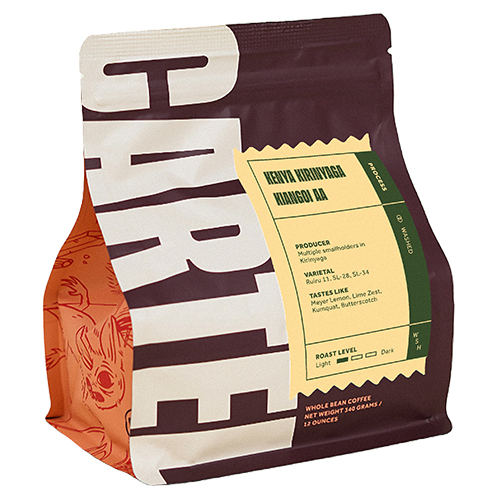
Furthermore, the environmental sustainability of these practices cannot be overlooked. The use of glacier-fed water sources in the Kirinyaga County of Kenya, as highlighted by Cartel Roasting Co., serves as a reminder of the fragility of these ecosystems. As climate change continues to impact traditional growing regions, the industry is increasingly focused on water management and soil health as key indicators of future viability.
Industry Statements and Future Outlook
While specific roasting houses maintain their own proprietary trade secrets, the general consensus among industry leaders is one of cautious optimism. The integration of high-tech processing with traditional farming practices has created a buffer against some of the volatility seen in commodity coffee prices.
"We are seeing a convergence of art and science," noted one industry consultant familiar with the 2026 harvest protocols. "The ability to produce a consistently high-scoring coffee through repeatable, scientific fermentation methods is a major step forward for the industry’s stability."
As the market continues to expand, the focus will likely shift further toward supply chain transparency. Digital traceability tools—which allow consumers to see the journey of the bean from the farm gate to the roasting facility—are expected to become the industry standard within the next five years. This shift is not merely about brand differentiation; it is a fundamental response to a global market that demands ethical accountability alongside exceptional quality.
Conclusion
The current landscape of the specialty coffee industry is defined by its diversity. From the innovative thermal-shock processing of Colombian beans to the community-focused initiatives in Honduras and Mexico, the range of available products is vast. For the enthusiast and the casual drinker alike, the current season offers an unprecedented opportunity to explore the nuances of global coffee production. By supporting roasters who prioritize quality, equity, and sustainability, the consumer plays an active role in shaping the future of this complex and vital global industry. As we move into the latter half of the 2026 cycle, the continued commitment to innovation and social responsibility will remain the defining characteristics of the specialty coffee sector.