 Cintya Tara Annisa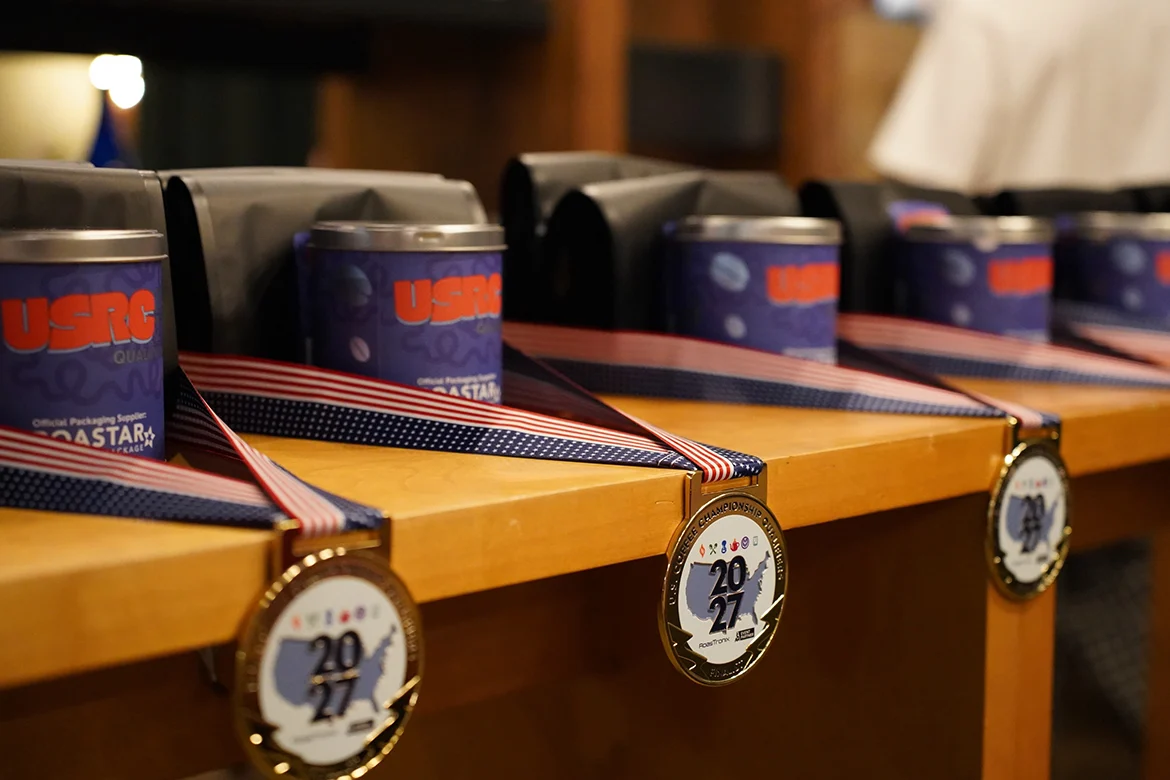
The stakes for this year’s competition are higher than ever, with only nine advancement slots available out of the 23 competitors present in Houston. These qualifiers have now secured their berths in the 2027 US Roasters Championship, scheduled to take place this coming December in Hawaii. The remaining nine spots will be decided at the end of the month during the second qualifying round in Washington, finalizing the field of 18 finalists who will vie for the national title.
A Legacy of Excellence and High-Caliber Competition
The field in Houston was characterized by a blend of emerging talent and seasoned industry veterans. Among the participants were notable figures such as former champion Steve Cuevas, former runner-up Kimhak Em, and accomplished Cup Tasters finalist Helen Choi. The presence of such decorated professionals underscored the prestige of the US Roasters Championship, an event that demands not only a sophisticated palate but also a precise, scientific approach to thermal energy management and green coffee evaluation.
The US Roasters Championship remains a cornerstone of the Specialty Coffee Association’s (SCA) competition circuit. Unlike other disciplines that focus on sensory extraction or brewing mechanics, the roasters competition emphasizes the mastery of the roasting curve, the ability to highlight the inherent characteristics of a specific origin, and the consistency required to produce a repeatable, high-quality product under time constraints.
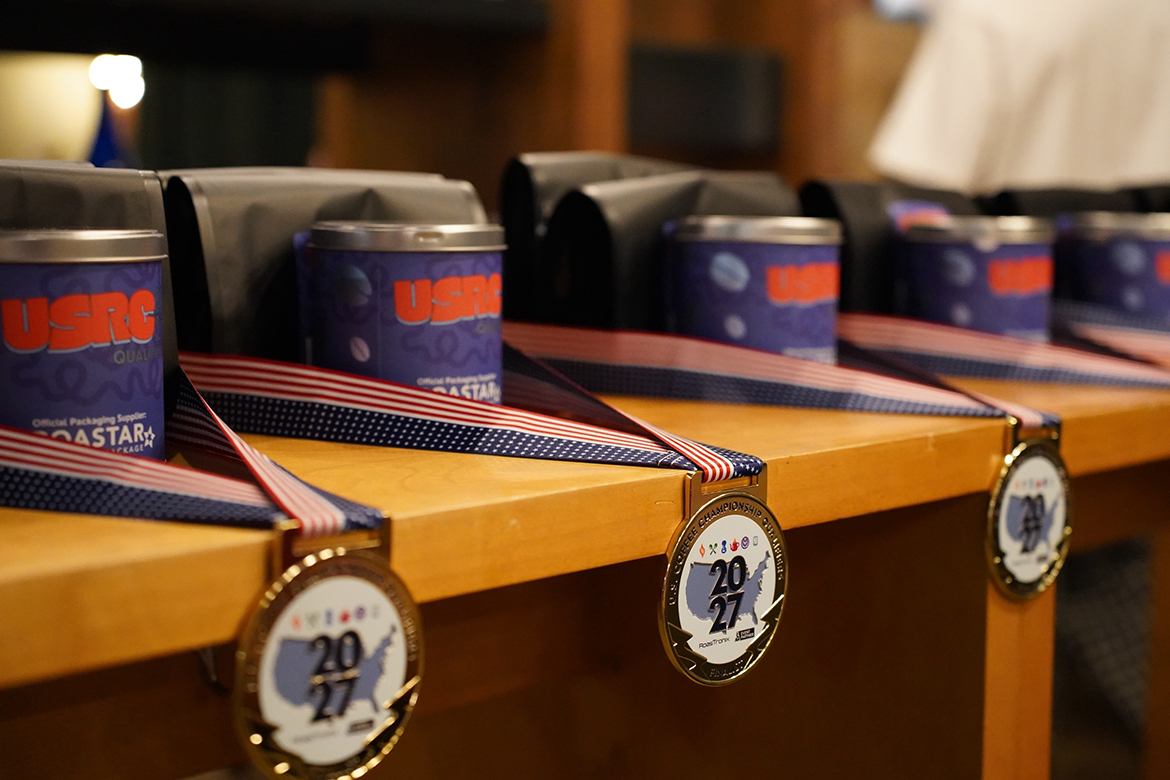
The Houston Qualifier: Results and Advancements
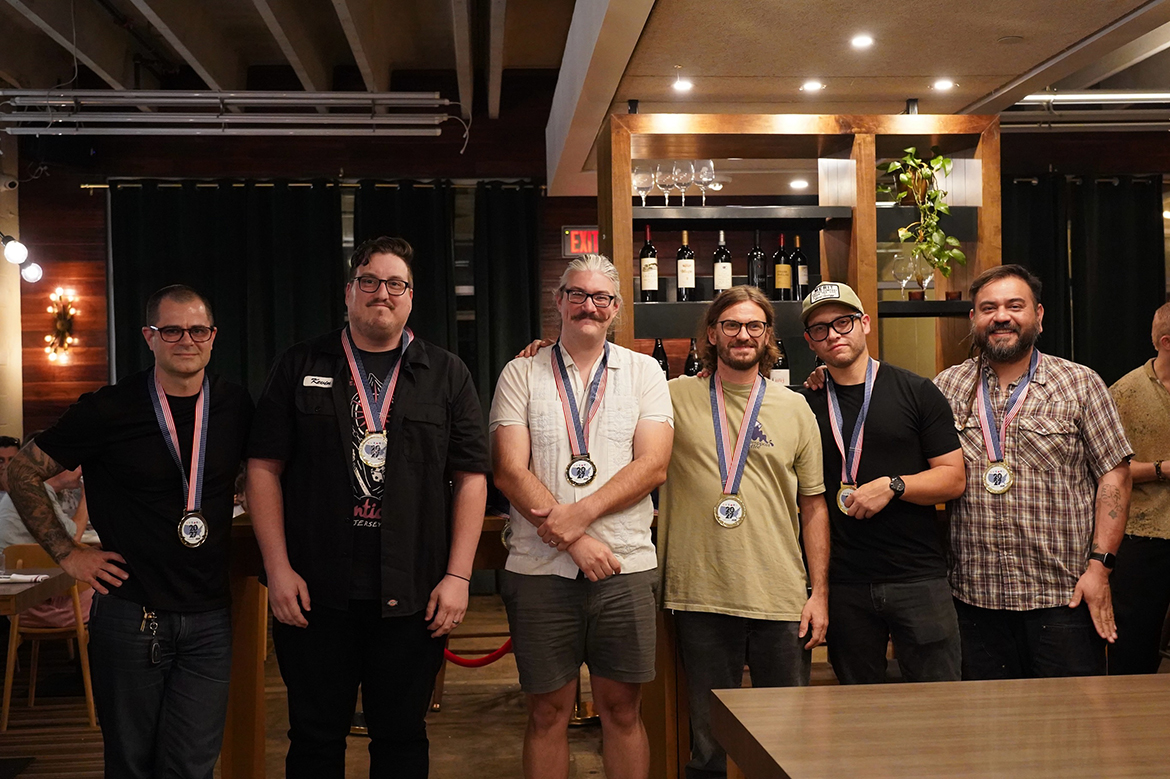
The competition in Houston tested the limits of the participants’ roasting profiles. After rigorous evaluation by a panel of expert sensory judges—who analyzed the coffees based on cup quality, consistency, and the accuracy of the roaster’s stated profile—the following nine individuals were announced as the successful qualifiers:
- Michael Matthews, Alinea Coffee Roasters
- Luke Jung, Ghost Roasters
- Carlos Riaño, Merit Coffee Company
- Christopher Owens, Greenway Coffee Company
- Sean Jones, Lamppost Coffee
- Aaron Zhao, Communal Space
- Zachary Steele, Talavera Coffee
- Kevin Seehousz, Stamp Act Coffee
- Steve Cuevas, Freelance Coffee Project/Cafe Casa Libre
For competitors like Steve Cuevas, advancing to the national finals is a testament to the longevity and adaptability required to remain at the top of the craft. For others, such as Michael Matthews and Carlos Riaño, this achievement represents a significant milestone in their professional trajectories, potentially elevating their standing within the specialty coffee roasting community.
Chronology of the 2027 Season
The 2027 US Coffee Championships season follows a structured timeline designed to identify the most consistent professionals in the country. Following the South/Eastern regional in Houston, the focus shifts to the West/Central regional qualifier in Washington. This second event will mirror the rigorous standards of the Houston qualifier, ensuring that the 18 finalists heading to Hawaii represent the best of the American roasting landscape.
The transition from regional qualifiers to the national finals is a compressed period, forcing competitors to refine their roasting profiles and sensory evaluations in real-time. By the time the finalists gather in Hawaii, they will have already undergone two months of intense preparation, data analysis, and iterative roasting sessions. This progression is designed to ensure that the eventual US Roaster Champion is prepared to compete at the World Coffee Roasting Championship, where they will face the world’s most elite practitioners.
Data-Driven Analysis of the Roasting Field
The selection of only nine qualifiers from a field of 23 yields an advancement rate of approximately 39%. This narrow margin reflects the increasing density of talent within the US specialty coffee market. According to historical data from previous championship cycles, the variance in scoring between the top ten competitors is often measured in fractions of a point, highlighting the importance of micro-adjustments in roasting variables such as drum speed, airflow, and charge temperature.
Modern competitive roasting has evolved into a data-centric discipline. Competitors are required to log their roasting curves using software such as Cropster or Artisan, and judges analyze these curves against the sensory output of the finished product. The implication is that the 2027 finalists are not merely skilled artisans, but practitioners who possess a deep, technical understanding of heat transfer physics and chemical transformation during the Maillard reaction.
Official Perspectives and Industry Implications
While official statements from the SCA regarding the specific sensory notes of the winning coffees are pending the finalization of the Washington event, the general consensus among industry observers is that this year’s field is leaning heavily toward high-altitude, processed-intensive coffees. The ability to roast delicate, experimental-process beans—which have become increasingly popular in global markets—is expected to be a deciding factor in the Hawaii finals.
The professionalization of the roasting competition has significant implications for the broader coffee industry. As these competitors refine their techniques, the knowledge trickles down to their respective roasting companies, ultimately improving the quality of coffee available to consumers. The competition serves as a laboratory for innovation, where advancements in roast profiling are tested under pressure and subsequently adopted by the wider commercial roasting community.

Future Outlook for the US Roasters Championship
As the 2027 season continues, the pressure on the remaining competitors in Washington will undoubtedly intensify. The success of the Houston event has set a high bar for sensory quality and technical precision. For the nine individuals who have already punched their ticket to Hawaii, the work has only just begun. They must now begin the task of selecting their competition coffees—often rare, high-cost lots—and perfecting their roasting strategy for a different roasting environment.
The Hawaii finals will be the ultimate proving ground. The event is expected to draw significant attention from both domestic and international coffee stakeholders, further cementing the US Roasters Championship as a critical platform for talent development and industry growth. As the industry looks toward the December finals, the narrative of the 2027 season remains one of technical mastery, persistent innovation, and the pursuit of the perfect roast.
The success of the Houston regional, held at the specialized facility of Roastronix, provided an ideal environment for the competitors to display their capabilities. By facilitating an space that prioritizes the technical needs of the roasters, the event organizers ensured that the competition remained focused on the craft rather than external variables. This commitment to the technical environment is a hallmark of the modern US Coffee Championships and is expected to continue as the circuit moves toward the national finals.
In summary, the 2027 US Roasters Championship is shaping up to be one of the most competitive iterations in recent history. With a field that balances veteran experience with fresh, analytical talent, the stage is set for a high-stakes showdown in Hawaii. As these nine qualifiers prepare for the final, the specialty coffee world watches with anticipation, waiting to see which roast profile will emerge as the national standard for the 2027 cycle. The dedication shown by these individuals, and the rigors of the qualifying process, serve as a reminder of the depth and complexity inherent in the specialty coffee industry.