 Ali Ikhwan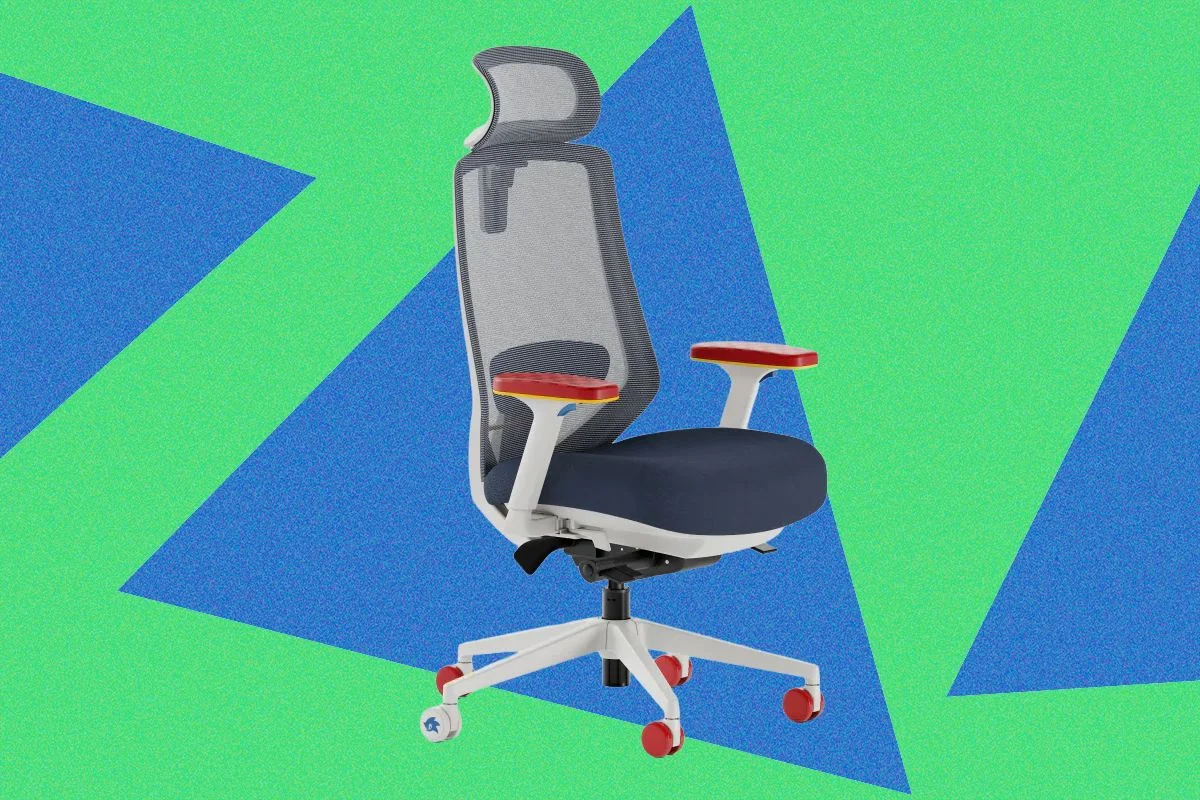
The recent partnership between furniture manufacturer Branch and legendary video game developer Sega marks a significant shift in the office furniture industry, specifically concerning the blurred lines between high-end ergonomic seating and gaming-focused hardware. By applying a nostalgic, brand-forward design language to the established Ergonomic Chair Pro, Branch seeks to bridge the gap between the corporate workstation and the dedicated home gaming setup. This collaboration represents an increasing trend in the furniture market where professional-grade support is no longer sequestered to the office environment but is instead being rebranded to appeal to a demographic that spends equal amounts of time working and gaming at the same desk.
Chronology and Development of the Collaboration
The initiative began as an effort to leverage Branch’s existing reputation for manufacturing adjustable office furniture, which has long been a staple in remote-work setups. The Ergonomic Chair Pro, a product lauded for its extensive adjustability, was identified as the platform for this collaboration. Over the course of several months, design teams from both companies worked to integrate Sega’s iconic branding—specifically elements from the Sonic, Genesis, and Dreamcast eras—without compromising the mechanical integrity of the chair.
The launch follows a series of market analyses suggesting that consumers are increasingly prioritizing health-conscious furniture in their gaming spaces. While "gaming chairs" have historically been marketed with aggressive, bucket-seat designs inspired by racing vehicles, the industry is seeing a shift toward more ergonomic, office-inspired solutions that prioritize long-term skeletal health over purely aesthetic, high-contrast color schemes.
Technical Specifications and Ergonomic Performance
The Ergonomic Chair Pro features a robust architecture designed to accommodate a wide range of body types and sitting habits. At the core of its design are 14 distinct adjustment points. These include:
.jpg)
- Dynamic Lumbar Support: Designed to follow the natural curvature of the spine, reducing pressure on the lower back during extended periods of inactivity.
- Multi-Plane Armrests: Capable of adjusting for height, depth, and width, allowing users to minimize shoulder strain while utilizing peripherals like keyboards or game controllers.
- Seat Depth and Tilt Tension: These features ensure that users of varying heights can achieve optimal circulation and postural alignment.
Testing conducted during the development phase indicated that the chair remains stable across various flooring types. The assembly process has been streamlined to address common consumer complaints regarding furniture setup; the inclusion of clearly labeled hardware and high-grade assembly tools suggests a move toward a more user-centric, professional-grade consumer experience.
Market Context: The Ergonomics Gap
The furniture market has long been divided into two distinct segments: office furniture and gaming furniture. Data from furniture industry analysts suggests that the global ergonomic office chair market is expected to grow at a compound annual growth rate (CAGR) of approximately 5.8% through 2030. Conversely, the gaming chair market is undergoing a maturation process. Early adopters of gaming chairs often reported discomfort due to the lack of adjustable lumbar support and breathability, leading to the current market shift toward "hybrid" chairs.
The Branch and Sega collaboration addresses the "aesthetic tax" often associated with ergonomic gear. Historically, chairs designed for orthopedic support were considered too clinical or "corporate" for a home gaming room. By offering versions with both mesh and vegan leather finishes, the collection provides a tactile experience that aligns with the user’s preference for either breathability (the Sonic mesh model) or the premium, tactile feel of synthetic leather (the Genesis and Dreamcast models).
Design Nuances and Visual Identity
The visual elements of the Sega-branded chairs are intentional and subtle. The Dreamcast edition, for instance, incorporates specific design cues from the console’s industrial design, including the distinctive orange accents on the armrests—a direct nod to the iconic swirly logo that defined the late 1990s and early 2000s gaming era. The use of white, high-quality materials on the Dreamcast model reflects a growing preference for "clean," minimalist gaming setups that contrast with the traditional black-and-red color palettes that have dominated the market for over a decade.
Implications for Long-Term Usage and Maintenance
A critical factor in the adoption of professional furniture for home use is the ease of maintenance. With the introduction of lighter colorways—specifically the white Dreamcast model—concerns regarding staining and material degradation have been noted by interior designers and furniture reviewers alike. Branch has addressed these concerns by selecting high-durability vegan leathers that are resistant to common spills and dust accumulation.

For the end-user, the long-term implications are clear: the transition from a standard, non-adjustable chair to a high-end ergonomic model like the Ergonomic Chair Pro can lead to significant reductions in musculoskeletal complaints. According to data from the Occupational Safety and Health Administration (OSHA), proper seating adjustment is a primary mitigation strategy for workplace-related musculoskeletal disorders. By bringing this level of adjustability to the gaming demographic, the collaboration serves a dual purpose: supporting the physical health of the user while honoring a specific cultural legacy.
Future Perspectives and Industry Outlook
The success of this collaboration may influence how other tech-adjacent companies approach product design. Industry experts anticipate that we will see more partnerships between software companies and ergonomic hardware manufacturers as the concept of the "hybrid room"—a space used for both high-intensity productivity and recreational gaming—becomes the standard in modern housing.
While the chair provides extensive customization, it is not without its limitations for specific user demographics. As noted in preliminary evaluations, individuals under 5’2" may find the headrest placement challenging, and users over 5’11" may require additional accessories, such as the tall cylinder, to achieve the necessary leg extension. These factors underscore the necessity for consumers to understand their specific ergonomic requirements before investing in high-end office equipment.
Ultimately, the Branch and Sega partnership validates the demand for "lifestyle-oriented" ergonomics. By moving away from the loud, racing-style aesthetic of traditional gaming chairs, the industry is signaling that it understands the modern user: one who values the pedigree of their gaming favorites but refuses to compromise on the professional-grade comfort required for a full day of productive work. As the line between office and gaming equipment continues to dissolve, the standard for what constitutes a "good chair" will likely continue to shift toward the fusion of mechanical performance and sophisticated, brand-conscious design. The integration of high-tier ergonomics into a format that resonates with a specific gaming subculture is not merely a marketing exercise; it is an acknowledgment of the evolving nature of the home environment.