
The digital marketing landscape has experienced a profound structural evolution over the past decade, shifting social media management from an auxiliary public relations task into an essential, highly data-driven core business operation. As organizations of all scales—ranging from individual content creators to multinational conglomerates—increase their investments in digital real estate, the software ecosystem supporting these operations has grown correspondingly dense. Among the myriad solutions available, two prominent platforms consistently emerge in evaluations: Buffer, known for its agile, modular approach, and Loomly, recognized for its team-centric workflow architecture. This comprehensive review examines the technical capabilities, pricing models, feature sets, and strategic positioning of both platforms to provide digital strategists, agency directors, and solo entrepreneurs with an objective foundation for software selection.
The impetus for comparative software evaluations has intensified recently, driven by significant macro-level shifts in the software-as-a-service (SaaS) industry. In early 2025, market dynamics shifted notably when various digital marketing platforms adjusted their pricing paradigms to reflect rising operational and computational costs. Notably, Loomly implemented substantial structural pricing adjustments, with certain users reporting cost escalations of up to 400% for specific legacy plans. This financial realignment sent shockwaves through the community of digital marketers, prompting widespread migration inquiries and intensive comparative analyses across professional forums such as Reddit and specialized marketing associations. Concurrently, Buffer has doubled down on its flexible, channel-based pricing model and expanded its technical infrastructure to incorporate Model Context Protocol (MCP) servers and advanced artificial intelligence integrations. Understanding the functional and financial implications of these developments requires a granular examination of both platforms across multiple operational domains.
Structural Philosophies and Core Target Markets
To evaluate Buffer and Loomly fairly, one must first understand their foundational design philosophies, which dictate every element of their user interfaces and pricing structures. Buffer was architected with a philosophy of modular flexibility and affordability. It caters primarily to independent creators, solo entrepreneurs, small-to-mid-sized businesses (SMBs), and agile agencies that require a frictionless mechanism to maintain an active digital footprint across disparate networks. The platform’s interface minimizes operational overhead, allowing users to move seamlessly from ideation to scheduling without navigating convoluted administrative hierarchies.
Conversely, Loomly was conceived from the ground up as a collaborative environment for structured teams. Its pricing tiers, workspace layouts, and rigorous multi-stage approval workflows immediately signal that the platform is engineered for environments where content must pass through multiple layers of internal review or client sign-off before publication. While this makes Loomly a compelling option for specific corporate structures, it introduces rigid architectural constraints that can impede solo operators or dynamic teams that operate outside traditional hierarchy.
Financial Architecture and Total Cost of Ownership
When evaluating social media management software, the total cost of ownership (TCO) extends far beyond the advertised base subscription fee. It encompasses the ratio of users to channels, scaling costs as organizational volume increases, and the intrinsic value provided by complimentary tiers.
Buffer’s financial model relies on a tiered, per-channel pricing structure (such as the Essentials and Team plans) where the marginal cost per channel decreases as the total volume of connected social profiles scales upward. For example, managing a modest portfolio of four channels as a solo creator incurs a predictable, highly manageable monthly expenditure. As agencies scale to manage dozens or even hundreds of channels, Buffer’s per-channel economics become increasingly advantageous, often dropping the cost per channel to nominal figures for high-volume users. Furthermore, Buffer offers an accessible free tier that supports three channels with ten refillable posts per channel, complete with API access and baseline AI assistant capabilities.
Loomly employs a rigid, flat-rate pricing model across its structured plans, such as the Starter plan and the comprehensive Beyond plan. The Starter plan provides a fixed allotment for up to three users and twelve social channels, billed at a higher baseline monthly rate. However, Loomly’s pricing threshold introduces a severe financial inflection point: the moment an organization adds a fourth user or a thirteenth channel, it is automatically compelled to leap from the Starter tier to the significantly more expensive Beyond tier. For small organizations that do not require expansive user seats but manage a high volume of channels, or conversely, for teams that require multiple collaborators but maintain a minimal digital footprint, Loomly’s inflexible tiering can result in underutilized capital expenditure.
Comparative Feature Analysis: Scheduling, Publishing, and Calendar Synchronization
Operational efficiency in digital marketing hinges on the efficacy of scheduling and publishing infrastructure. Here, the divergence in platform architecture becomes starkly apparent.
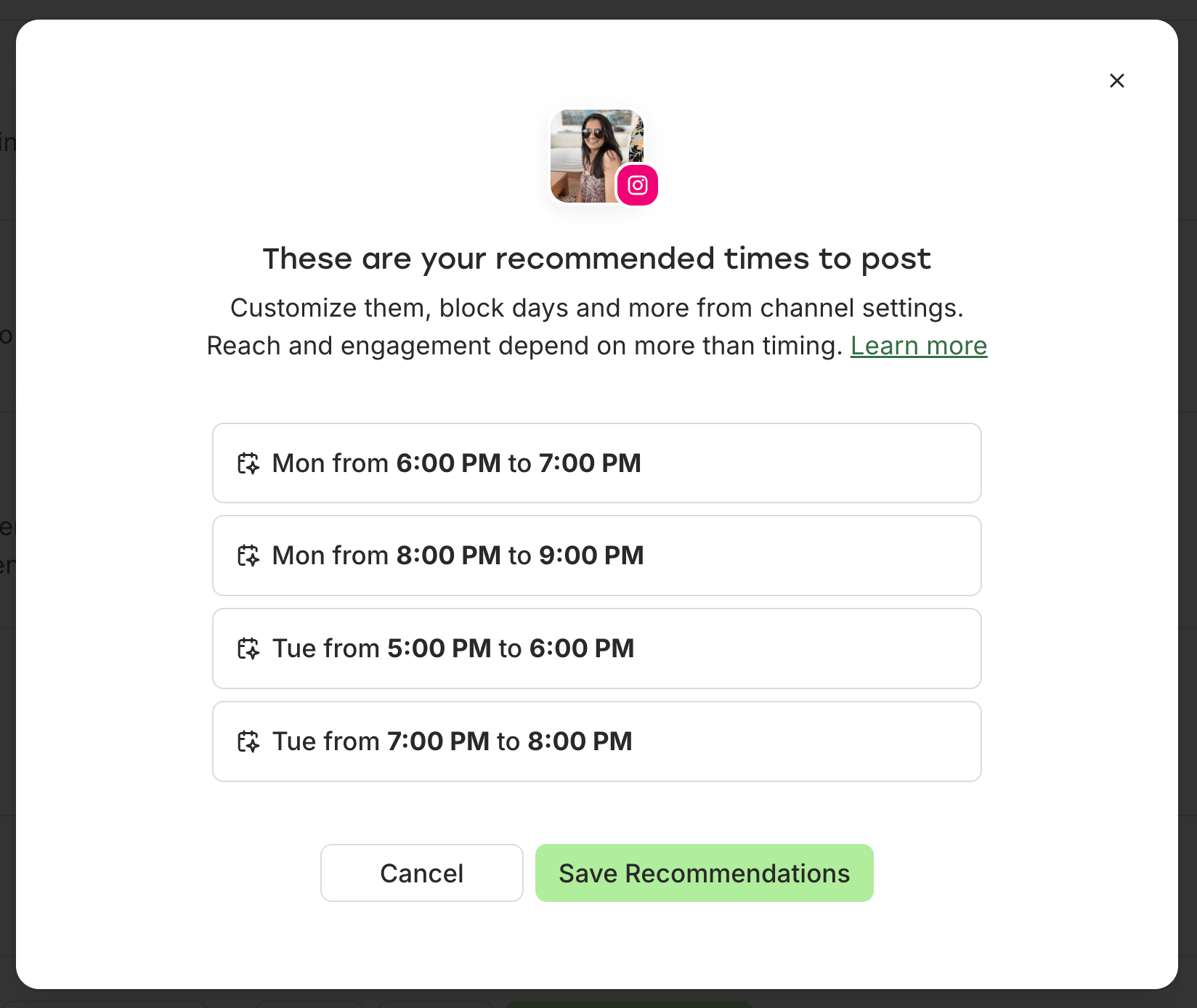
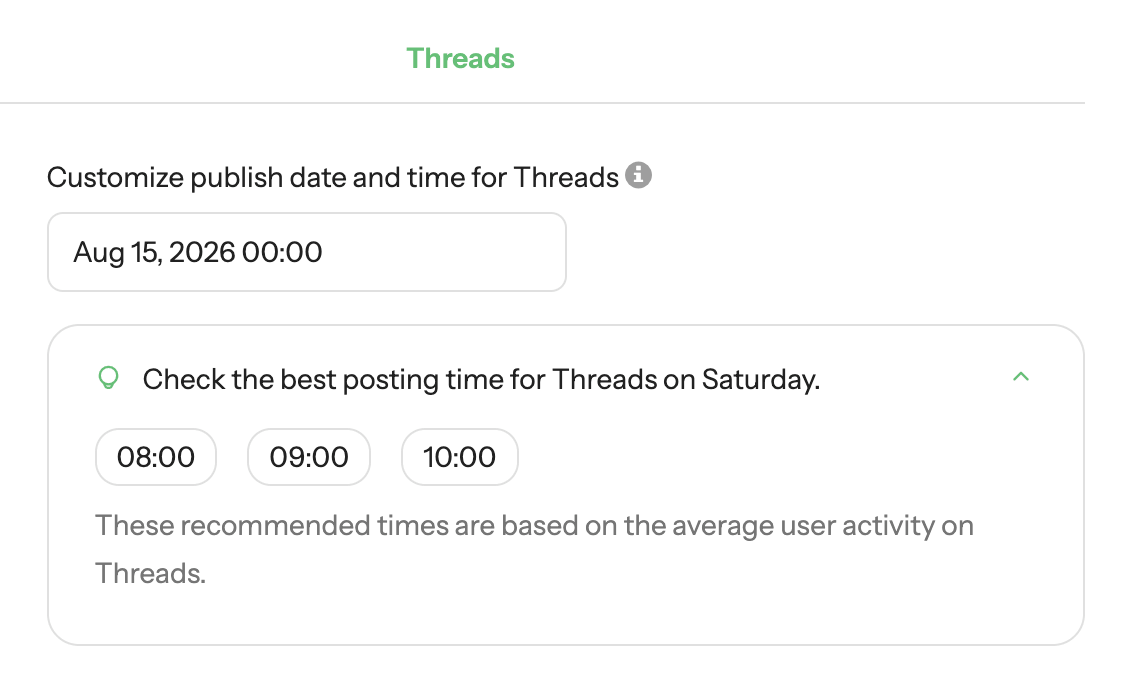
Buffer delivers a low-friction publishing experience. Its unified composer allows operators to draft content, distribute it across multiple divergent platforms simultaneously, and customize platform-specific nuances within a single window. Buffer’s queue-based and calendar-based publishing models are augmented by data-backed timing recommendations derived from extensive historical platform analytics. Crucially, Buffer maintains robust backend synchronization: it automatically backfills posts when a new channel is connected and pulls in content published natively on external platforms, ensuring that the user’s content calendar remains an accurate, single source of truth.
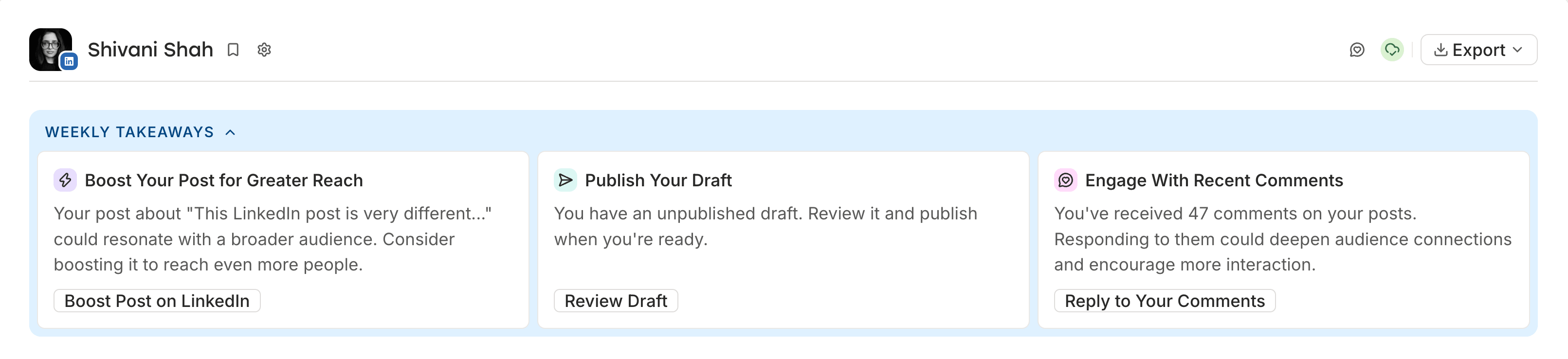
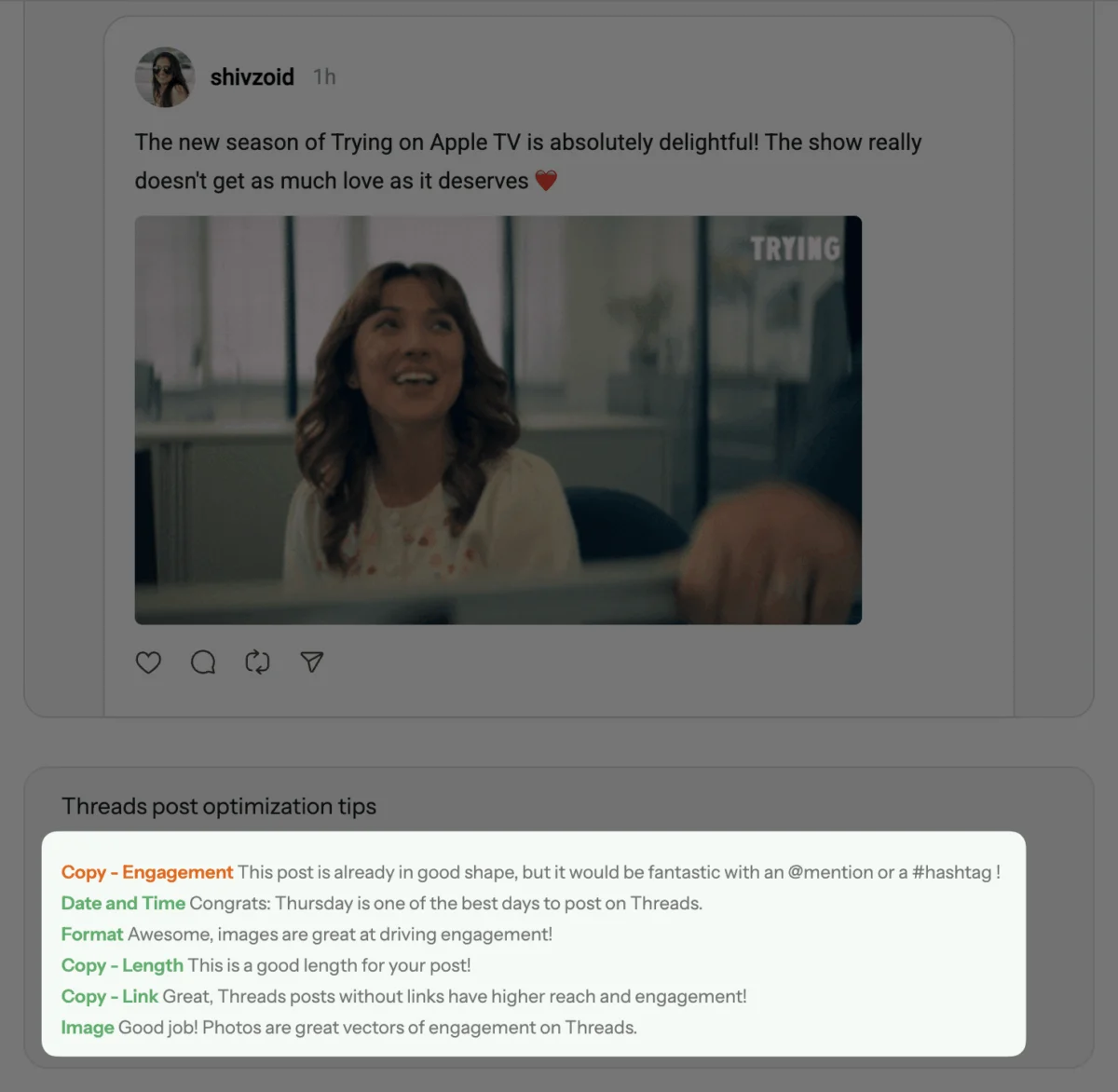
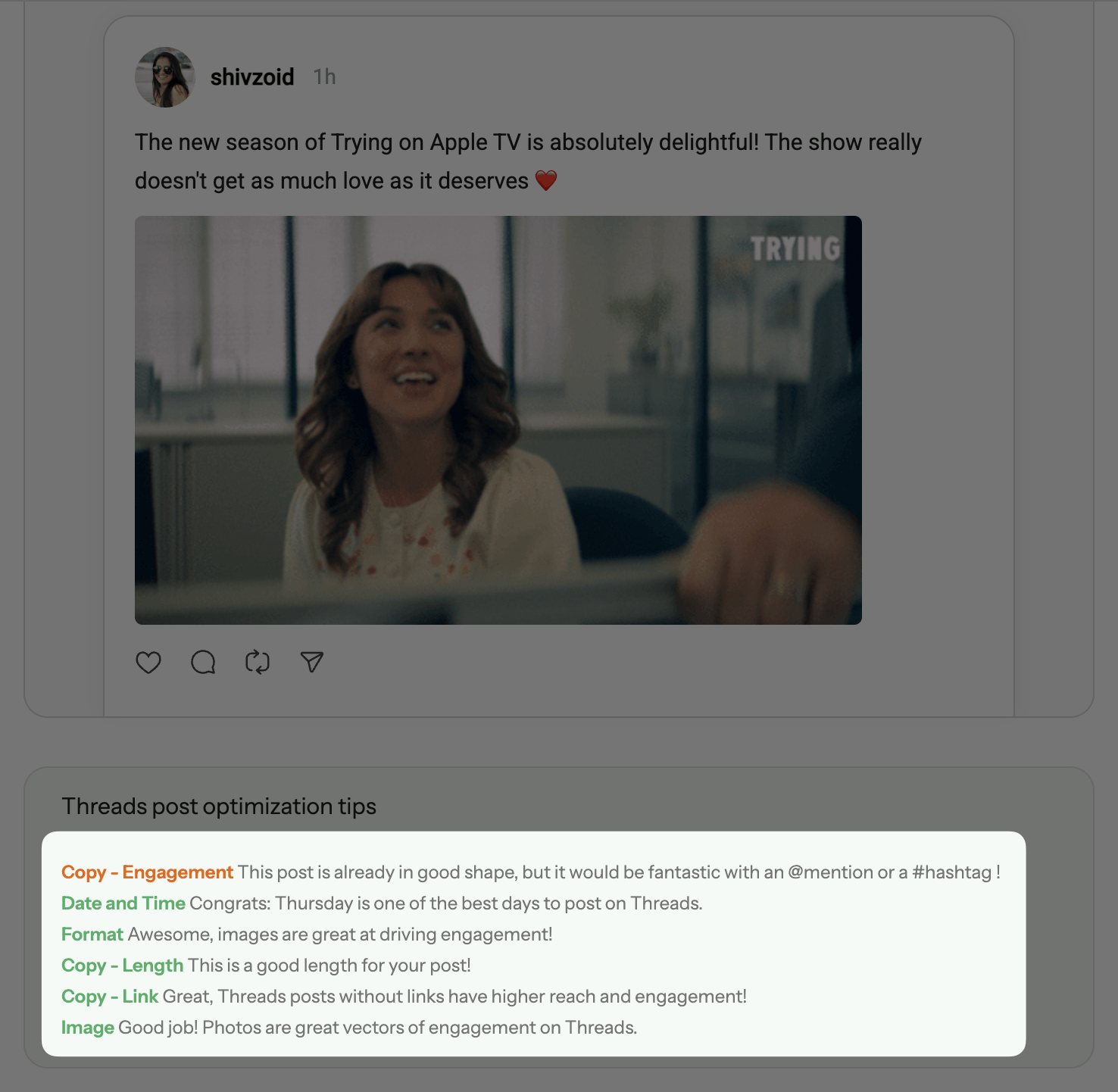
Loomly approaches calendar management through a workspace-oriented paradigm where posting slots are governed at the calendar level rather than the individual channel level. This means that distinct platforms—such as an Instagram business account and a LinkedIn company page housed within the same calendar—may be subjected to generalized posting schedules, which conflicts with platform-specific audience engagement windows. Furthermore, Loomly does not backfill organically published native posts into its calendar view, meaning that cross-platform publishing outside the software leaves gaps in the historical content record. On the positive side, Loomly provides dynamic, real-time post-optimization tips that adapt to user inputs within the composer, offering immediate, color-coded feedback regarding formatting, imagery, and timing.
Analytical Capabilities and Data Integrity
In contemporary marketing operations, analytics are the primary feedback loop guiding strategic iteration. The depth, accuracy, and accessibility of reporting metrics therefore constitute a critical evaluation criterion.
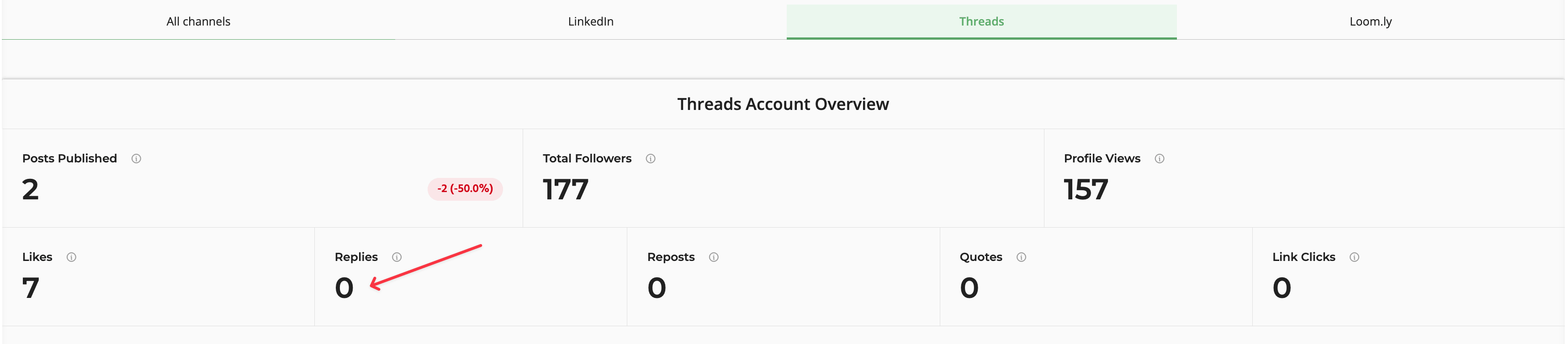
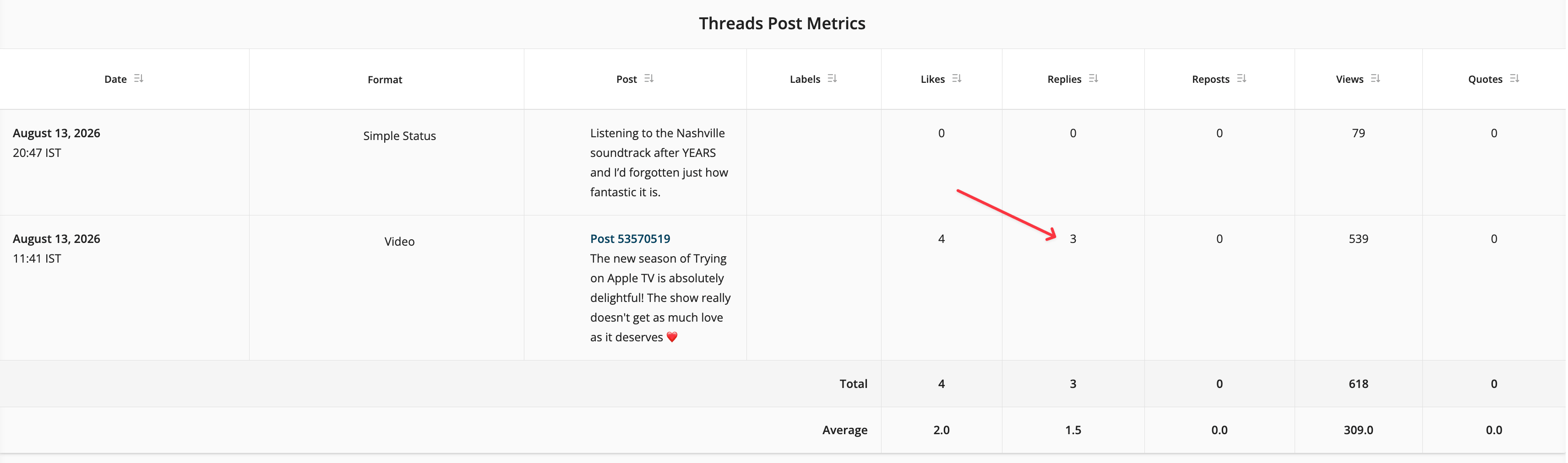
Buffer Insights provides a consolidated dashboard tracking post-level performance, channel-level growth, and aggregate follower metrics across all connected profiles. The platform distinguishes itself through weekly, AI-driven performance takeaways that analyze empirical data to deliver actionable strategic recommendations—such as identifying top-performing content formats for repurposing or highlighting engagement deficits. Paid tiers facilitate seamless data exportation in PDF, CSV, and Markdown formats, catering both to stakeholder presentations and deep quantitative analysis in custom business intelligence pipelines.
Loomly offers basic analytics across all plans and advanced metrics on its paid tiers, encompassing follower growth, repost velocities, and outbound link tracking. However, third-party testing and user accounts have frequently highlighted operational friction within Loomly’s analytics retrieval pipeline. Data synchronization can experience extended latency, and occasional discrepancies between aggregate dashboard overviews and granular post-level metrics undermine quantitative reliability. For organizations dependent on pristine data integrity for client reporting, these synchronization anomalies represent a notable operational risk.
Engagement, Community Management, and Automated Inbox Solutions
Maintaining responsive engagement with digital communities is vital for brand equity. Both platforms offer centralized inbox solutions, though their underlying execution varies significantly to suit different operational scales.
Buffer’s Community inbox consolidates comments and mentions from a wide array of networks into a single interface. It features AI-generated reply suggestions, shared team-wide saved responses for frequently asked questions, and a quantitative "Comment Score" metric that tracks organizational responsiveness velocity over time. This design is optimized for high-speed triage and efficient clearing of communication backlogs.

Loomly’s Interactions inbox approaches customer engagement with a heavier emphasis on automation and customer support workflows. It supports advanced features such as automated AI-generated responses driven by external knowledge bases and support URL parsing, enabling organizations to deploy sophisticated auto-reply protocols during off-hours. Additionally, Loomly permits the granular assignment of individual conversations to specific team members. While powerful for support-heavy enterprises, this architecture introduces a steeper configuration overhead that may exceed the needs of standard community management teams.
Team Collaboration, Permissions, and Enterprise Scalability
The collaboration apparatus of a social media platform dictates how safely an organization can distribute operational responsibilities among staff members, external contractors, and agency clients.

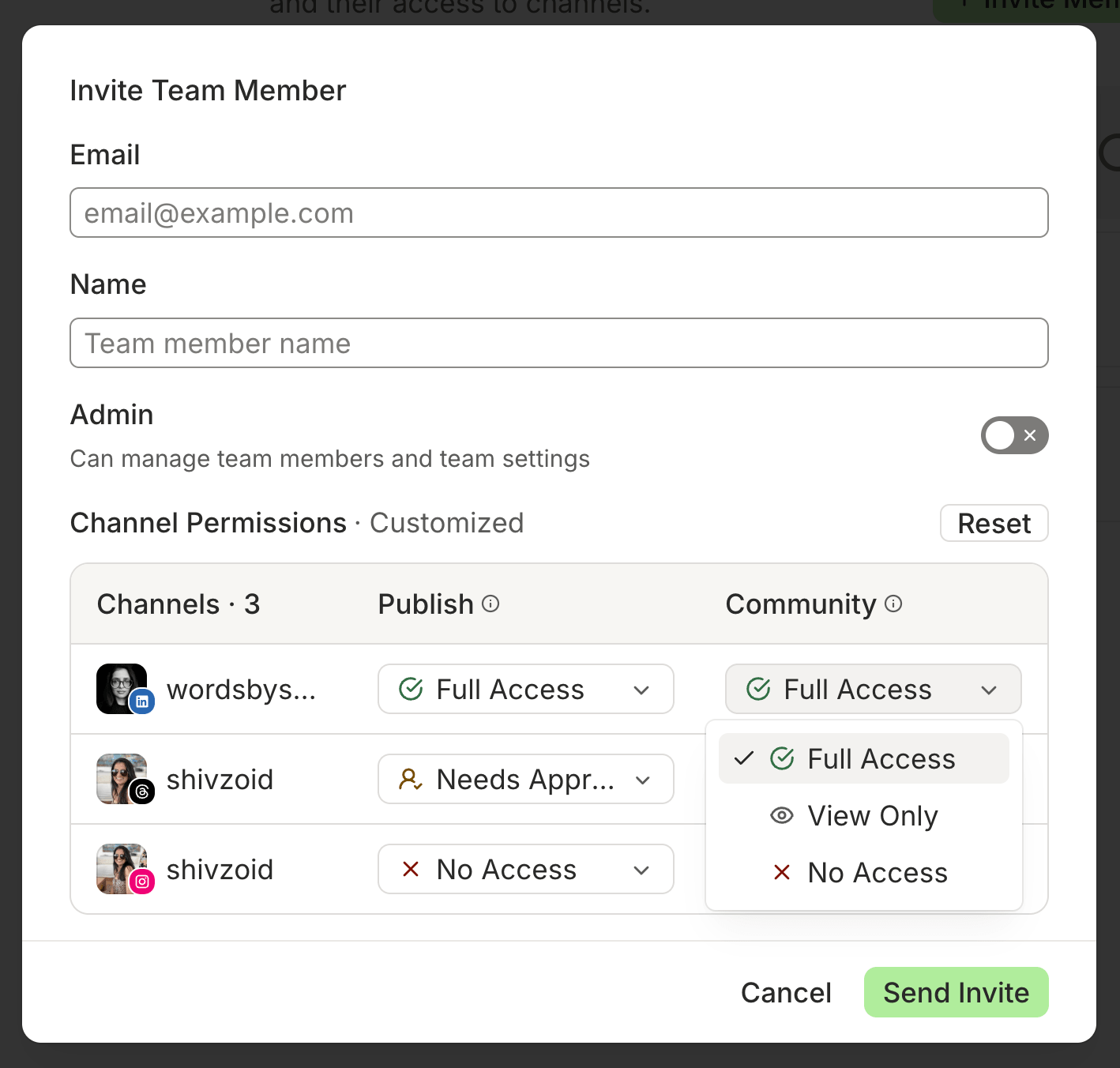
Buffer handles collaboration through granular, per-channel permission settings embedded within its Team tier. Administrators can assign precise access levels—ranging from full administrative control and posting approval rights to view-only access—on a channel-by-channel basis. Because Buffer’s pricing is tied to channel volume rather than user seat counts, organizations can invite an unlimited number of team members or external stakeholders without incurring financial penalties.
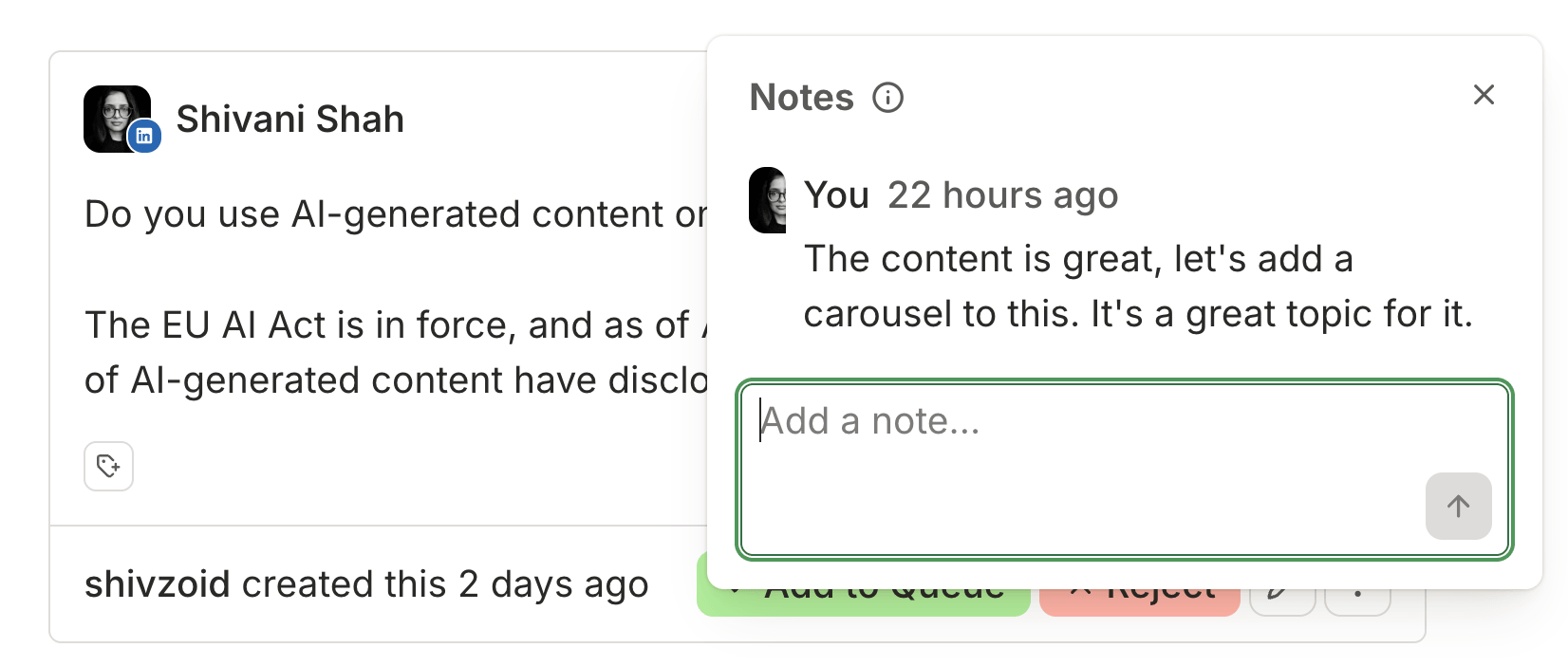
Loomly’s collaborative framework is built around structured, multi-step approval workflows and "state guards." These features enforce rigid organizational governance, requiring explicit sign-offs from multiple designated stakeholders before content can transition from draft status to scheduled publication. While indispensable for heavily regulated industries or corporate environments requiring legal compliance checks, this rigidity comes with the previously noted steep cost escalations when user seat thresholds are exceeded.
Artificial Intelligence Integration and API Infrastructure
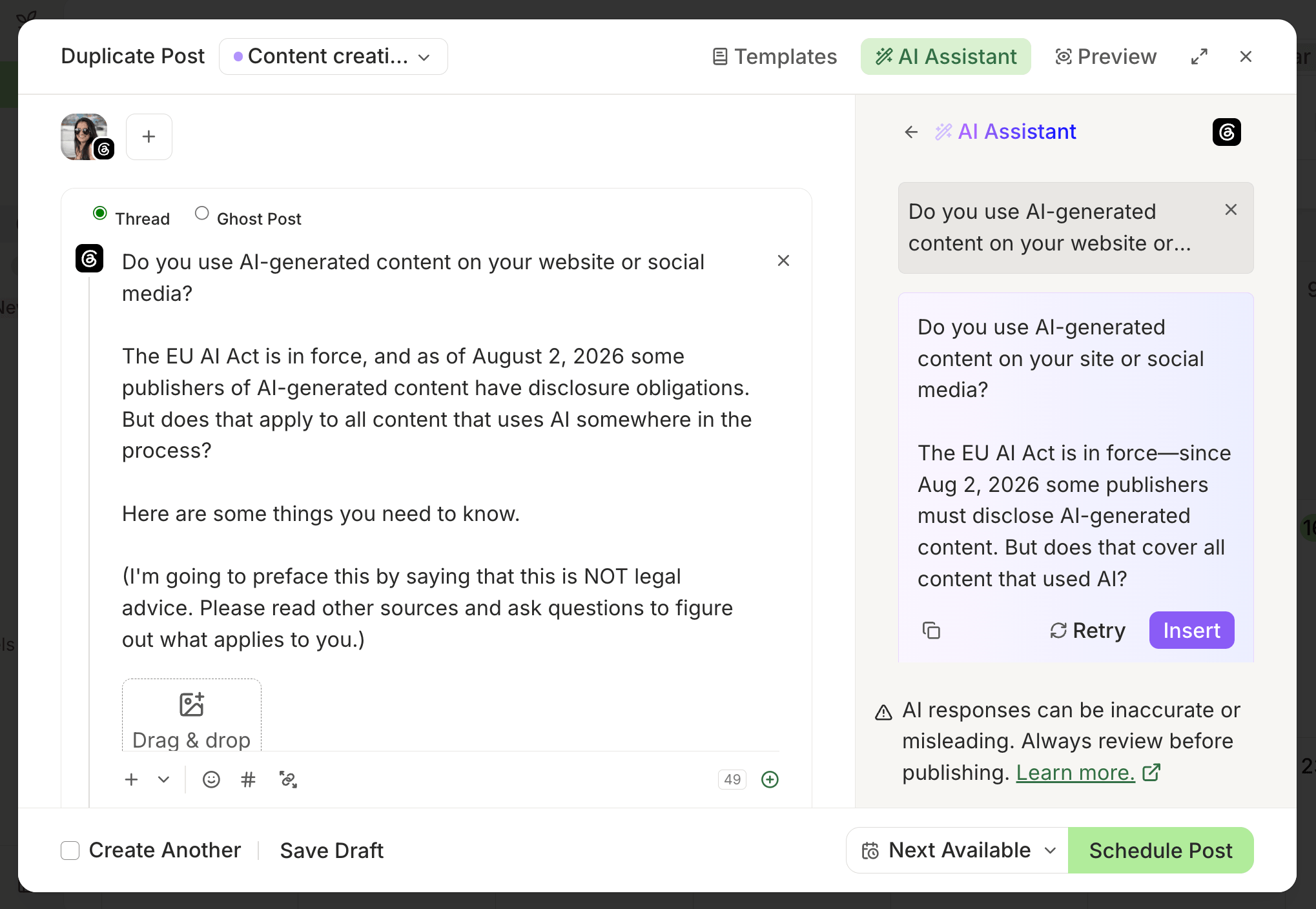
The integration of artificial intelligence and robust developer APIs represents the cutting edge of marketing software utility. Buffer integrates its AI Assistant across all tiers, including the free plan, providing unconstrained access to ideation, drafting, and content repurposing tools. Furthermore, Buffer’s commitment to open developer ecosystems is evidenced by its comprehensive API and pioneering MCP (Model Context Protocol) server support, which allows technical users to integrate social media workflows directly with advanced LLM interfaces and automation platforms like Raycast and custom internal applications.
Loomly incorporates a conversational AI chat interface capable of parsing brand guidelines and web data to generate targeted content strategies. However, Loomly’s AI usage is governed by restrictive monthly credit caps that can be rapidly exhausted during intensive content generation sessions. On the API front, Loomly provides a strictly limited status API designed exclusively for monitoring system uptime and incident reports, precluding any programmatic content management or custom data extraction.
Strategic Summary and Selection Framework
Selecting between Buffer and Loomly ultimately requires a sober assessment of an organization’s structural profile, budgetary constraints, and operational workflows.
For solo creators, independent consultants, agile startups, and high-volume marketing agencies, Buffer emerges as the superior, highly cost-effective solution. Its flexible per-channel pricing model, generous free tier, unconstrained AI integration, and robust developer APIs provide an adaptable foundation that scales predictably alongside organizational growth.
Conversely, Loomly finds its optimal deployment in narrow, highly specific operational windows: small teams consisting of three or fewer users who manage a discrete portfolio of twelve or fewer channels, do not require integration with X (formerly Twitter), and operate under strict internal governance protocols that necessitate rigorous, multi-tiered content approval chains. Outside of this precise operational demographic, the platform’s rigid pricing cliffs and technical limitations diminish its comparative value proposition. Organizations seeking true enterprise-grade scalability are advised to look beyond both platforms toward dedicated enterprise solutions, ensuring that their software infrastructure aligns seamlessly with their long-term strategic trajectory.