Clara Fransiska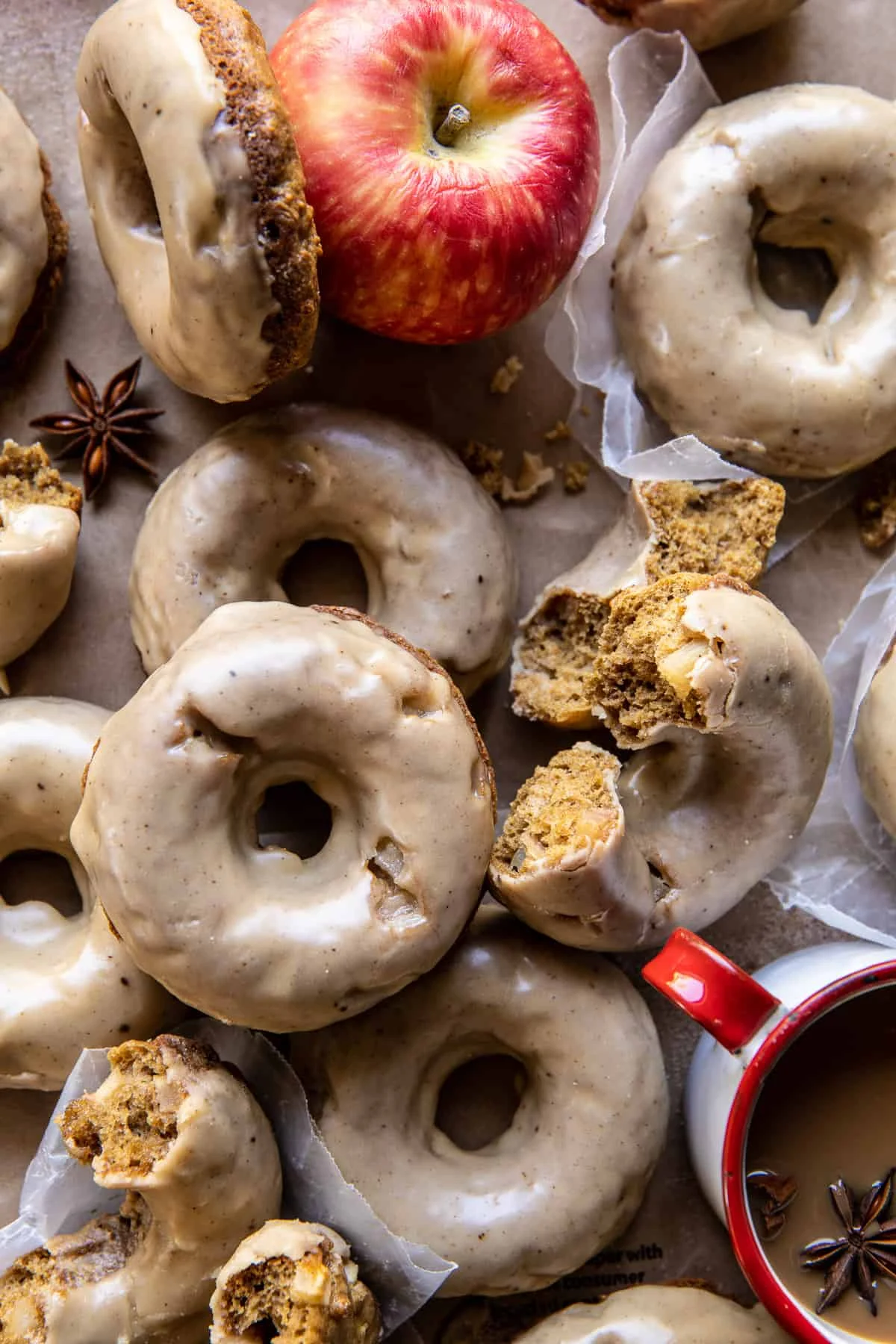
As September arrives, the agricultural sector shifts its focus to the peak harvest period for one of the most versatile fruits in North America: the apple. Following the late summer transition, orchards across the United States and Canada report a robust yield of early-to-mid-season varieties, including the increasingly popular Honeycrisp. This seasonal shift marks the beginning of a four-month period characterized by increased consumer demand for apple-based culinary applications, ranging from traditional baked goods to savory, protein-centric dinner entrees.
The current market trend reflects a departure from the "pumpkin-first" marketing strategies seen in previous years, with food industry analysts noting a deliberate "apple-centric" phase in early autumn. This pivot aligns with peak harvesting windows for orchard operators and aligns with consumer preferences for fresh, crisp flavor profiles before the heavy spice profiles associated with late-autumn pumpkin products dominate the retail space.

The Evolution of the Autumn Culinary Calendar
Historically, the apple harvest has served as a cornerstone of the North American agricultural economy. According to data from the U.S. Apple Association, the industry produces approximately 250 million bushels of apples annually. The timing of this harvest—which typically peaks between September and November—has dictated the rhythm of home cooking and professional culinary trends for generations.

The current interest in apple-based recipes represents a broader cultural movement toward seasonal consumption. By emphasizing regional produce, home cooks and chefs alike are reducing the carbon footprint associated with long-distance food transport while maximizing the nutritional density of their meals. Nutritional data indicates that apples are rich in dietary fiber, vitamin C, and various antioxidants, making them a staple in both indulgent desserts and nutrient-dense harvest salads.
A Diverse Culinary Portfolio: From Breakfast to Dinner
The versatility of the apple allows for its integration into nearly every course of a meal. Modern culinary techniques have moved beyond the standard apple pie, embracing the fruit’s ability to balance acidity and sweetness in savory applications.

Breakfast and Baking Innovations
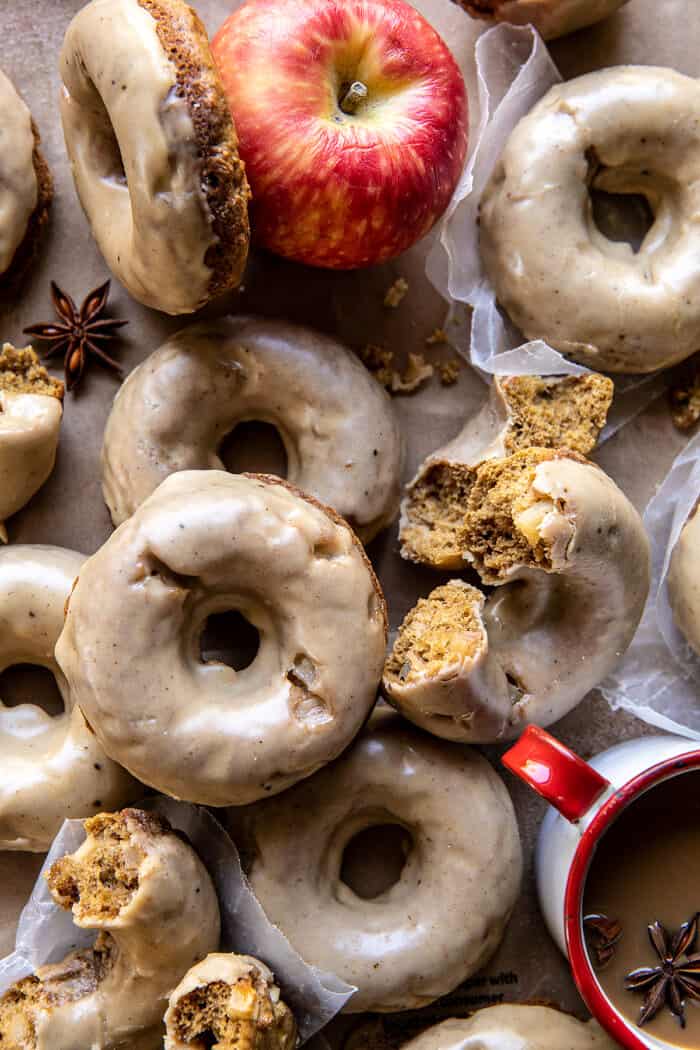
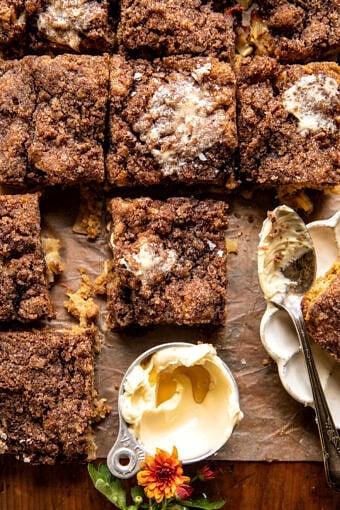
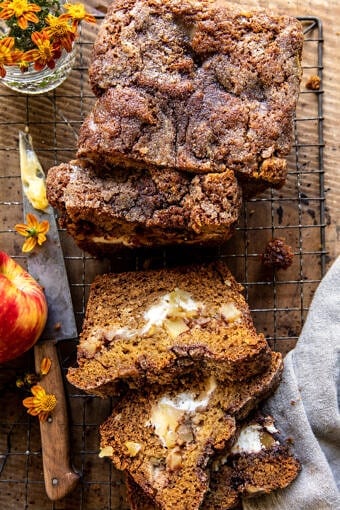
The resurgence of breakfast-focused apple dishes, such as baked cinnamon apple butter French toast and chai-spiced muffin breads, highlights a consumer interest in comfort-oriented morning meals. These recipes utilize the natural pectin in apples to provide structure to baked goods, often allowing for a reduction in processed sugars. The incorporation of browned butter and maple glazes provides a depth of flavor that complements the tartness of varieties like the Granny Smith or the sweetness of the Fuji.

Savory Applications and One-Pot Meals
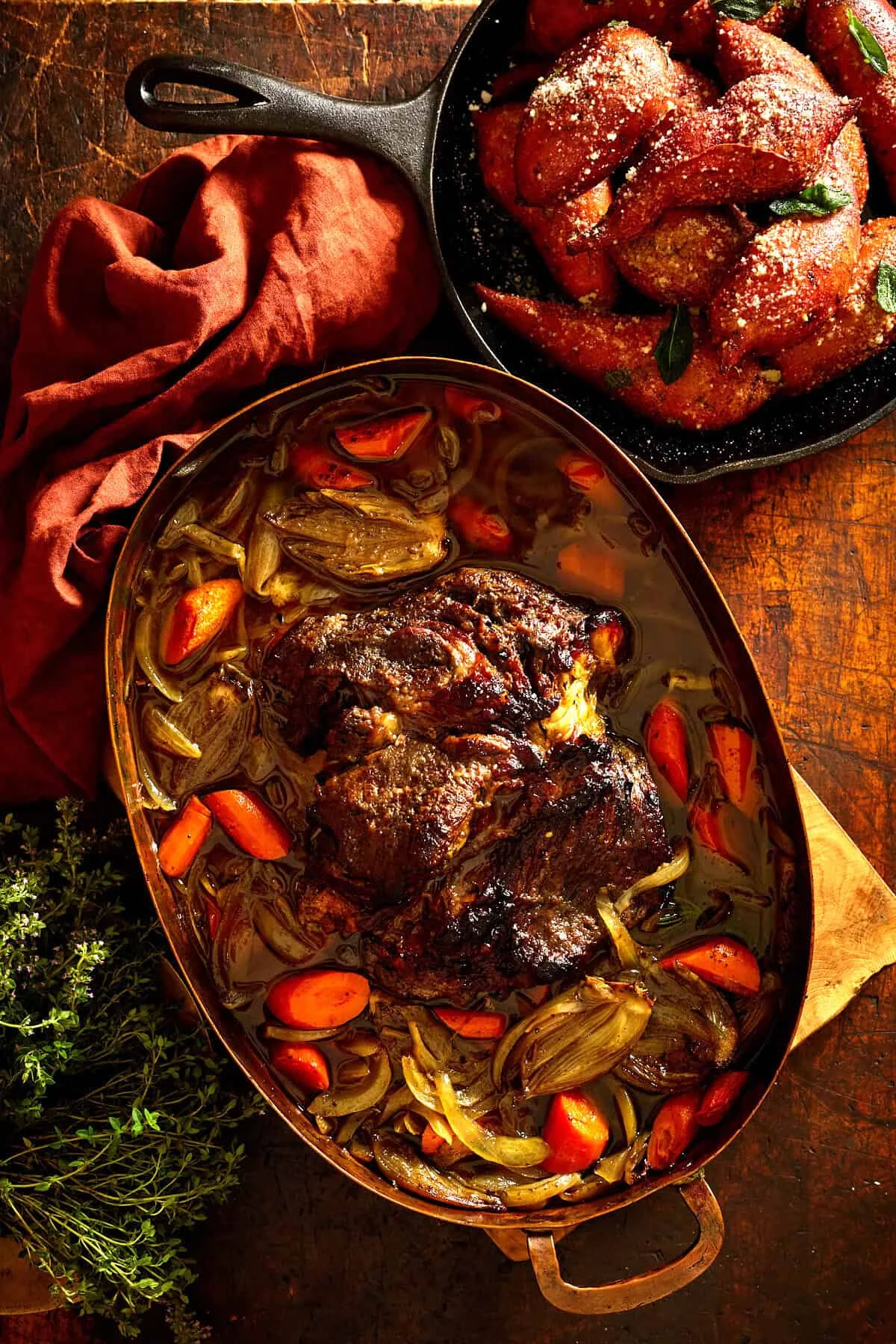
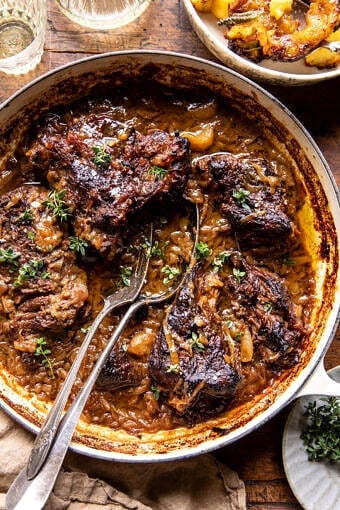
Perhaps the most significant development in recent culinary trends is the expansion of apple usage in savory main courses. Cider-braised pot roasts and apple-cider-smothered chicken represent a shift toward high-efficiency, one-pot cooking methods. By utilizing the acidity of apple cider as a tenderizing agent for proteins, home cooks can achieve complex, restaurant-quality flavors with minimal prep time. This method is particularly effective for tougher cuts of meat, as the natural sugars in the cider aid in the caramelization process during the braising phase.

Salad and Seasonal Freshness
Salad preparation in autumn has evolved to include more robust, texture-heavy ingredients. The integration of shredded kale, Brussels sprouts, and pomegranate seeds with thinly sliced apples creates a balanced plate that offers a complex interplay of textures. The addition of sharp cheeses—such as aged Manchego, Brie, or feta—provides the necessary fat content to round out the flavor profile, ensuring that these dishes remain satiating as the weather cools.

Economic and Agricultural Implications
The surge in popularity for apple-based recipes has tangible economic benefits for local growers. Agritourism, which includes pick-your-own operations, has seen a steady increase in foot traffic during the month of September. These operations serve as a vital link between the consumer and the source of production, fostering a deeper understanding of food provenance.

Local farmers’ markets and independent retailers report that when consumers are provided with recipes and usage ideas for specific apple varieties, purchase volume increases. This trend suggests that culinary education—specifically regarding which apples are best for baking versus raw consumption—directly influences agricultural sales. For example, the Honeycrisp apple, while primarily marketed for fresh eating, has gained traction in savory salads due to its structural integrity and resistance to oxidation when sliced.

Future Projections and Seasonal Shifts
As the agricultural sector looks toward the remainder of the year, industry experts predict a sustained interest in "functional comfort food." This category includes recipes that provide the psychological warmth of traditional comfort foods while maintaining a focus on whole-food ingredients.

The timeline for these trends is clearly delineated:
- September: Focus on fresh, crisp apples, salads, and light, early-autumn baking.
- October: Transition toward heavier braising, hearty soups, and complex desserts.
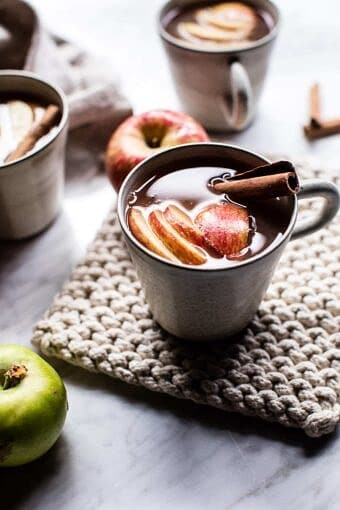
- November: Culmination of the harvest season with holiday-centric punch recipes, large-scale baking, and traditional preparations for family gatherings.
Professional Culinary Analysis
From a professional standpoint, the versatility of the apple makes it a "low-cost, high-impact" ingredient. Chefs and recipe developers note that because apples are readily available and relatively inexpensive compared to exotic fruits, they allow for a high degree of creative experimentation.
"The key to working with apples in a professional or home kitchen is understanding the acidity balance," notes one culinary consultant. "When you pair a high-acidity apple with a savory element like prosciutto or aged cheddar, you are essentially creating a balance that would otherwise require the addition of expensive vinegar or citrus. It is a fundamental technique that adds layers of flavor to simple dishes."
Conclusion: The Lasting Appeal of the Apple Harvest
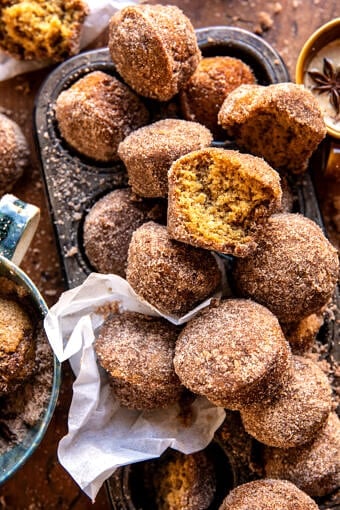
The transition into autumn is more than a change in weather; it is a shift in the culinary landscape. The wide array of recipes—from baked doughnut holes and apple butter breads to cider-infused cocktails and beer-based soups—demonstrates that the potential of this fruit is far from exhausted. As home cooks continue to prioritize seasonal, local produce, the apple will undoubtedly remain at the center of the autumn table.
Whether one is visiting an orchard to pick their own fruit or selecting the best of the season at a local grocer, the opportunity to experiment with these 30 distinct recipes offers a roadmap for navigating the season with creativity and intention. As we move deeper into the final quarter of the year, the focus remains clear: utilizing the bounty of the harvest to create meals that are both nourishing and reflective of the changing season.