Clara Fransiska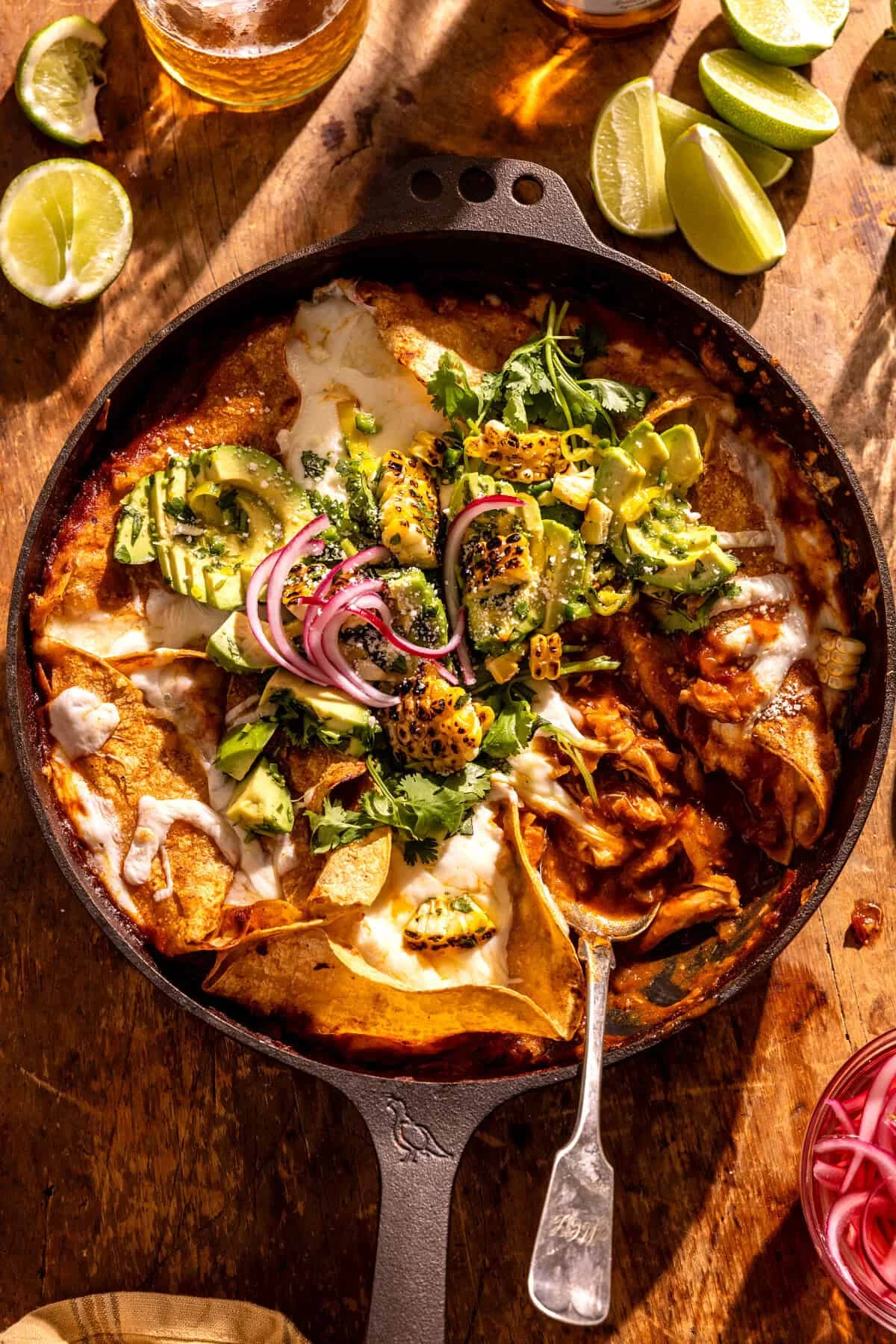
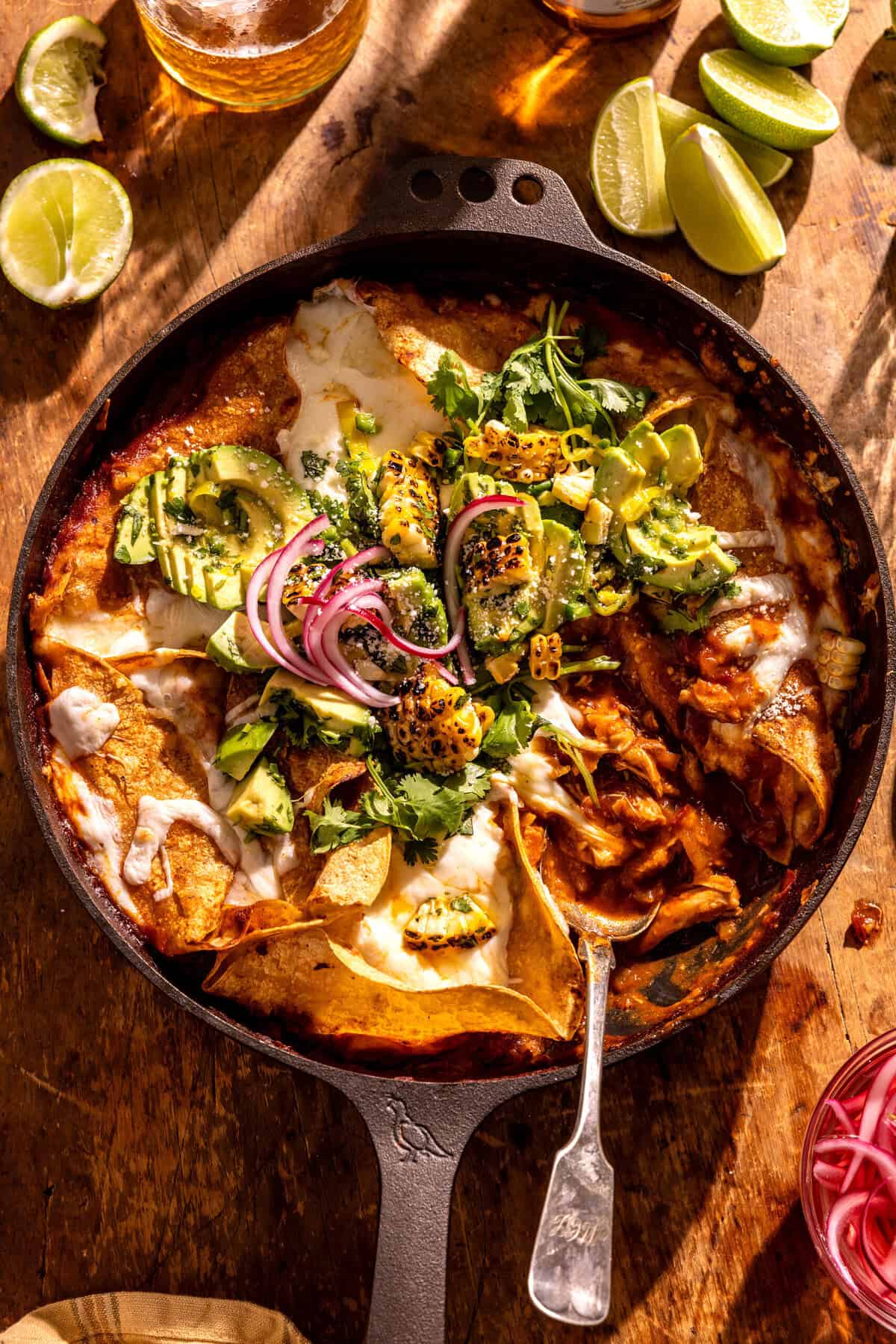
The culinary landscape for home-based cooking in late 2026 has shifted significantly toward efficiency and elevated, one-pot methodologies. Among the most notable entries into this category is the Honey Chipotle Chicken Enchilada Bake, a dish that streamlines traditional Mexican-American preparation methods into a single-skillet format. As busy households navigate the intersection of professional obligations and seasonal transitions, the demand for high-quality, time-sensitive recipes has reached a peak, leading to a surge in the popularity of "shortcut" culinary techniques that prioritize flavor complexity without the traditional labor-intensive assembly.
The rise of this specific preparation method mirrors a broader trend in home economics: the preference for "low-touch" cooking. According to recent consumer trends analysis, interest in one-skillet meals has increased by approximately 22% over the last fiscal year, driven largely by dual-income households seeking to minimize cleanup time during the work week. The Honey Chipotle Chicken Enchilada Bake serves as a primary example of this movement, replacing the individual rolling of tortillas with a layered, bake-in-skillet approach that allows for greater sauce absorption and textural variation.
Chronology of the Recipe’s Development
The methodology behind this dish began to gain traction in early September 2026, as culinary platforms began pivoting toward autumnal comfort foods. The recipe development process, which emphasizes the use of accessible pantry staples such as chipotle peppers, honey, and pre-shredded chicken, follows a structured timeline designed for a 50-minute total preparation window.
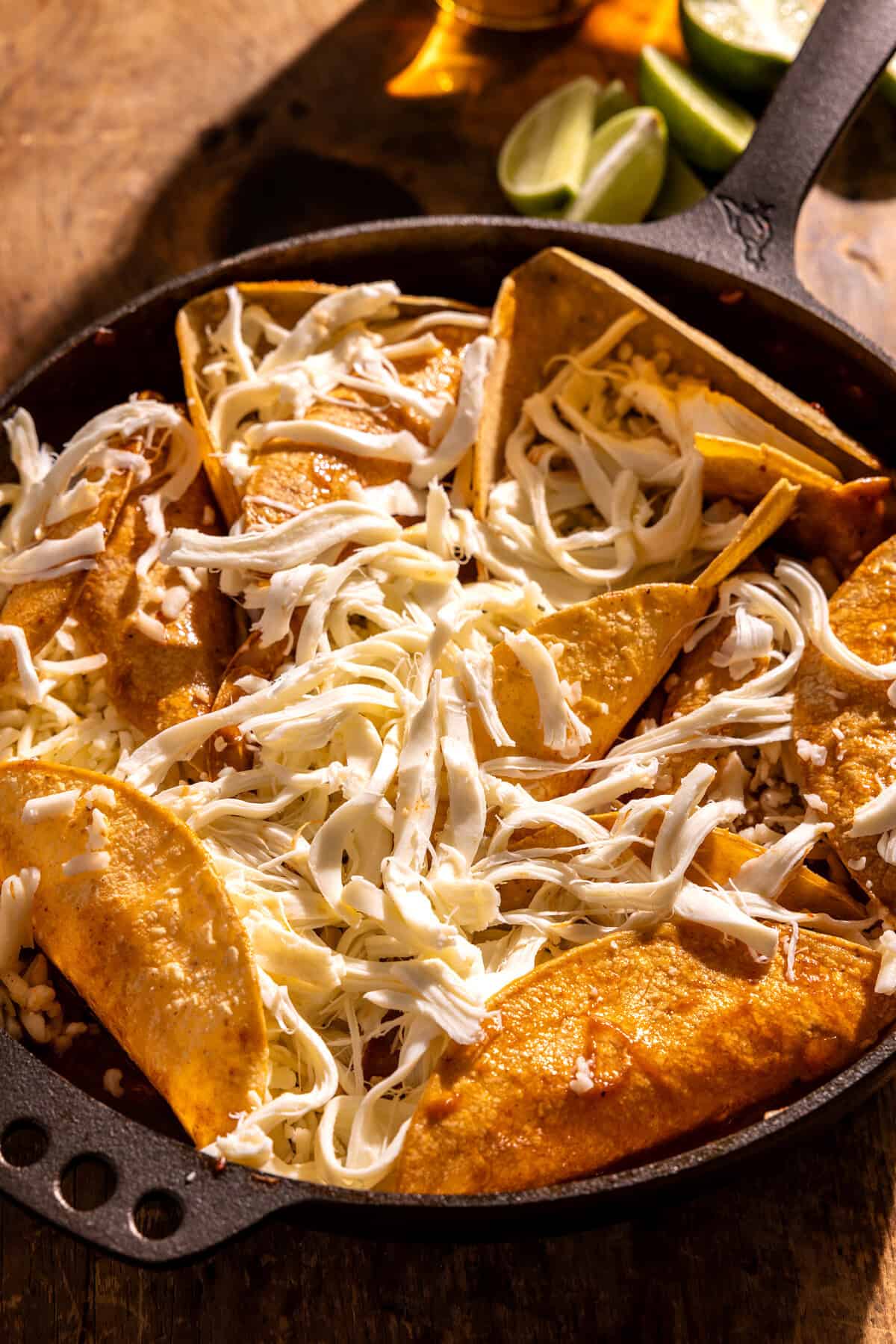
The initial phase, which accounts for approximately 20 minutes of preparation, involves the simultaneous creation of the braising liquid—comprised of enchilada sauce, green chiles, and smoked aromatics—and the structural assembly of the tortillas. By incorporating cheese directly into the folded tortillas before placing them into the simmering sauce, the recipe utilizes a "convection-style" cooking logic, ensuring that the tortillas remain supple at the base while the exposed edges undergo a Maillard reaction, resulting in a desirable crispy exterior.
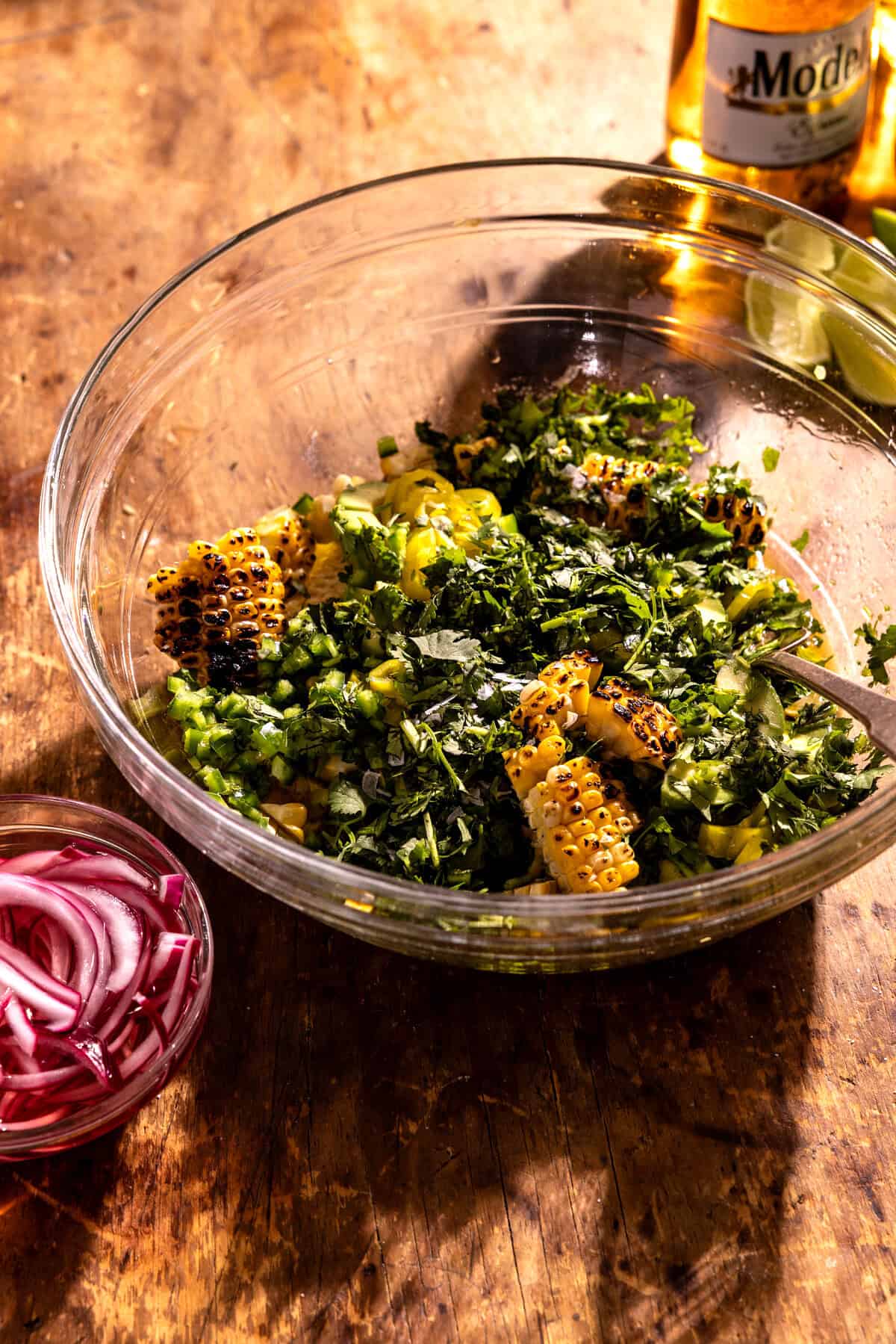
The secondary phase, occurring during the 30-minute oven-baking cycle, focuses on the preparation of a fresh, acidic counterpoint: the Grilled Honey Jalapeño Corn Salad. By offloading the preparation of this garnish to the time spent while the skillet is in the oven, the recipe maximizes kitchen efficiency, a key requirement for modern meal planning.
Supporting Data and Nutritional Profiles
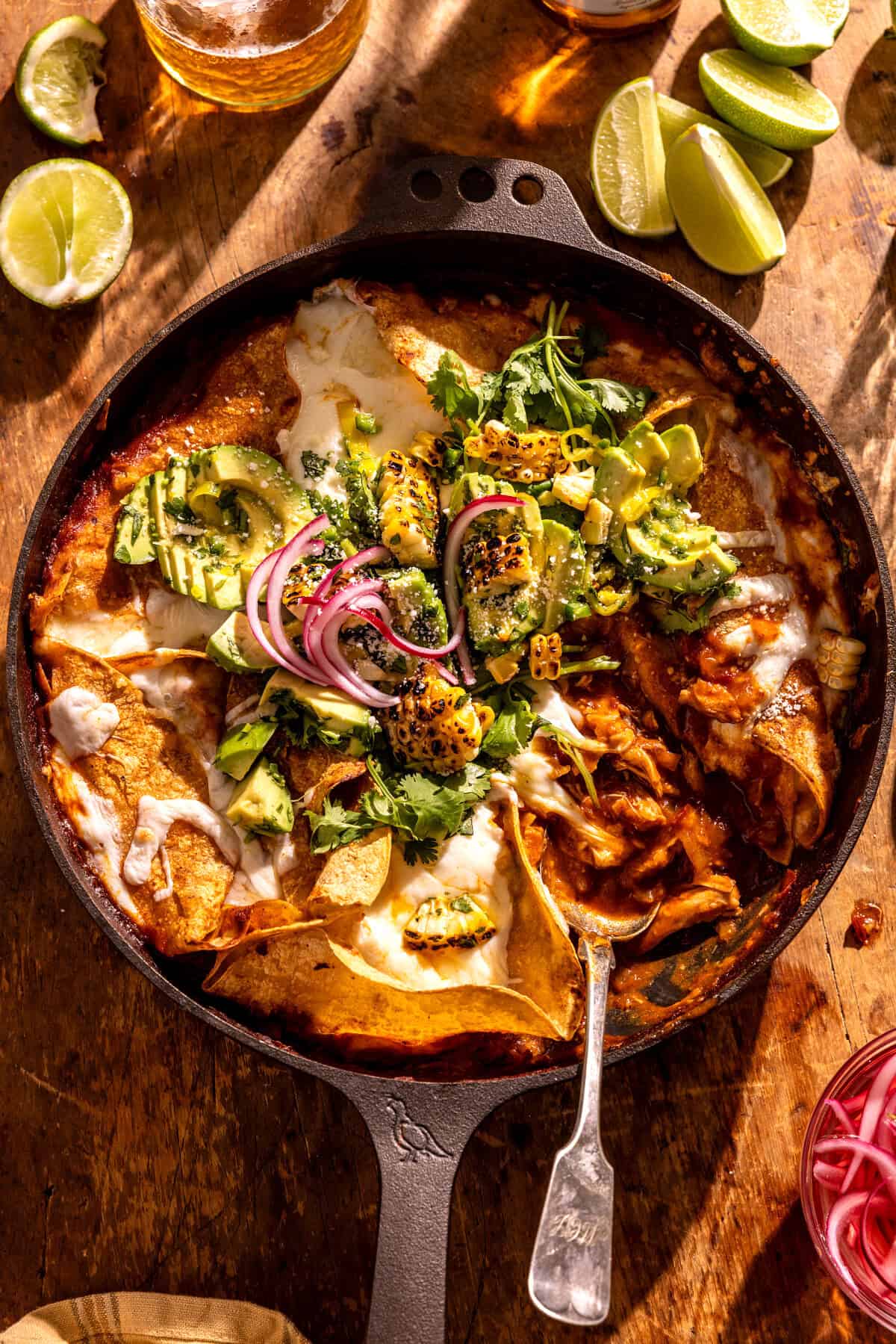
The nutritional profile of this dish reflects a balance of macronutrients, with an estimated caloric density of 540 kilocalories per serving. While traditional enchilada preparations often rely on heavy frying of tortillas—which can significantly increase lipid intake—the skillet-bake method allows for a controlled heat environment that relies on moisture-based softening and oven-crisping.
The inclusion of the corn salad provides a significant boost to the fiber and micronutrient content of the meal. The use of charred corn, avocado, and fresh lime juice introduces essential vitamins and minerals that are often absent in traditional, starch-heavy comfort dishes. From a fiscal perspective, the ingredients utilized in this dish are considered low-cost, high-yield items. The combination of canned enchilada sauce and shelf-stable spices allows for a cost-per-serving that remains well below the national average for restaurant-prepared Mexican cuisine, making it an economically viable option for families during a period of sustained inflation in grocery pricing.
Professional Perspective and Culinary Implications
Industry experts suggest that the "skillet-first" approach is a direct response to the "back-to-school" and "post-summer" stress cycles. As families return to rigid schedules in September, the psychological value of a meal that is both comforting and low-maintenance cannot be overstated.
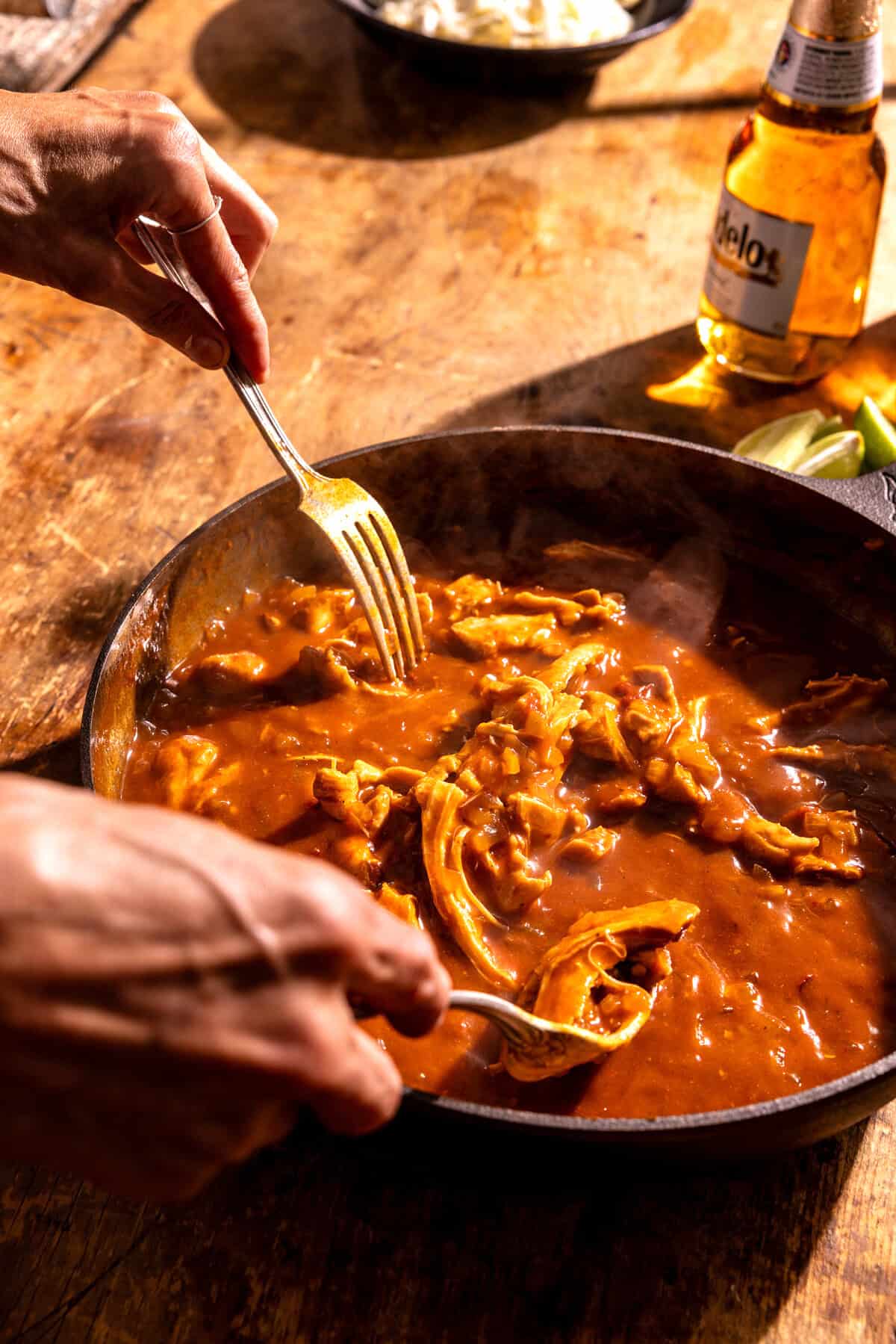
"The modern kitchen is no longer just a place for creation; it is a management hub," notes one culinary analyst. "When you see recipes like the Honey Chipotle Chicken Enchilada Bake, you are looking at a response to the time-poverty experienced by modern workers. By eliminating the manual labor of rolling individual enchiladas, the chef—or in this case, the home cook—is reclaiming time without sacrificing the sensory experience of a traditional meal."
Furthermore, the integration of contrasting flavor profiles—specifically the juxtaposition of the smoky, spicy heat from the chipotles with the natural sweetness of honey—indicates a shift in home cooking toward more sophisticated palate profiles. This trend, often seen in high-end gastropubs, is being successfully adapted for the domestic sphere, signaling a democratization of flavor complexity.
Broader Impact on Domestic Food Trends
The impact of this recipe extends beyond its immediate utility as a dinner option. It represents a shift in how food media interacts with its audience. By providing clear, step-by-step instructions that emphasize the "why" behind the technique—such as why the tortillas should be left partially exposed to the air to achieve crispness—the recipe serves an educational purpose.
The broader implications for home cooking trends include:
- Increased demand for oven-safe cookware: As one-skillet meals become more prevalent, the market for high-quality, cast-iron or enameled Dutch ovens is expected to see sustained growth.
- The "Topping as a Meal" movement: The use of the corn salad as a final, fresh garnish highlights a growing preference for meals that combine hot, cooked elements with cold, raw, or fresh ingredients, providing a more balanced dining experience.
- Flexibility in ingredient sourcing: The recipe’s reliance on pantry staples encourages a reduction in food waste, as users can adapt the chicken, sauce, and cheese components based on what is currently available in their kitchens.
Official Considerations and Safety
From a safety and preparation standpoint, the recipe follows standard culinary guidelines for poultry preparation. The instruction to ensure the chicken is cooked through and shredded directly within the sauce facilitates a uniform temperature throughout the dish. The use of an oven-safe skillet is a critical safety component, as improper cookware can lead to structural failure or fire hazards at the required baking temperatures.
The inclusion of specific tips—such as the charring of corn over an open gas flame—also highlights the need for user awareness regarding heat management. While the technique provides superior texture and flavor, it requires adherence to basic fire safety protocols. The emphasis on using high-quality ingredients, such as fresh lime and raw honey, underscores a movement toward "cleaner" home cooking, even when using semi-prepared components like store-bought enchilada sauce.
Future Outlook for Skillet-Based Recipes
As we look toward the remainder of the 2026 autumn season, it is highly probable that the skillet-bake format will continue to dominate domestic meal planning. The Honey Chipotle Chicken Enchilada Bake serves as a template that can be easily modified; for instance, the protein can be substituted with black beans or tofu to suit vegetarian diets, or the spice levels can be adjusted to accommodate children or those with specific dietary sensitivities.
In conclusion, the Honey Chipotle Chicken Enchilada Bake is more than a simple recipe; it is a reflection of a society that values efficiency, flavor, and the comfort of communal dining. By leveraging simple techniques to achieve restaurant-quality results, it provides a viable solution for the complexities of modern life. As the trend toward one-pot meals continues to mature, it is likely that we will see further innovations in this space, with a continued focus on balancing speed with nutritional integrity and culinary excellence. The success of this dish serves as a testament to the fact that with the right approach, even the most hectic schedules can accommodate a well-rounded and deeply satisfying meal.