Michael Sholeh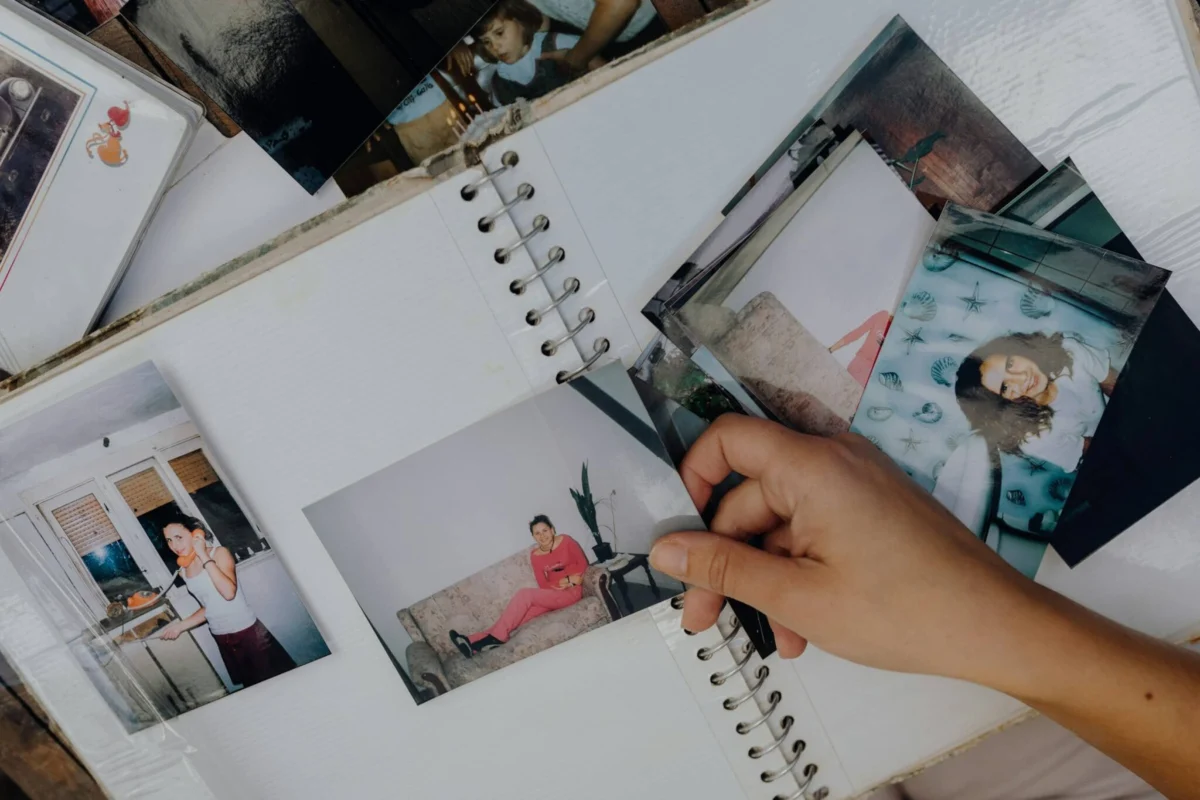
The passing of a loved one often precipitates a dual crisis for the surviving family: the immediate emotional weight of grief and the subsequent logistical burden of settling an estate. In a recent account detailed by Joe Darago, Executive Director of the non-profit organization The Hope Effect, the transition following the death of his aunt, Elizabeth "Liz" Darago, provided a case study in how proactive end-of-life planning can significantly mitigate familial stress. As the family pastor who oversaw the funeral services in Northeast Ohio, Darago observed that the intentionality his aunt displayed in her final year transformed a potentially chaotic inheritance process into a period of reflection and communal support.
The Context of a Generational Legacy
The Darago family history is rooted in Northeast Ohio, characterized by a large, close-knit structure involving six siblings and a deep connection to their paternal lineage. Aunt Liz and her sister, Aunt Marilyn, occupied a unique role within this dynamic. Having no children of their own, they redirected their maternal energy toward their nieces and nephews, maintaining a consistent presence at graduations, sporting events, and holiday gatherings.
Approximately a decade ago, as age-related health challenges began to manifest, the two sisters consolidated their households. This move was intended to facilitate mutual care and reduce living expenses, a common strategy among aging Americans. However, this consolidation also resulted in a significant accumulation of physical property. The household became a repository for generations of family history, containing documents from their great-grandfather, furniture from their mother’s estate, and inventory remnants from a defunct family business.
According to Darago, the family’s historical difficulty with "letting go" created a domestic environment where "every corner of the living room" and "the musty basement" were occupied by items that had long since lost their utility but retained sentimental or historical weight. The challenge of managing this inventory fell to the surviving relatives following the death of Aunt Marilyn, and most recently, Aunt Liz.
The Administrative Foundation: The Implementation of a Living Trust
One of the most critical steps taken by Elizabeth Darago was the establishment of a formal trust approximately one year prior to her death. Despite the modest appearance of her lifestyle, her estate was multifaceted, comprising two residential properties, several retirement accounts from various former employers, a life insurance policy, and a specialized coin collection.
Estate planning experts note that without a trust, assets of this complexity typically enter probate—a court-supervised process that can take anywhere from six months to two years to resolve. According to data from the American College of Trust and Estate Counsel (ACTEC), probate costs can consume between 3% and 7% of an estate’s total value. By working with a professional to establish a trust and appoint an executor, Liz Darago bypassed these hurdles.
"This one step saved my sister—who served as the executor—countless hours and headaches," Darago noted. The clarity of the documentation served as a preventative measure against the financial tension that frequently fractures families during the asset distribution phase. By removing the ambiguity of "who receives what," the family was permitted to focus on the psychological aspects of mourning rather than the legalities of inheritance.
The Physical Legacy: Strategic Simplification and "Death Cleaning"
In her final year, Liz Darago began a process akin to the Swedish concept of döstädning, or "death cleaning." This practice involves the deliberate decluttering of one’s home to ensure that survivors are not overwhelmed by the volume of possessions left behind.

While the home remained filled with historical artifacts, Darago observed a distinct shift in his aunt’s approach to her environment. She began clearing closets, filing and labeling essential paperwork, and setting aside items for donation. This behavior addresses a growing concern in the United States, where the "Great Wealth Transfer"—the movement of an estimated $84 trillion from older generations to heirs—is often accompanied by a "Great Stuff Transfer" that many younger relatives are ill-equipped to handle.
For the Darago family, these small acts of preparation were symbolic of a larger effort to lift the "burden of belongings" from the next generation. The labeling of items and the thinning of domestic clutter provided a roadmap for the family, making the eventual task of clearing the house a guided exercise rather than an investigative one.
Breaking the Silence: The Psychological Impact of Open Dialogue
Perhaps the most impactful element of Elizabeth Darago’s preparation was her willingness to engage in uncomfortable conversations about mortality. Research conducted by The Conversation Project indicates that while 92% of Americans say it is important to talk about their wishes for end-of-life care, only 32% have actually done so.
Liz Darago broke this trend by initiating specific, one-on-one discussions with her relatives regarding their future responsibilities. These conversations covered practical needs, such as the care of her aging pets, and cultural needs, such as the continuation of family Christmas traditions. Furthermore, she designated Joe Darago as the "family historian," a role that involved the systematic transfer of old photographs, handwritten letters, and oral histories.
"None of us enjoyed those conversations," Darago admitted, "but all of us are grateful we had them." These dialogues provided the family with "permission" to grieve without the secondary trauma of second-guessing the deceased’s wishes. From a clinical perspective, such clarity is known to reduce the incidence of complicated grief and post-traumatic stress among survivors.
Broader Implications for Aging and Estate Management
The case of the Darago family reflects broader societal shifts toward "intentional aging." As life expectancy remains high and the complexity of modern financial portfolios increases, the traditional "hands-off" approach to death is being replaced by a model of radical transparency.
Professional organizers and estate planners suggest three primary takeaways from this account that can be applied to the general public:
- Initiation of the Conversation: Experts recommend that families move beyond the "taboo" of death. Using "what if" scenarios and gentle questioning regarding wills and power of attorney can establish a foundation for future security.
- Contextualizing Heirlooms: The value of an object often lies in its story. Darago’s experience highlights the importance of labeling photographs and documenting the history of heirlooms. Without this context, items that were once treasures often end up in landfills because heirs do not understand their significance.
- Expressing Gratitude in Real-Time: A significant observation made during the funeral service was the outpouring of sentiment from friends and neighbors. Darago posited that the emotional utility of such praise is maximized when shared while the recipient is still alive to hear it.
Fact-Based Analysis of End-of-Life Trends
The proactive measures taken by Elizabeth Darago align with current trends in the "death positive" movement, which encourages people to prepare for the end of life with the same rigor they apply to other major life milestones. The economic and emotional costs of lack of preparation are quantifiable:
- Financial Impact: According to a 2024 survey by Caring.com, only 32% of American adults have a will or living trust. This lack of documentation often leads to legal disputes that can deplete family savings.
- Mental Health Impact: Studies published in the Journal of Palliative Medicine indicate that family members of individuals who documented their end-of-life preferences reported significantly lower levels of anxiety and depression during the bereavement period.
- Minimalism as Stewardship: The rise of minimalism, championed by figures like Joshua Becker (a close associate of Darago), is increasingly being applied to end-of-life planning. The goal is to leave a legacy of "meaning rather than mass."
Conclusion
The intentional steps taken by Elizabeth Darago in her final months demonstrate that the difficulty of saying goodbye can be mitigated through administrative foresight, physical simplification, and emotional honesty. Her actions served as a final gift to her family, ensuring that her legacy was defined by the presence she maintained in their lives rather than the possessions she left behind. As Joe Darago continues his work with The Hope Effect, focusing on providing families for orphaned children, he emphasizes that the concept of family is anchored in the "immense weight" of steady, quiet love—a value that is best preserved when the path to honoring it is cleared of unnecessary obstacles.