Michael Sholeh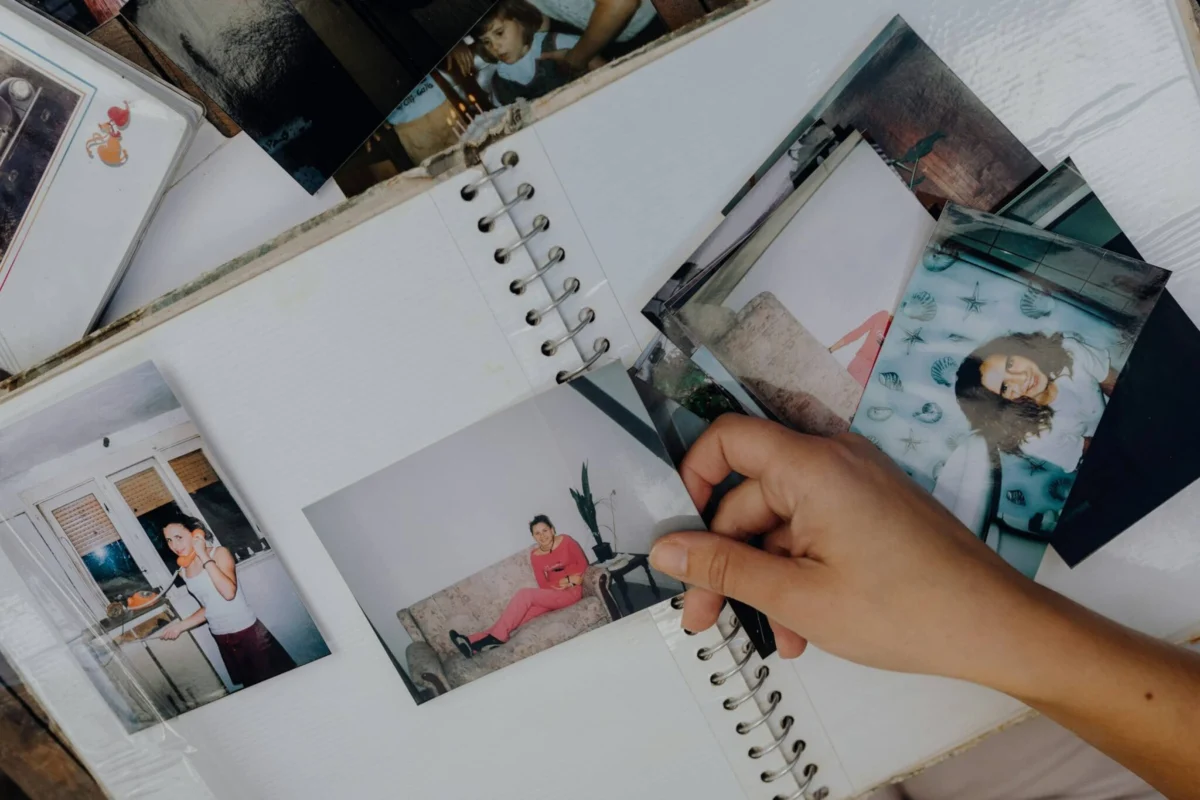
The transition from life to legacy is often fraught with legal hurdles, financial disputes, and the overwhelming physical burden of sorting through decades of accumulated possessions. However, through a combination of legal foresight, physical decluttering, and open communication, Elizabeth Darago managed to mitigate the traditional stressors associated with the death of a family matriarch. Her approach aligns with a broader societal shift toward minimalism and "Swedish Death Cleaning" (Döstädning), a practice where individuals organize their affairs to spare their loved ones the burden of doing so after their passing.
A Chronology of Intentionality
The Darago family history is rooted in Northeast Ohio, where Elizabeth and her sister Marilyn were long-term fixtures in the lives of their six nieces and nephews. Despite never having children of their own, the two sisters remained central to the family’s social fabric, attending decades of graduations, sporting events, and holiday gatherings.
The timeline of Elizabeth’s end-of-life preparation began approximately ten years ago when both she and Marilyn began facing significant health challenges. In a move designed to consolidate resources and provide mutual care, the sisters moved into a shared residence. While this consolidated their living expenses, it did not initially address the accumulation of family artifacts, which included documents dating back to their great-grandfather and remnants from a defunct family business.
The most critical phase of the chronology occurred roughly twelve months prior to Elizabeth’s death. Recognizing her declining health, she initiated a series of three specific actions—legal, physical, and verbal—that transformed the subsequent grieving process for her survivors.
The Legal Framework: Utilizing Trusts to Mitigate Conflict
The first pillar of Elizabeth’s strategy was the establishment of a formal trust. According to data from Caring.com’s 2024 Wills and Estate Planning Study, only about 32% of American adults have a will or living trust, a statistic that often leads to lengthy and expensive probate court proceedings. Elizabeth, who possessed a complex portfolio including two real estate properties, multiple retirement accounts, life insurance policies, and a specialized coin collection, sought professional counsel to bypass these common pitfalls.
By appointing an executor—in this case, one of her nieces—and clearly documenting the distribution of assets, Elizabeth removed the ambiguity that frequently leads to familial discord. In the professional analysis of estate planners, money and asset distribution are among the leading causes of long-term family estrangement following a death. The presence of a trust ensured that the family could focus on the memorial services rather than legal filings or financial disputes.
Physical Minimalism and the "Death Cleaning" Movement
The second action involved a deliberate reduction of physical belongings. The Darago family home had historically served as a repository for generational keepsakes, ranging from antique furniture to musty basement archives from the family’s ancestral store. Research suggests that the average American home contains over 300,000 items, and for the "Silent Generation" and "Baby Boomers," these items often carry heavy sentimental weight.
In her final year, Elizabeth began the process of "simplifying where she could." While she remained the "family cloud"—the keeper of oral histories and secrets—she began labeling boxes, filing essential papers, and donating items that no longer served a purpose. This mirrors the Döstädning trend, which encourages individuals over the age of 50 to begin the process of decluttering so that their children or relatives are not left with the task during a period of acute grief.

By clearing closets and organizing her archives, Elizabeth provided her family with a "gift of time." The physical act of sorting through a deceased loved one’s home is estimated to take several hundred hours; Elizabeth’s preliminary work significantly reduced this administrative burden, allowing the family to honor her memory through the items she chose to keep rather than being overwhelmed by the items she failed to discard.
The Role of the Family Historian and Oral Tradition
The third and perhaps most impactful step was Elizabeth’s willingness to engage in difficult conversations about her own mortality. She initiated private discussions with each family member, assigning specific roles for the future. These roles included the care of her pets, the continuation of holiday traditions, and the official designation of a family historian.
Joe Darago, who accepted the role of historian, noted that Elizabeth spent her final months curating specific items for him, such as handwritten letters and old photographs, accompanied by notes explaining their significance. This proactive storytelling addresses a common issue in modern genealogy: the loss of context. Without labels or stories, historical artifacts often lose their value and are discarded by subsequent generations.
Psychological studies on grief suggest that "anticipatory guidance"—the process of discussing and planning for death before it occurs—can significantly reduce the incidence of complicated grief and post-traumatic stress among survivors. By speaking openly about her wishes and the stories behind her possessions, Elizabeth provided her family with a sense of agency and clarity.
Broader Implications for Estate Planning and Family Dynamics
The case of Elizabeth Darago serves as a practical example of how minimalism and intentionality can be applied to the end-of-life process. The implications of her actions extend beyond her immediate family, offering a template for a society currently navigating the "Great Wealth Transfer," in which trillions of dollars in assets and countless physical belongings are being passed down to younger generations.
Professional estate analysts and grief counselors suggest three "loving steps" that families can take based on this model:
- Initiating the Conversation Early: Starting discussions about wills, power of attorney, and healthcare proxies before a crisis occurs is essential. Experts recommend approaching these topics with compassion rather than a focus on control.
- Preserving the Story, Not Just the Object: Families are encouraged to ask open-ended questions about heirlooms. Identifying the "why" behind an object allows the sentiment to be preserved even if the physical object is eventually sold or donated.
- Expressing Gratitude in Real-Time: One of the most significant takeaways from the Darago memorial service was the realization that many heartfelt tributes are delivered after the recipient is unable to hear them. The practice of "living eulogies" or consistent expressions of love is recommended to ensure no words are left unsaid.
Conclusion: A Legacy of Presence Over Possessions
At the funeral service, which Joe Darago oversaw as the family pastor, a notable observation was made: none of the attendees spoke of Elizabeth’s possessions. Instead, the testimonials focused on her presence, her consistent encouragement, and how she made people feel.
This reinforces a core tenet of minimalism: the value of a life is measured by relationships and impact rather than the accumulation of material goods. By managing the "stuff" of her life before her passing, Elizabeth Darago ensured that her material legacy did not overshadow her relational legacy. Her intentionality provided her family with the space to grieve, the clarity to honor her wishes, and a clear path forward for the generations that follow. In a world where death is often treated as a taboo subject, her final year stands as a testament to the fact that preparing for the end is one of the most selfless acts of love an individual can perform for their family.