Cintya Tara Annisa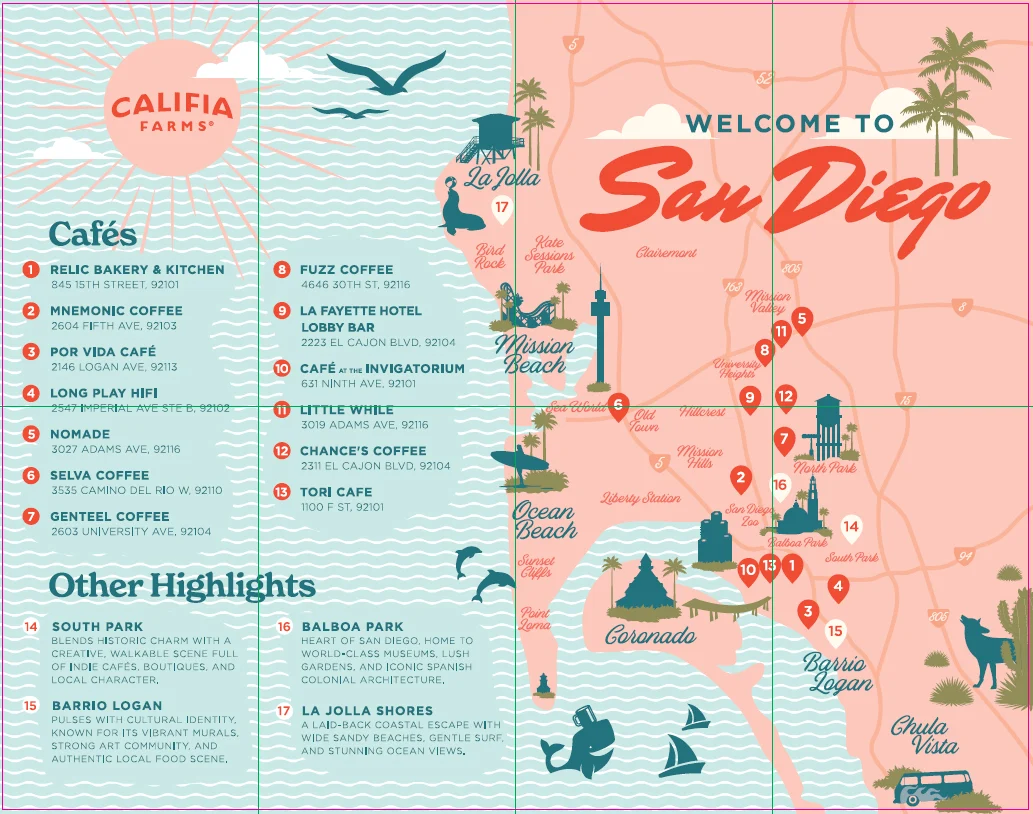
The global specialty coffee community is preparing to converge on Southern California as the World of Coffee San Diego trade show approaches, bringing together thousands of industry professionals, roasters, baristas, and equipment manufacturers. Organized by the Specialty Coffee Association (SCA), this event serves as a premier international platform for innovation, competition, and networking within the multi-billion dollar coffee industry. While the primary activities are centered at the San Diego Convention Center, a new initiative led by Califia Farms aims to bridge the gap between the formal exhibition floor and the local retail landscape. The Califia Passport Program has been designed to incentivize attendees to venture beyond the convention walls and engage directly with the city’s vibrant independent coffee scene, fostering a deeper economic and cultural connection between the visiting international delegates and the San Diego community.
The Strategic Framework of the Califia Passport Program
As the specialty coffee industry continues to evolve, the distinction between business-to-business (B2B) trade shows and consumer-facing experiences has become increasingly blurred. Califia Farms, a leader in the plant-based beverage sector, has recognized this shift by launching a city-wide activation that prioritizes experiential marketing and community support. The Passport Program functions as a structured guide for visitors, directing them to 12 curated coffee shops across various San Diego neighborhoods.
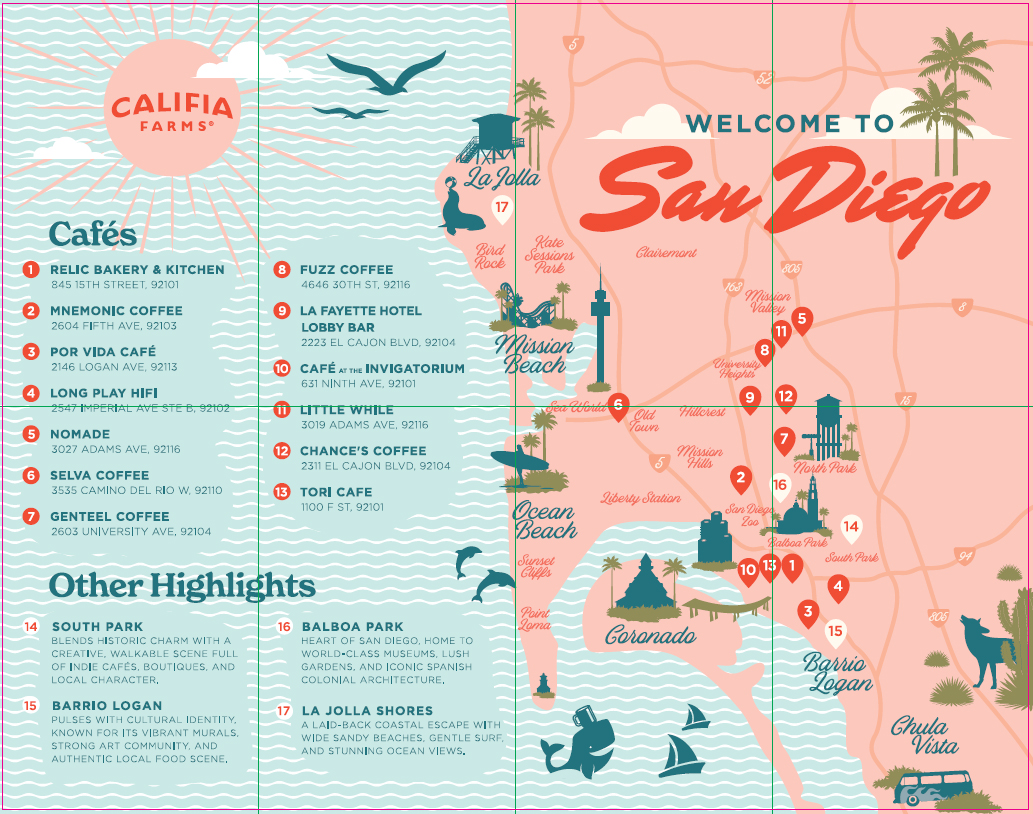
The mechanics of the program are designed to encourage physical movement and retail participation. Attendees begin their journey at the World of Coffee exhibition hall, specifically at the Califia Farms booth (#4052). There, they can collect a physical passport which includes a map of the participating locations. To earn "stamps" within the passport, participants must visit the listed cafes and purchase featured beverages. This model ensures that the foot traffic generated by the convention translates into direct revenue for local small businesses.
The reward structure is tiered to encourage multiple visits:
- One Stamp: A commemorative tote bag.
- Two Stamps: A branded hat.
- Three Stamps: A specialty beanie.
- Four or More Stamps: Access to a limited-edition item, the details of which are often reserved for those who complete the more rigorous tiers of the circuit.
By gamifying the exploration of San Diego’s coffee culture, Califia Farms is positioning itself not just as a supplier of alternative milks, but as a facilitator of industry-wide connectivity.
A Chronology of the Specialty Coffee Association’s San Diego Expansion
The selection of San Diego as a host city for World of Coffee represents a significant milestone in the SCA’s North American event strategy. Historically, the "World of Coffee" brand was primarily associated with European venues, while the "SCA Expo" served as the flagship North American gathering. However, the increasing globalization of the industry and the high demand for specialized regional events led to the decision to bring the World of Coffee format to the United States’ West Coast.
San Diego’s emergence as a coffee hub has been decades in the making. Known for its "Capital of Craft" moniker—originally a reference to its world-renowned craft beer industry—the city has seen a parallel explosion in specialty coffee roasting and high-end retail. The timeline of this year’s event follows months of logistical planning:
- Pre-Event Coordination (6-12 Months Prior): Selection of venue and initial partnerships with local tourism boards.
- Vendor Registration (4 Months Prior): Brands like Califia Farms secure booth space and begin designing off-site activations.
- Local Engagement (2 Months Prior): Identification of the 12 "influential" cafes to participate in the Passport Program.
- The Event Window: Three days of high-intensity networking, cuppings, and competitions inside the convention center, synchronized with the Passport Program’s duration.
Profiling the Participating San Diego Coffee Community
The 12 cafes selected for the program represent a cross-section of San Diego’s diverse neighborhoods, from the historic streets of Barrio Logan to the trendy corridors of North Park and South Park. Each establishment was chosen based on its influence, quality of service, and commitment to the craft of specialty coffee.
The roster includes:
- Mnemonic Coffee: Known for its minimalist aesthetic and precision brewing.
- Por Vida!: A cultural anchor in Barrio Logan that blends traditional Mexican flavors with modern coffee techniques.
- Long Play HiFi and Nomade: Establishments that emphasize the intersection of high-quality audio experiences and beverage service.
- Selva Coffee and Genteel Coffee: Roaster-retailers that focus on direct-trade relationships and sustainable sourcing.
- Fuzz Coffee: A newer entrant that has quickly gained a reputation for its bold branding and experimental roasts.
- Lafayette Hotel Cafe and Cafe @ Invigatorium: Notable for their unique interior designs and high-volume, high-quality output.
- Little While, Chance’s Coffee, Relic Bakery & Kitchen, and Tori Cafe: These locations highlight the integration of coffee with culinary excellence, offering curated menus that go beyond the standard espresso bar.
During the three days of the convention, these cafes will serve signature drinks—some of which are permanent staples of their menus and others created specifically for the World of Coffee weekend. This allows visitors to experience the "terroir" of San Diego’s coffee scene through the lens of its local creators.
Market Analysis: The Role of Plant-Based Innovation in Specialty Coffee
The partnership between Califia Farms and these local cafes underscores a broader trend in the global beverage market: the dominance of plant-based alternatives. According to recent industry data, the plant-based milk market is projected to reach over $30 billion globally by 2030, with oat milk and almond milk leading the charge in specialty coffee environments.
For brands like Califia, events like World of Coffee are critical for maintaining market share and demonstrating product versatility. By integrating their products into the signature drinks of San Diego’s top cafes, Califia provides a "proof of concept" to thousands of potential wholesale clients. Baristas and cafe owners attending the show can see firsthand how these alternative milks perform in a high-pressure, professional retail setting.
Furthermore, the data suggests that consumers in the specialty coffee segment are increasingly motivated by sustainability and health-conscious options. The Passport Program leverages this by aligning the brand with "influential" local shops that are perceived as tastemakers. This strategy moves the conversation from "product features" to "community lifestyle," a shift that is essential for long-term brand loyalty in a crowded marketplace.

Broader Implications for the Convention and Tourism Industry
The economic impact of the World of Coffee San Diego extends far beyond the rental of the convention center. Large-scale trade shows are vital engines for local tourism, benefiting hotels, restaurants, and transportation services. However, traditional convention models often trap attendees in a "bubble," where they move only between their hotel and the exhibit hall.
The Califia Passport Program serves as a template for "distributed event architecture." By encouraging attendees to use the city’s transit systems or walk through different neighborhoods, the program spreads the economic benefits of the convention more equitably across the city. This approach is likely to be viewed favorably by municipal leaders and local business associations, who often seek ways to ensure that major events benefit small, independent operators rather than just large hospitality chains.
From a sociological perspective, this initiative also addresses the "marathon" nature of industry trade shows. The original article notes that World of Coffee is a "marathon, not a sprint," acknowledging the sensory overload that often accompanies these events. Providing a structured reason to step outside and experience the city’s "year-round perfect weather" acts as a necessary mental and physical reset for attendees, potentially leading to more productive networking and a more positive overall perception of the host city.
Conclusion and Future Outlook
As World of Coffee San Diego commences, the industry will be watching closely to see how these off-site activations perform. The success of the Califia Passport Program could influence how future SCA events are structured in cities like Milan, Busan, or Copenhagen. If the data shows significant foot traffic and increased sales for the 12 participating cafes, it will provide a powerful argument for more brands to invest in community-centric, experiential marketing.
The initiative ultimately reflects the core values of the specialty coffee movement: a focus on quality, a respect for the local community, and a desire to foster meaningful connections through a shared passion for the craft. For the thousands of visitors descending upon San Diego, the passport represents more than just a chance to win prizes—it is an invitation to experience the authentic heart of a city that has become a vital pillar of the global coffee landscape. Through the collaboration of international brands and local artisans, World of Coffee San Diego is set to leave a lasting legacy on the city’s streets, long after the last booth has been dismantled at the convention center.