Reynand Holland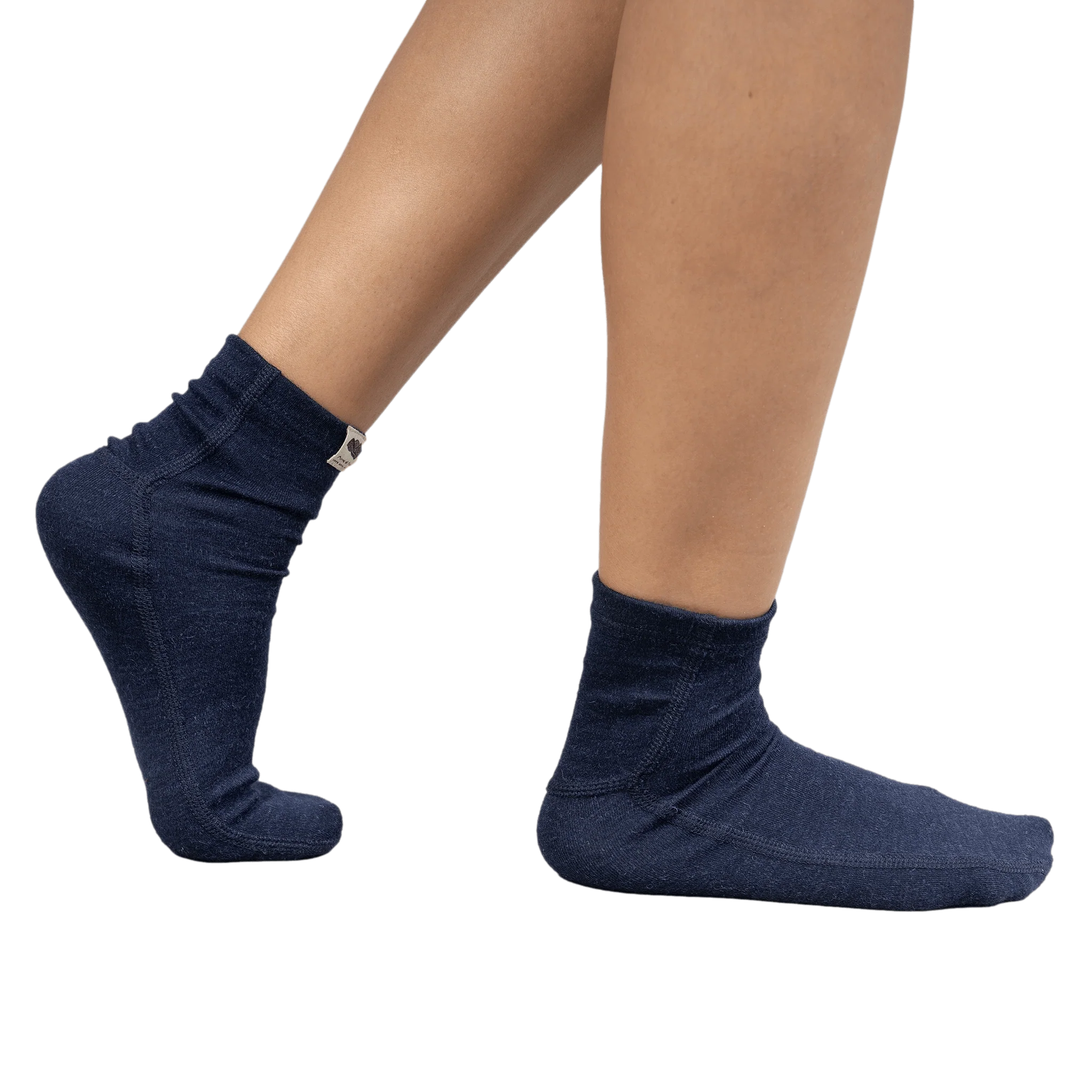
Socks, often overlooked as a mundane necessity, can play a surprisingly significant role in daily comfort and, more importantly, in our overall health and environmental well-being. For individuals experiencing skin sensitivities, particularly itching and irritation, the common culprit often lies not just in the fit of a sock, but in its material composition and the dyes used in its production. The prevalence of synthetic fibers and potentially harmful dyes in many readily available socks warrants a closer examination, revealing a landscape where comfort, health, and sustainability are increasingly intertwined.
The ubiquity of synthetic materials like polyester in the textile industry, including sock manufacturing, has raised concerns beyond mere odor retention. Research has highlighted that certain dyes, particularly azo-benzene disperse dyes commonly found on polyester, are known skin sensitizers. These chemicals, when absorbed through the skin, can pose a health risk, with some studies indicating potential carcinogenic properties. This risk is exacerbated in the case of socks, as body heat and perspiration can accelerate the migration of these substances from the fabric to the skin. A 2018 study published in the journal Environmental Science and Pollution Research identified azo dyes as a significant concern in textile safety, particularly for products with prolonged skin contact. The implications are far-reaching, affecting a broad consumer base that may not be aware of the potential health impacts of their everyday clothing choices.
Transitioning to socks made from natural fibers and dyed with safer alternatives is not an endorsement of a purely utilitarian wardrobe. The market is increasingly offering vibrant and stylish options that cater to diverse aesthetic preferences while prioritizing health and ethical production. This shift reflects a growing consumer demand for transparency and sustainability in the fashion industry, prompting brands to re-evaluate their sourcing, manufacturing processes, and material choices.
The Imperative of Natural Materials in Sock Construction
For individuals with heightened skin sensitivities or pre-existing dermatological conditions, the selection of sock materials is paramount. Opting for socks crafted from 100% natural fibers offers a significant reduction in potential irritants. While the inclusion of elastane for stretch is common in most socks, making entirely synthetic-free options a rarity, brands are emerging that prioritize this commitment. Companies like Cottonique and Arms of Andes have successfully developed sock lines that largely eschew synthetic components, offering a rare haven for extremely sensitive skin. For the majority of consumers, however, socks may contain a small percentage of synthetics, which are often unlikely to cause irritation. It is crucial for consumers to be aware of the synthetic content, with a general guideline suggesting that socks containing 20% or more synthetics warrant closer scrutiny.
The inherent properties of certain natural fibers make them ideal for sock construction. Merino wool, for instance, is renowned for its natural odor resistance and exceptional moisture-wicking capabilities, keeping feet dry and comfortable. Similarly, alpaca wool offers comparable benefits, providing warmth and breathability. When selecting wool-based socks, consumers should look for certifications such as the Responsible Wool Standard (RWS). This standard ensures that the wool is sourced ethically, prohibiting mulesing, a painful procedure performed on sheep to prevent flystrike. The RWS certification provides an assurance of animal welfare and sustainable farming practices.
Beyond wool, other natural fibers contribute to comfortable and breathable socks. Organic cotton, cultivated without the use of harmful pesticides and synthetic fertilizers, is a popular choice. Tencel, a lyocell fiber derived from wood pulp, is known for its softness and breathability. Linen, a natural fiber with excellent moisture-wicking properties, also makes for comfortable socks. Bamboo viscose, while requiring careful processing to be environmentally friendly, can offer a soft and breathable option. For those not particularly sensitive to synthetics, blends incorporating recycled materials like nylon and polyester can be considered, though a majority natural fiber composition remains the preferred choice for enhanced comfort and reduced environmental impact.
Navigating the Landscape of Non-Toxic Dyes and Finishes
The dyes and finishes applied to fabrics can be a significant source of irritation and health concern. For consumers sensitive to these chemicals, the availability of undyed socks presents an attractive solution, allowing the natural colors of the fibers to shine. For those who prefer colored socks, seeking out certifications such as Oeko-Tex and bluesign is essential.
The Oeko-Tex Standard 100 certification is a globally recognized benchmark that tests for harmful substances in textiles. Products bearing this label have been tested for a wide range of chemicals, ensuring they are safe for human health. The bluesign system is another comprehensive approach that focuses on sustainable chemical use in the textile industry. It not only assesses the safety of the final product but also evaluates the entire production process, from raw material to finished garment, aiming to minimize environmental impact and ensure responsible resource management. Brands that openly share their restricted substances lists (RSLs) demonstrate a commitment to chemical management and transparency, further assuring consumers of their dedication to producing safe products.
Traceability and Ethical Supply Chains: A Pillar of Conscious Consumption
The journey of a sock from raw material to a consumer’s foot is often complex, involving multiple stages of production across different geographical locations. Transparency in the supply chain is increasingly becoming a key indicator of a brand’s commitment to ethical practices. Brands that readily share information about their manufacturing partners, including the locations of spinning mills, dye houses, and assembly factories, empower consumers to make informed choices.
In addition to supply chain transparency, several certifications offer a robust framework for ethical production. Fair Trade certifications ensure that workers involved in the production process receive fair wages and work under safe conditions. The Worldwide Responsible Accredited Production (WRAP) certification focuses on lawful, humane, and ethical manufacturing practices in the global apparel industry. The B Corp certification is awarded to companies that meet high standards of social and environmental performance, accountability, and transparency, demonstrating a commitment to balancing profit with purpose.
Sustainable Packaging: Minimizing Waste, Maximizing Responsibility
Even seemingly small items like socks can contribute to significant waste if not packaged thoughtfully. The increasing reliance on single-use plastics in product packaging has become a major environmental concern. Brands committed to sustainability are actively seeking alternatives, opting for compostable or biodegradable packaging materials, or utilizing recycled and recyclable options. Certifications from the Forest Stewardship Council (FSC) can provide assurance that paper and cardboard packaging materials are sourced from responsibly managed forests, contributing to biodiversity and sustainable forest management.
Curated Selections of Health-Conscious and Sustainable Sock Brands
The growing awareness surrounding the impact of clothing on health and the environment has led to the emergence of numerous brands dedicated to producing superior, ethically made socks. Here’s a closer look at some leading examples:
1. Harvest & Mill: Dye-Free and U.S.-Grown Organic Cotton
Harvest & Mill stands out for its commitment to producing dye-free organic cotton socks, embracing the natural hues of the fiber. Their entire process, from cotton cultivation to knitting, takes place within the U.S., significantly shortening the supply chain and supporting domestic agriculture. The brand prioritizes sustainability by repurposing or recycling all fabric scraps and employing compostable packaging. Our review highlights the exceptional comfort and breathability of their dye-free crew socks, noting their ample length for ankle protection and a non-constricting cuff. Despite their thickness, the socks feel remarkably lightweight, offering a cozy yet airy experience.
2. Subset: PFAS-Free and Fair Trade Certified Organic Cotton
Formerly known as Knickey, Subset is a Brooklyn-based brand that has committed to PFAS-free manufacturing. Their organic cotton socks are Fair Trade and Oeko-Tex certified, with the cotton being sourced from an organic farm in India where it is also ginned, spun, dyed, and sewn. While our sensitive skin tester noted the thinness of these socks, deeming them suitable for pairing with fitted shoes and offering a more refined aesthetic, they also confirmed that the embedded elastic cuff did not cause any skin irritation. It is important to note that Subset socks contain approximately 24% synthetics.
3. Paka: Alpaca Wool and Tencel Blend with Biodegradable Packaging
Paka, a certified B Corp, crafts durable yet lightweight socks from a blend of alpaca wool and Tencel. These socks are naturally moisture-wicking and odor-resistant, dyed with Oeko-Tex-certified dyes and spun by Peruvian artisans. The brand utilizes biodegradable and compostable packaging. Our sensitive skin tester lauded these socks for their exceptional warmth, even in harsh winter conditions, and their suitability for long winter hikes. While a slight itchiness was noted after prolonged wear, it was attributed to the natural texture of alpaca wool rather than a chemical reaction. Paka socks may contain up to 50% recycled synthetics.
4. Arms of Andes: 100% Alpaca Fiber for Unparalleled Natural Comfort
Arms of Andes distinguishes itself by offering one of the few sock brands completely free of synthetic materials. Their 100% alpaca fiber slipper socks are sourced from free-range alpacas and are Oeko-Tex certified. These socks are designed to be both lightweight and well-insulated, offering exceptional softness and moisture-wicking properties. The brand collaborates closely with co-op farmers in the Andes, overseeing the entire production process from sourcing to sewing. Their commitment to sustainability extends to their use of compostable packaging.
5. Cottonique: The Gold Standard in Synthetic-Free, Hypoallergenic Apparel
Cottonique is a pioneer in the realm of entirely synthetic-free socks, specializing in 100% cotton allergy-free apparel. Their socks are meticulously crafted to be latex-free, bleach-free, and hypoallergenic, featuring covered seams to prevent friction and irritation. Collaborating closely with dermatologists, Cottonique ensures its products are genuinely safe for sensitive skin. The brand sources its organic cotton from India, manufactures in the Philippines, and utilizes compostable packaging.
6. Boody: Sustainable Bamboo Viscose and Organic Cotton Offerings
Boody, an Australian brand, offers a versatile range of socks made from Oeko-Tex-certified organic bamboo viscose, organic cotton, and recycled nylon. Their product line caters to various needs, from lounging to active wear. Boody upholds a stringent code of conduct and partners with WRAP-certified facilities in China, Vietnam, and India, ensuring ethical manufacturing practices.
7. Kotn: Direct Trade Organic Cotton with Traceable Supply Chains
Kotn, a certified B Corp, fosters enduring relationships with cotton farmers in Egypt through direct trade, ensuring fair pricing and equitable partnerships. Their socks are crafted from organic cotton and utilize Oeko-Tex-certified dyes. The brand emphasizes complete supply chain traceability and employs packaging made from recycled and recyclable materials. Some Kotn sock pairs may contain up to 20% synthetics.
8. Quinn: Designed for Eczema and Built to Last
Quinn’s garments are specifically designed for individuals with eczema, focusing on durability and comfort. Their selection of organic cotton socks includes dye-free, lightweight, and mid-weight options. Designed in Canada, these socks are ethically produced in Oeko-Tex-certified factories in Portugal and Sri Lanka. While their cotton is GOTS-certified, the sourcing location is not explicitly detailed. Some Quinn socks may contain up to 20% synthetics. The undyed cotton ankle socks were noted for their comfort and breathability, though they tended to slide down. The mid-weight merino wool socks, featuring a thick heel, were praised for their warmth and suitability for both hiking and relaxation.
9. Cariloha: Hypoallergenic Bamboo Viscose and Organic Cotton Blend
Cariloha, a certified B Corp, offers hypoallergenic socks made from a blend of bamboo viscose and organic cotton. Their Oeko-Tex and Fair Trade-certified bamboo is sourced from China, and they utilize FSC-certified paper packaging. The exact manufacturing location for Cariloha products remains undisclosed.
10. Dedicated: Bold Patterns Meet Fair Trade Organic Cotton
Dedicated is known for its Fair Trade organic cotton socks adorned with vibrant, eye-catching patterns. Their cotton suppliers are WRAP-certified, and the brand provides detailed information about the manufacturing location for each pair of socks on its product pages. Dedicated socks typically contain up to 25% elastane.
11. Darn Tough: Performance Merino Wool with Rigorous Safety Standards
Darn Tough, a family-owned company manufacturing in Vermont, produces comfortable and durable socks from RWS-certified merino wool. They offer a wide array of colorful and fun styles, all made with Oeko-Tex-certified materials. The brand conducts regular testing for hazardous substances in accordance with its restricted substances list. Darn Tough also prioritizes sustainable packaging, using FSC-certified recycled paper, compostable bags, and vegetable-based inks. It’s worth noting that Darn Tough socks can contain up to 50% synthetics.
12. Nisolo: Upcycled Materials and Living Wage Commitment
Nisolo, a certified B Corp renowned for its leather goods, also offers a line of comfortable socks. These socks are produced in a family-owned mill in North Carolina using upcycled cotton, linen, wool, and recycled polyester. Nisolo is committed to supply chain tracing and ensuring a living wage for all its workers. Their packaging is made from recycled materials. A significant portion of Nisolo socks, up to 70%, can be comprised of synthetics.
13. Swedish Stockings: Sustainable Hosiery with Eco-Conscious Materials
Swedish Stockings specializes in knee-high and ankle socks, offering a variety of styles including classic, supportive, colorful, and patterned designs. Produced in Italy, their socks utilize Oeko-Tex-certified materials such as bamboo viscose, organic cotton, organic wool, recycled polyester, and virgin and recycled elastane. Some of their sock offerings are entirely synthetic.
The collective efforts of these brands signify a growing movement within the apparel industry. By prioritizing natural materials, non-toxic dyes, ethical production, and sustainable packaging, they are not only offering consumers healthier and more comfortable alternatives but also contributing to a more responsible and environmentally conscious future for fashion. The seemingly small act of choosing the right pair of socks can indeed have a profound impact, extending far beyond personal comfort.