Cintya Tara Annisa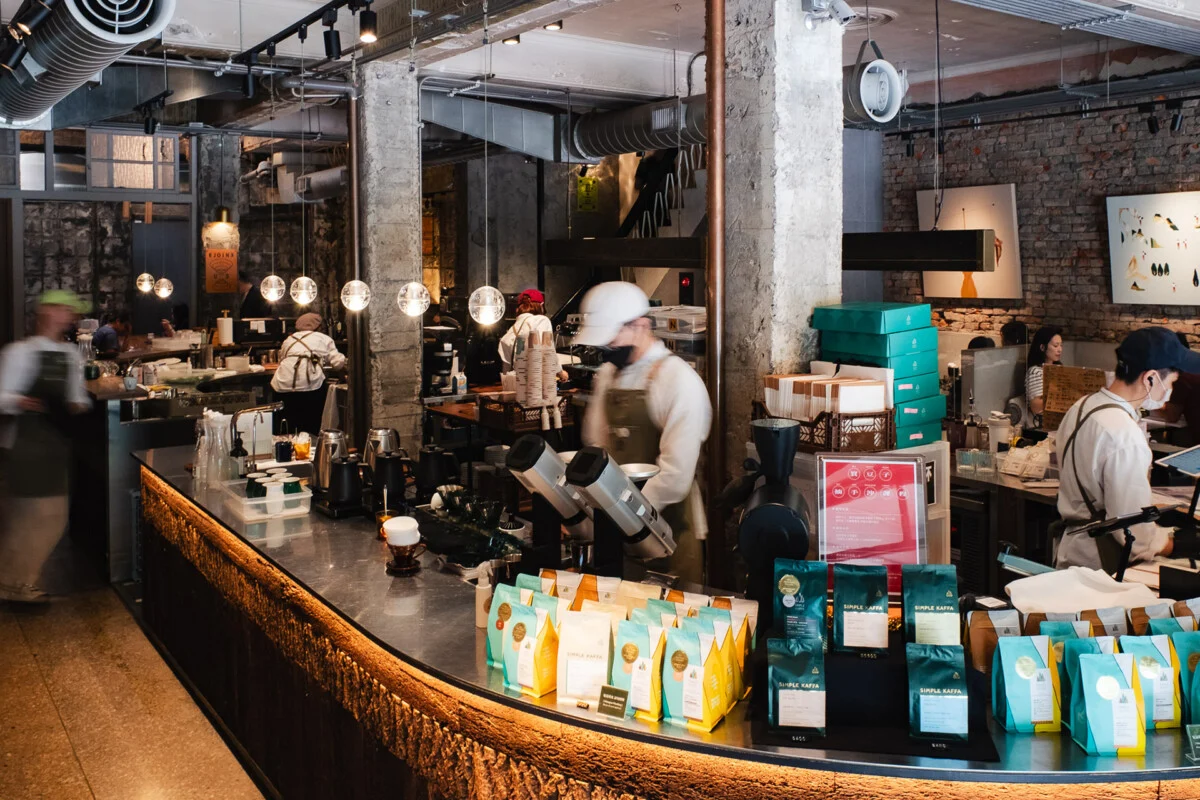
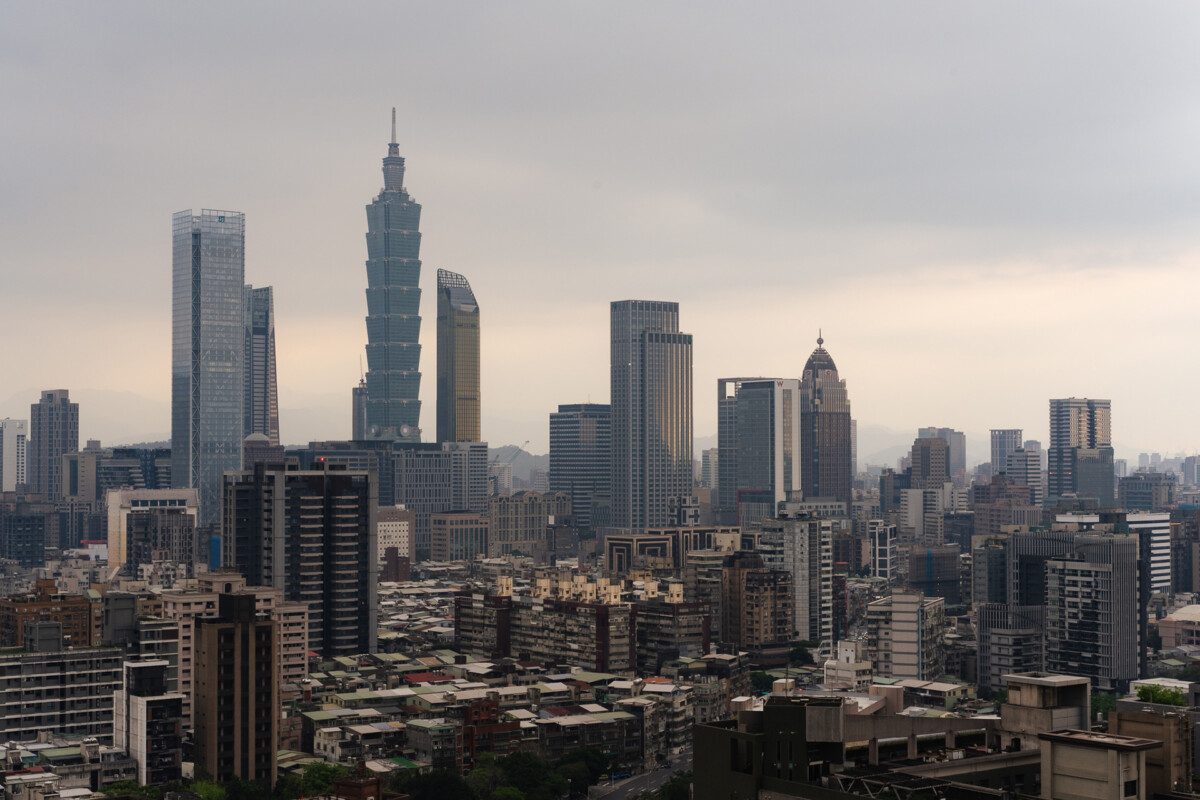
The city of Taipei, Taiwan, has long been celebrated for its iconic landmarks like Taipei 101, its rich culinary heritage featuring beef noodle soup, and its status as the birthplace of boba milk tea. However, in recent years, a new cultural pillar has emerged: a coffee scene that now stands on par with the most prestigious coffee capitals in the world. This transformation from a tea-dominant society to a global specialty coffee hub was not an accidental occurrence; rather, it was the result of a century of historical influence, strategic commercial expansion, and a relentless pursuit of artisanal excellence by local practitioners.
The Historical Foundations: From Colonial Roots to Commercial Expansion
The narrative of coffee in Taiwan begins in the early 20th century during the period of Japanese rule. It was during this era that Japanese colonial authorities began experimenting with coffee cultivation, identifying the fertile, high-altitude regions of Central Taiwan as ideal for Arabica beans. While these early efforts successfully established plantations in areas like Yunlin and the Alishan Mountain Range, the beverage remained a niche luxury for decades. The Japanese also introduced the first "kissaten" (traditional coffee house) culture to Taipei, planting the seeds for the city’s appreciation of the cafe as a social and intellectual space.
The true democratization of coffee began much later, in the late 1990s and early 2000s. A pivotal moment occurred in 1998 when Starbucks entered the Taiwanese market, rapidly opening multiple locations across Taipei. This "First Wave" of modern coffee culture introduced the concept of the "third place"—a space between home and work—and familiarized the public with espresso-based beverages.
Following this, Taiwan’s ubiquitous convenience stores, including 7-Eleven and FamilyMart, began serving freshly brewed coffee at accessible price points. According to market data, the entry of convenience stores into the coffee market acted as a massive catalyst for consumption; by the mid-2010s, Taiwan’s coffee market was estimated to be worth over NT$80 billion (approximately $2.5 billion USD). This commercial ubiquity created a massive base of daily coffee drinkers, many of whom eventually sought higher-quality, specialty experiences.
The Champion Era: A Timeline of Global Recognition
As the market matured, a "Third Wave" of specialty coffee emerged, characterized by a focus on bean origin, precise roasting profiles, and the elevation of the barista to the status of a skilled craftsman. Taipei became the epicenter of this movement, producing a remarkable string of international champions who validated the city’s expertise on the global stage.
The chronology of Taipei’s rise to global prominence is marked by several key victories in the World Coffee Championships:
- 2014: Pang-Yu Liu became the World Cup Tasters Champion, highlighting Taiwan’s sophisticated palate and sensory skills.
- 2016: Berg Wu of Simple Kaffa secured the title of World Barista Champion, a victory that is often cited as the turning point that put Taipei on the international specialty coffee map.
- 2017: Chad Wang won the World Brewers Cup, further cementing the city’s reputation for excellence in manual pour-over techniques.
- 2026: In a recent milestone for the industry, Bala (Lin Shao-yu) was crowned the World Latte Art Champion, proving that Taipei’s aesthetic and technical prowess continues to evolve.
These accolades have transformed Taipei into a pilgrimage site for coffee enthusiasts. Industry analysts note that the "Champion Effect" has encouraged a generation of young entrepreneurs to open their own cafes, often prioritizing quality and personality over mass-market appeal.
The Architecture of the Taipei Cafe Scene
Today, the Taipei coffee landscape is defined by its density and diversity. It is common to find several high-quality cafes within a single city block, each offering a distinct atmosphere. The city’s cafes are notable for their "slow living" philosophy. Unlike the "grab-and-go" culture prevalent in New York or London, many Taipei establishments do not open until 10:00 AM or 11:00 AM and remain open well into the evening, serving as hubs for work, study, and social interaction.
The following establishments represent the pinnacle of Taipei’s current coffee offering, illustrating the various philosophies—from meticulous roasting to high-concept design—that define the city.
Rufous Coffee Roasters: The Craft-Driven Institution
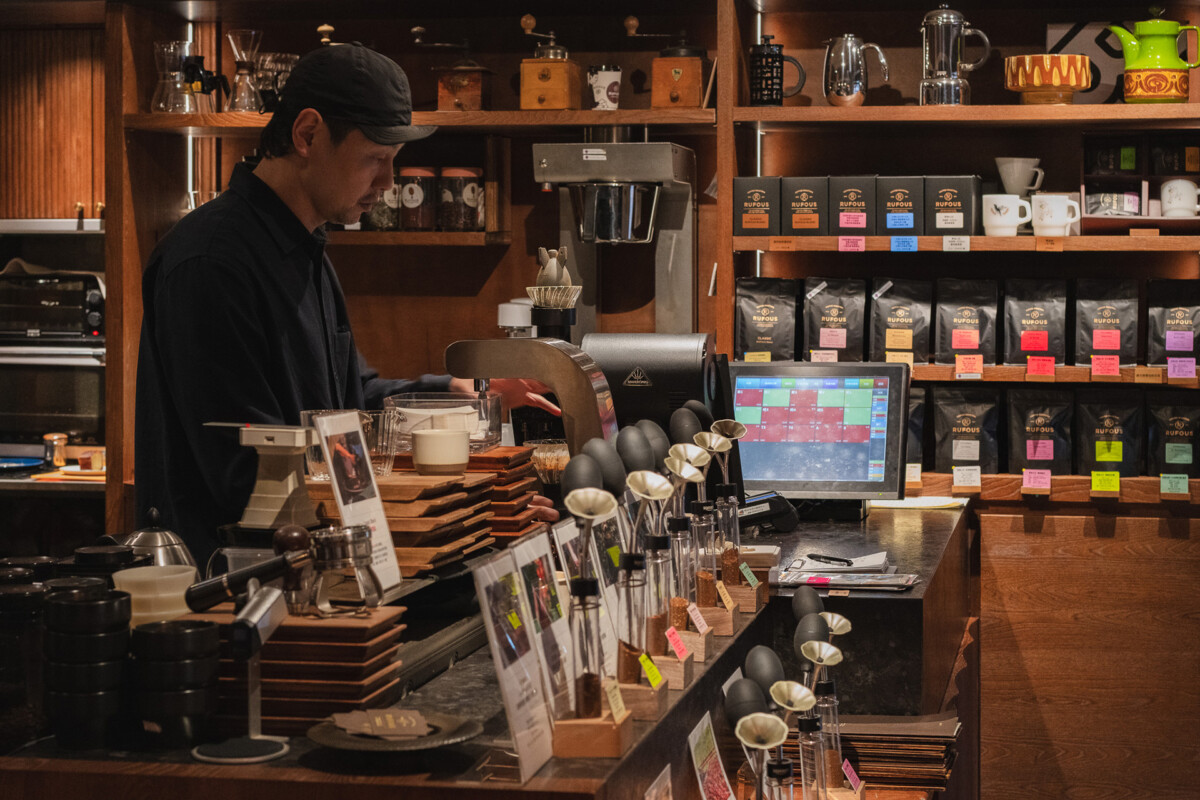
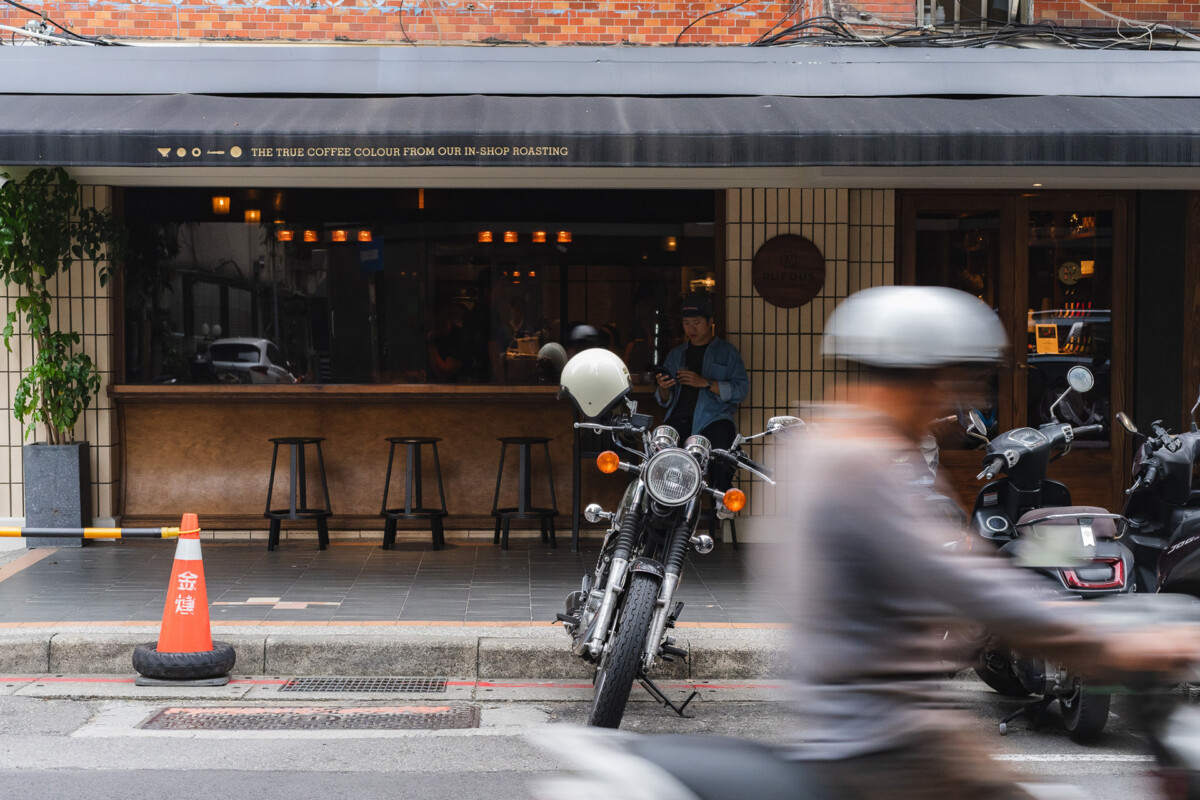
Rufous Coffee Roasters is widely regarded as a foundational pillar of the city’s specialty scene. Long before the trend of minimalist, "Instagrammable" cafes took hold, Rufous focused on the fundamentals of roasting and technique. The interior, characterized by dark wood tones and a classic, warm atmosphere, directs the customer’s attention to the process.
In its second location, the cafe features a transparent roasting room, reinforcing the "seed-to-cup" philosophy. A notable feature is their cold slow drip station, which utilizes a house blend and takes a full 24 hours to prepare. This methodical approach is a hallmark of the Taipei scene, where the "craft" is often treated with the same reverence as a laboratory experiment.
Simple Kaffa: The Intersection of Fine Dining and Coffee
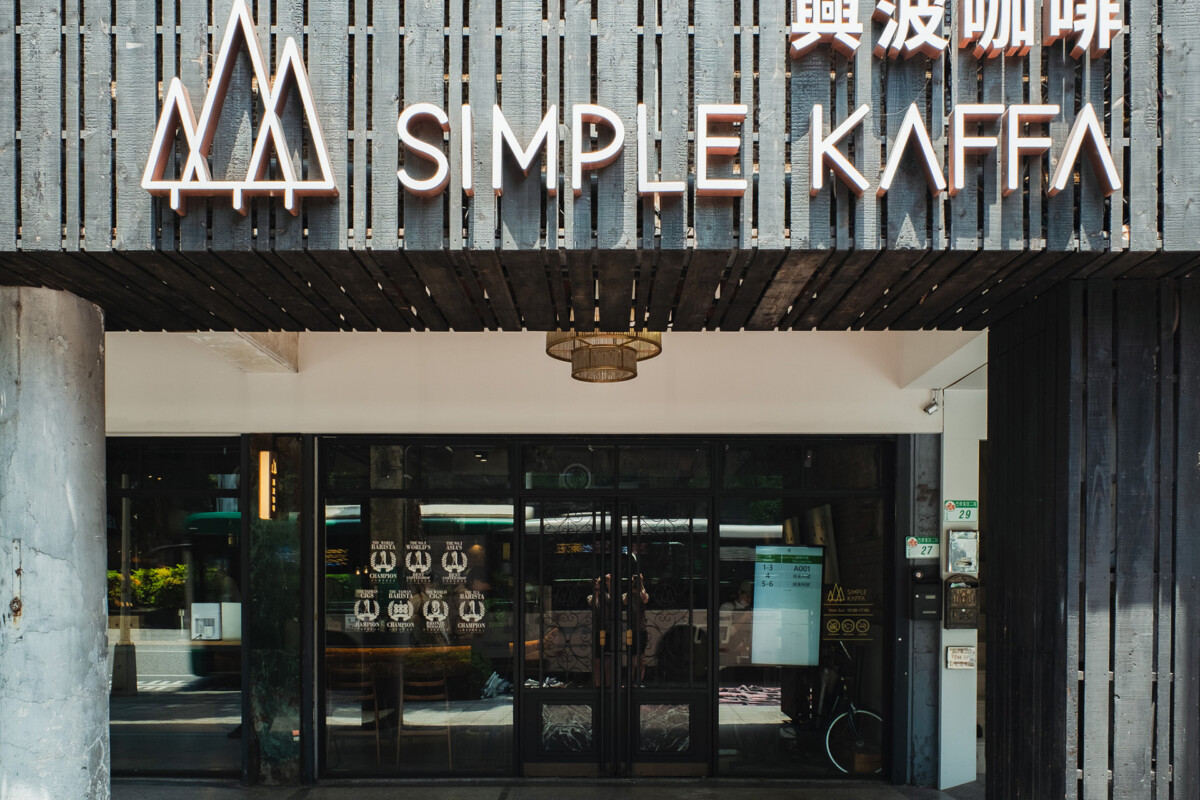
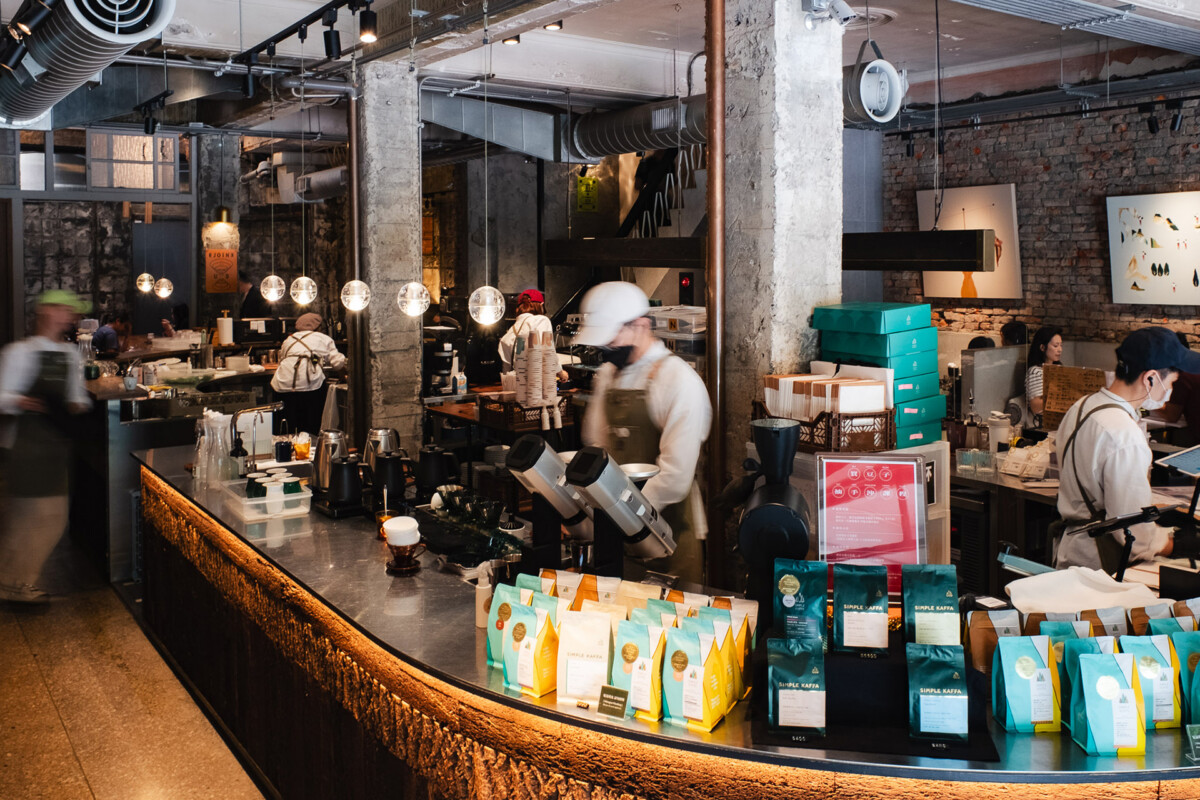
Founded by 2016 World Barista Champion Berg Wu, Simple Kaffa represents the "high-end" of the market. Located in a spacious flagship store near the Huashan 1914 Creative Park, the experience at Simple Kaffa is akin to fine dining. Waitstaff provide detailed explanations of bean origins and flavor notes, and the menu includes ultra-premium options, such as Gesha varieties that can reach NT$1,500 (~$45 USD) per cup.
The cafe uses proprietary technology, such as the Simple Kaffa Drip Shower, to ensure consistency in its pour-overs. For many visitors, a trip to Simple Kaffa is not merely about caffeine consumption but is a formal exploration of the possibilities of the coffee cherry.
Normal Coffee and All Day Roasting Company: Scaling Quality
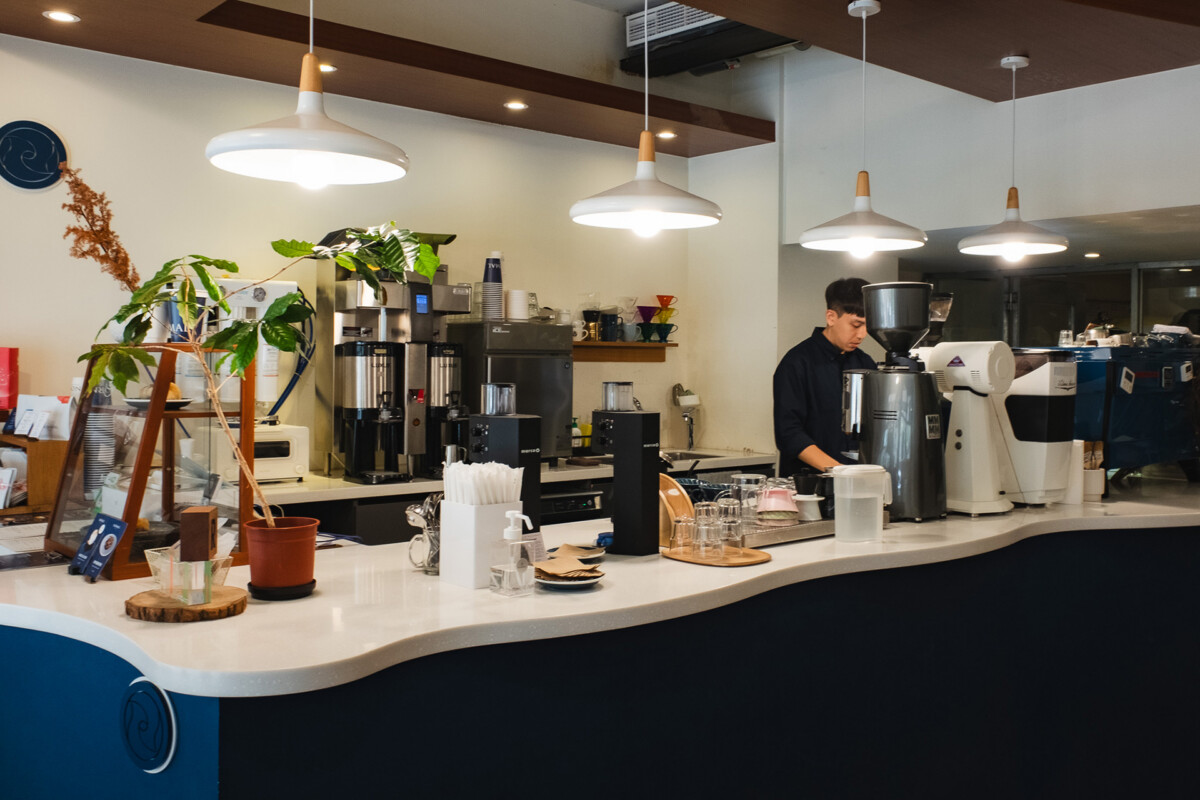
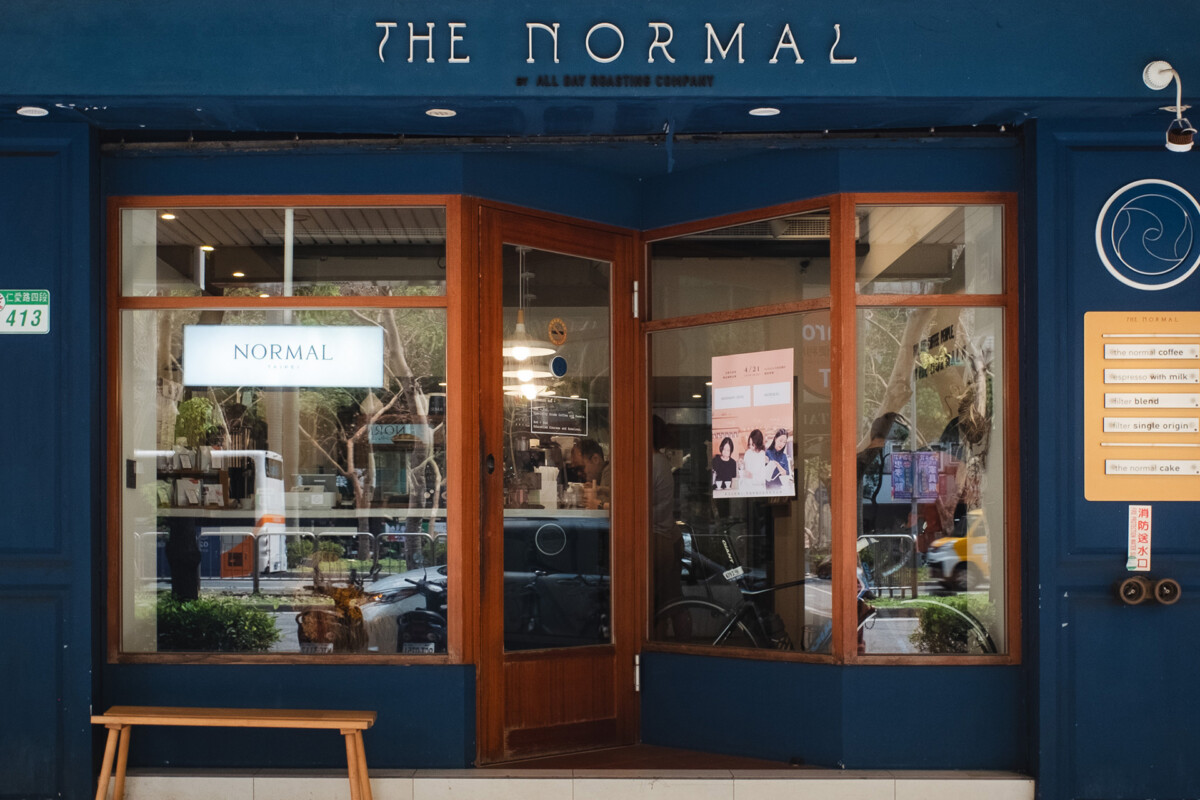
The local coffee group comprising Normal Coffee and All Day Roasting Company demonstrates how specialty coffee can scale without losing its soul. While All Day Roasting Company adopts a lifestyle-oriented "all-day cafe" format with a full food menu, Normal Coffee is a more streamlined, purist-focused concept.
Normal Coffee is particularly significant for its commitment to sourcing local Taiwanese beans from the Alishan Mountain Range. While Taiwan-grown coffee is often expensive due to high labor costs and limited supply, its inclusion on the menu at Normal Coffee highlights a growing trend of "coffee nationalism," where local roasters take pride in showcasing domestic production alongside global origins.
The Folks: The One-Man Operation
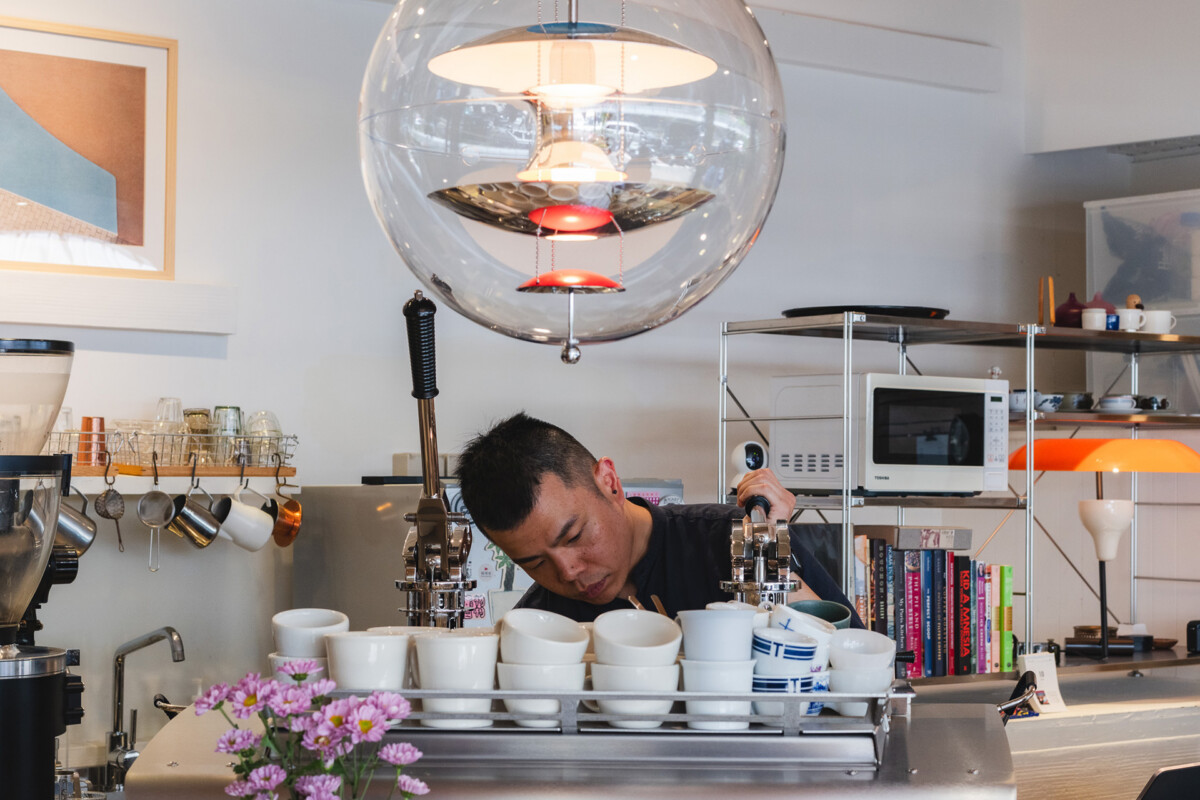
In the Da’an neighborhood, "The Folks" exemplifies the intimate, owner-operated model that is common in Taipei. Operating for over a decade as a one-man show, the cafe offers a level of consistency that is difficult for larger chains to replicate. The shop’s centerpiece is a Kees van der Westen Slim Jim Idrocompresso machine, around which the entire six-seat counter is oriented.
The signature drink here, the con panna—featuring espresso with honey, milk, cream, and cacao—illustrates the Taipei trend of "signature beverages" that bridge the gap between traditional coffee and artisanal desserts.
Innovation in Space: Kite Coffee, Coffee Along, and After5
The newer generation of cafes in Taipei is increasingly focused on the integration of coffee with the urban environment and other lifestyle elements:
- Kite Coffee: Blends the world of art and design with coffee, featuring a curated selection of magazines and posters that create a personal, living-room-like atmosphere.
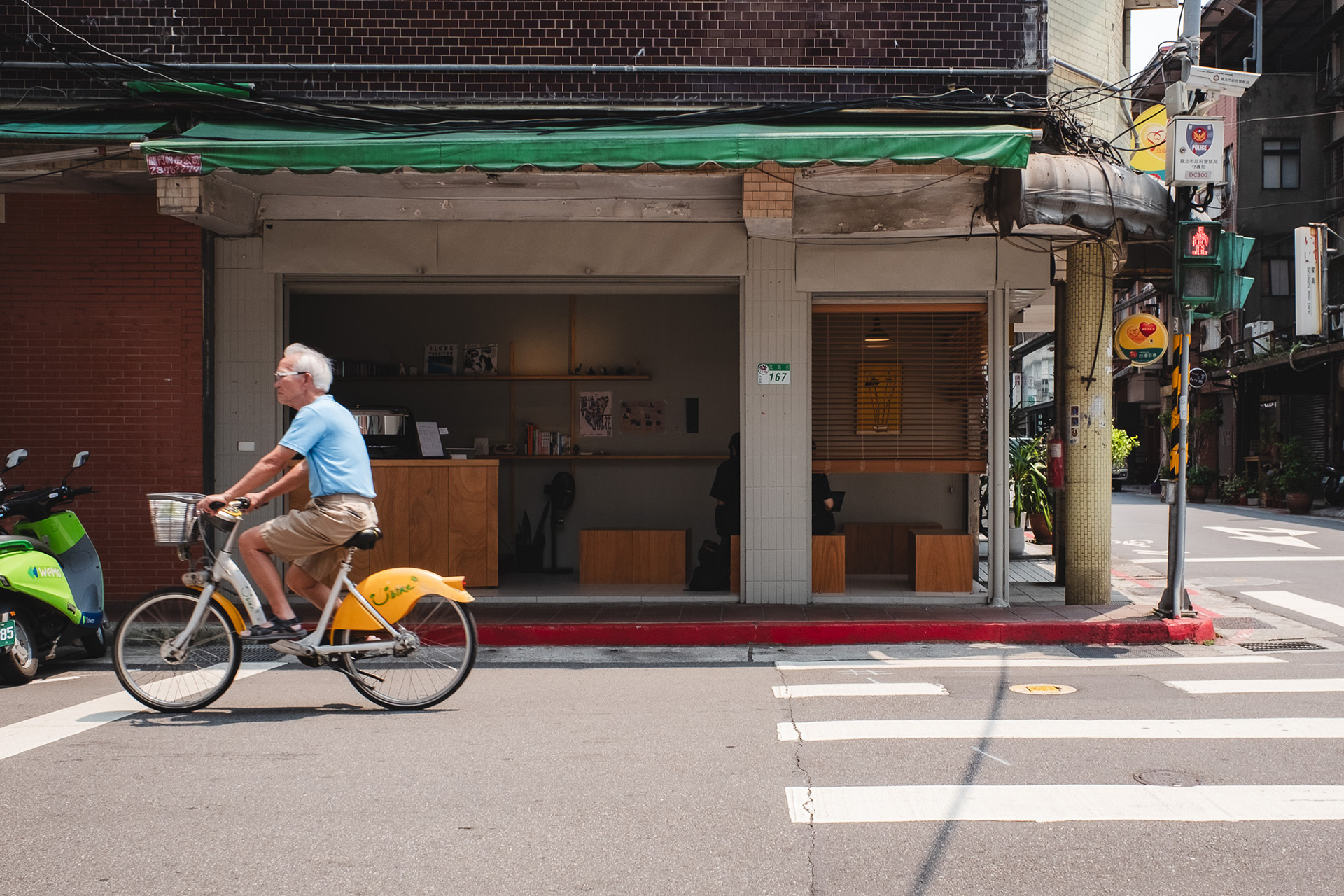
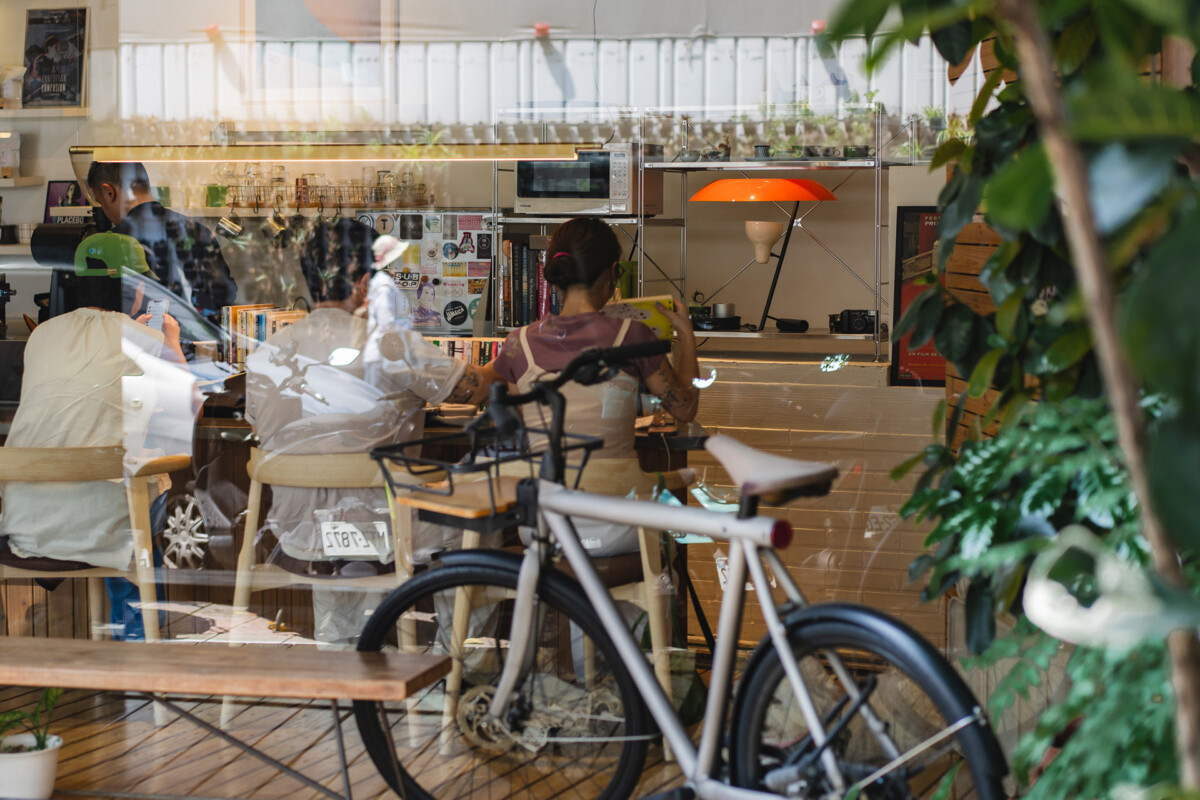
- Coffee Along: Breaks the traditional "enclosed" cafe mold by opening directly onto the street. This design choice fosters a neighborhood atmosphere, allowing the cafe to blend seamlessly with the sidewalk traffic.
- After5: Housed in a compact, two-story home, this cafe transitions from a quiet workspace during the day to a neighborhood hangout in the evening, serving coffee-based cocktails, tea, and beer.
Broader Impact and Economic Implications
The proliferation of specialty coffee in Taipei has had a ripple effect on the broader Taiwanese economy and culture. It has spurred a domestic manufacturing industry for coffee equipment, such as grinders and drippers, and has turned "Barista" into a respected professional career path for the youth.
Furthermore, the government has recognized coffee as a significant component of Taiwan’s "soft power." By promoting local Alishan and Gukeng coffee at international trade fairs, Taiwan is positioning itself not just as a consumer of global trends, but as a sophisticated producer and innovator.
As Taipei continues to refine its coffee culture, the city serves as a global case study in how a traditional tea culture can embrace and eventually lead a modern specialty industry. The balance of high-tech precision, aesthetic sensitivity, and a relaxed urban pace has created a coffee ecosystem that is uniquely Taiwanese and undeniably world-class. For the international traveler or the local resident, the message is clear: in Taipei, coffee is no longer just a drink—it is a defining feature of the city’s identity.