Pranda Michaela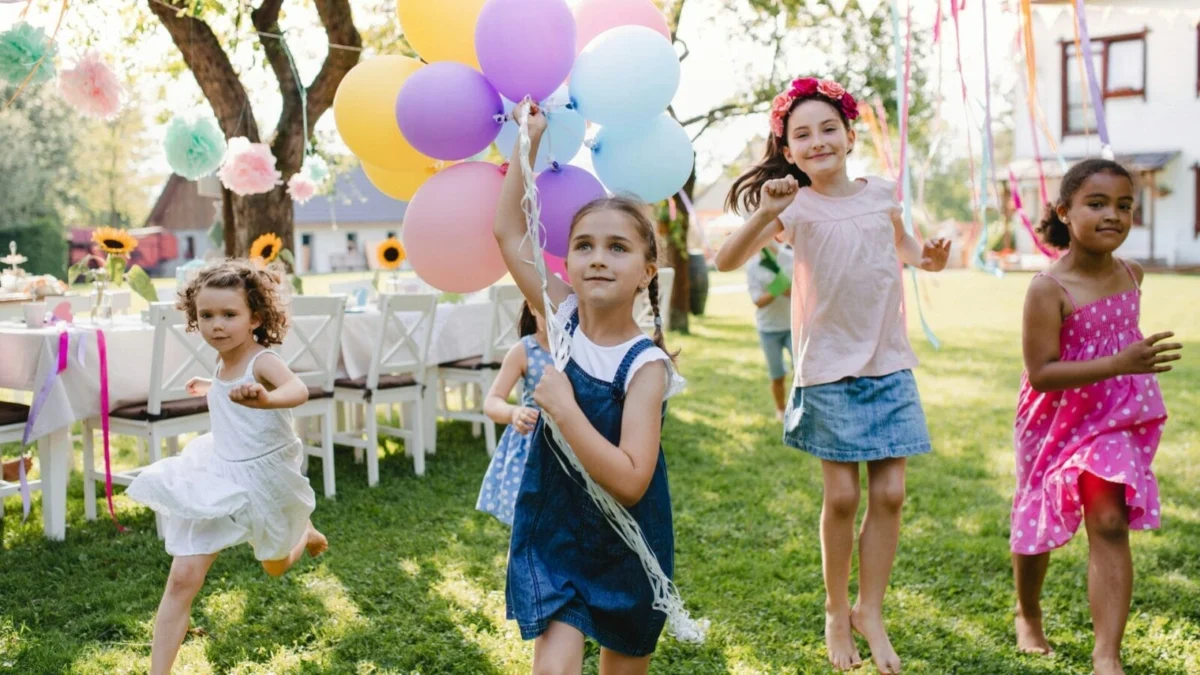
The author’s journey from meticulously planned parties to embracing imperfection offers a candid look at the escalating expectations surrounding childhood celebrations. What began as simple gatherings has morphed into elaborate productions, driven by a perceived need to showcase parental devotion and creativity. This article delves into the roots of this pressure, its pervasive impact on families, and a growing movement towards redefining what truly makes a birthday memorable.

The Spectacle of Modern Childhood Celebrations
The landscape of children’s birthday parties has undergone a dramatic transformation. What might have once been a cake and a few friends at home has evolved into an industry of elaborate themes, professional entertainment, and often, eye-watering budgets. The author recalls witnessing a four-year-old’s birthday party in Los Angeles featuring a "robot dinosaur" so realistic it evoked tears rather than delight. This anecdote serves as a microcosm of a broader trend: the pursuit of the extraordinary, often at the expense of genuine connection.

Another striking example cited is a party that transformed a country club into an immersive American Girl doll experience, complete with personal shoppers, a pop-up salon, and a formal tea service. This level of curated fantasy, while undoubtedly impressive from a logistical standpoint, stands in stark contrast to the author’s own childhood memories of saving allowance for months to afford a single doll. The casual gifting of such prized items as party favors highlights a significant shift in perceived value and access.

Growing up in the 1990s, a "fancy birthday" might have meant a trip to Chuck E. Cheese, an occasion that felt like the pinnacle of celebration, complete with parental insistence on wearing "nice shoes." The author’s observation that this era feels like a distant memory, eclipsed by today’s opulent celebrations, underscores the rapid escalation of party expectations within a single generation.

The Pressure Cooker of Parental Performance
The author’s professional experience at Evite, a leading online invitation and event planning service, has provided a unique vantage point into the evolving culture of birthday celebrations. This immersion has led to a sobering realization: "Somewhere along the way, a child’s birthday party became a clear measure of how devoted a parent we are. And it’s quietly grinding us down." This statement encapsulates the core issue – the pressure to perform parenthood through lavish party planning.

This pressure often begins from the very first birthday. The author recounts her daughter’s first birthday party, a meticulously planned rainbow-themed affair with a balloon arch, artisanal charcuterie, and designated play areas. Her pride in the event was quickly overshadowed by a question from another mother: "What’s your activation?" This unfamiliar term revealed a world of structured entertainment and curated experiences designed to "keep the one-year-olds engaged." The subsequent scramble to book a music entertainer, whose drum circle efforts proved futile with a group of preoccupied infants, served as a harsh lesson in the disconnect between parental intentions and the reality of child-centric fun.

The "Leveling Up" Spiral and Its True Cost
The incident at her daughter’s first birthday marked the beginning of a years-long "spiral of escalating parties." The author found herself caught in the trap of needing to "level up" each year, a relentless pursuit that proved exhausting, particularly for a working mother. The mental and emotional toll of orchestrating Pinterest-perfect events while managing work and childcare responsibilities eventually led to burnout.

In response, the author consciously opted for simpler celebrations for her son’s second and third birthdays, featuring "pizza at home with dinosaur cupcakes." While these more subdued events offered a much-needed reprieve, they were accompanied by feelings of guilt, a testament to the internalized pressure to conform to higher standards. This guilt, however, began to dissipate as she observed her children and their friends.

The Unseen Value of Simplicity
A critical turning point in the author’s perspective came with the realization that children often fail to distinguish between extravagant and modest celebrations. She observed that children exited parties with "real ponies dressed as unicorns" and those with a "low-key bowling party" with the "exact same expression on their faces—pure joy." This observation challenged the fundamental premise that more expensive or elaborate meant more enjoyable.

Her daughter’s seventh birthday party, which featured a custom "Swiftie denim jacket station" with patches, was intended to be a highlight. Yet, the jacket remained unworn. The memory that resonated most deeply was not the meticulously planned craft station, but the simple act of "singing karaoke with her friends" using an inexpensive Amazon microphone. This anecdote powerfully illustrates that the most cherished memories are often born from spontaneous moments of connection and shared experience, rather than costly, curated activities.

Research Supports a Shift in Priorities
This anecdotal evidence is bolstered by research. A report by Evite itself indicates that "87% of hosts who throw birthdays prefer more intimate, meaningful gatherings over the over-the-top extravaganzas." This data suggests a widespread desire among parents to move away from the pressure of elaborate parties. The report further highlights that "What creates memories isn’t the permanent bracelet bar or the custom favor bags. It’s warmth. It’s connection." These findings underscore the intrinsic human need for genuine interaction and shared experiences, elements that are often overshadowed in the pursuit of extravagant party planning.

The article posits that the obsession with "perfect" birthday parties stems from a subconscious desire to prove something: our love, our creativity, or simply our ability to "keep up." However, the children themselves are not keeping score. They do not require a rigidly scheduled agenda of activities. What they truly need is a space filled with friends who are happy to be there, and the freedom to simply play.

Reclaiming the Joy of Celebration
The author’s conclusion offers a powerful reframe: "Lowering the bar for ‘perfect’ isn’t giving up. It’s the most direct route back to being present." This sentiment advocates for a mindful approach to party planning, one that prioritizes genuine connection and authentic joy over manufactured spectacle. It encourages parents to embrace the messiness, the spontaneity, and the imperfect moments that often become the most treasured memories.

As the author navigates her son’s upcoming birthday, her goal is not a flawless event, but rather to "be there for it." This means being present, not orchestrating from a distance or outsourcing the joy. It means showing up, allowing for imperfection, and witnessing her son’s unadulterated happiness. This shift in focus from performance to presence is the ultimate liberation from birthday party pressure, reminding us that the true essence of celebration lies in shared moments of love and connection.

The implications of this shift are far-reaching. By de-emphasizing the material and the extravagant, parents can reclaim not only their time and energy but also foster a deeper appreciation for experiences and relationships among their children. This movement towards more meaningful celebrations has the potential to redefine childhood milestones, focusing on what truly nourishes young hearts and minds, rather than what impresses adult observers. The future of birthday parties, it seems, is less about the grand spectacle and more about the simple, enduring power of human connection.