Angie Faith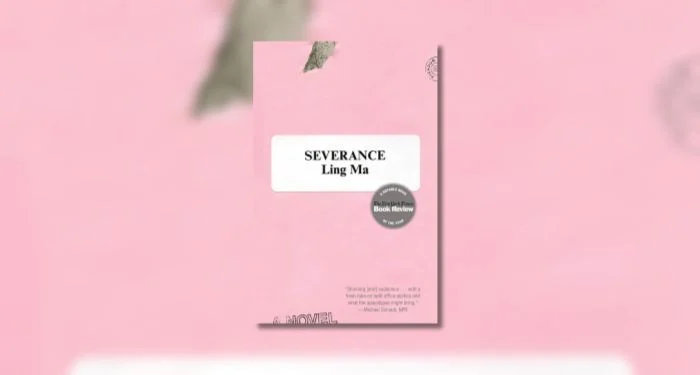
Ling Ma’s acclaimed novel, "Severance," offers a prescient and darkly humorous examination of late-stage capitalism, corporate ennui, and the unsettling quietude of a global pandemic, resonating deeply with a generation that came of age with a particular appreciation for subversive and thought-provoking media. The narrative, centered on Candace Chen, a millennial caught in the mundane rhythm of her Manhattan publishing job, gains a starkly relevant dimension as an unnamed plague systematically incapacitates the population, leaving the infected in a state of repetitive, zombie-like existence. This literary exploration, published in 2019, has since acquired a chilling prescience, mirroring real-world anxieties and societal shifts that have unfolded in its wake.
The Unseen Pandemic and a Life of Routine
"Severance" plunges readers into the life of Candace Chen, an employee at a Bible publishing house in New York City. Her existence is characterized by a relentless devotion to routine, a commitment so profound that she barely registers the initial stages of a devastating global pandemic. The disease, which induces a state of perpetual, mindless repetition in its victims, spreads with an unnerving silence. As the plague escalates, the city that never sleeps transforms into a ghost town. Families evacuate, businesses shutter, and public transportation grinds to a halt. Candace, inexplicably immune, finds herself navigating the deserted streets of Manhattan, documenting the eerie silence through the lens of her camera and her anonymous blog, "NY Ghost." This self-imposed isolation, born from a life already lived in a state of detachment, becomes her new reality.
The novel’s exploration of Candace’s internal landscape is as significant as the external unfolding of the pandemic. Her dedication to her job, her uninspired love life, and her general disengagement from her surroundings highlight a pervasive sense of listlessness that resonates with many in the millennial generation, often characterized by economic precarity and a perceived lack of purpose in the face of overwhelming societal structures. The "severance" of the title can be interpreted on multiple levels: the severing of societal ties due to the pandemic, the severing of individuals from their own agency as the disease takes hold, and perhaps even Candace’s own emotional severance from meaningful connection.
The Search for Community and the Shadow of Exploitation
Despite her initial self-sufficiency and photographic documentation of the abandoned city, Candace eventually confronts the inherent human need for connection. Her solitary existence becomes unsustainable, pushing her to seek out other survivors. She encounters a disparate group led by Bob, an opportunistic IT technician who presents himself as a capable leader. Bob’s vision is to establish a new society at a mysterious "Facility," a place he promises will provide all the resources necessary for rebuilding.
However, Candace harbors a secret that Bob is poised to exploit. This hidden element introduces a layer of interpersonal conflict and moral ambiguity to the survival narrative. The choice Candace faces—whether to escape the potentially exploitative grasp of her rescuers or to cling to the semblance of community they offer—underscores the complex dynamics that emerge in extreme circumstances. This tension between the desire for connection and the threat of manipulation is a recurring theme in post-apocalyptic fiction, but Ma imbues it with a unique psychological depth, focusing on the internal struggles of her protagonist.
The Zombie Trope Reimagined: A Social Commentary
"Severance" strategically employs the zombie apocalypse genre as a vehicle for social commentary, but it subverts traditional expectations. Unlike the hyper-aggressive, flesh-eating zombies of popular culture, Ma’s infected are characterized by a more insidious, almost mundane affliction: they are trapped in repetitive loops of their former routines. This subtle horror is arguably more unsettling, as it reflects a societal tendency towards unthinking conformity and a loss of individual consciousness.
The novel critiques the relentless march of consumerism and corporate culture, portraying a world where individuals are already "severed" from their own lives, existing in a state of perpetual, unfulfilling labor. The infected, in their mindless repetition, become a metaphor for those who are trapped in cycles of work, consumption, and social expectation without true agency or fulfillment. Candace’s observations about her own dazed approach to life, her feelings of isolation, and her parents’ experiences as immigrants striving for assimilation further enrich this critique. The story delves into themes of identity, belonging, and the cultural pressures faced by those navigating between different worlds.

Background and Reception
Ling Ma’s "Severance" was published in May 2019 by Picador. The novel garnered significant critical acclaim, earning praise for its originality, sharp wit, and timely exploration of contemporary anxieties. It was named a finalist for the National Book Award for Fiction and was a recipient of the Kirkus Prize for Fiction. The novel’s publication predated the global COVID-19 pandemic by several months, yet its depiction of a society grappling with an inexplicable and paralyzing disease, and the subsequent societal breakdown, has led many readers and critics to view it as remarkably prescient. The book’s themes of isolation, the fragility of societal structures, and the psychological impact of prolonged disruption have resonated profoundly in the post-2020 world.
Data and Contextualization
The novel’s depiction of a global pandemic can be contextualized by historical patterns of disease outbreaks. Throughout history, pandemics have profoundly reshaped societies, leading to significant demographic shifts, economic disruption, and changes in social behavior. From the Black Death in the 14th century to the 1918 Spanish Flu, and more recently, the COVID-19 pandemic, these events have consistently tested the resilience of human populations and their institutions.
"Severance" taps into this historical awareness by presenting a disease that is both alien and eerily familiar in its impact on human behavior. The "fevered," as the infected are called, are not driven by primal urges but by a relentless compulsion to perform the last actions they engaged in before succumbing. This form of affliction can be seen as a metaphorical representation of the inertia and repetitive patterns that can characterize modern life, particularly in the face of overwhelming systemic pressures.
Furthermore, the novel’s engagement with themes of late-stage capitalism and corporate culture can be linked to broader economic trends. The millennial generation, in particular, has experienced significant economic challenges, including student loan debt, stagnant wages, and precarious employment. This has led to a questioning of traditional career paths and a sense of disillusionment with the promises of economic advancement. Candace’s own career in Bible publishing, a seemingly anachronistic industry in a secularizing world, and her detachment from its purpose, reflects this broader societal commentary.
Broader Impact and Implications
The enduring appeal of "Severance" lies in its ability to offer both a compelling narrative and a profound commentary on the human condition. In the wake of the COVID-19 pandemic, the novel has become a touchstone for discussions about societal resilience, the nature of human connection, and the psychological toll of isolation. Its exploration of what it means to be truly "present" in a world that often encourages detachment and routine has taken on new urgency.
The novel’s success also highlights a growing appetite for literature that engages with complex social and political issues through allegorical or speculative frameworks. "Severance" demonstrates how genres like the zombie novel, often dismissed as mere entertainment, can serve as powerful tools for exploring deeply relevant societal concerns. The book’s literary merit, coupled with its uncanny prescience, has solidified its place as a significant work of contemporary fiction, prompting reflection on our own routines, our connections to others, and our place in an increasingly uncertain world.
The author’s ability to weave together elements of satire, horror, and poignant introspection has created a narrative that is both thought-provoking and deeply engaging. The "severance" of the title ultimately speaks to a broader human experience of alienation and the ongoing search for meaning and connection in a world that often feels fragmented and overwhelming. The novel’s continued relevance suggests that its themes will continue to resonate with readers for years to come, prompting ongoing dialogue about the nature of work, community, and individual agency in the face of societal upheaval.