Reynand Holland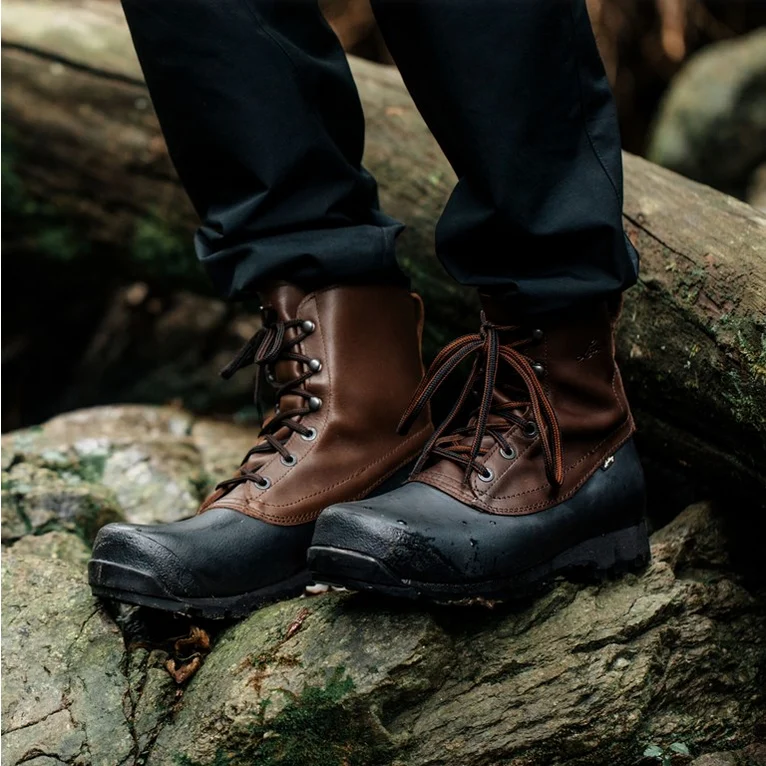
When venturing into winter’s embrace, the right footwear is paramount, not only for personal comfort and safety against snow and slush but also for environmental stewardship. The pursuit of truly sustainable winter boots necessitates a commitment to weather resistance, enduring quality, and the critical absence of toxic waterproofing finishes. For environmentally and health-conscious consumers, the spotlight has increasingly fallen on per- and poly-fluoroalkyl chemicals (PFAS), a class of substances widely used in industries ranging from fashion to household goods to impart water and stain resistance without compromising breathability. Known ominously as “forever chemicals” by scientists and Durable Water Repellent (DWR) by the industry, these waterproofing agents are particularly prevalent in outdoor and ski gear, and critically, in snow-proof winter boots.
The insidious nature of PFAS lies in their persistence. When these chemicals flake off footwear and enter the environment, they do not degrade. Their robust chemical bonds ensure an incredibly long lifespan, allowing them to permeate water, snow, and surrounding ecosystems, ultimately contaminating soil and, crucially, drinking water sources. The implications extend beyond environmental damage; PFAS can also transfer from boots into homes. Scientific research has linked exposure to a range of health issues, including certain cancers, fertility complications, and immune system dysfunction. The U.S. Environmental Protection Agency (EPA) has been actively researching the health and environmental risks associated with PFAS, acknowledging the widespread presence of these chemicals in the environment and in human blood. As of 2023, the EPA has proposed national primary drinking water regulations for six PFAS chemicals, aiming to limit their presence in public water systems. This regulatory push underscores the growing urgency to find safer alternatives in consumer products.
A critical piece of advice for consumers is to assume that unless a brand explicitly states its waterproofing finish is PFAS-free, PFC-free, or free of fluorinated chemicals, it is likely manufactured using these persistent substances. This proactive approach empowers consumers to make informed purchasing decisions in a market often lacking complete transparency. The boots featured in this guide are selected for their ability to handle snow and slush effectively without resorting to perfluorinated chemicals, proving that functionality and style can coexist with environmental responsibility.
Criteria for Sustainable PFAS-Free Winter Boots
Beyond the crucial absence of PFAS, selecting truly sustainable winter boots involves a multi-faceted evaluation of materials, ethical production, and product longevity.
Safe & Sustainable Materials
The journey to PFAS-free waterproofing is the first step, but a comprehensive approach to material sourcing is essential. For naturally water-resistant options, leather remains a strong contender. However, it is vital to look for certifications from the Leather Working Group (LWG), which ensures that leather processing adheres to stringent environmental standards, minimizing water usage and chemical discharge. For brands incorporating recycled materials, the Global Recycled Standard (GRS) is a key indicator, verifying the genuine recycled content of the materials used. Furthermore, certifications from bluesign or adherence to a restricted substances list demonstrate a brand’s commitment to rigorous chemical management throughout its production processes. These certifications provide a tangible assurance that a brand is actively working to reduce its environmental footprint and minimize the use of hazardous substances. The Global Recycled Standard, for instance, covers the entire supply chain of recycled content, from collection and processing to manufacturing and distribution, ensuring environmental and social responsibility at each stage.
Transparent Supply Chain
Ensuring the well-being of the planet should not come at the expense of human welfare. Brands committed to sustainability prioritize transparency in their supply chains, understanding where and how their products are manufactured, down to the sourcing of raw materials. Partnerships with organizations like the Fair Wear Foundation, public disclosure of factory locations, and the implementation of a comprehensive code of conduct are strong indicators of a brand’s dedication to ethical labor practices and responsible manufacturing. The Fair Wear Foundation, an independent organization, works to improve labor conditions in garment factories worldwide, promoting fair wages, safe working environments, and the right to organize. Brands that actively engage with such initiatives demonstrate a commitment to social responsibility that complements their environmental efforts.
After-Market Repair and Longevity
A truly sustainable pair of winter boots is an investment designed to last for many years. Brands that prioritize longevity incorporate thoughtful design principles and offer robust after-market support. This can include providing replacement parts, offering repair guides, or even full-service repair programs. Such initiatives not only extend the lifespan of the product but also reduce the need for frequent replacements, thereby minimizing waste and resource consumption. The concept of a circular economy, where products are designed for durability, repair, and eventual recycling, is central to this aspect of sustainability. By investing in brands that offer repair services, consumers can significantly reduce their environmental impact and enjoy their footwear for seasons to come.
Leading Brands in PFAS-Free Sustainable Winter Footwear
Navigating the market for sustainable winter boots can be a complex endeavor. Fortunately, several brands are setting a high standard, offering products that meet rigorous environmental and ethical criteria without compromising on performance or aesthetics.
1. Keen Footwear
Keen has emerged as a trailblazer in the outdoor footwear industry, notably being the first outdoor brand to commit to a PFAS-free approach. Their dedication to transparency is further exemplified by their willingness to share their processes with the wider industry, encouraging a collective shift towards safer alternatives. Keen’s winter boots are engineered for both safety and comfort, with a focus on durability. Their waterproofing is achieved through a PFAS-free Durable Water Repellent finish, ensuring reliable protection against the elements. The brand’s commitment extends to its material sourcing, with a preference for LWG-certified tanneries for its leather products and the maintenance of a strict restricted substances list. Keen also emphasizes ethical manufacturing, ensuring at least one in three pairs are produced in their own facilities and conducting audits of their Tier 1 and Tier 2 suppliers to ensure adherence to their code of conduct. This holistic approach to sustainability positions Keen as a leader in responsible outdoor gear.
Price Range: $115 – $250
Availability: Primarily in the U.S., with some products available internationally through partner dealers.
2. Jack Wolfskin
Jack Wolfskin is another prominent outdoor brand that has embraced a PFAS-free philosophy, offering innovative and environmentally conscious gear designed for longevity. The majority of their winter boots feature their proprietary Texapore technology, which provides excellent water and wind resistance. The brand’s commitment to transparency is evident in its comprehensive list of supply chain partners, all of whom are bluesign-approved or demonstrate a commitment to avoiding hazardous substances. Regular inspections by independent auditors ensure that these partners uphold safe and fair working conditions, reinforcing Jack Wolfskin’s dedication to ethical production. The bluesign system is a holistic approach to sustainable textile production, aiming to reduce the environmental impact throughout the entire manufacturing process, from raw materials to finished products.
Price Range: $120 – $230
Availability: Widely available across most European countries.
3. Lundhags
Hailing from Sweden and established in 1932, Lundhags boasts a long heritage in outdoor equipment. Their leather boots are meticulously crafted in Europe, utilizing materials sourced from a German tannery, which contributes to a shorter and more traceable supply chain. Lundhags offers a diverse range of boot constructions, including shell, one-layer, and three-layer designs, catering to various winter conditions. A standout feature is their dedicated after-market repair shop, which actively promotes the extended lifespan of their gear. The brand’s factory working conditions are regulated under the Brav code of conduct, ensuring ethical and responsible manufacturing practices. This focus on repairability and a short, European supply chain underscores Lundhags’ commitment to durability and reduced environmental impact.
Price Range: $217 – $597
Availability: Available in most European countries.
4. Vaude
Vaude is a German outdoor brand renowned for its commitment to sustainability. Their winter boots feature a PFAS-free recycled polyester membrane that offers excellent water and wind protection. The brand prioritizes sourcing its leather uppers from a local tannery in Germany, further enhancing traceability and supporting regional economies. Product pages on Vaude’s website clearly indicate the manufacturing location, promoting transparency. To facilitate product longevity, Vaude offers an array of solutions, from readily available replacement parts to comprehensive full-service repair options. This dedication to extending the life of their products aligns with circular economy principles, reducing waste and encouraging responsible consumption.
Price Range: $200 – $263
Availability: Available in Canada and most European countries (currently not in the U.S.).
5. Forsake
Forsake offers LWG-certified waterproof boots in a variety of stylish designs, ranging from sneaker-boots to heeled hiking boots. Their parent group maintains a robust code of conduct for all suppliers and conducts regular audits to ensure compliance with ethical and environmental standards. While Forsake demonstrates a strong commitment to sustainability through LWG certification and supplier oversight, it is worth noting that the sourcing of their memory foam insoles remains less transparent. This detail highlights the ongoing challenge of achieving complete supply chain visibility across all components of a product.
Price Range: $145 – $160
Availability: Available in the U.S.
6. EcoAlf
EcoAlf, a certified B-Corp, is dedicated to producing vegan and PFAS-free boots. Their footwear incorporates GRS-certified recycled polyester and a blend of new and recycled rubber, reflecting a strong emphasis on circularity and resource efficiency. The brand actively tracks its supply chain down to Tier 3, providing a significant level of transparency regarding its manufacturing processes. However, like some other brands, the specific origin of their raw materials is not always fully disclosed, indicating areas where further transparency could be beneficial. EcoAlf’s B-Corp certification signifies a commitment to meeting high standards of social and environmental performance, accountability, and transparency.
Price Range: $145 – $299
Availability: Available in the U.S., most South American countries, most European countries, and most Asian countries.
7. Will’s Vegan Store
Will’s Vegan Shoes, manufactured in Italy and Portugal, utilizes bio-based leathers and recycled polyester insulation in its footwear. The brand meticulously traces every step of its production process to guarantee sustainable and ethical practices. Some of their waterproof shoes feature PFAS-free uppers. However, a point of caution is that many of their shoes are made with unspecified vegan leather, which is often plastic-based. Consumers should carefully review product descriptions to confirm that specific waterproof pairs are explicitly PFAS-free, as not all waterproof options may meet this standard.
Price Range: $134 – $190
Availability: Ships worldwide.
8. Poppy Barley
Poppy Barley produces water-resistant ankle and calf-length boots that are LWG-certified, ensuring a commitment to sustainably sourced leather. Their audited factories are located in Europe and Mexico, reflecting a conscious effort to maintain ethical production standards. While Poppy Barley’s LWG certification is a strong indicator of sustainable material sourcing, it is advisable for consumers to verify the LWG certification on individual product pages, as not all boots may carry this specific designation.
Price Range: $293 – $480
Availability: Available in the Continental U.S., Mexico, Canada, and Australia.
9. REI Used Gear
For budget-conscious consumers seeking sustainable winter boots, REI Used Gear presents an excellent option. This platform facilitates the buying, selling, and trading of pre-owned outdoor equipment, offering discounted winter boots from a variety of sustainable brands. While REI is actively working towards eliminating PFAS from its product lines, it is crucial for shoppers to carefully examine product details before purchase, as not all brands available on the used gear platform may be explicitly PFAS-free. This option champions the principles of reuse and extends the life cycle of existing products, significantly reducing their environmental impact.
Price Range: $22 – $149.50
Availability: Available in the U.S.
The increasing awareness surrounding PFAS and their environmental and health impacts is driving a much-needed shift in the footwear industry. By prioritizing brands that demonstrate a commitment to PFAS-free materials, transparent supply chains, and durable product design, consumers can make choices that protect their feet and contribute to a healthier planet. As more brands embrace these sustainable practices, the future of winter footwear looks promising, offering both performance and peace of mind.