Angie Faith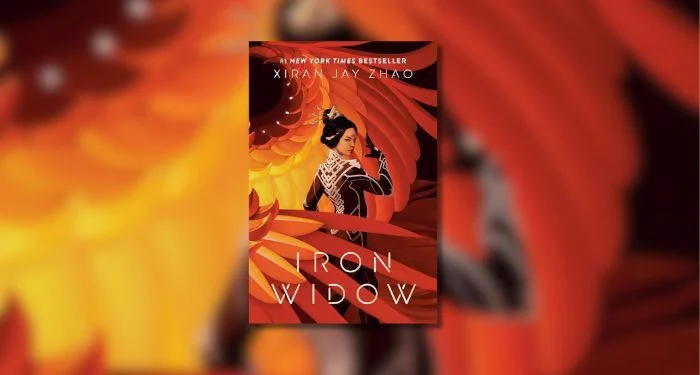
The literary landscape of young adult science fiction is often a fertile ground for exploring complex societal issues, and Xiran Jay Zhao’s Iron Widow has emerged as a standout title, captivating readers with its potent blend of feminist themes, high-octane action, and a unique reimagining of historical Chinese mythology within a futuristic, mech-piloting war. This novel, the first in a planned series, has garnered significant attention for its unapologetic portrayal of female empowerment and its visceral approach to themes of oppression and retribution.
Set in an alternate, technologically advanced China known as the Great Zhou, Iron Widow thrusts readers into a world where societal hierarchy is rigidly defined by gender and military prowess. The narrative centers on Li Zetian, a young woman driven by an all-consuming desire for vengeance after the death of her sister, whom she believes was murdered by their patriarchal society. Zetian’s quest for justice is not a quiet pursuit; it is a full-blown rebellion against a system that has systematically subjugated women, reducing them to mere pawns in a larger, male-dominated game.
The World of the Great Zhou: A Society of Oppression and Mech Warfare
The backdrop of Iron Widow is crucial to understanding its thematic weight. The Great Zhou society operates under a draconian patriarchal structure, where women are primarily valued for their reproductive capabilities and their potential to serve as "concubines" for powerful male pilots. These concubines are not mere consorts; they are intrinsically linked to the giant, technologically advanced mechas known as Chrysalides. In a world constantly under threat from extraterrestrial invaders called the Kirin, these mechas are the primary instruments of defense.
The relationship between a concubine and a pilot is symbiotic and vital for the mecha’s performance. The concubine acts as a living battery, channeling her life force and emotions into the mecha, enhancing its power and agility. However, this vital role comes at an immense cost. Concubines are expendable, their lives often sacrificed to ensure the success of male pilots and the survival of the empire. This inherent inequality, where women’s very existence is tied to their ability to empower men, forms the bedrock of Zetian’s rage and her mission.
Li Zetian: A Catalyst for Change
Li Zetian embodies the spirit of rebellion that defines the novel. Orphaned and facing a future of servitude or a politically arranged marriage that would further her family’s standing at the expense of her own autonomy, Zetian chooses a path of defiance. Her decision to become a concubine, a role she despises, is a calculated move to infiltrate the military’s highest echelons and exact revenge on those responsible for her sister’s demise.
The novel vividly portrays Zetian’s journey as she becomes a concubine to the infamous "Murderous Iron Demon," a formidable pilot known for his brutality and his terrifying mecha. This partnership, fraught with danger and suspicion, becomes Zetian’s primary vehicle for enacting her vengeance. She navigates a treacherous landscape of political intrigue, military rivalries, and the constant threat of exposure, all while grappling with her own evolving understanding of power and justice.
Zhao masterfully weaves elements of Chinese mythology and history into the fabric of Iron Widow. The mechas themselves are inspired by ancient Chinese war machines, and the societal structures echo historical periods of patriarchal dominance. This fusion of historical inspiration with futuristic science fiction creates a unique and compelling world that feels both familiar and entirely novel.
Thematic Depth: Feminism, Vengeance, and Agency
At its core, Iron Widow is a powerful exploration of feminist themes. The novel critiques patriarchal systems that devalue women, reduce them to objects, and deny them agency. Zetian’s journey is a testament to the strength and resilience of women, even in the face of overwhelming oppression. Her desire for vengeance is not simply personal; it becomes a symbol of collective retribution for the countless women who have suffered under the Great Zhou’s oppressive regime.
The concept of vengeance is explored with nuance. While Zetian’s actions are driven by a desire to right wrongs, the novel prompts readers to consider the cyclical nature of violence and the moral complexities of retribution. However, Zhao does not shy away from presenting Zetian’s rage as a justifiable response to systemic injustice. Her empowerment stems from her refusal to be a passive victim, her determination to seize control of her destiny, and her willingness to challenge the established order, no matter the cost.

The novel also delves into the complexities of female relationships within a patriarchal society. Zetian’s initial motivations are fueled by her love for her sister, and her journey often involves navigating the delicate alliances and rivalries she forms with other women, some of whom are also trapped by the system. These relationships highlight the varied ways women cope with oppression, from complicity to quiet resistance to outright rebellion.
Supporting Data and Context: The Literary Precedent
The emergence of Iron Widow can be seen within a broader trend in young adult literature that prioritizes diverse voices and challenging narratives. The success of books that tackle complex social issues, often through speculative fiction lenses, has created a receptive audience for stories like Zhao’s. Titles that explore themes of identity, oppression, and resistance have found considerable traction, demonstrating a growing demand for literature that reflects the complexities of the modern world.
Furthermore, the novel’s success can be partly attributed to its ability to resonate with readers who appreciate a strong, unapologetic female protagonist. The trope of the "strong female character" has evolved from a rare anomaly to a more common and celebrated archetype, and Zetian fits this mold with a ferocity that has captivated many. Her character draws parallels to figures in literature and film that have inspired audiences with their resilience and determination, such as the protagonists of Park Chan-wook’s Vengeance Trilogy, which the author herself cites as an influence.
Chronology of Zetian’s Rise and the Book’s Release
The narrative of Iron Widow unfolds in a relatively condensed timeline within the story, focusing on Zetian’s rapid ascent through the ranks of the Great Zhou military. Her journey from a reluctant concubine to a formidable warrior and a potential revolutionary is depicted with relentless pacing.
- Early Life: Zetian experiences a life of hardship and witnesses the injustices inflicted upon women in the Great Zhou society.
- Sister’s Death: The pivotal event that ignites Zetian’s quest for vengeance.
- Concubine Enlistment: Zetian voluntarily enters the military as a concubine to pilot a mecha.
- Partnership with the Iron Demon: Zetian forms a dangerous alliance with a powerful and feared pilot.
- Military Campaigns: Zetian participates in brutal battles against the Kirin, honing her skills and gaining notoriety.
- Political Intrigue: Zetian navigates the treacherous political landscape of the Great Zhou court, uncovering conspiracies and challenging the established order.
- Revolutionary Spark: Zetian’s actions begin to inspire others and sow the seeds of rebellion.
The novel itself was released in 2021, quickly gaining popularity through word-of-mouth and critical acclaim. Its success led to the subsequent release of its sequel, Heavenly Tyrant, which continues Zetian’s story and further explores the consequences of her actions and the ongoing struggle for liberation in the Great Zhou. The publication of Iron Widow marked a significant moment for diverse representation in YA science fiction, particularly for authors of Asian descent.
Official Responses and Critical Reception
While there are no direct "official responses" in the traditional sense for a fictional work, the publishing industry and literary critics have provided a strong indication of Iron Widow‘s impact. The novel received widespread positive reviews, with critics praising Zhao’s innovative world-building, her compelling protagonist, and her fearless exploration of complex themes.
- Literary Awards and Nominations: While specific major award wins might vary, books of this caliber often garner nominations for prestigious YA literary awards, signaling their significance within the genre.
- Reader Engagement: The novel has fostered a vibrant online community of fans who engage in discussions about the book’s themes, characters, and plot twists. This organic engagement is a powerful testament to its impact.
- Sales Performance: The book’s strong sales figures and consistent presence on bestseller lists indicate a significant commercial success and widespread reader appeal.
Reviewers often highlighted Zhao’s ability to balance thrilling action sequences with poignant social commentary. The novel’s unapologetic feminist stance, its nuanced portrayal of vengeance, and its unique cultural influences were frequently cited as reasons for its acclaim. The author’s own background and perspective as a Chinese-Canadian immigrant have also been noted as contributing to the authenticity and depth of her narrative.
Broader Impact and Implications: Shaping the Future of YA Sci-Fi
Iron Widow represents more than just an engaging story; it is a significant contribution to the evolving landscape of young adult science fiction. Its success has several implications:
- Increased Demand for Diverse Narratives: The novel’s popularity underscores the growing appetite for stories that offer diverse perspectives and challenge traditional storytelling conventions. Publishers are likely to continue seeking out and promoting books that reflect a wider range of cultural backgrounds and lived experiences.
- Empowerment Through Speculative Fiction: Iron Widow demonstrates the power of speculative fiction to address real-world issues in imaginative ways. By creating a fantastical world, Zhao is able to explore themes of patriarchy, oppression, and rebellion with a unique and impactful lens.
- Redefining Protagonist Archetypes: Li Zetian is not a conventional hero. Her rage, her ruthlessness, and her morally ambiguous actions challenge simplistic notions of heroism, offering a more complex and relatable portrayal of an individual driven by profound injustice. This can inspire authors to create protagonists who are less idealized and more representative of the messy realities of fighting for change.
- Cultural Fusion in Storytelling: The novel’s successful integration of Chinese mythology and history with futuristic science fiction opens doors for further exploration of cultural fusion in storytelling. This approach can enrich the genre and introduce readers to new cultural touchstones in engaging and accessible ways.
In conclusion, Xiran Jay Zhao’s Iron Widow stands as a powerful and impactful work of young adult science fiction. Through its compelling narrative, its fierce protagonist, and its innovative world-building, the novel not only delivers thrilling entertainment but also offers a profound commentary on themes of feminism, vengeance, and the enduring human struggle for agency. Its success signals a promising future for diverse voices and challenging narratives within the genre, encouraging a literary landscape that is richer, more inclusive, and more reflective of the complexities of our world.