rifanmuazin
The prevailing narrative in the digital landscape has for years championed video content as the undisputed monarch of social media engagement. From the meteoric rise of TikTok to the pervasive presence of Instagram Reels, YouTube Shorts, and LinkedIn’s expanding video feed, the digital ether has been saturated with the message that "more video" is the definitive answer for audience growth and interaction. This ubiquitous belief suggests that every major platform is not only building for video but actively prioritizing it, often leaving marketers and creators questioning the efficacy of other content formats. However, a comprehensive new study from Buffer, the "2026 State of Social Media Engagement report," meticulously analyzing millions of posts across all major platforms, reveals a more nuanced reality: while video undeniably excels in certain domains, its universal supremacy for engagement is far from guaranteed, and in many cases, other formats quietly outperform it.
The report’s findings challenge the singular focus on video, unveiling a complex ecosystem where the optimal content format is highly dependent on the specific platform and, crucially, the creator’s strategic objectives. This insight serves as a critical recalibration for anyone navigating the intricate currents of social media, urging a shift from a one-size-fits-all approach to a more tailored, data-driven strategy. The implications are profound for brands, marketers, and individual creators alike, suggesting that a diversified content portfolio, informed by platform-specific performance metrics, is essential for cultivating meaningful audience connections and maximizing reach.
The Evolving Landscape of Digital Content: A Brief Chronology
To fully appreciate the significance of Buffer’s 2026 findings, it is important to contextualize the evolution of social media content. Initially, platforms like Twitter (now X) and early Facebook thrived on text-based updates, fostering rapid information exchange and personal connections through concise written communication. The advent of Instagram and the visual revolution it spearheaded shifted the paradigm towards images, elevating photography and visual aesthetics as primary drivers of engagement. Pinterest further solidified the power of curated imagery, becoming a go-to platform for inspiration and discovery through static visuals.
The mid-2010s marked the accelerated rise of video, propelled by improved mobile technology and faster internet speeds. YouTube had long been the dominant video platform, but the emergence of short-form, mobile-first video, epitomized by TikTok, fundamentally transformed consumption habits. Its addictive, scrollable feed of user-generated content quickly forced other platforms to adapt. Instagram launched Reels, YouTube introduced Shorts, and even professional networks like LinkedIn began integrating and promoting video content more aggressively. This era cemented the perception that video was not just a format but the future, with algorithms seemingly engineered to favor it for its ability to capture attention and drive longer session times.
However, as platforms mature and user behaviors diversify, the picture becomes less monolithic. Buffer’s 2026 report captures this evolving dynamic, providing a snapshot of a landscape where innovation in content formats continues, and older formats are finding new relevance or maintaining their stronghold in unexpected ways. The study’s meticulous analysis, focusing on median engagement rates—a more robust metric than averages, which can be skewed by outliers—offers a clear, unvarnished view of what genuinely resonates with audiences on each platform.
Key Findings at a Glance: Challenging Assumptions
The report’s overarching revelation is that while video is a powerful tool, particularly for reach and discoverability, it is not universally the best path to engagement. Across eight major platforms—Threads, TikTok, LinkedIn, X (formerly Twitter), Instagram, Facebook, Pinterest, and Bluesky—the top-performing content format for engagement varies significantly.
| Platform | Best format for engagement | Engagement rate | Runner-up |
|---|---|---|---|
| Carousels (PDF posts) | 21.77% | Video: 7.35% | |
| Video | 5.75% | Images: 3.15% | |
| Threads | Video | 5.55% | Images: 4.55% |
| Carousels | 6.9%* | Single images: 4.4%* | |
| Images | 5.20% | Video: 4.84% | |
| TikTok | Video | 3.39% | Carousels/photos: 1.92% |
| X | Text | 3.56% | Images: 3.40% |
| Bluesky | Video | 5 interactions^ | Images: 4 interactions^ |
*Instagram engagement rate measured as a percentage of reach. Reels outperform all formats for reach (2.25x more than single-image posts).
^Bluesky uses median total interactions rather than engagement rate; data is early-stage.
This table alone provides a stark contrast to the pervasive video narrative. LinkedIn, a professional networking site, sees carousels (often PDF-style presentations) dominate with an exceptional 21.77% engagement rate. Facebook, the veteran platform, still favors images. And X, despite its ambitions to become an "everything app," remains fundamentally a text-first engagement hub.
In-Depth Analysis: Platform-Specific Nuances
TikTok: Video’s Uncontested Realm
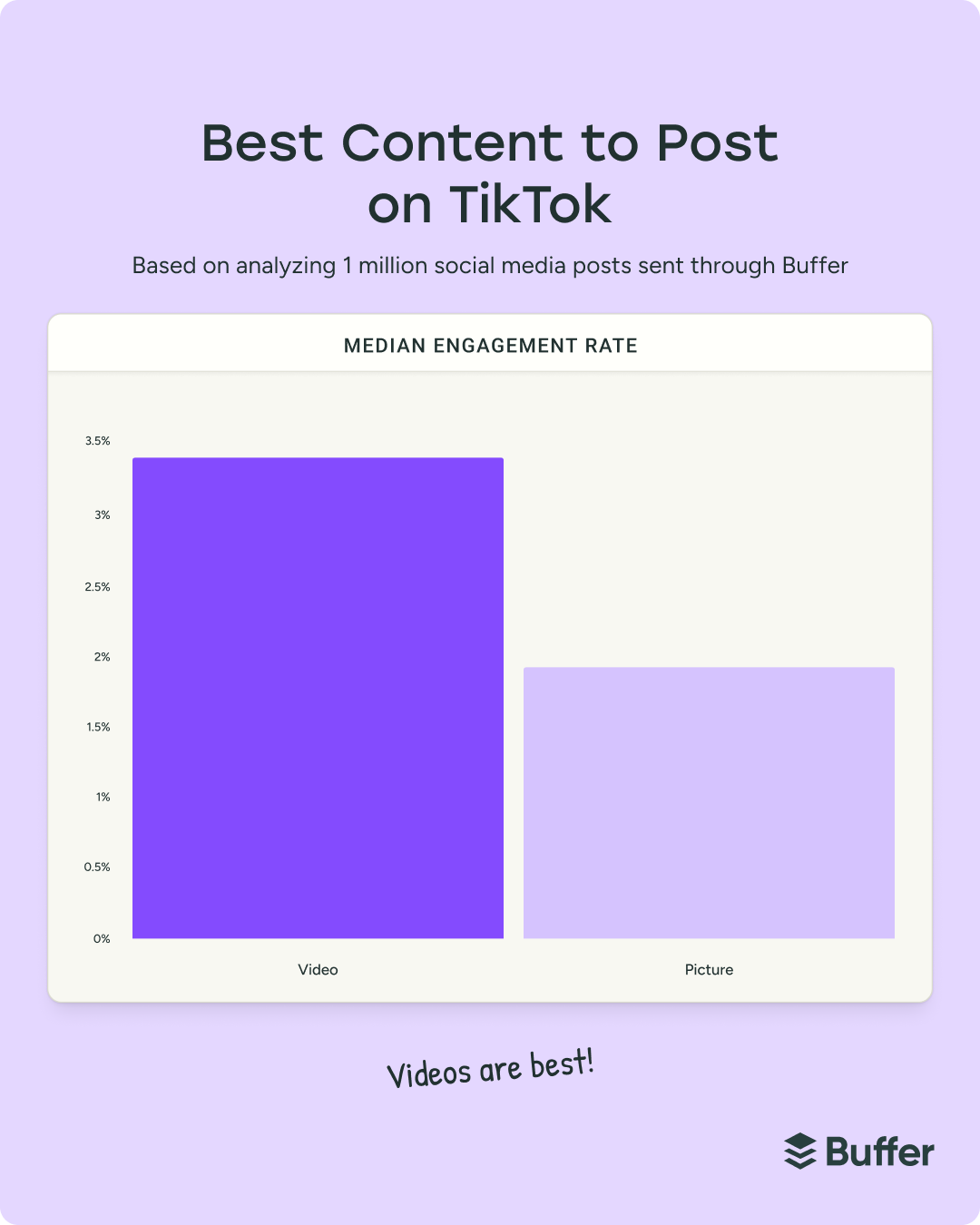
On TikTok, the platform synonymous with short-form video, the data reaffirms its foundational identity. Video content commands a median engagement rate of 3.39%, a staggering 77% higher than carousels and photo posts. While TikTok has introduced multi-photo posts, they remain significantly behind video in capturing user interaction. This is largely due to TikTok’s algorithm being inherently optimized for video consumption, driving discovery and prolonged viewing sessions. For creators aiming for engagement on TikTok, video is not just a preference; it is a strategic imperative. The platform’s user base expects dynamic, entertaining, and informative video, making it the clear format for success.
Instagram: A Tale of Two Strategies
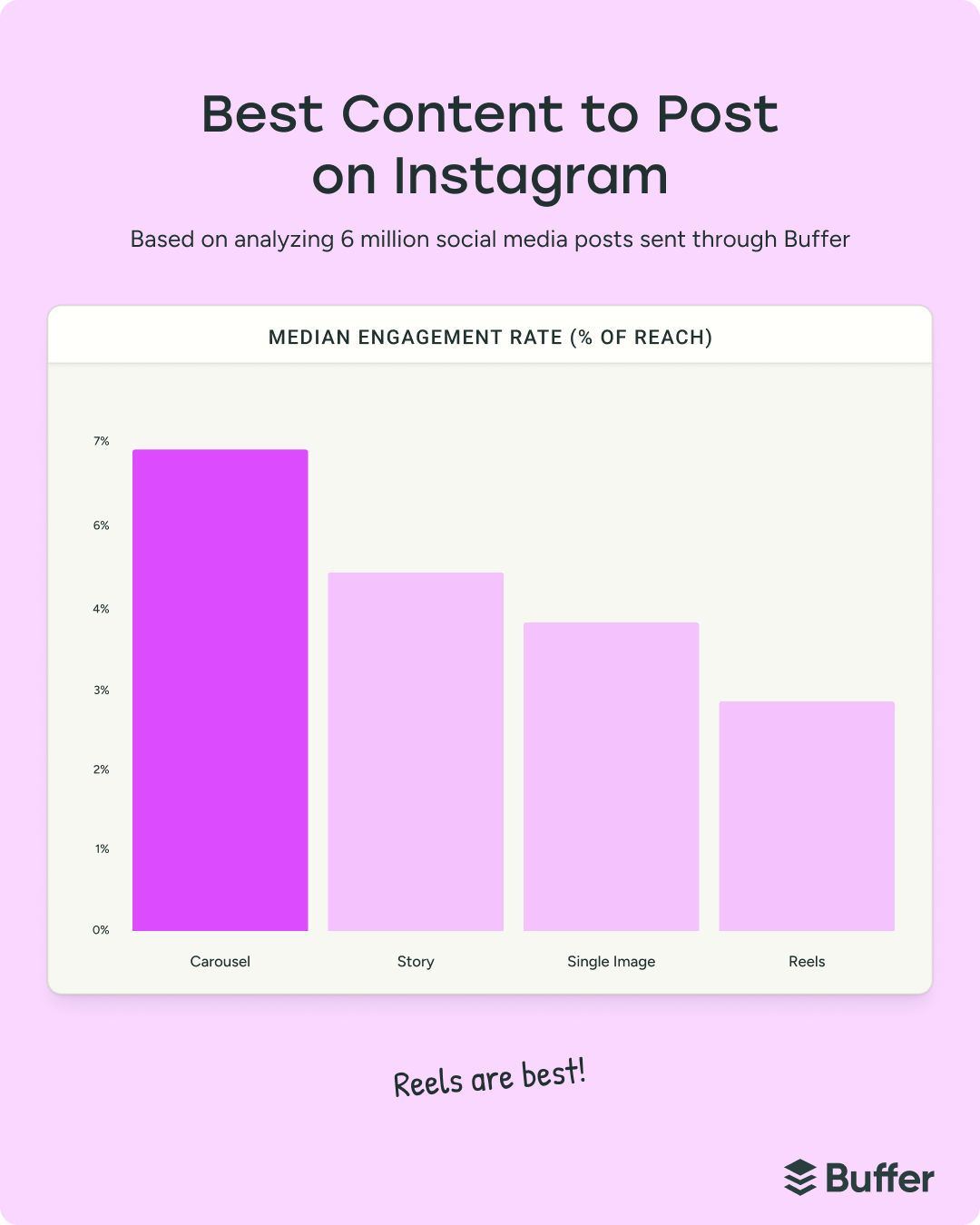
Instagram presents one of the most intriguing paradoxes. Despite the platform’s aggressive push for Reels—granting them a dedicated discovery feed and even a specialized editing app—Buffer’s data shows carousels leading in engagement rate with 6.9%. This means that among those who see a carousel post, a higher percentage interact with it compared to other formats. Single images follow at 4.4%.
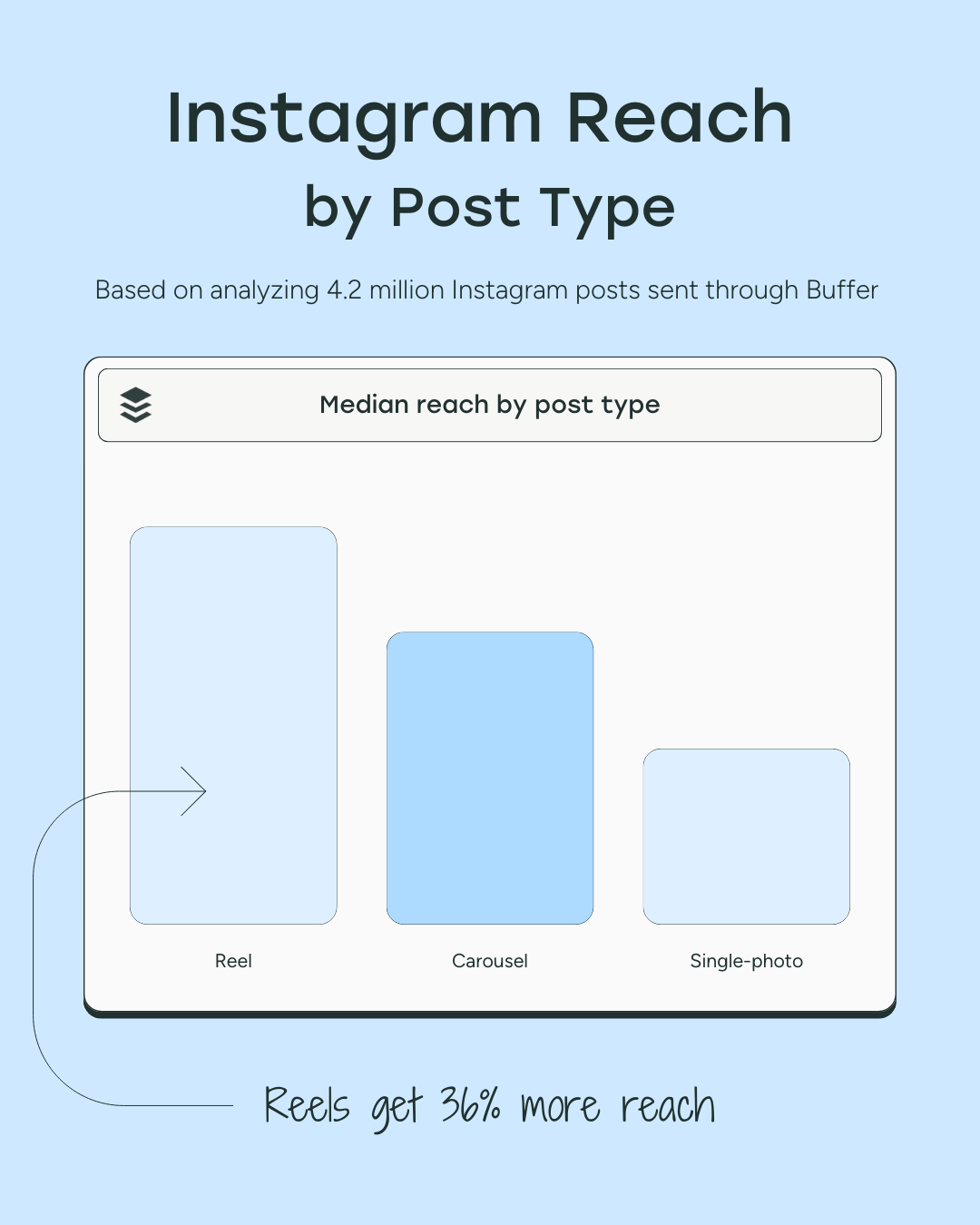
However, this metric alone does not tell the full story. When examining reach, Instagram Reels unequivocally outperform all other formats, achieving 2.25 times more reach than single-image posts. This dual reality paints Instagram as effectively "two different platforms in one." Reels are highly effective for discoverability and attracting new followers, leveraging the dedicated Reels tab to reach users beyond one’s existing audience. Carousels, on the other hand, excel at fostering deeper engagement with an existing audience. Their multi-slide format encourages longer dwell times, allowing users to swipe through content, absorb more information, and subsequently save, share, or comment, thereby signaling higher interest to the algorithm. The implication for creators is clear: Reels for audience expansion, carousels for community nurturing and profound interaction.
Facebook: The Enduring Power of Images
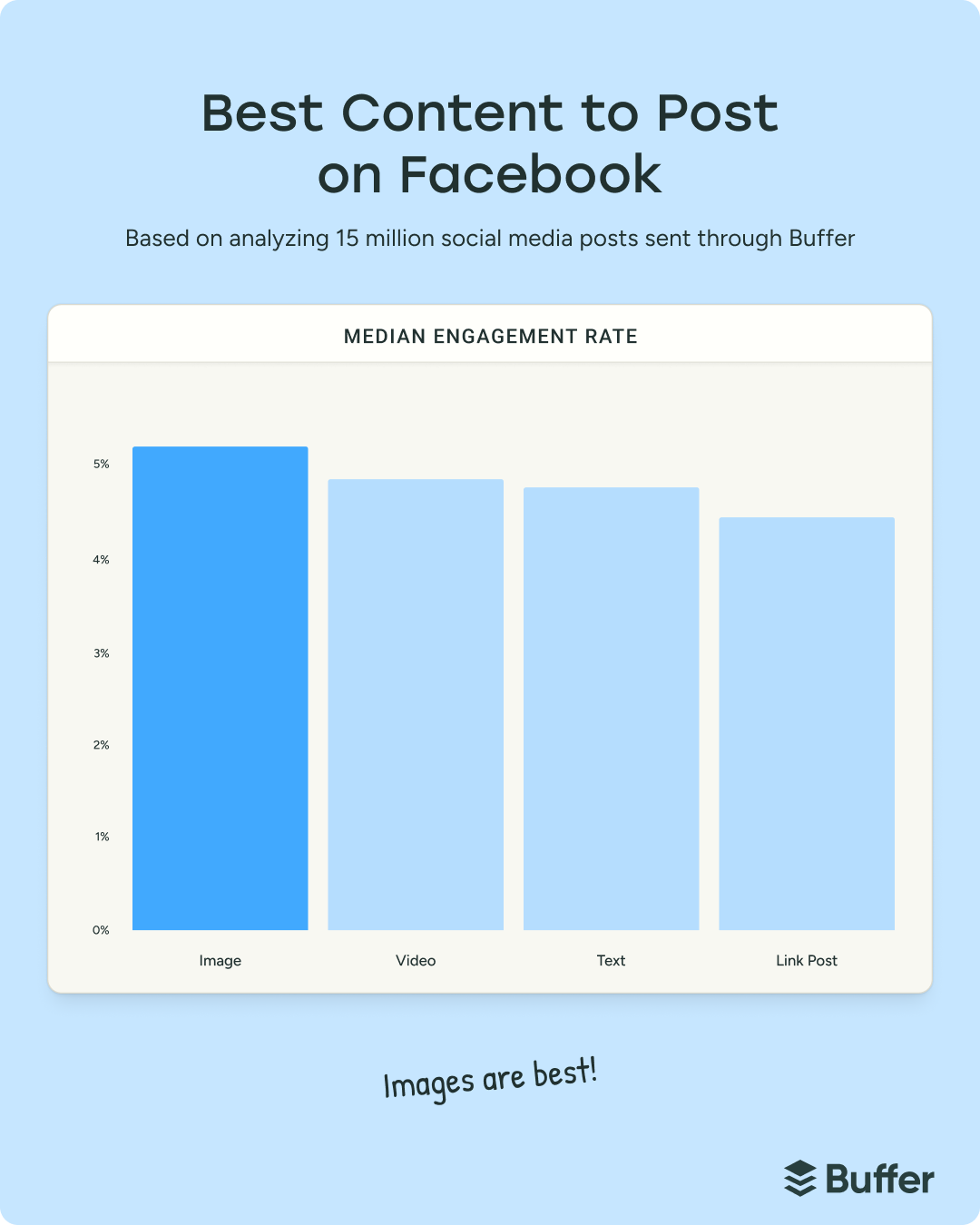
Facebook, often perceived as a platform in flux, demonstrates surprising stability in its content preferences. Images continue to lead with a 5.20% median engagement rate. What’s particularly noteworthy is the tight cluster of engagement rates across images, videos (4.84%), and text posts, all falling within a single percentage point. This suggests that while images slightly edge out others, Facebook’s mature audience is receptive to a variety of formats, provided the content is compelling. The most significant takeaway from Facebook’s data is the stark underperformance of links, reinforcing the broader trend toward "zero-click content." Users and algorithms increasingly prefer content that keeps them within the platform, minimizing external redirects.
Threads: Visuals Trump Text in a Conversational Arena
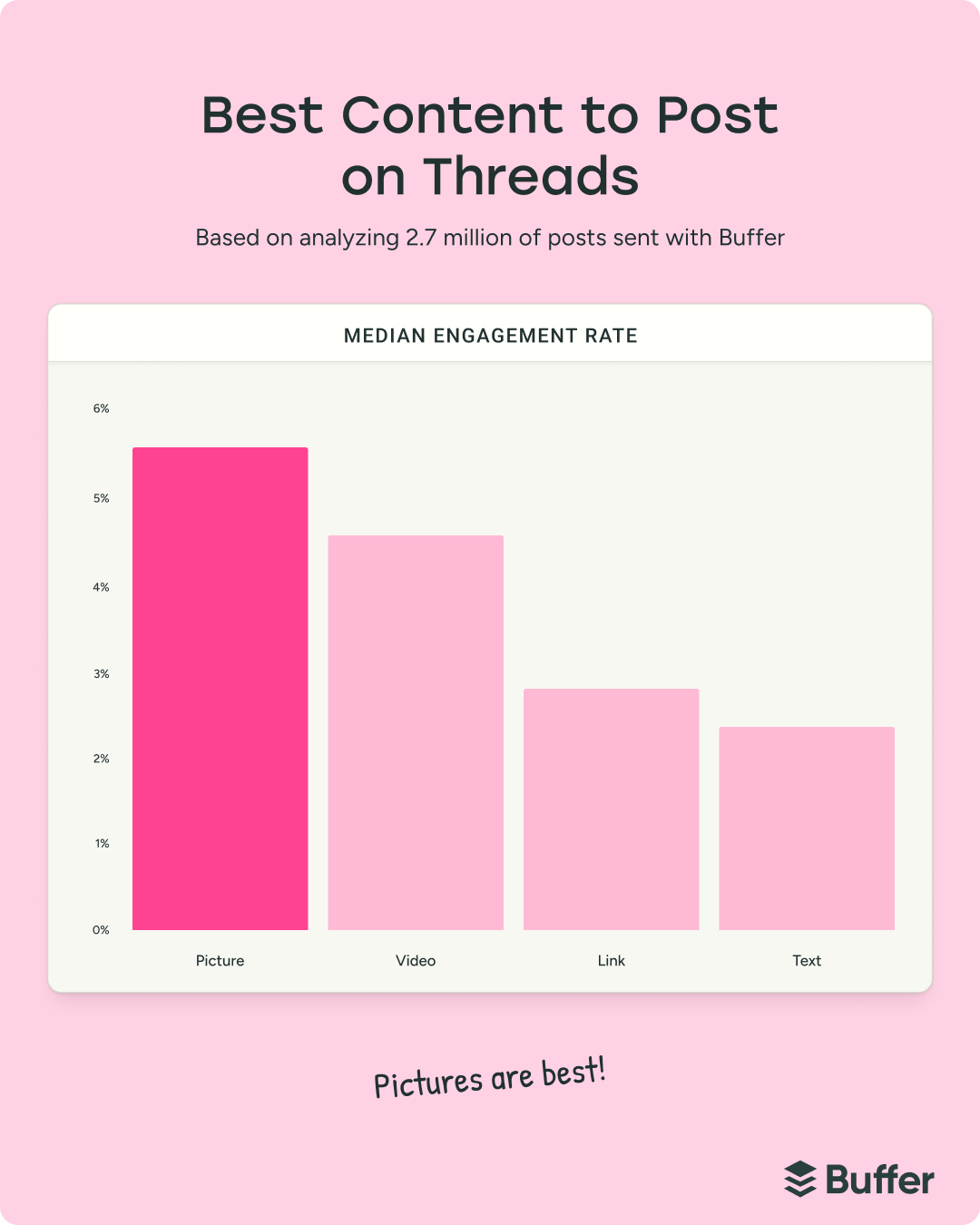
Threads, the relatively nascent platform from Meta, continues to evolve rapidly. Its initial positioning as a text-first, conversation-driven alternative to X suggested a preference for written content. However, Buffer’s latest analysis reveals a pivot, with video now taking the lead at a 5.55% median engagement rate, up from second place in previous reports. Images also perform strongly at 4.55%, significantly outperforming text and links. This indicates that even on platforms designed for discourse, visuals are becoming increasingly crucial for "stopping the scroll" and capturing initial attention. As Threads matures, its algorithm appears to be aligning with broader social media trends that favor visually rich content for engagement, even if its core utility is conversation.
LinkedIn: Carousels Reign Supreme in Professional Engagement
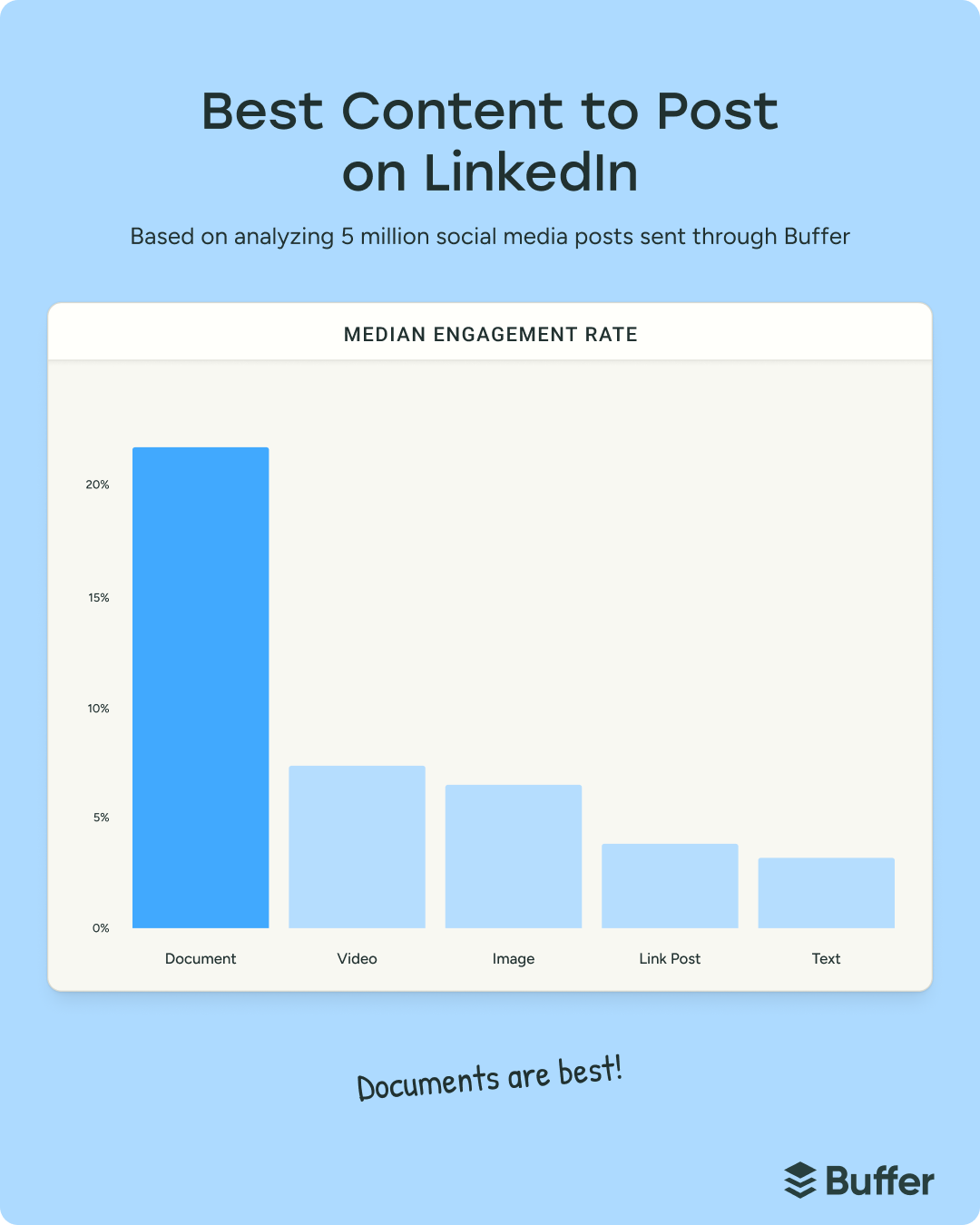
For LinkedIn, the findings are consistent with previous studies: carousels, often presented as multi-page PDF documents, remain the undisputed champion of engagement. With an astounding 21.77% median engagement rate, carousels outperform video by 196% and text posts by 585%. This phenomenon is likely attributed to LinkedIn’s professional context. Carousels allow for the delivery of information-dense content—presentations, reports, step-by-step guides—in an easily digestible, interactive format. Users on LinkedIn often seek educational and insightful content, and carousels provide a structured way to consume it without leaving the feed.
Despite this data, LinkedIn’s Head of Premium Content & Community Strategy, Callie Schweitzer, has consistently advocated for video, emphasizing "Video, Video, Video, Video" for growth. This highlights a potential divergence between what the platform pushes (video for discoverability and platform-level strategic goals) and what currently drives deep engagement (carousels for existing audiences). For creators on LinkedIn, a dual strategy emerges: leveraging carousels for high-impact, informative engagement with established connections, and strategically deploying video to expand reach and thought leadership visibility.
X (formerly Twitter): The Enduring Power of Text
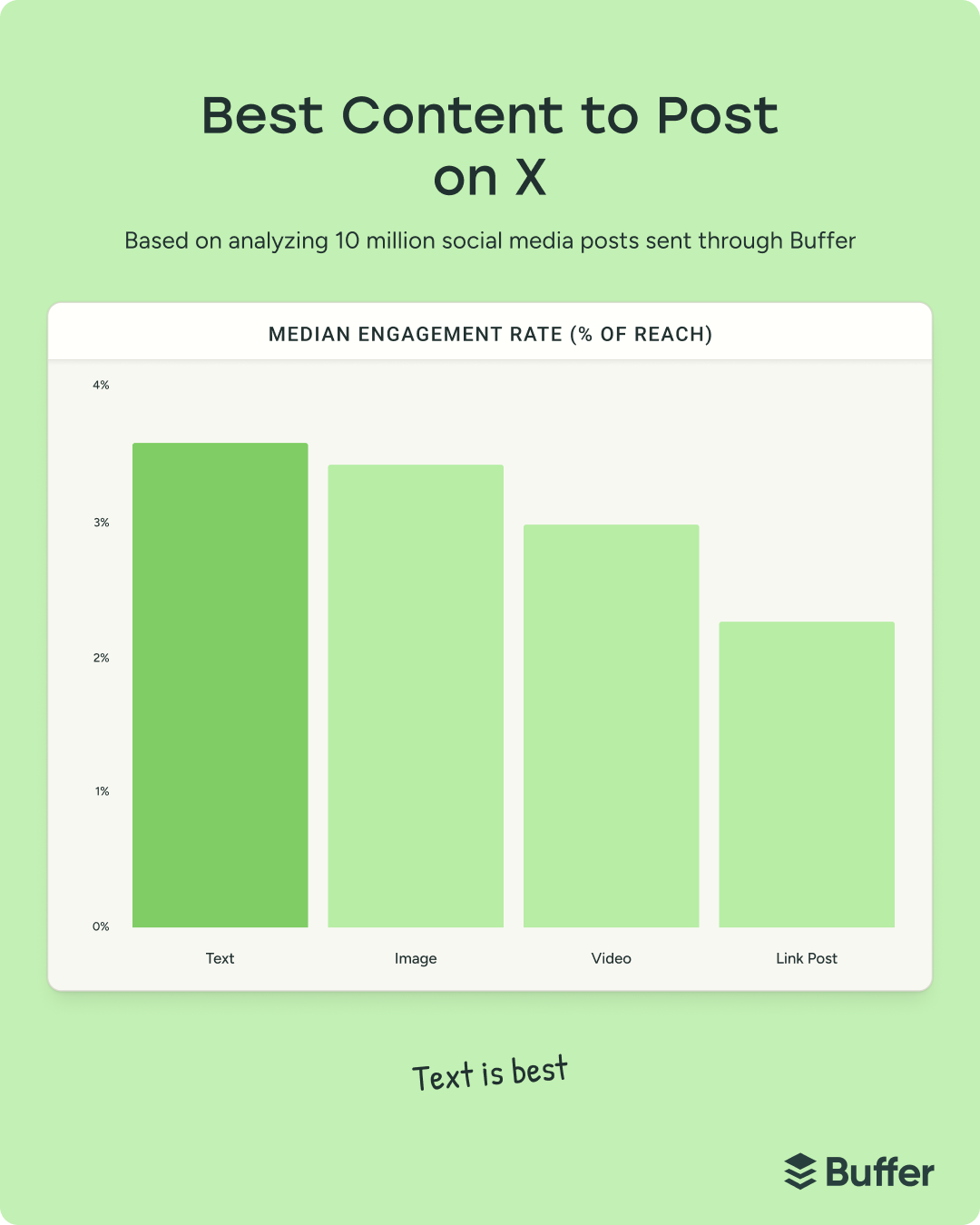
X, despite its transformation ambitions under Elon Musk to become an "everything app," largely remains true to its microblogging origins. Text posts still command the highest median engagement at 3.56%, closely followed by images at 3.40%. This signifies that the platform’s core user base continues to value concise, real-time written updates, hot takes, and direct conversations. While X has integrated more multimedia capabilities, the fundamental appeal of its quick, text-driven interactions persists. Short video clips can offer an edge, but the platform’s identity as a hub for rapid textual information exchange remains dominant for engagement.
Pinterest: Video’s Unexpected Ascent
Perhaps the most surprising finding is on Pinterest, a platform historically synonymous with static, beautiful images. The 2026 report indicates that video now leads in engagement with a 5.75% median rate, significantly outpacing images at 3.15%. This shift reflects Pinterest’s strategic investments in video content, particularly "Idea Pins" and other dynamic formats designed to inspire and guide users through processes (e.g., cooking tutorials, DIY projects). While Pinterest users still flock to the platform for visual inspiration, the data suggests that dynamic content is proving more effective at capturing and holding attention, indicating a successful adaptation by the platform to evolving content consumption patterns.
Bluesky: Early Signals Favor Video
As a relatively new entrant, Bluesky’s data is still in its early stages and should be interpreted with caution. However, initial signals point towards video leading in interactions, with a median of 5 interactions compared to 4 for images. This trend is notable given that video content is far less common on Bluesky than images (253K video posts vs. over 2 million image posts in the dataset). The higher interaction rate per video post, despite lower volume, suggests that video content stands out and captures attention effectively on this nascent platform. As Bluesky’s user base expands and its algorithms mature, it will be crucial to monitor if this early trend solidifies.
Broader Implications and Strategic Considerations
The Buffer 2026 report offers critical insights for anyone operating in the social media space. The overarching implication is a resounding rejection of a monolithic "video-first" strategy in favor of a highly nuanced, platform-specific approach.
- Audience-Centric Strategy: The most fundamental takeaway is that the "best" content format is entirely dependent on the target audience and their specific behaviors on each platform. What resonates with LinkedIn professionals seeking detailed information differs vastly from what engages a Gen Z audience on TikTok looking for entertainment. Creators must invest in understanding their audience’s content preferences on each individual platform.
- Goals Dictate Format: Content creators must clearly define their objectives. If the goal is broad reach and discoverability, particularly for new audiences, video (especially short-form like Reels and TikToks) is often the most effective. If the goal is deep engagement, fostering community, or delivering complex information to an existing audience, formats like carousels (LinkedIn, Instagram) or even text (X) can be superior.
- The Power of Consistency: The report indirectly reinforces the critical role of consistency. While not a direct finding in the format comparison, Buffer’s other studies have consistently shown a strong link between consistent posting and higher engagement, yielding as much as 5x more likes, comments, and shares across platforms. This means that creators should prioritize formats they can produce consistently and to a high standard, rather than forcing themselves to create content that is unsustainable. A consistently executed image strategy might outperform an inconsistently produced video strategy if the latter drains resources.
- Platform Algorithm Alignment: Understanding that platform algorithms are often designed to promote specific content types (e.g., Instagram pushing Reels to compete with TikTok) is crucial. While these pushes can boost reach, they do not automatically guarantee high engagement. Creators need to balance platform-favored formats for visibility with audience-preferred formats for interaction.
- Diversified Content Portfolio: For brands and marketers managing multiple social media channels, a diversified content strategy is no longer optional but essential. Repurposing content is key, but simply cutting a long video into short clips for every platform may not yield optimal results. Instead, content should be adapted not just in length but in format and style to suit the unique dynamics of each platform and its user base.
- The Enduring Value of "Zero-Click Content": The underperformance of links on platforms like Facebook and Threads highlights a significant trend: platforms and their users increasingly prefer content that can be consumed entirely within the app. This means prioritizing native content creation over external traffic generation for many engagement metrics.
Looking Ahead: The Future of Social Media Content
As social media platforms continue to evolve, the distinction between content formats may blur further. Hybrid formats, interactive elements, and AI-driven content creation tools are likely to become more prevalent. However, the fundamental principles illuminated by Buffer’s 2026 report—understanding your audience, aligning content with strategic goals, and prioritizing consistency—will remain timeless. The era of a single, universally dominant content format is giving way to a more sophisticated, data-informed approach, where adaptability and strategic nuance are the true keys to digital success. For marketers and creators, this means an exciting, albeit challenging, period of continuous experimentation and analytical rigor to unlock the full potential of their social media presence.