
 Ali Ikhwan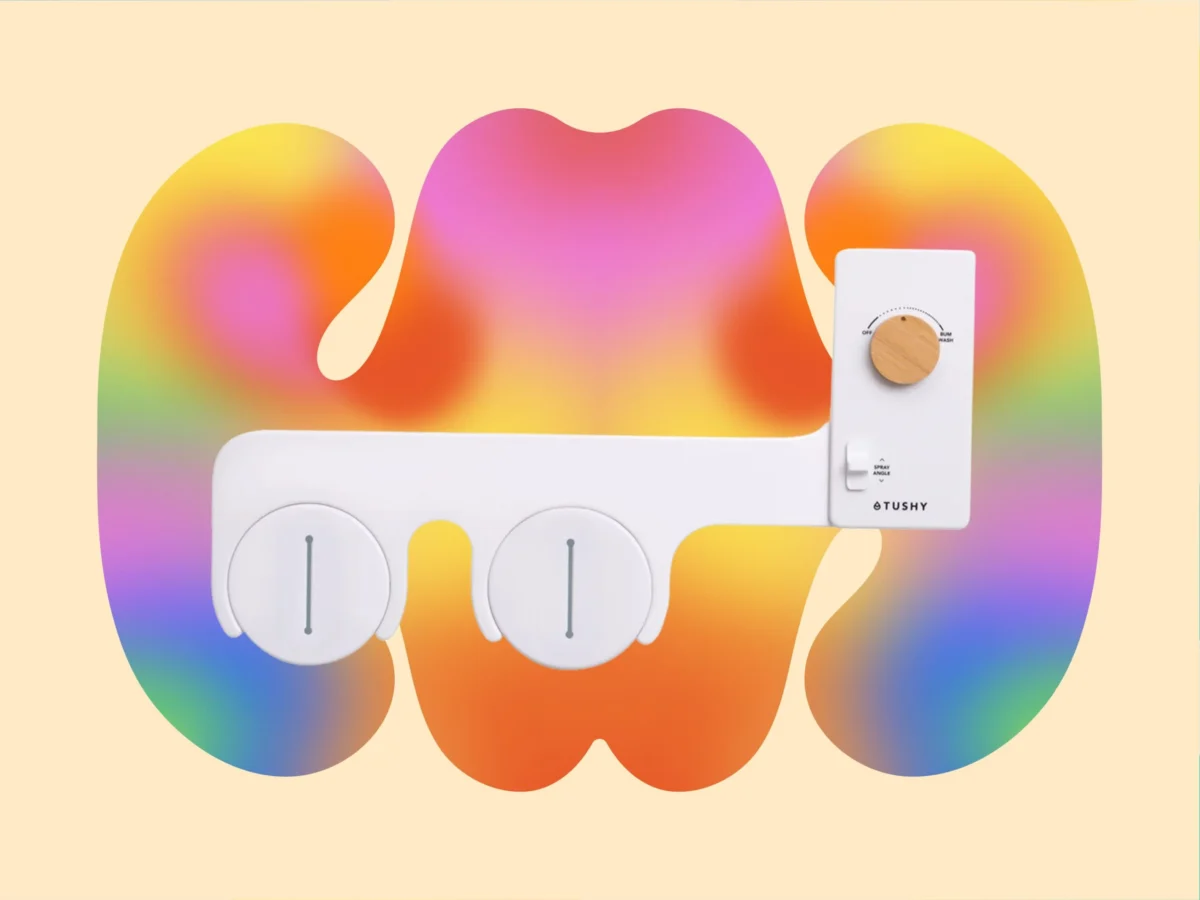
The annual Amazon Prime Day sales event has highlighted a significant shift in American consumer hygiene preferences, as non-electric bidet attachments from manufacturers like Tushy reach record-low price points. Market data indicates that the bidet industry, once a niche segment in the North American market, is experiencing a period of rapid expansion, driven by infrastructure constraints in older homes and an increasing focus on environmental sustainability. During the current promotional period, the Tushy Classic 3.0 has been reduced to $95 from its standard $129 retail price, while the more advanced Wave Bidet Seat has seen a price reduction to $141, representing a substantial discount from its $199 MSRP. These price adjustments reflect a broader strategy by wellness technology companies to lower the barrier to entry for a product category that has historically faced cultural and logistical resistance in the United States.
The Infrastructure Challenge and the Non-Electric Solution
One of the primary obstacles to bidet adoption in the United States is the layout of domestic bathrooms. Unlike many modern residential buildings in East Asia or Western Europe, a large percentage of American bathrooms were constructed without electrical outlets in close proximity to the toilet. This lack of infrastructure renders high-end, electronic "smart" bidets—which feature heated seats, air dryers, and motion-activated lids—impractical for the average consumer without expensive electrical retrofitting.
The Tushy Classic 3.0 and the Wave Bidet Seat address this specific market gap by utilizing a non-electric, mechanical design. These units operate using existing water pressure from the home’s plumbing system. By tapping into the room-temperature water supply line that feeds the toilet tank, these attachments provide a high-pressure cleaning solution without requiring a GFCI outlet. The mechanical nature of the devices, controlled by analog knobs, offers a degree of reliability and simplicity that has resonated with consumers looking for an entry-level hygiene upgrade.
Chronology of the Bidet’s American Resurgence
The trajectory of bidet sales in the United States changed permanently in the spring of 2020. Prior to the COVID-19 pandemic, bidets were largely viewed by American consumers as a European novelty or a luxury reserved for high-end hotels. However, the "Great Toilet Paper Shortage" of 2020 acted as a critical catalyst for the industry.
- Pre-2020: The bidet market in the US was dominated by high-end Japanese imports like Toto, with sales concentrated in coastal urban centers and luxury real estate.
- March 2020: Supply chain disruptions led to nationwide toilet paper shortages. Tushy and other bidet startups reported sales increases of over 500% in a single month.
- 2021-2022: As supply chains stabilized, the "bidet curious" demographic shifted from panic-buying to lifestyle-buying. Companies began refining their designs to improve ease of installation.
- 2023-Present: The market has matured into a competitive sector where major retailers and e-commerce platforms use events like Prime Day to capture market share through aggressive pricing.
Industry analysts suggest that the current Prime Day discounts are not merely a seasonal clearance but a strategic move to normalize bidet usage across a wider socioeconomic spectrum. By pricing the Tushy Classic 3.0 under the $100 threshold, the product enters the "impulse buy" or "affordable home improvement" category.

Technical Specifications and Comparative Analysis
The Tushy product line currently on sale represents two different approaches to the bidet experience. The Classic 3.0 is a bidet attachment, meaning it is a thin device that is installed underneath an existing toilet seat. This model features a single nozzle and a control dial that adjusts water pressure and nozzle angle. Long-term testing by industry experts has shown that while these mechanical units are prone to minor wear on internal rotating flanges over several years of use, the simplicity of the design generally ensures a long operational lifespan.
In contrast, the Tushy Wave is a full seat replacement. This model is engineered to replace the original toilet seat entirely, offering a more integrated look and improved ergonomics. The Wave features "DuoFlow" technology, a dual-nozzle system that provides both anterior and posterior cleaning. This system allows the user to toggle between nozzles using a mechanical dial, ensuring comprehensive coverage.
A critical factor for consumers during this sale is the compatibility of the Wave model. Unlike the Classic attachment, which fits most standard toilets, the Wave seat must be matched to the specific shape of the toilet bowl—either "round" or "elongated." This distinction is a standard in the plumbing industry, but one that often requires consumer education during the purchasing process.
Environmental and Economic Implications
The shift toward bidet usage carries significant environmental implications. According to data from the Natural Resources Defense Council (NRDC), the average American uses approximately 141 rolls of toilet paper per year. The production of toilet paper is a resource-intensive process; it is estimated that it takes 37 gallons of water to produce a single roll of toilet paper, and the industry is a major driver of deforestation in the Canadian boreal forest.
While bidets use water for cleaning, the amount is negligible compared to the water used in paper manufacturing. A standard bidet cycle uses approximately one pint of water. Furthermore, the reduction in paper waste lessens the burden on municipal sewage systems and septic tanks. Economically, the transition to a bidet can save the average household between $150 and $300 annually on paper products, meaning that a unit purchased for $95 on Prime Day can pay for itself within six to eight months.
Market Sentiment and Expert Evaluations
Consumer reviews and expert testing highlight the ease of installation as a primary selling point for the Tushy line. Most users report that the installation of the Classic 3.0 or the Wave takes approximately 20 minutes and requires no specialized plumbing tools. This "plug-and-play" aspect is essential for the e-commerce model, as it eliminates the need for professional labor costs.

Nena Farrell, a senior commerce editor who conducted a multi-year durability test on the Tushy Classic, noted that despite the presence of minor cosmetic cracks in the internal housing after 12 months of use, the unit’s functionality remained uncompromised. This sentiment is echoed by Jordan Michelman, a prominent reviewer of bathroom technology, who suggests that while non-electric models lack the "luxury" features of $600 electronic seats, they provide 90% of the hygiene benefits at a fraction of the cost.
Broader Impact on Public Health and Hygiene Standards
The increasing prevalence of bidets in American homes may have long-term effects on public health and sanitation standards. Dermatologists often cite the benefits of water-based cleaning over dry paper, noting a reduction in skin irritation and improved management of certain medical conditions.
From a sociological perspective, the adoption of bidets represents a "civilizing" trend in domestic technology. For decades, the United States was an outlier among developed nations in its reliance on dry paper. The current sales data suggests that the American consumer is increasingly aligned with international hygiene standards.
Conclusion: The Future of the American Bathroom
As the current Prime Day event concludes, the data points to a permanent shift in the home goods sector. The success of affordable, non-electric bidets like the Tushy Classic 3.0 indicates that the market is moving away from seeing the bidet as an exotic luxury and toward viewing it as a standard household appliance.
While the "smart" bathroom of the future may eventually include heated seats and automated lids as standard features, the current infrastructure of the American home favors the mechanical simplicity of the Tushy models. By leveraging large-scale sales events to drive down prices, manufacturers are successfully bypassing the cultural taboos and logistical hurdles that once kept the bidet out of the American mainstream. For less than $100, the entry point into what proponents call "civilized society" has become more accessible than ever before, signaling a new era in domestic sanitation.







