Michael Sholeh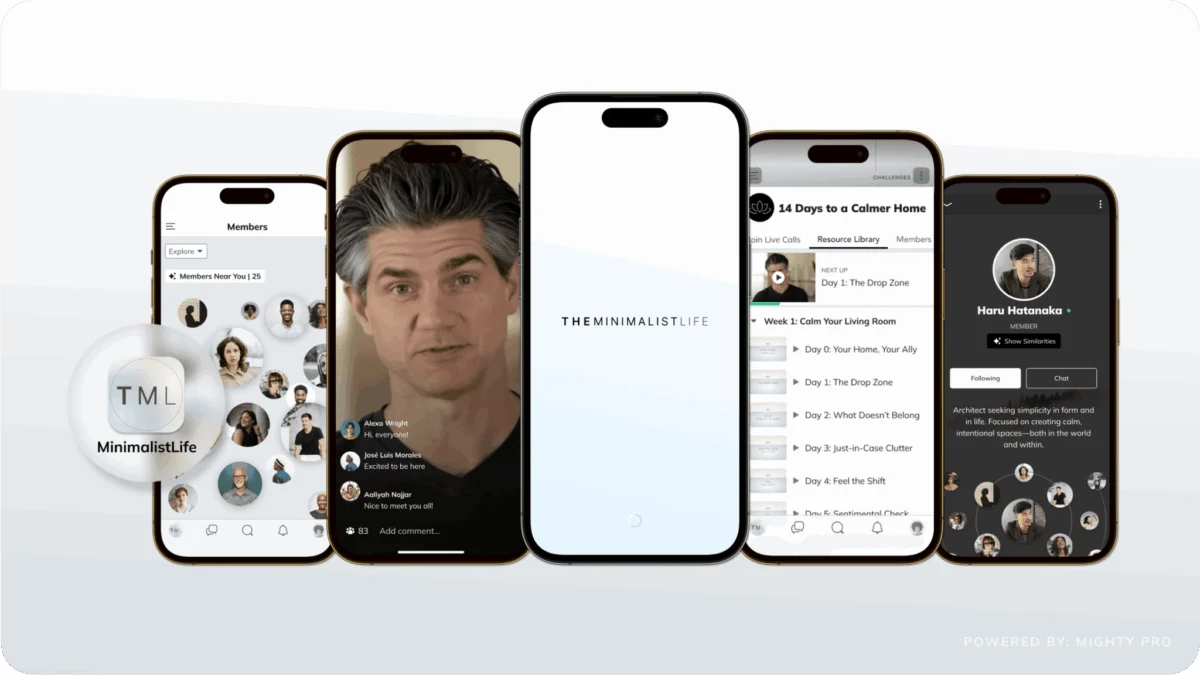
Joshua Becker, the influential author and founder of the Becoming Minimalist platform, has officially announced the launch of a comprehensive private membership community titled The Minimalist Life. This initiative represents a significant evolution in Becker’s professional trajectory, which has spanned nearly two decades of advocacy for intentional living and consumer reduction. The launch marks a strategic shift from static educational content—such as books and self-paced courses—toward a dynamic, subscription-based model designed to foster long-term habit formation and community-driven accountability.
For 17 years, Becker has been a central figure in the modern minimalism movement, a lifestyle philosophy that encourages individuals to prioritize personal values over the accumulation of material possessions. Since the inception of his blog in 2008, Becker has authored over 1,700 articles, produced 400 educational videos, and published several best-selling books, including The More of Less and The Minimalist Home. His previous digital offering, the Uncluttered Course, has reportedly served over 90,000 participants. However, the launch of The Minimalist Life addresses a persistent gap identified by his audience: the difficulty of maintaining minimalist principles after the initial enthusiasm of a decluttering project wanes.
The Evolution of Becoming Minimalist: A 17-Year Chronology
The development of The Minimalist Life is the culmination of a journey that began in a suburban driveway in Vermont in 2008. The chronology of Becker’s influence on the minimalist movement provides essential context for this new venture:
- 2008: Joshua Becker and his family decide to adopt a minimalist lifestyle after a weekend spent cleaning their garage, leading to the founding of the Becoming Minimalist blog.
- 2010–2015: The blog gains international traction as the "Simple Living" movement grows in response to the Great Recession. Becker transitions from a career in the ministry to full-time writing and speaking.
- 2016: The publication of The More of Less brings Becker’s philosophy to a mainstream global audience, emphasizing that minimalism is not just about aesthetics but about redirecting resources toward "things that matter."
- 2018: The launch of the Uncluttered Course introduces a structured, time-bound methodology for home organization, focusing on the physical environment.
- 2020–2023: As the COVID-19 pandemic forces a global re-evaluation of home life and consumer habits, Becker’s digital reach expands significantly, surpassing 1 million monthly readers.
- 2025: Following years of feedback regarding the "sustainability gap" in lifestyle changes, Becker introduces The Minimalist Life as a permanent support structure.
Addressing the Sustainability Gap in Lifestyle Change
The primary impetus for the new community is what behavioral psychologists often refer to as the "maintenance phase" of habit change. While many individuals successfully complete "30-day challenges" or one-time decluttering events, data suggests that a high percentage of consumers eventually return to previous patterns of over-consumption.
According to the American Psychological Association, social support is one of the most critical factors in maintaining long-term behavioral changes. By shifting to a community model, Becker is leveraging the "group effect" to help participants navigate the social pressures of a consumer-driven culture. The Minimalist Life is structured to move beyond the physical home, applying minimalist principles to digital life, personal finances, time management, and interpersonal relationships.
Data and Market Context: The Rise of Intentional Living
The launch of The Minimalist Life occurs against a backdrop of increasing consumer fatigue and financial stress. Recent economic data highlights the relevance of Becker’s platform:
- Household Accumulation: The average American home contains approximately 300,000 items. Research from UCLA’s Center on Everyday Lives of Families (CELF) has found a direct correlation between high levels of household clutter and increased cortisol (stress hormone) levels in mothers.
- Consumer Debt: With total U.S. household debt reaching record highs in 2024, there is a growing demographic of "minimalism-curious" individuals looking for practical ways to reduce spending and debt through lifestyle adjustments.
- The Subscription Economy: The move toward a membership model aligns with broader trends in the self-improvement industry. The global self-improvement market was valued at approximately $43.7 billion in 2022 and is projected to grow as consumers seek personalized, ongoing coaching rather than one-size-fits-all products.
Becker’s new community aims to provide a structured environment where these pressures can be addressed through monthly themes and direct human interaction, distinguishing it from the influx of AI-generated lifestyle advice currently saturating the digital market.

Structural Components of The Minimalist Life
The Minimalist Life is designed as a private, moderated space that eschews the distractions and algorithmic biases of traditional social media platforms. Key features of the community include:
- Monthly Thematic Focus: Each month, the community explores a specific area of life, such as "Financial Freedom through Minimalism" or "Digital Wellness."
- Live Interaction: Members have access to live Q&A sessions with Becker, providing a level of direct access previously unavailable in his broader public platforms.
- Peer Support Networks: Small-group interactions allow members to share successes and troubleshoot obstacles in a localized, supportive environment.
- Curated Resources: Instead of overwhelming members with content, the community provides filtered, actionable steps designed to fit into a busy daily rhythm.
Becker has introduced a "Founding Member" pricing tier to incentivize early adoption, offering the service at $18 per month or $180 per year. This introductory rate is positioned as an accessible entry point for those who have previously engaged with his free content but require additional structure.
Broader Implications and Industry Analysis
The transition of Becoming Minimalist into a membership-based community reflects a broader shift in the creator economy. As platforms like Instagram and TikTok become increasingly commercialized, creators with established trust and authority are moving their "core" audiences into private, paid ecosystems. This allows for a higher quality of discourse and protects the community from the "noise" of the general internet.
Furthermore, the focus on "human interaction" in Becker’s announcement is a strategic response to the rise of Artificial Intelligence. As AI becomes capable of generating infinite "tips for decluttering," the value of a human-led community with a 17-year track record of authenticity becomes a significant competitive advantage. Becker’s move suggests that the future of the minimalism movement lies not in more information, but in better implementation through social connection.
Expected Impact and Future Outlook
Industry analysts suggest that the success of The Minimalist Life will depend on its ability to provide tangible value that exceeds the cost of the subscription. For many in the minimalism space, the "value" is found in the time and money saved by avoiding unnecessary purchases—a return on investment that Becker has frequently highlighted in his writings.
If the community reaches even a fraction of the 90,000 individuals who participated in the Uncluttered Course, it could become one of the largest private intentional-living communities in the world. This would provide Becker with a massive data set of real-world challenges and solutions, potentially informing future books and social policy advocacy regarding consumerism and mental health.
The doors to the community are currently open, with the founding member rate available through June 30th. As the minimalism movement continues to evolve from a niche aesthetic to a mainstream response to modern burnout, initiatives like The Minimalist Life represent a maturing of the philosophy into a sustainable, lifelong practice.
In his concluding remarks regarding the launch, Becker emphasized that the journey toward an intentional life is rarely a solo endeavor. By providing a "room-by-room" and "month-by-month" support system, he aims to transform minimalism from a fleeting trend into a permanent foundation for personal and societal well-being. For the tens of thousands of people who have found themselves "starting strong but struggling to keep going," this new community may provide the missing link in the pursuit of a simpler, more focused life.