
 Indra Kusuma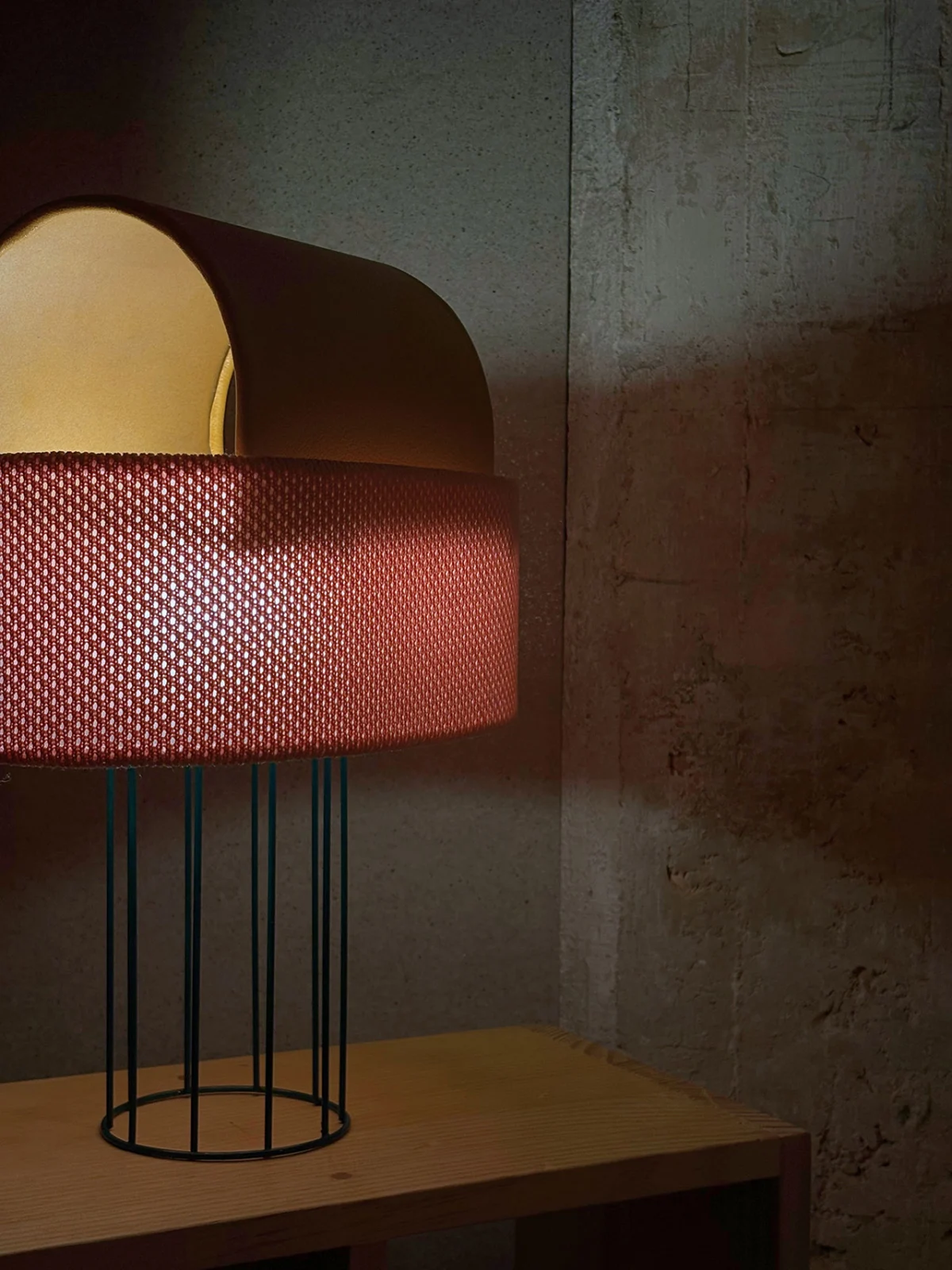
In an age marked by rapid technological advancement and an increasing awareness of global climate challenges, the modern world grapples with a fundamental paradox: innovation surges forward, yet the enduring value of traditional craftsmanship and resourcefulness remains paramount. This dichotomy is perfectly encapsulated by the "Beyond Leather" project, an exemplary collaboration that reimagines the lifecycle of a time-honored material, blending industrial sustainability with profound social impact. Born from a synergistic exploration between premium leather manufacturer Elmo Leather and Madrid-based creative studio TetuánCrea, and critically supported by the empowering work of Soulem, this initiative transforms discarded leather offcuts into exquisite, functional luminaires, setting a new benchmark for circular design and community engagement.
A Paradigm Shift in Material Innovation
The contemporary design landscape is increasingly defined by a critical need for sustainable practices. With escalating concerns over resource depletion, waste generation, and the environmental footprint of manufacturing, industries are under pressure to innovate. Traditional production models, often linear in their approach—take, make, dispose—are proving unsustainable. It is within this context that projects like "Beyond Leather" emerge as vital blueprints for a more responsible future. The initiative directly confronts the challenge of industrial waste, particularly within sectors that rely on natural materials, by elevating what would typically be considered scrap into objects of significant aesthetic and functional value.
The project was unveiled as part of the Viveros project during the prestigious Madrid Design Festival 2026, a platform renowned for showcasing cutting-edge design that addresses contemporary issues. Its presentation at such a prominent event underscores its significance not just as a design endeavor, but as a statement on the potential for systemic change within manufacturing and societal frameworks.
The Genesis of ‘Beyond Leather’: A Collaborative Vision
The very foundation of "Beyond Leather" is built upon a philosophy rooted in the "humanist tradition of using the whole animal." This ancient principle, which emphasizes maximizing utility and minimizing waste from natural resources, finds a contemporary expression in the project’s commitment to circularity. Rather than simply discarding the residual material from leather production, the collaborators sought to imbue it with new life and purpose, honoring the material’s origin and inherent qualities.
Elmo Leather: Pioneering Sustainable Material Sourcing
Elmo Leather, a name synonymous with premium quality in the leather industry, brings decades of expertise and a documented commitment to sustainable business practices to the collaboration. Based in Sweden, Elmo Leather has long invested in responsible sourcing, environmentally conscious tanning processes, and minimizing their operational impact. However, even with stringent efficiency measures, the production of leather inevitably generates offcuts—smaller pieces that are too irregular or small for primary applications like upholstery, luxury bags, or automotive interiors. These remnants, while representing a fraction of the original hide, accumulate to a considerable volume across the industry, posing a waste management challenge.
An Elmo Leather spokesperson, reflecting on the project’s inception, might articulate: "Our dedication to sustainability extends beyond our primary production. We continually seek innovative pathways to ensure that every part of the material we work with is utilized respectfully. The ‘Beyond Leather’ project offered an exceptional opportunity to transform what was once considered unavoidable waste into a resource, aligning perfectly with our core values of quality and environmental stewardship."
TetuánCrea: Transforming Remnants into Radiance
Madrid-based creative studio TetuánCrea, led by designers Estrella Poza Ruiz and Ilaria Franceschini, provided the artistic vision and design ingenuity necessary to conceive the new application for the leather offcuts. Their approach is characterized by an experimental curiosity and a deep understanding of material properties. For "Beyond Leather," Poza Ruiz and Franceschini embarked on extensive composition studies, mock-ups, and prototypes, meticulously exploring how cuts, tensions, overlays, and color combinations could transform seemingly disparate remnants into cohesive and compelling objects.

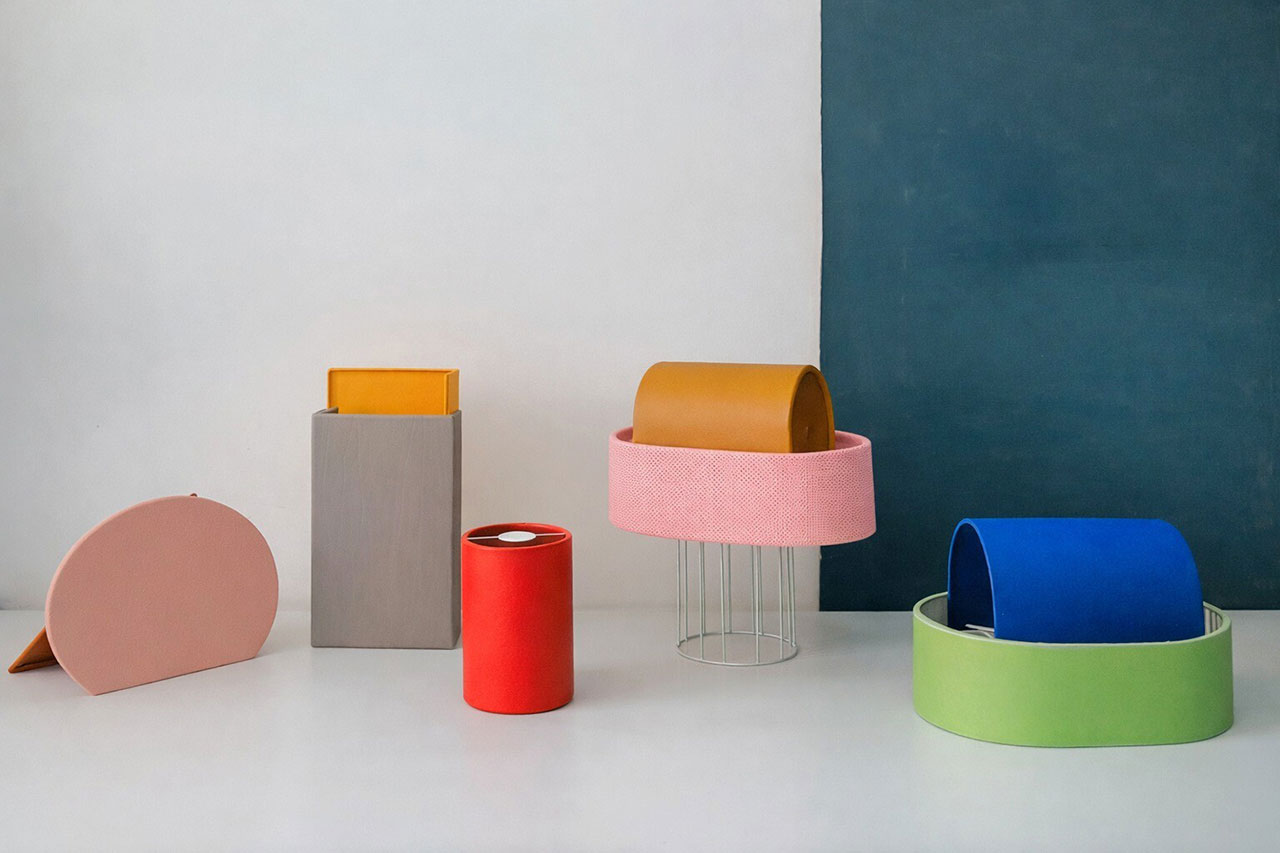
The designers’ objective was not merely to create lamps but to craft luminaires with sculptural presence and functional purpose. Their process involved a meticulous deconstruction and reconstruction of the material, allowing the inherent qualities of each leather piece—its unique color, texture, grain, and irregularities—to become collaborators in the design. This intimate engagement with the material fosters a deeper relationship between the creator, the medium, and the final creation, imbuing each lamp with a distinct character.
"The true beauty of this project lies in discovering the hidden potential within discarded pieces," stated Estrella Poza Ruiz (inferred). "Each offcut tells a story, and our role was to help it articulate a new chapter, transforming industrial by-products into works of art that also serve a practical function." Ilaria Franceschini might add (inferred): "It was a fascinating challenge to shift the perception of leather from a material for seating or accessories to one that diffuses light. The translucency and tactile qualities of the leather create a unique warmth and ambiance, making each lamp a truly individual piece."
Soulem: Empowering Communities Through Craft
Perhaps the most impactful dimension of the "Beyond Leather" project is its partnership with Soulem, an organization dedicated to supporting women in vulnerable situations through skill-building, craftsmanship, and community development. This collaboration transcends typical industrial design by integrating a robust social enterprise model. Soulem provides vocational training and employment opportunities, enabling women to acquire valuable skills in leatherwork, cutting, shaping, and assembly, thereby fostering economic independence and social inclusion.
The engagement of Soulem ensures that the project’s benefits extend far beyond environmental sustainability and aesthetic innovation. It directly contributes to the empowerment of individuals, building local capacities and strengthening social fabric. Marta Pascual, Project Lead through U-Ak Social Design Project, eloquently articulated this profound aspect: "The true value lies in the process rather than the final objects. It is a shared effort in which every participant contributes to something greater." This sentiment underscores that the lamps are not merely products but tangible symbols of collaboration, learning, and the creation of new opportunities.

A representative from Soulem might elaborate (inferred): "Working on the ‘Beyond Leather’ project has provided our participants with invaluable skills, confidence, and a sense of purpose. It’s more than just crafting lamps; it’s about building lives, fostering a supportive community, and demonstrating how meaningful work can transform individual futures. The women take immense pride in knowing their hands are shaping beautiful objects from what was once considered waste, contributing to both environmental good and their own personal growth."
The Art of Upcycling: From Discarded Offcuts to Sculptural Luminaires
Traditionally, leather finds its primary applications in robust, durable items where its strength and luxurious feel are paramount. The "Beyond Leather" project boldly redefines this narrative by employing leather offcuts for lighting. The resulting lamps are characterized by their simple yet elegant geometries, glowing from within to reveal the specific intricacies and natural variations of each offcut. This approach ensures that every lamp possesses a unique look, celebrating the individuality of the material rather than striving for uniformity.
The design process involved an iterative exploration of how various cuts, tensions, and overlays of leather could interact to create form and diffuse light effectively. Designers Poza Ruiz and Franceschini experimented with different color combinations, transforming what could have been a chaotic assortment of remnants into harmonious and captivating compositions. The inherent transparency and flexibility of thinner leather pieces, combined with careful structuring, allow light to filter through, highlighting the material’s texture and grain in unexpected ways.
The decision to use leather for lighting introduces a tactile and organic warmth that is often absent in conventional light fixtures. The material’s natural irregularities become aesthetic assets, forging a deeper connection between the object and its viewer. This transformation of discarded pieces into useful and beautiful objects stands as a powerful testament to the principles of materiality and process, infusing the luminaires with a warmth that lends their simple geometries special significance, embodying respect for both the living source and the material’s second life.

A Deeper Look at Leather: Resilience Meets Responsibility
Leather, as a material, occupies a complex and often controversial position in modern discourse. While its origins involve animal husbandry, its historical significance and unparalleled durability are undeniable. Archaeological findings reveal that humans have understood and utilized leather for millennia, employing sophisticated tanning and preservation techniques long before the advent of modern industrial processes. This ancient resilience stands in stark contrast to many contemporary materials, including bonded leather, synthetic substitutes, and even some luxury products, which can show signs of wear and degradation after only a few years.
The enduring quality of genuine leather—its ability to age gracefully, developing a unique patina over time—remains difficult to match. The "Beyond Leather" project does not shy away from the material’s complex nature but rather embraces it, offering a model for responsible consumption and utilization. By employing offcuts, the project addresses a critical aspect of resource efficiency within the leather supply chain, ensuring that the maximum value is extracted from an already existing resource. This approach offers a compelling counter-narrative to the "fast fashion" mentality, advocating for longevity, quality, and mindful material use.
Elmo Leather’s long-standing commitment to sustainable business practices, backed by robust documentation and measurable, scalable goals, provides the ethical framework for this project. Their efforts go beyond superficial "greenwashing," aiming for systemic change within the industry. "Beyond Leather" exemplifies this by not treating waste as an aesthetic shortcut but rather as a valuable resource that, through thoughtful design and craftsmanship, can be elevated and given a renewed purpose.
Madrid Design Festival 2026: A Showcase for Forward-Thinking Design
The Madrid Design Festival, an annual international event, has established itself as a pivotal platform for exploring the intersections of design, innovation, and societal challenges. Its 2026 edition, particularly through the Viveros project, focused on nurturing nascent ideas and showcasing initiatives that push the boundaries of conventional design. "Beyond Leather" was a natural fit, embodying the festival’s ethos of promoting sustainable solutions and community engagement.

The Viveros project specifically aims to support and exhibit projects that demonstrate creative growth and address critical issues through design. By featuring "Beyond Leather," the festival highlighted a compelling example of how collaboration across different sectors—industry, creative studios, and social organizations—can lead to impactful and aesthetically rich outcomes. The exposure gained at such a prestigious event not only celebrated the project’s achievements but also amplified its message, potentially inspiring other designers and manufacturers to adopt similar circular economy principles.
The Broader Implications: Redefining Design and Value
The "Beyond Leather" project is more than a collection of beautifully crafted lamps; it represents a significant step towards redefining industrial practices, fostering social innovation, and challenging prevailing notions of material value.
Advancing Circular Economy Principles
This collaboration offers a tangible model for how industries can transition from linear consumption to a truly circular economy. By transforming industrial waste into new products, "Beyond Leather" demonstrates how resources can be kept in use for longer, minimizing waste and reducing the demand for virgin materials. The project’s emphasis on measurable and scalable goals within Elmo Leather’s sustainable practices indicates a commitment to systemic change rather than isolated interventions. It encourages other businesses to view their by-products not as liabilities but as opportunities for innovation and value creation.
Social Innovation and Economic Empowerment
The partnership with Soulem underscores the project’s powerful social dimension. By providing skills training and employment to women in vulnerable situations, "Beyond Leather" contributes to economic empowerment and social equity. This model highlights how sustainable design can be intrinsically linked with humanitarian efforts, creating dignified work and fostering community resilience. The quote from Marta Pascual, emphasizing the value of the process and shared effort, perfectly encapsulates this dual benefit: the creation of beautiful objects goes hand-in-hand with the creation of empowered individuals and stronger communities.

A New Narrative for Materials
"Beyond Leather" actively constructs a new narrative around materials that already possess inherent value. It challenges the conventional understanding of "waste" by demonstrating that remnants, when approached with creativity and respect, can be transformed into high-value products. This shift in perception encourages a deeper appreciation for material resources, fostering a more mindful approach to design and consumption. It forges a profound relationship between the creator, the material, and the final creation, where the unique characteristics and history of each piece are celebrated rather than hidden. This respect for material, from its origin to its transformation, inspires a broader cultural shift towards valuing longevity, craftsmanship, and resourcefulness.
Voices from the Collaboration
"This project exemplifies our unwavering commitment to innovation and sustainability," stated a representative from Elmo Leather (inferred). "By collaborating with TetuánCrea and Soulem, we’ve not only found an inventive use for our offcuts but also contributed to a meaningful social cause. It’s a testament to what can be achieved when different expertise comes together for a shared vision of a better future."
Estrella Poza Ruiz and Ilaria Franceschini of TetuánCrea might add (inferred): "Our design philosophy centers on uncovering the inherent beauty and potential within materials. With ‘Beyond Leather,’ we were able to explore the tactile and aesthetic qualities of leather in a completely novel context, creating pieces that are both functional and deeply evocative. It’s been a truly rewarding creative journey."
A spokesperson for Soulem (inferred) reflected: "The impact of ‘Beyond Leather’ on the women we support has been transformative. It offers them not just a skill, but a pathway to self-reliance and integration into a vibrant community of craftswomen. The pride they take in their work, knowing it contributes to such a significant project, is immeasurable. This collaboration is a shining example of social design in action."

Finally, a curator from the Madrid Design Festival 2026 (inferred) might observe: "The ‘Beyond Leather’ project stood out at the festival for its holistic approach to design. It seamlessly integrates environmental responsibility, artistic innovation, and crucial social impact. It truly represents the future of design—thoughtful, collaborative, and deeply conscious of its broader implications."
Conclusion: A Blueprint for a Sustainable Future
The "Beyond Leather" collaboration transcends the creation of mere objects; it is a powerful demonstration of how true circular design can benefit everyone involved—from the industrial producer to the artisan, and ultimately, to the end consumer. By investigating not only the systems that produce leather but also the people who produce leather products, the project crafts a rich network of collaboration built on craft, learning, and the creation of new opportunities.
This initiative signifies a profound shift in the design cycle: moving from linear consumption to intelligent reuse, from isolated authorship to shared making, and from material excess to profound material respect. As the modern world continues to seek solutions to its pressing environmental and social challenges, "Beyond Leather" offers an exciting opportunity to reclaim valuable material while simultaneously creating empowering employment opportunities. It stands as a beacon for how responsible design, driven by collaboration and a deep sense of purpose, can illuminate a path towards a more sustainable and equitable future.
To learn more about Beyond Leather, visit elmoleather.com. To learn more about Soulem, visit soulem.org.

Photography courtesy of Elmo Leather.







