
 Ali Ikhwan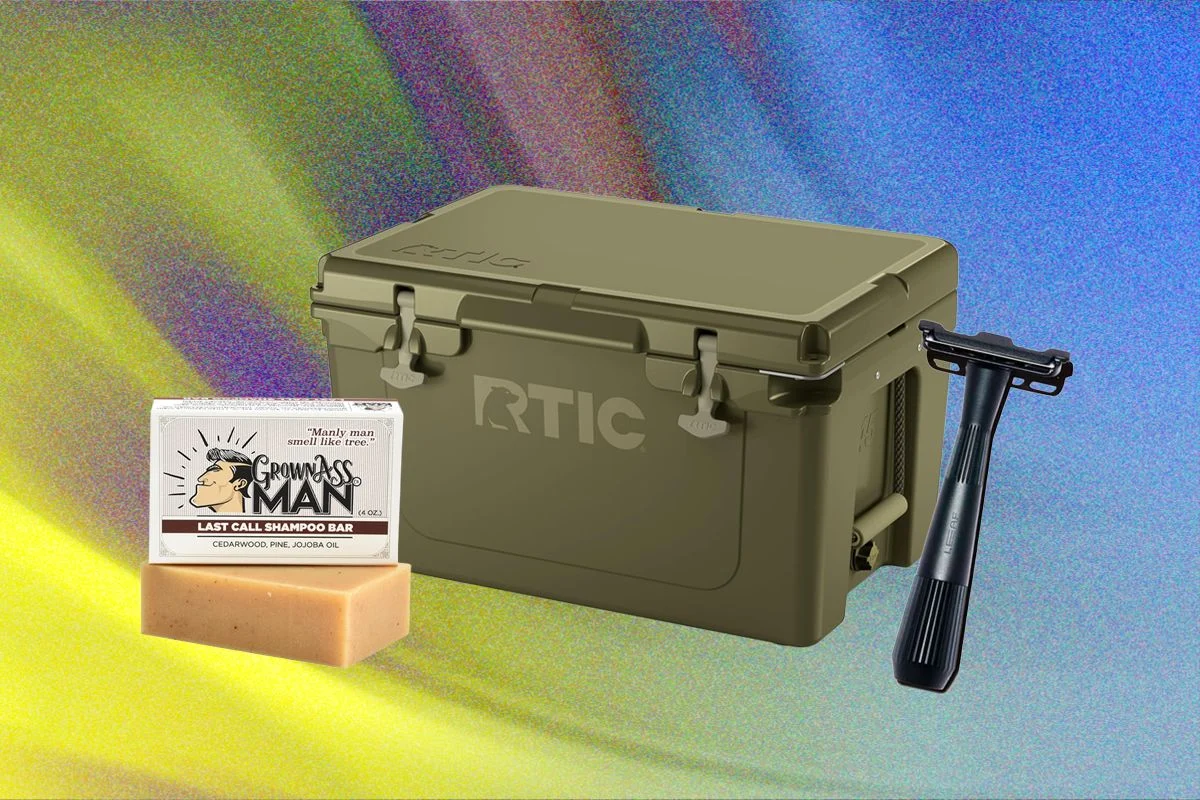
The contemporary retail landscape for men’s accessories and lifestyle products has undergone a significant transformation, moving away from traditional staples like neckties and leather belts toward a niche characterized by high-performance engineering and hyper-specialized functionality. This shift reflects a broader trend in consumer behavior where utility is increasingly blended with "tactical" aesthetics and professional-grade specifications. As of June 2026, the market for these "manly" gifts has expanded to include aerospace-grade kitchen implements, precision laser instrumentation, and industrial-strength protective gear, signaling a departure from the generic gifting strategies of the past several decades.

The Professionalization of the Domestic Sphere
A primary driver of this market evolution is the professionalization of domestic tasks, particularly within the culinary sector. No longer content with standard kitchen tools, the modern male consumer often seeks equipment that mirrors industrial or professional standards. A prominent example of this trend is the Männkitchen Pepper Cannon, a device that has redefined the expectations for a common household mill. Priced at approximately $200, the Pepper Cannon is marketed not merely as a kitchen tool but as a piece of high-output machinery. Milled from solid blocks of aerospace-grade aluminum and featuring high-carbon stainless steel burrs, the device is engineered to produce pepper at a rate ten times higher than traditional grinders.
This focus on "output" and "performance" appeals to a demographic that values efficiency and mechanical precision. Similarly, the Global 8-Inch Classic Chef’s Knife continues to hold a dominant position in the market. Its enduring popularity is bolstered by its historical association with the late culinary icon Anthony Bourdain, who famously praised the tool for its balance and durability. Retailers such as Crate & Barrel and Williams Sonoma report consistent demand for the knife, which utilizes CROMOVA 18 stainless steel and a signature dimpled handle design for improved grip. The convergence of celebrity endorsement and technical specifications creates a compelling value proposition for consumers looking to elevate their culinary capabilities to professional levels.

Precision Engineering in Utility and Measurement
The demand for high-performance gear extends beyond the kitchen and into the realm of home maintenance and DIY projects. The transition from analog tools to digital, laser-guided instrumentation represents a significant technological leap in the consumer market. The Mileseey S50 Green-Laser Distance Measure, currently retailing for approximately $130, exemplifies this trend. Unlike traditional red-beam lasers, green-beam technology offers superior visibility, particularly in bright environments, and provides precision measurements within a fraction of an inch.
Industry data suggests that the global laser distance meter market is experiencing a compound annual growth rate (CAGR) of approximately 5.8%. This growth is driven by a consumer base that prioritizes data accuracy and technological integration. For the modern "manly" consumer, the appeal lies in the transition from the physical labor of a tape measure to the calculated precision of a laser. This "tech-forward" approach to traditional tasks is a hallmark of the current gifting cycle, where the value of an object is often measured by its technical complexity and the sophistication of its sensors.

The Rise of "Tactical" Branding and Specialized Grooming
A distinctive feature of the current men’s gift market is the use of hypermasculine or "tactical" branding for everyday items. This is particularly evident in the grooming and outdoor cooking sectors. The Big Green Egg "Hell Hands," for instance, are industrial-strength grill gloves designed to withstand extreme temperatures, marketed as the "manliest" option for outdoor cooking enthusiasts. By framing safety equipment through the lens of durability and toughness, brands are able to command premium pricing—in this case, approximately $100 for a pair of gloves.
This branding strategy extends to personal care, where products like the Grown Ass Men Last Call Shampoo Bar have gained traction. Market analysts observe that the "masculinization" of the personal care industry has been a key growth factor over the last five years. By utilizing nomenclature that emphasizes maturity and "no-nonsense" utility, brands successfully navigate a space that was previously dominated by gender-neutral or feminine-coded marketing. The global men’s grooming market, valued at over $55 billion, continues to expand as brands introduce products that combine rugged aesthetics with high-quality ingredients.

Chronology of the Men’s Gifting Evolution
To understand the current state of the market, it is necessary to examine the chronological progression of men’s consumer trends over the last several decades:
- 1950s–1980s: The Era of Tradition. Gifting was largely restricted to professional attire (ties, cuff links) and basic grooming kits (safety razors, aftershave).
- 1990s–2000s: The Rise of Electronics. The introduction of the "gadget" era saw a shift toward early mobile technology, electric shavers, and home theater components.
- 2010s: The Artisanal and Heritage Movement. A return to "authentic" masculinity characterized by beard oils, cast iron cookware, and heritage leather goods.
- 2020–Present: The High-Performance and Tactical Era. The current phase is defined by "over-engineered" products, aerospace materials, and the professionalization of hobbyist activities (e.g., manual espresso makers like the Flair and CNC-machined kitchen tools).
Market Data and Economic Implications
The shift toward high-end, specialized men’s gifts is supported by robust economic data. According to retail reports, the "premiumization" of the men’s lifestyle market has led to higher average transaction values. Consumers are increasingly willing to pay a 50% to 100% premium for products that offer a "professional" or "tactical" edge over standard consumer-grade alternatives.

For example, while a standard pepper mill may cost between $20 and $40, the Männkitchen Pepper Cannon’s $200 price point has not deterred sales; rather, its price reinforces its status as a high-performance instrument. Similarly, the manual espresso market, led by brands like Flair, has seen a surge in interest from male consumers who view the process of coffee extraction as an engineering challenge rather than a simple morning routine. This segment of the market prioritizes "process" and "control," leading to the purchase of equipment that requires significant manual input and technical knowledge.
Statements from Industry Analysts
Retail experts suggest that the "manly" gift trend is a reaction to the digitalization of modern life. "There is a palpable desire among male consumers to interact with physical, well-made objects that offer tactile feedback," says Marcus Thorne, a consumer behavior analyst. "When you use a device like a Pepper Cannon or a manual espresso press, you are engaging in a mechanical process that feels substantial and consequential. It is a form of functional escapism."
.jpg)
Furthermore, branding experts note that the "manosphere" influence in marketing is a double-edged sword. While it successfully targets a specific demographic, it also risks alienating broader audiences through hyper-masculinized imagery. However, for the brands mentioned in this guide, the strategy appears to be working. By leaning into the "tactical" and "professional" descriptors, they have carved out a lucrative niche that prioritizes engineering over aesthetics, or rather, finds its aesthetics through engineering.
Broader Impact and Sociological Implications
The implications of this trend extend beyond simple retail statistics. The rise of "functional overkill"—the purchase of products with specifications far exceeding the needs of the average user—reflects a sociological shift in how masculinity is expressed through consumption. In an era where many professional roles are increasingly abstract and digital, the ownership of high-precision tools, such as the Mileseey Laser Measure or professional-grade cutlery, provides a sense of tangible agency.
-Reviewer-Photo-(no-border)-SOURCE-Eric-Ravenscraft.jpg)
This "gear-centric" approach to life suggests that for the modern consumer, the value of a gift lies not just in its utility, but in its potential. A $200 pepper mill or a $150 chef’s knife represents a commitment to a craft, even if that craft is performed only occasionally in a domestic kitchen. As we look toward the remainder of the decade, the market for men’s gifts is expected to continue its trajectory toward higher technical specifications, more durable materials, and a continued emphasis on the "professionalization" of the everyday.
In conclusion, the updated landscape of men’s gifting in 2026 reveals a sophisticated consumer base that values performance, precision, and "over-engineered" durability. From the kitchen to the workshop, the items being marketed to men are no longer just gifts; they are precision instruments designed for a lifestyle that prizes mechanical mastery and tactical efficiency. As these trends stabilize, the distinction between "consumer-grade" and "professional-grade" will likely continue to blur, driven by a demographic that demands nothing less than the best tools for the job—no matter how simple the job may be.







