Angie Faith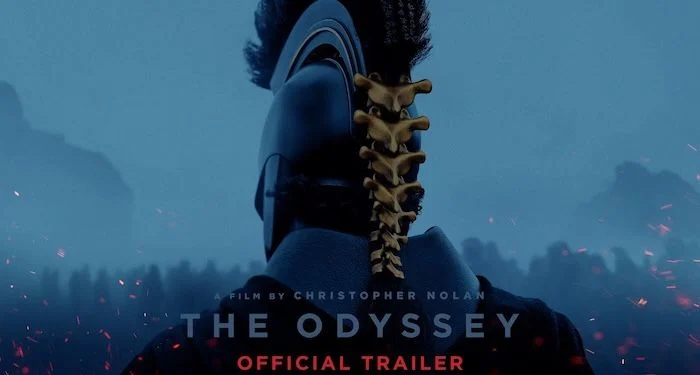
The highly anticipated ticket sales for Christopher Nolan’s latest cinematic endeavor, "The Odyssey," commenced yesterday afternoon, immediately plunging into a state of widespread disruption and unprecedented demand. Early reports indicate significant technical difficulties and overwhelming traffic on major ticketing platforms, leading to extensive wait times for prospective moviegoers. Scalpers have capitalized on the fervor, with listings for "The Odyssey" IMAX tickets appearing on secondary markets for sums reaching as high as $1,000, highlighting a significant disconnect between original retail pricing and resold market value. This situation underscores the immense public interest in Nolan’s work, particularly his insistence on presenting "The Odyssey" as the "first feature film to be entirely shot on IMAX camera," a characteristic that seems to be driving the premium pricing and the rush for premium viewing experiences.
Pre-Sale Chaos and Secondary Market Surge
The launch of ticket sales for "The Odyssey" was marred by significant technical issues, particularly affecting the websites of major cinema chains like AMC and ticketing platforms such as Fandango. Reports from various sources, including Forbes, detailed wait times exceeding one hour on AMC’s platform during peak hours of the pre-sale period. The demand was so intense that tickets for IMAX showings in key metropolitan areas across New York, Texas, Florida, and Arizona sold out within minutes of their release.
This rapid sell-out on primary platforms inevitably fueled a surge in the secondary market. eBay listings for "The Odyssey" IMAX tickets quickly escalated, with some individual tickets being offered at astronomical prices, reaching up to $1,000. This phenomenon is not entirely new for highly anticipated film releases, especially those helmed by directors with a dedicated fanbase like Christopher Nolan. However, the sheer scale of the price inflation and the reported demand suggests an exceptionally high level of anticipation for "The Odyssey," potentially amplified by its unique production methodology.
Nolan’s directorial signature is often associated with a commitment to specific cinematic formats, advocating for the theatrical experience as intended by the filmmaker. His emphasis on "The Odyssey" being the "first feature film to be entirely shot on IMAX camera" serves as a powerful marketing tool, encouraging audiences to seek out the most immersive and high-fidelity viewing possible. This format typically involves larger screens, enhanced sound systems, and a superior visual quality due to the cameras’ higher resolution and aspect ratio. While proponents argue this offers a qualitatively different and superior viewing experience, the current secondary market prices raise questions about the accessibility and perceived value of such premium formats for the average consumer. The significant price difference between face value and resale prices suggests a market driven by scarcity and exclusivity, rather than solely by the intrinsic quality of the viewing experience.
Dark Horse Comics Embraces Unionization Amidst Industry Trends
In a development signaling a broader shift within the comic book publishing industry, Dark Horse Comics has voluntarily recognized its staff union. This move positions Dark Horse alongside other prominent publishers, including Seven Seas Publishing and Image Comics, which have also seen their employees organize and gain union recognition in recent years. The voluntary recognition by Dark Horse signifies a cooperative approach to labor relations, rather than a contested one.
Jay Komas, interim CEO of Dark Horse, articulated the company’s perspective on this development, stating, "The path to a strong Dark Horse runs through a workforce that feels heard, respected, and genuinely invested in the company’s future, not one that feels like it must fight just to be seen." This statement suggests an acknowledgment of the importance of employee well-being and engagement in fostering a sustainable and successful business model. The unionization efforts within the comic book industry are occurring against a backdrop of evolving media landscapes and the increasing integration of artificial intelligence in creative fields, which can contribute to job precarity. The growing trend of unionization across publishing houses may represent a proactive measure by employees to secure better working conditions, fair compensation, and greater job security in an increasingly dynamic industry. The implications of this trend could extend to setting new standards for labor practices within the broader publishing sector.
Classic Picture Books Find New Life in Indigenous Languages
A significant initiative is underway to translate twenty of celebrated children’s author Robert Munsch’s books into four Indigenous languages: Tlingit, Southern Tutchone, Northern Tutchone, and Kaska. This ambitious project is being undertaken in collaboration with the Yukon Native Language Centre, aiming to provide contemporary literary resources in languages that are vital to cultural preservation and revitalization.
This is not the first instance of Munsch’s popular Canadian picture books being made accessible in Indigenous languages. Previously, his works have been translated into nêhiyawêwin (Cree) and denesųłiné (Dene), demonstrating a consistent effort to bridge linguistic and cultural divides through literature. Furthermore, Munsch has a history of co-creating books with Indigenous illustrators, such as "A Promise Is a Promise" (translated into Inuktitut) and "Bear for Breakfast" (translated into Algonquin). These collaborations underscore a commitment to Indigenous storytelling and representation.
The translation of these beloved books into Indigenous languages holds profound value for Indigenous communities. It offers a means for younger generations to engage with stories in their ancestral tongues, fostering language retention and strengthening cultural connections. In contexts where Indigenous languages face challenges due to historical assimilation policies and the pervasive influence of dominant languages, such literary initiatives are crucial for language revitalization efforts. By providing culturally relevant and engaging content in these languages, the project contributes to the ongoing process of cultural reclamation and intergenerational knowledge transfer. The Yukon Native Language Centre’s involvement highlights the critical role of linguistic institutions in supporting these important cultural endeavors.
Looking Ahead: Reading Habits and the Evolving Literary Landscape
As the calendar turns to June, readers are reflecting on their May literary journeys and anticipating their reading lists for the month ahead. This recurring engagement, often facilitated through platforms that track reading challenges like the "Read Harder Challenge," underscores the active and community-driven nature of contemporary reading culture. Such challenges encourage participants to diversify their reading habits, explore new genres, and engage with a wider array of authors and themes.
The practice of sharing reading plans and reflections, often within dedicated online communities or literary publications, fosters a sense of shared experience and provides recommendations and inspiration for others. The mention of a book series that has "taken over" a reader’s life highlights the immersive power of narrative and the deep connections that readers can form with fictional worlds and characters. These personal reading journeys, when shared, contribute to the vibrant ecosystem of book discussion and discovery, informing trends and highlighting the enduring appeal of well-crafted stories. The ongoing dialogue about what readers are consuming and what they plan to engage with next is a testament to the dynamic and evolving nature of literary consumption in the digital age.