
 Ali Ikhwan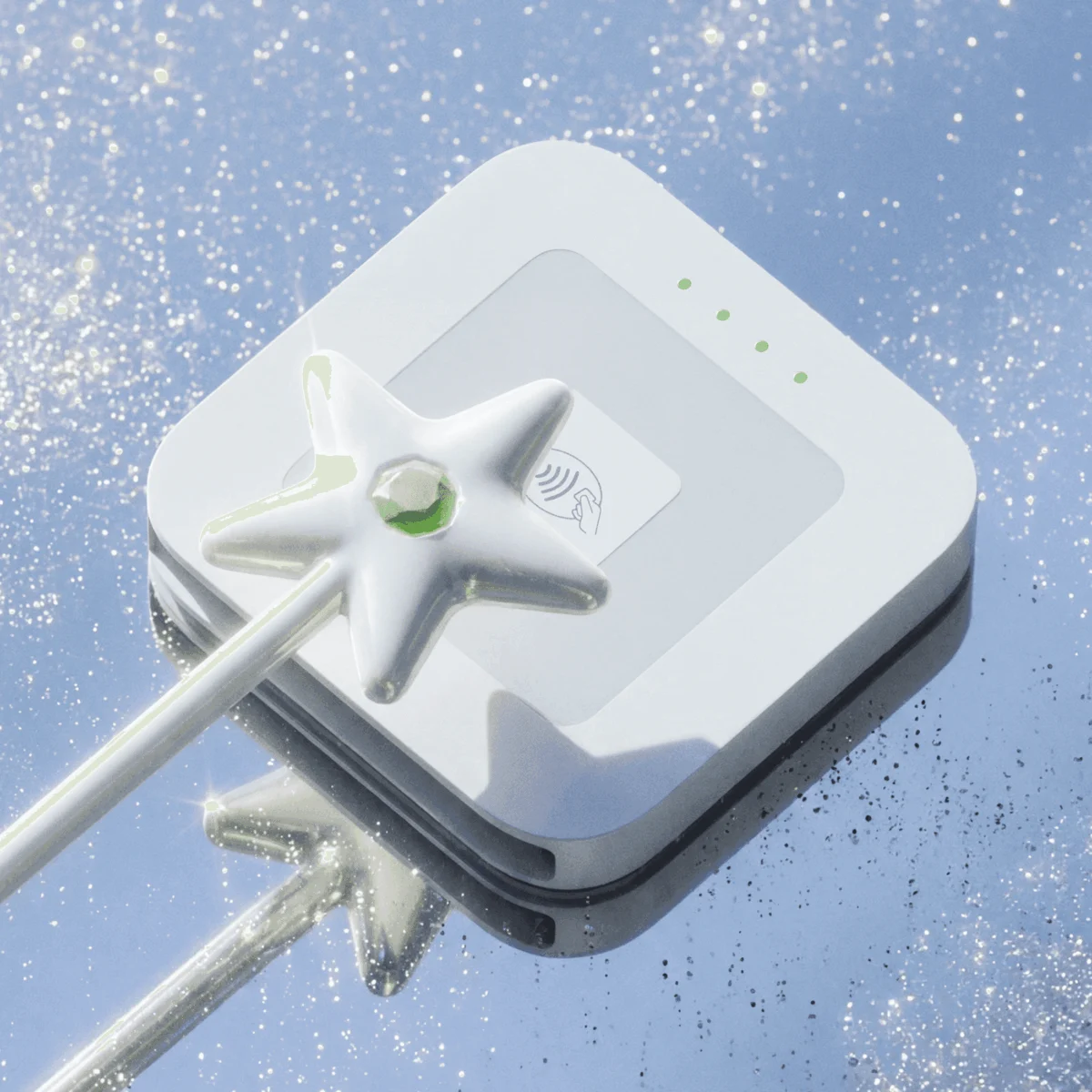
Cash App, the mobile payment subsidiary of Block Inc., has officially entered the hardware accessory market with the release of the Cash App Wand, a $25 NFC-enabled device designed to transform the mundane act of digital transactions into a tactile, expressive experience. The device, which features a pearlescent, sparkly finish, serves as the debut product for "Cash App Tags," a new line of physical hardware intended to bridge the gap between digital finance and personal style. Unlike traditional payment methods that emphasize speed and invisibility, the Wand is engineered to be a "conversation starter," allowing users to complete transactions at any tap-to-pay terminal with a literal wave of a wand. This move signals a strategic shift for Block Inc. as it seeks to deepen user engagement through "drops" of limited-edition hardware, even as the parent company navigates a period of significant internal restructuring and workforce reductions.
Technical Specifications and the Cash App Tag Ecosystem
The Cash App Wand is more than a novelty item; it represents a sophisticated application of Near Field Communication (NFC) technology. Unlike mobile phones or smartwatches, the Wand does not require a battery, Wi-Fi connectivity, or Bluetooth pairing. Instead, it utilizes passive NFC tags that draw power from the electromagnetic field generated by the point-of-sale (POS) terminal during a transaction.
To activate the device, users must first possess a physical Cash App Card, which has been a staple of the service since 2017. The linking process is designed for simplicity: the user holds the Wand against the back of their smartphone, and the Cash App interface recognizes the device via its internal NFC reader, tethering the Wand to the user’s existing debit account. Once linked, the Wand functions as a clone of the user’s debit card, capable of interacting with any merchant terminal that supports contactless payments.
Thomas Templeton, the hardware lead at Block Inc., characterizes the Wand as the first of many "Tags." These devices are expected to arrive in various shapes, sizes, and form factors in the coming months. According to Templeton, the design philosophy behind Tags is resilience and versatility. The hardware is built to be "washer and dryer safe," suggesting a future where payment technology is integrated directly into everyday items. Block has indicated that future iterations of Tags may be small enough to be woven into clothing or embedded within jewelry, moving the payment interface from the pocket to the body.
A Chronology of Cash App’s Evolution: From Software to Hardware
The launch of the Wand marks a significant milestone in the decade-long evolution of Cash App. Originally launched in 2013 as "Square Cash," the platform was initially a simple peer-to-peer (P2P) money transfer service designed to compete with PayPal and Venmo.

- 2013–2016: Focus on P2P growth and user acquisition.
- 2017: Introduction of the Cash Card, a customizable Visa debit card that allowed users to spend their Cash App balance at physical retailers. This was the company’s first foray into physical products.
- 2018–2020: Expansion into Bitcoin trading and fractional stock investing, transforming the app into a comprehensive financial services hub.
- 2021: Square Inc. rebrands to Block Inc. to reflect its expanding ecosystem, which includes Tidal and TBD (a decentralized finance project).
- 2023: Block refines its hardware offerings, including updates to the Square handheld terminal.
- 2024: Launch of the "Tags" ecosystem with the Cash App Wand, emphasizing "whimsical" hardware as a marketing and engagement tool.
The Wand’s release is limited to a "drop" of 10,000 units, a strategy borrowed from the fashion and streetwear industries. By creating artificial scarcity, Block aims to test market demand for unconventional payment form factors while maintaining a high level of brand "hype."
Market Context: The Rise of Whimsical Fintech and Gen Z Consumerism
The decision to lean into a "magical" aesthetic is backed by broader consumer trends, particularly among Gen Z and younger Millennial demographics. Market analysts have noted a growing "whimsy trend," where consumers seek out playful, surreal, or "weird" products as a psychological countermeasure to global economic and social stressors.
In the fintech space, this has manifested as a move away from the sleek, minimalist "Apple-esque" design of the early 2010s toward more expressive and colorful interfaces. On social media platforms like TikTok, DIY "payment wands"—created by taping credit cards to toy scepters—have gone viral, indicating an organic demand for more theatrical transaction methods. Block’s entry into this space is an attempt to institutionalize this grassroots trend.
Financially, the "top of wallet" strategy is critical for Cash App. While the service boasts over 50 million monthly active users, the challenge for fintech providers is ensuring their card is the primary choice for daily spending. By making the payment tool a visible accessory—one that can be clipped to a keychain or worn as a charm—Block increases the likelihood that users will reach for their Cash App balance over a traditional bank card or a digital wallet like Apple Pay.
Corporate Climate and Operational Shifts at Block Inc.
The lighthearted nature of the Cash App Wand stands in stark contrast to the current internal climate at Block Inc. Under the leadership of Jack Dorsey, who returned to a more hands-on role following the rebranding of the company, Block has undergone a rigorous "slimming down" process.
In early 2024, Block implemented a massive workforce reduction, laying off approximately 10% of its total staff, which followed previous rounds of "rolling layoffs." Reports from within the company have described an office culture characterized by "demoralization" and "anxiety," as the firm moves away from the lavish perks of the Silicon Valley boom era toward a leaner, more disciplined operational model.

Jack Dorsey has publicly defended these moves, stating that the company needs to "move like a startup again." This involves faster shipping cycles and a more aggressive approach to product experimentation. Thomas Templeton echoed this sentiment during the Wand’s unveiling, noting that despite the reduced headcount, the hardware team is "shipping faster than ever." The Wand is a byproduct of this "startup" mentality—a low-cost, high-visibility experiment designed to gauge user interest without the massive overhead of a permanent product line.
Broader Implications for the Future of Wearable Payments
The introduction of Cash App Tags raises important questions about the future of the payment industry. As NFC technology becomes ubiquitous, the necessity of a traditional rectangular card is diminishing. Block’s vision of "expressive payments" suggests a future where the "wallet" is no longer a single object, but a collection of smart accessories.
Potential Industry Impacts:
- Retail Interaction: As more consumers adopt non-traditional payment devices, retailers may need to adjust their POS layouts to accommodate different "tapping" gestures, ensuring that sensors are accessible to wands, rings, or clothing sleeves.
- Security and Privacy: While NFC is generally considered secure due to its short range, the visibility of the Wand brings new considerations for social engineering or accidental taps. Block has mitigated some of this by requiring the device to be linked to a pre-existing, verified Cash App account.
- Hardware as Marketing: If the 10,000-unit drop is successful, other fintech giants like Revolut or Monzo may follow suit, using unique hardware as a "lifestyle" branding tool rather than just a utility.
Conclusion: The Strategic Gamble of "Fun"
The Cash App Wand is a calculated gamble that "fun" can be a powerful retention tool in a crowded financial market. By tapping into the cultural zeitgeist of whimsy and the technical capabilities of NFC, Block is attempting to turn a routine financial transaction into a moment of brand engagement.
However, the success of the "Tags" ecosystem will ultimately depend on whether consumers view the Wand as a lasting utility or a fleeting novelty. Furthermore, as Block continues to navigate its internal restructuring, the company must balance the external image of playfulness with the internal reality of a tightening corporate belt. For now, for the price of $25, Cash App users can experience the minor thrill of "magic" at the grocery store, while Block gathers the data it needs to decide what the next generation of wearable payments will look like.







