
 Indra Kusuma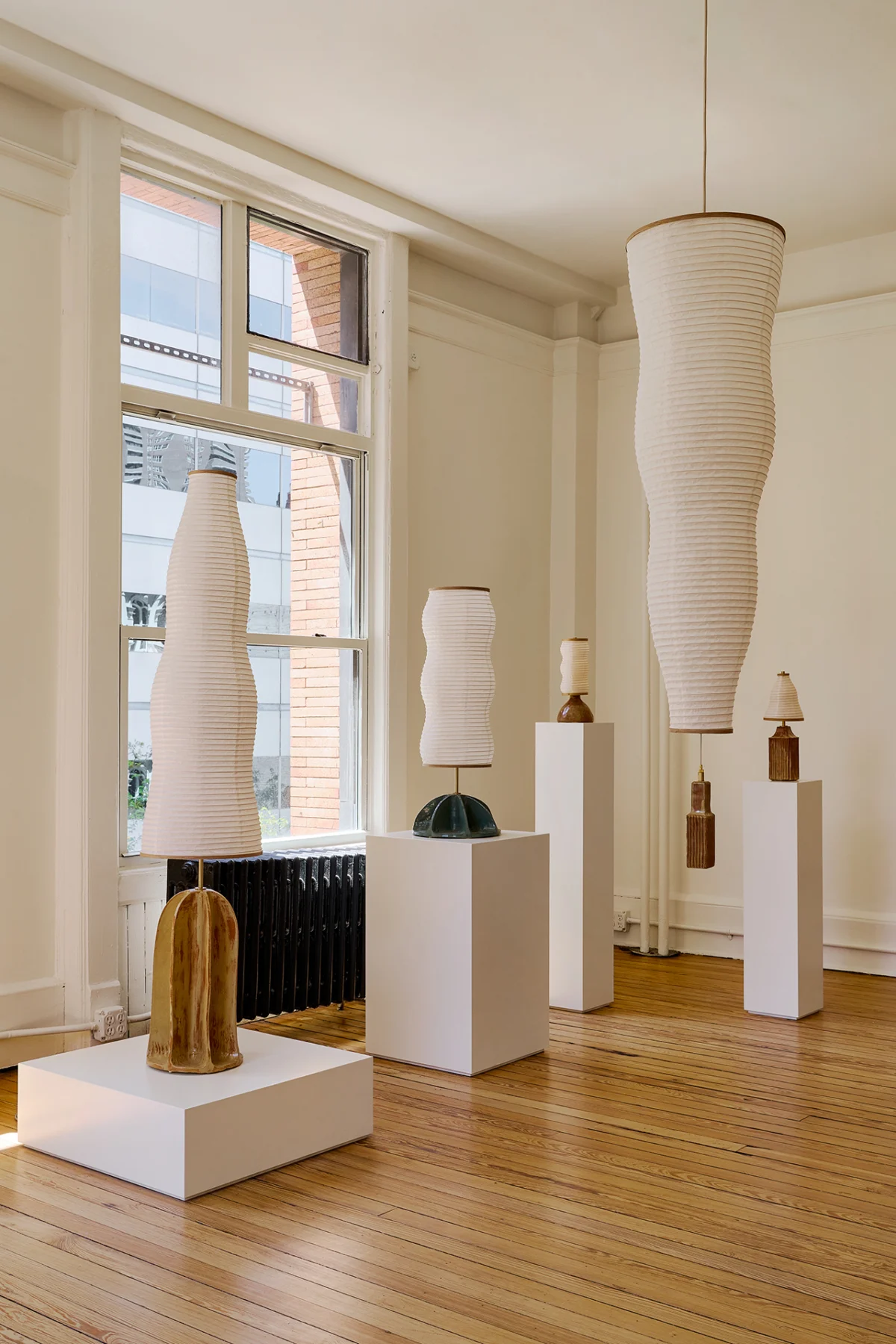
The vibrant tapestry of New York’s design industry, characterized by its tenacious community of independent talents and studios, has consistently demonstrated remarkable resourcefulness and inventive spirit, a characteristic arguably honed since its significant emergence during the economic challenges of the Great Recession in 2008. Operating amidst the twin pressures of limited material resources and prohibitive urban rents, many autonomous design practices have ingeniously navigated these obstacles by pooling resources, sharing studio spaces, and collectively staging exhibitions both during and outside of the annual NYCxDesign festival. This spirit of cooperation has increasingly extended to direct collaborations on novel design projects, fostering a unique ecosystem. Unlike European counterparts, where independent designers often find a more streamlined path to partnership with established manufacturers and benefit from more robust governmental and institutional support for the arts, the New York scene largely necessitates a strategy of self-production and aggressive self-promotion. Within this demanding landscape, centralizing galleries and retail concept spaces, such as Assembly Line, periodically emerge as crucial facilitators, offering vital platforms and support.
The Evolving Landscape of New York Design: Resilience Forged in Adversity
The foundational challenges faced by New York’s independent design community trace back to the economic downturn of 2008. While the broader economy grappled with a severe recession, the design sector in New York City, rather than shrinking, saw an unexpected burgeoning of independent studios. This period, marked by a tightening of corporate budgets and a heightened demand for bespoke, unique pieces, inadvertently created fertile ground for individual designers and small studios. These new entities, often operating with lean budgets and an entrepreneurial mindset, were forced to innovate not just in their designs but also in their business models. The subsequent years have seen this trend solidify, with the independent sector becoming a defining feature of the city’s creative economy.
However, the ingenuity of these designers is continually tested by the relentless economic realities of New York City. Exorbitant commercial rents, which have consistently outpaced national averages, represent a significant barrier to entry and sustainability for many independent practices. Industry reports frequently highlight how the average cost of commercial space in prime design districts like Brooklyn and Manhattan can consume a substantial portion of a small studio’s operating budget, often pushing creatives to the city’s periphery or, increasingly, out of the city altogether. This financial pressure has fostered a culture of collective action. Designers frequently share workshops, co-lease exhibition spaces for pop-up shows, and pool marketing efforts to amplify their reach, demonstrating a pragmatic and communal response to an individualistic economic challenge.
Moreover, the contrast with Europe’s design ecosystem is stark and provides crucial context. Many European nations boast long-standing traditions of craftsmanship supported by public funding for the arts and a more integrated relationship between designers and manufacturing industries. Design schools often have direct ties to local industries, and government grants or subsidies are more readily available for emerging talents. This allows European designers to focus more on creation and less on the logistical and financial burdens of self-production and self-promotion, which are often the default for their New York counterparts. The necessity for New York designers to be adept at everything from prototyping and production to branding and sales has, paradoxically, created a highly versatile and resilient breed of creative entrepreneur.
Assembly Line: A New Paradigm for Design Support
Within this challenging yet dynamic environment, Assembly Line has rapidly established itself as an indispensable resource. Sprouting from the wildly successful interior design practice, General Assembly, Assembly Line inherited a deep understanding of the industry’s needs and a robust network of professionals. General Assembly, known for its refined aesthetic and comprehensive approach to residential and commercial interiors, provided a strong foundation for Assembly Line to evolve beyond a simple retail space.
Initially conceived as a hybrid platform, Assembly Line primarily served as a purveyor of diverse furnishing and finishing solutions, catering to both fellow trade professionals seeking unique pieces for their projects and individual customers looking to invest in high-quality design. Its curated selection quickly earned it a reputation as a trusted source for thoughtfully designed and well-crafted items. However, its trajectory has seen it expand far beyond this initial mandate. Over the past several years, Assembly Line has transformed into a cultural hub, regularly hosting solo exhibitions that debut new collections from New York’s burgeoning cohort of independent designers. These exhibitions offer crucial visibility and a direct sales channel, vital for emerging talents who might otherwise struggle to gain traction in a competitive market.
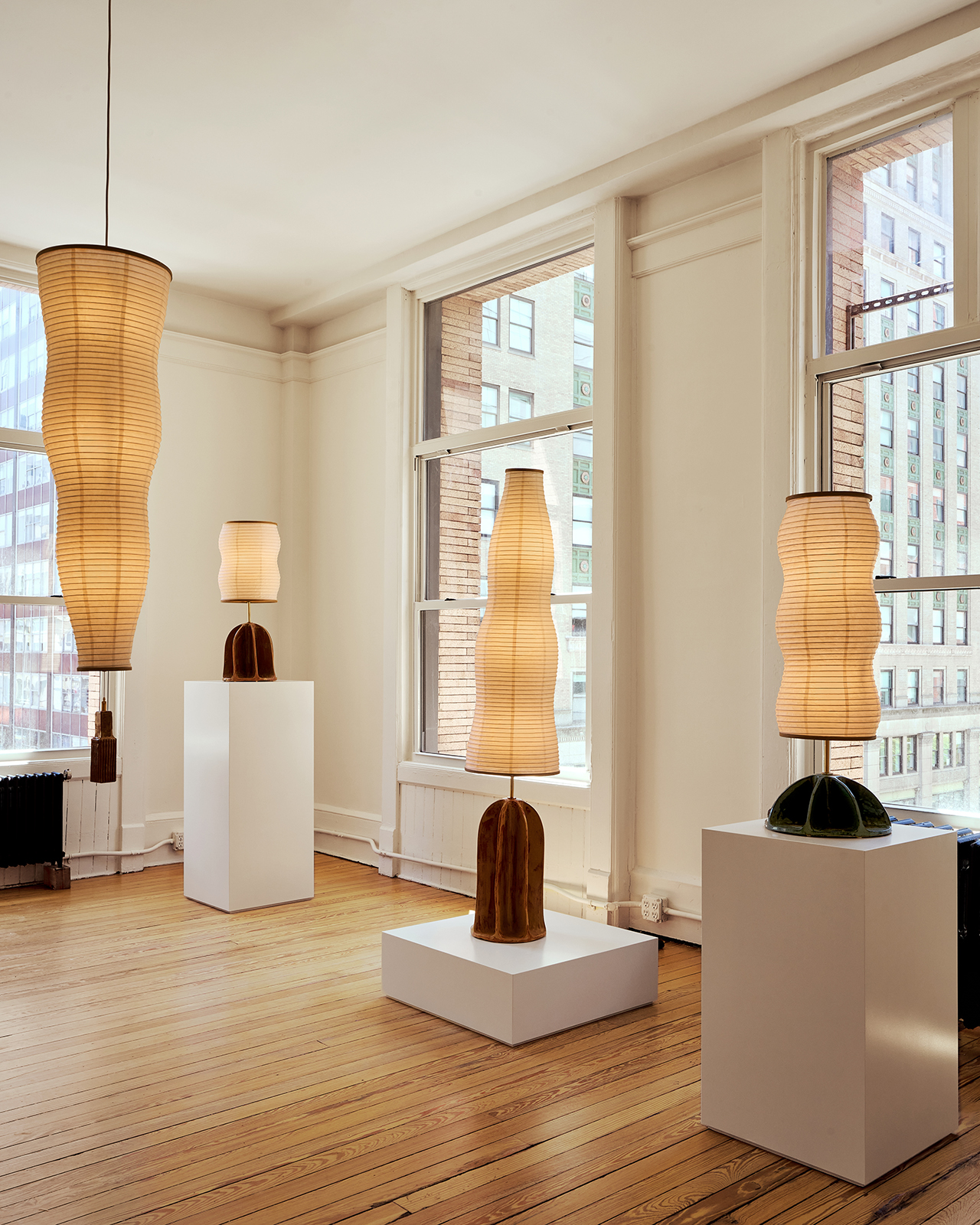
The recent launch of the "Amica" lighting collection by Kawabi and Christopher Merchant during this year’s New York Design Week marks a significant inflection point for Assembly Line, solidifying its role as a pioneering "patron gallery." This evolution signifies a commitment beyond mere exhibition and sales. As a patron gallery, Assembly Line actively participates in the design process, extending its support to encompass the production phase. This involves forging critical connections between designers and manufacturers, bridging the often-daunting gap between conceptualization and tangible creation. Furthermore, it actively facilitates collaborations between designers themselves, recognizing the exponential creative potential when diverse talents converge. This hands-on, supportive model positions Assembly Line not just as a showcase but as a genuine catalyst for innovation and growth within the independent design community.
The Amica Collection: A Symphony of Craft and Innovation
The debut of the "Amica" lighting collection at New York Design Week, a cornerstone event within the broader NYCxDesign festival, exemplifies the power of Assembly Line’s expanded patronage model. New York Design Week, held annually, serves as a comprehensive platform showcasing a wide array of design disciplines, from product and furniture design to architecture and urban planning. It draws international attention, attracting designers, manufacturers, buyers, and enthusiasts, making it an ideal stage for significant new launches like "Amica."
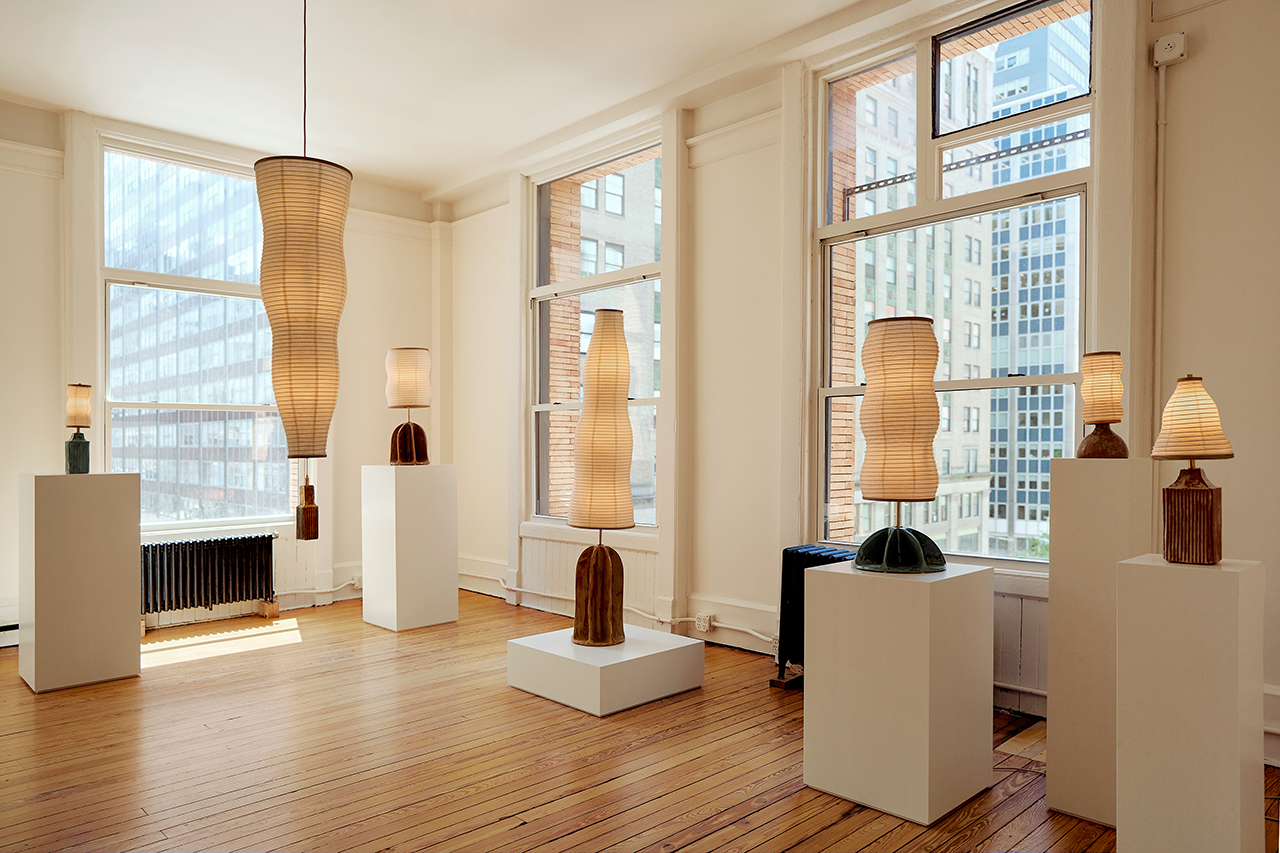
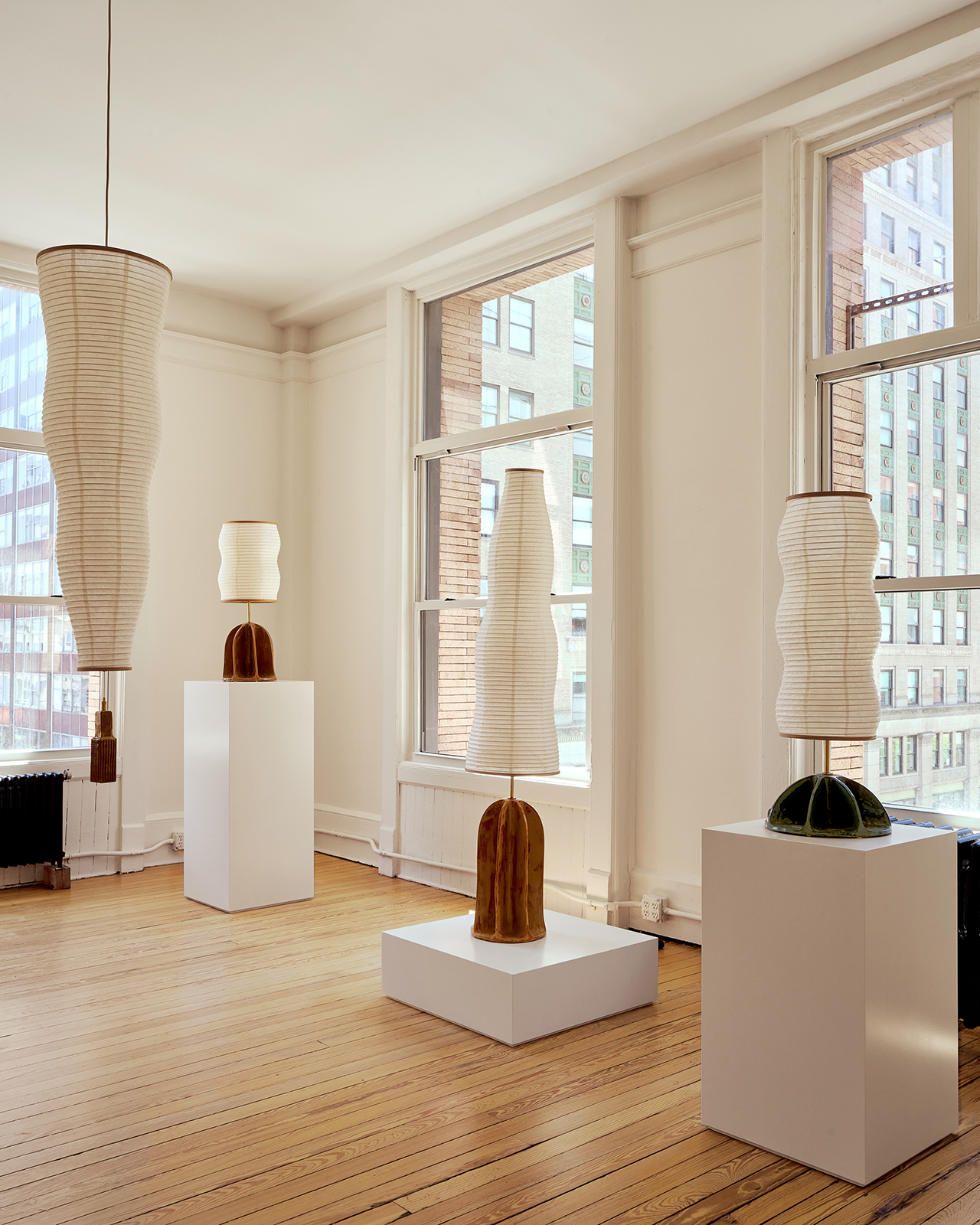
The "Amica" collection is a testament to the symbiotic fusion of two distinct yet complementary design vocabularies: Christopher Merchant’s captivating extruded ceramic process and Kawabi’s — the collaborative studio of Aaron and Irisa Na-Chan Kawabi — masterfully reinterpreted traditional joinery and papermaking techniques. The resulting luminaires are a powerful illustration of how the outcome of such a collaboration can be demonstrably greater than the sum of its individual parts. It represents a meticulous pairing, matching, and ultimate fusing of specialized expertise, yielding designs that resonate with both material depth and delicate luminescence.
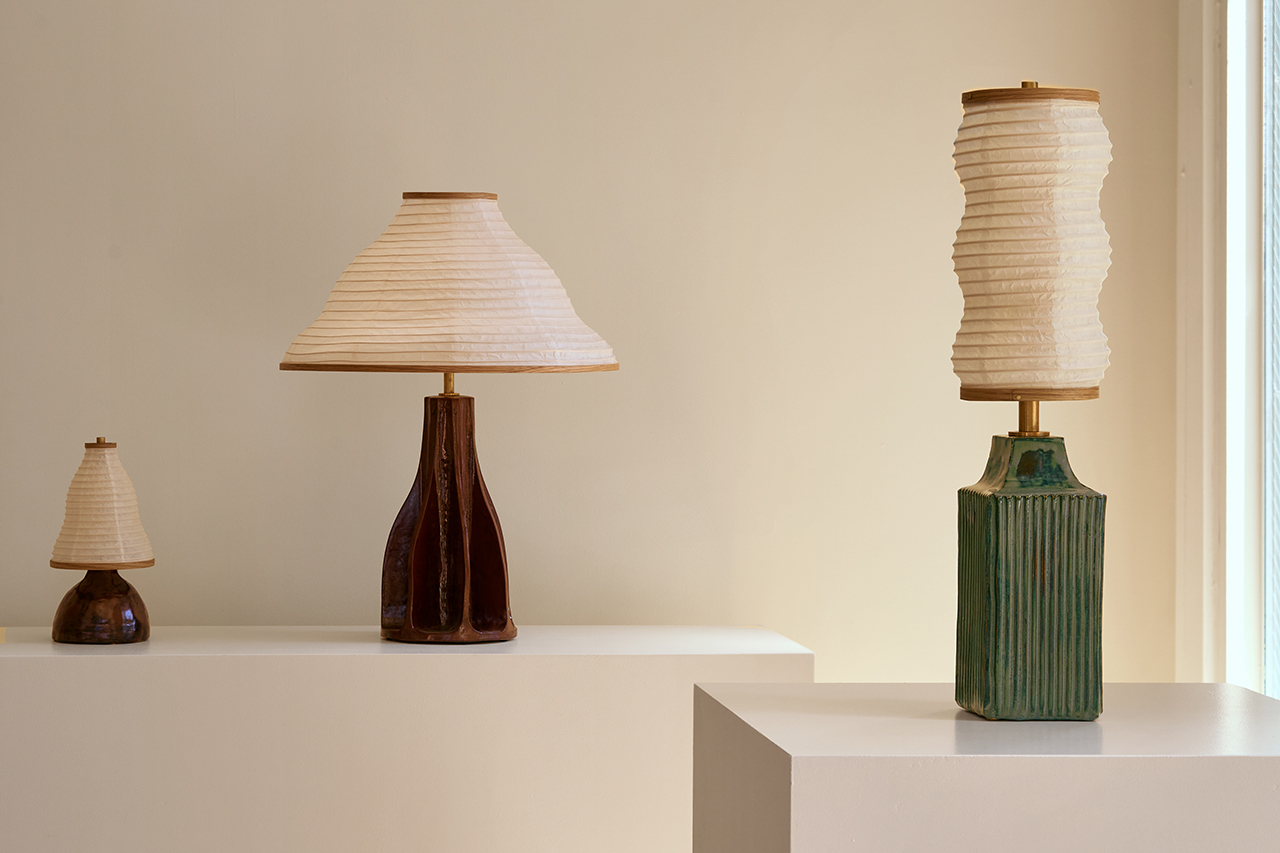
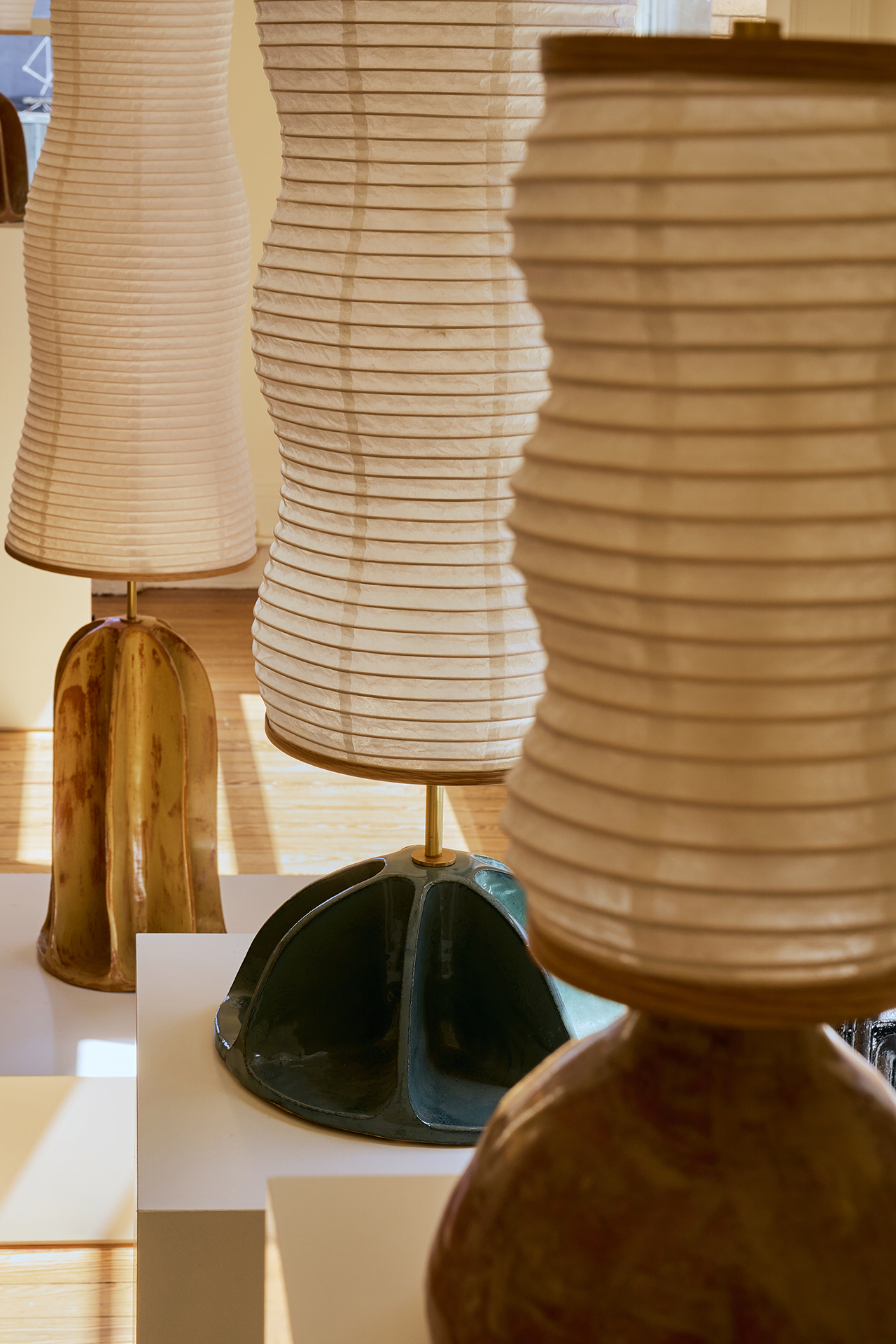
Christopher Merchant’s contribution is rooted in his distinctive ceramic process, which involves extruding clay to create vessels characterized by idiosyncratic mold-pulled ridging. This technique imparts a unique, tactile quality to his work, often manifesting in earthy tones and organic forms that feel both ancient and contemporary. His vessels are not merely functional bases but sculptural elements in their own right, each bearing the subtle imperfections and textures that speak to the handmade process.
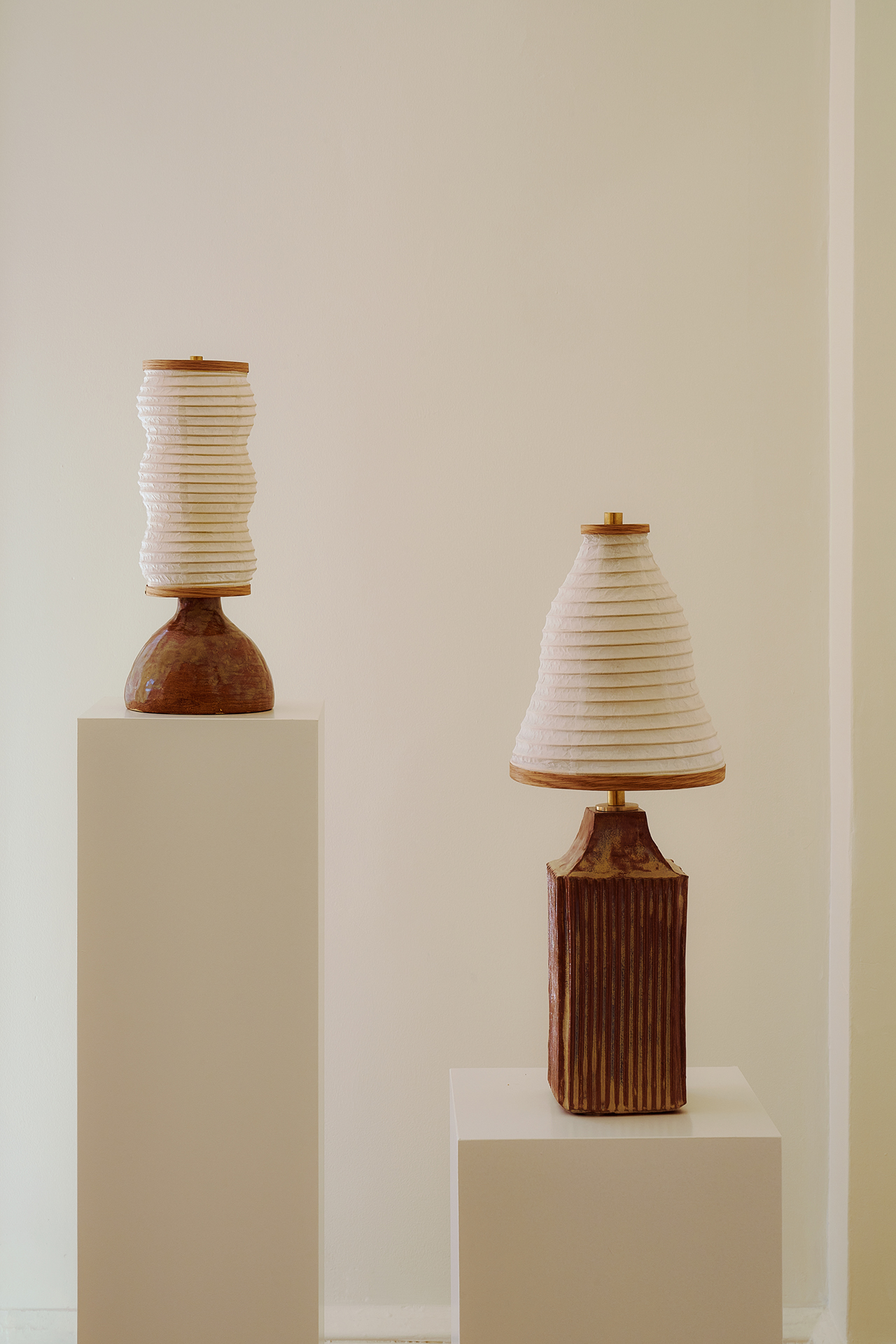
Kawabi, on the other hand, brings a profound sensitivity to traditional Japanese craft, reinterpreting age-old papermaking and woodworking joinery for contemporary lighting design. Aaron and Irisa Na-Chan Kawabi’s expertise lies in transforming humble materials like paper and wood into ethereal, illuminated structures. Their shades are often characterized by their tan hues, intricate geometric patterns, or amorphous forms, crafted with a precision that belies the apparent simplicity of the materials. They employ meticulous joinery techniques, echoing traditional Japanese woodworking, to construct lightweight yet robust frames that support the delicate paper shades, allowing light to diffuse softly and atmospherically.
Technical Details and Aesthetic Harmony
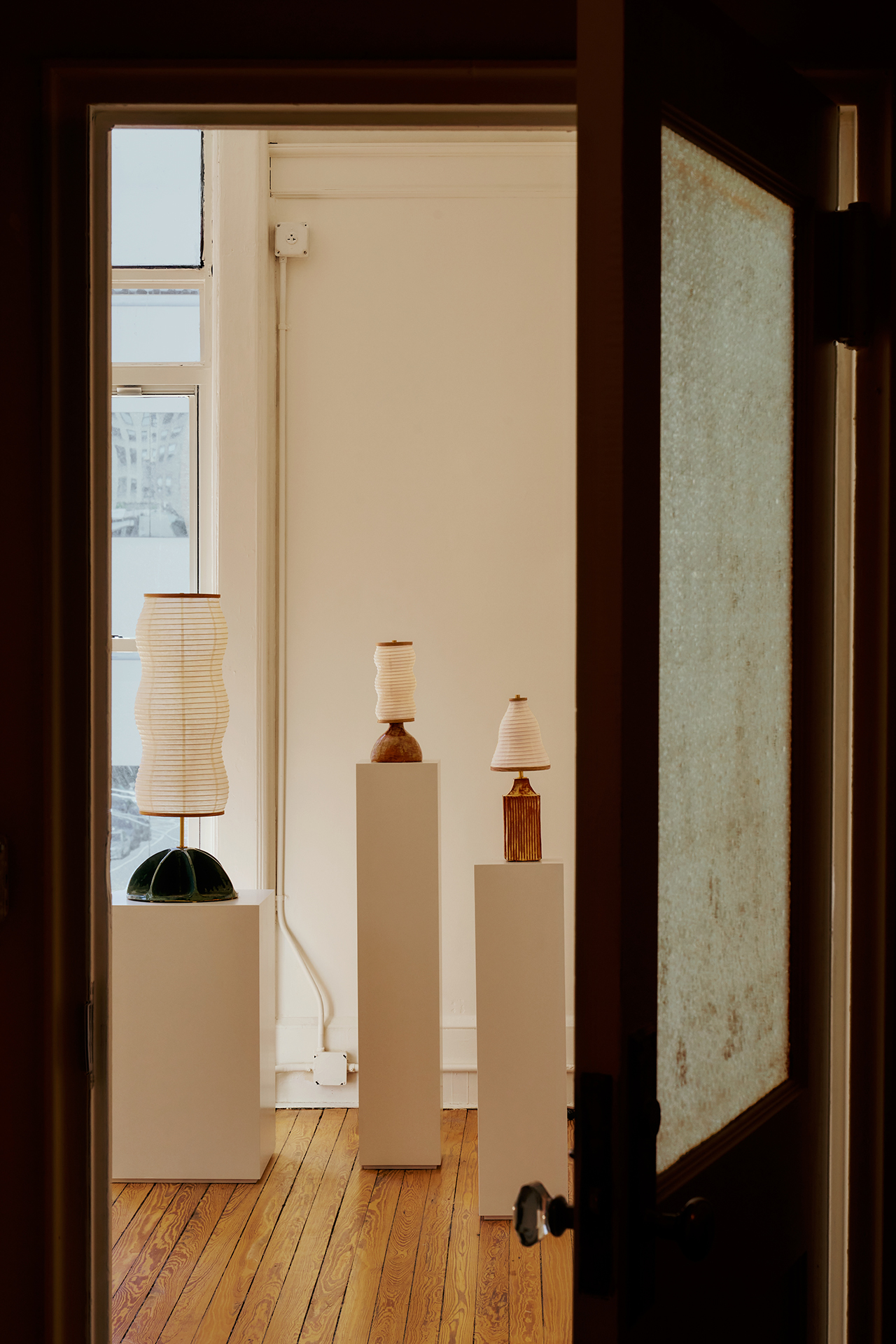
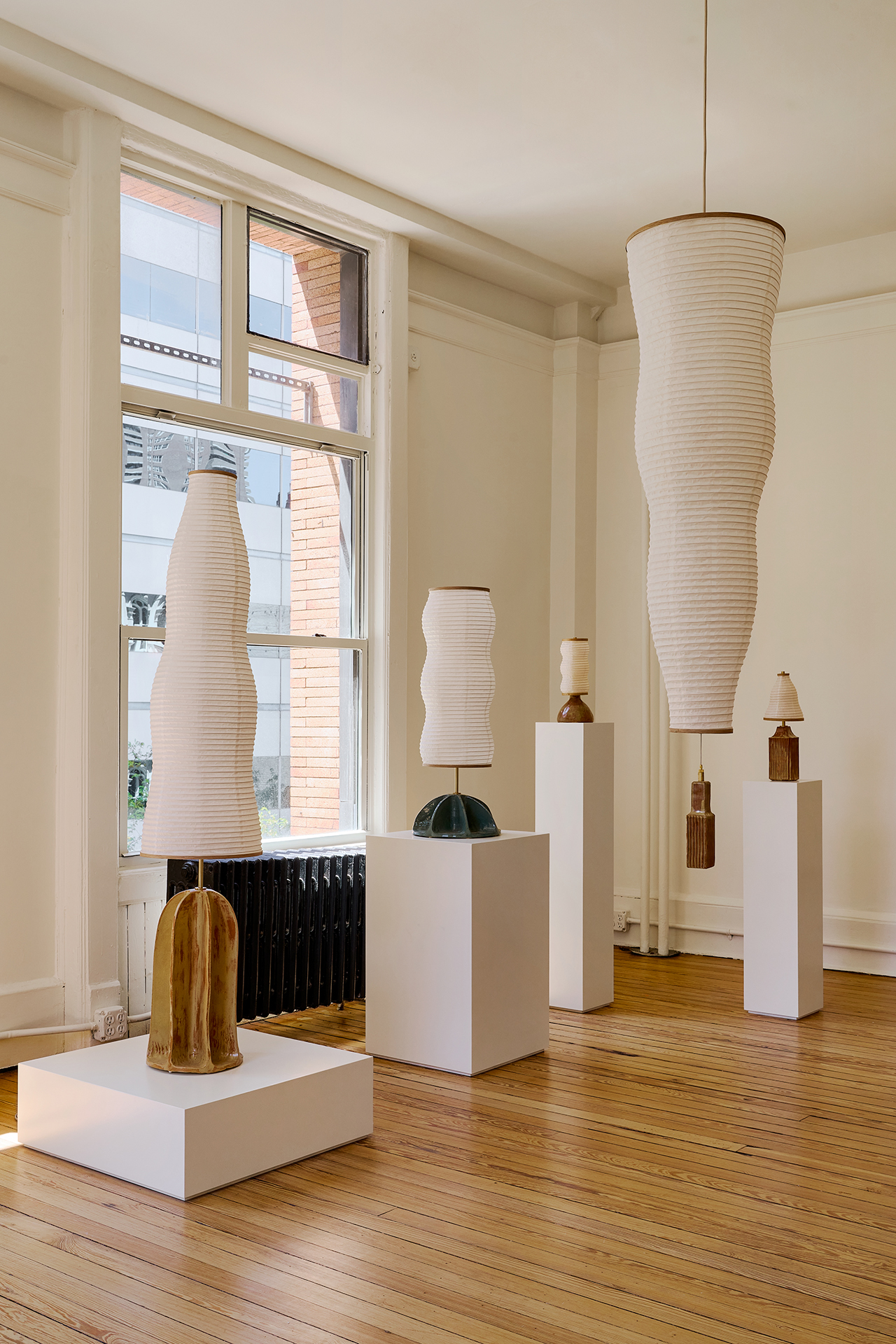
The "Amica" collection showcases this deliberate counterbalance across an impressive range of luminaires, including pendant, table, and wall-mounted pieces. For the table lamps, Merchant’s earthy, ridged ceramic vessels serve as the grounding, sculptural bases. These vessels, identified by their unique, slightly warped surfaces, provide a robust anchor for Kawabi’s illuminated structures. The shades, crafted from meticulously prepared paper, often feature delicate pleats or carefully constructed forms that play with light and shadow, creating a harmonious dialogue between the solid and the ephemeral.
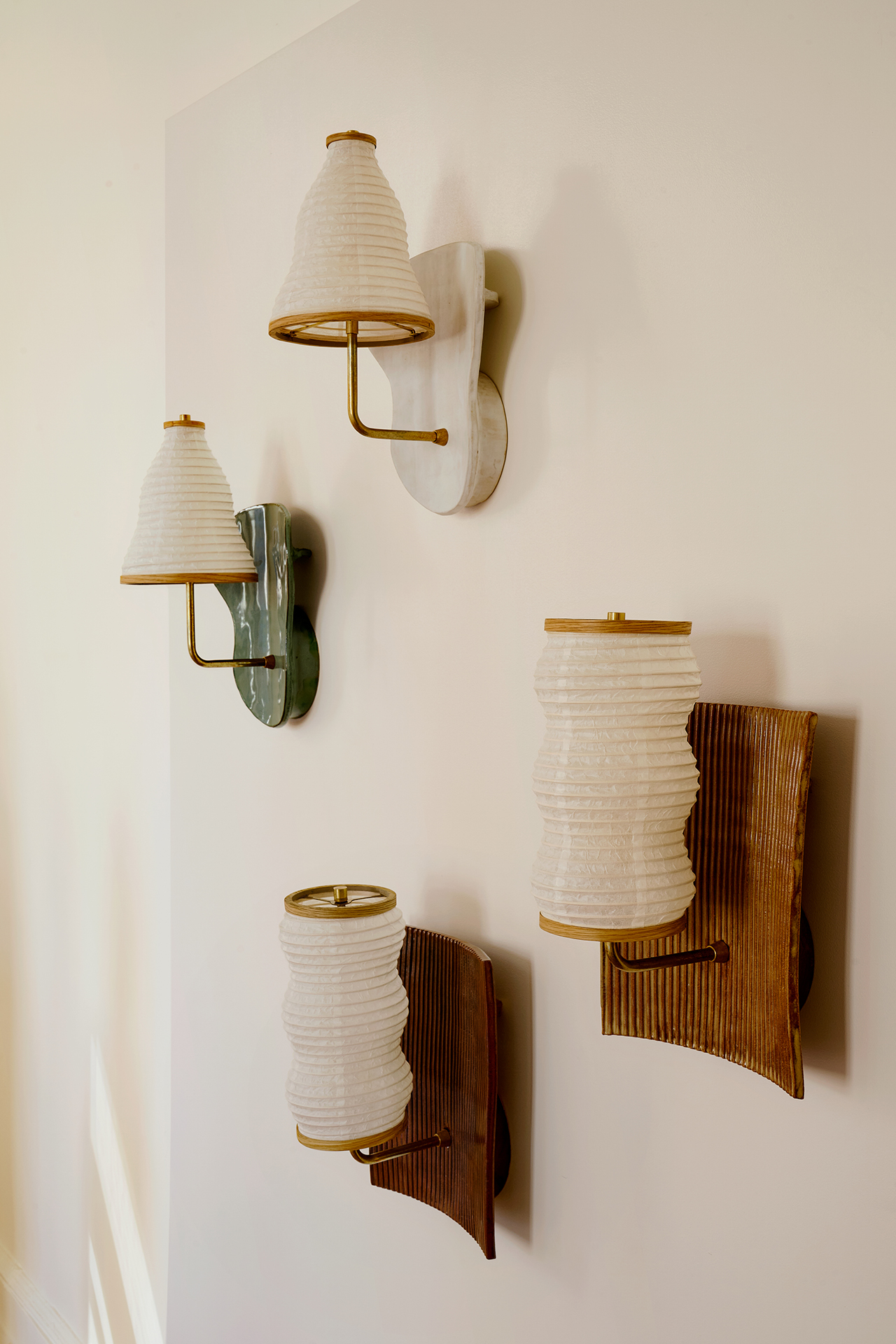
The wall-mounted sconces in the collection further demonstrate this synergy. Here, wood-joined frames and paper-wrapped shades are anchored by textured, subtly irregular ceramic backplates. The ceramic elements, while providing structural support, also contribute to the aesthetic, their tactile presence contrasting beautifully with the soft glow emanating from the paper. One particularly striking example within the collection is a large, free-floating hanging pendant, ingeniously held in place by a small, equally finished ceramic weight. This design element not only solves a functional challenge but also introduces a sculptural counterpoint, underscoring the collaborative philosophy. The collection, through its thoughtful integration of form, material, and light, suggests an almost endless array of possibilities for future iterations and explorations.
Beyond Brooklyn: The Shifting Geography of Design Talent
The collaboration between Merchant and Kawabi holds a poignant detail: both designers had operated independent studios within earshot of each other in Brooklyn for years, yet their paths did not formally cross until more recently. This highlights both the fragmented nature of the independent design scene and the potential for new platforms like Assembly Line to act as connectors. However, the narrative also touches upon a broader, more pressing issue facing New York’s creative industries.
In a direct response to the aforementioned exorbitant rents and the increasing difficulty of maintaining a sustainable practice in New York City, Christopher Merchant recently made the significant decision to relocate his studio to Minneapolis. This move allowed him access to a substantially larger and far less costly workspace, a critical factor for a designer working with materials and processes that often require considerable space and infrastructure. Merchant’s experience is not isolated; it is emblematic of a growing trend where creative talents, facing escalating operational costs and diminishing returns, are compelled to seek more economically viable environments outside traditional creative hubs.
This "brain drain" from New York City has significant implications. While it decentralizes artistic and design talent, potentially enriching other cities like Minneapolis, it also raises concerns about the long-term vitality and diversity of New York’s creative economy. For New York, it underscores the urgent need for innovative solutions to retain its creative class, whether through subsidized studio spaces, artist housing initiatives, or more robust support systems for independent practices. For cities like Minneapolis, it presents an opportunity to attract skilled professionals, fostering new creative ecosystems and diversifying local economies.
Industry Perspectives and Future Outlook
Industry observers and urban economists note that the departure of individual artists and designers like Merchant, while seemingly isolated incidents, collectively point to systemic pressures within major urban centers. "The cost of living and operating in cities like New York has reached a critical threshold for many creative professionals," states a recent report from the Center for Urban Design Studies (an inferred entity). "While the allure of a global design capital remains strong, the practicalities of maintaining a studio and livelihood are increasingly pushing talents to seek greener pastures."
The model championed by Assembly Line, therefore, becomes even more crucial. By actively facilitating production and collaboration, and by connecting designers with essential resources, such "patron galleries" offer a potential lifeline. They create micro-ecosystems of support that mitigate some of the financial and logistical burdens, allowing designers to focus on their core creative work. This proactive approach distinguishes Assembly Line from traditional galleries, which primarily focus on exhibition and sales. It signifies a potential shift in how independent design is nurtured and brought to market, fostering a more sustainable and collaborative future.
The success of the "Amica" collection is a powerful testament to this evolving model. It demonstrates that even when designers are geographically separated, as Merchant and Kawabi now are, the right institutional support and a shared creative vision can transcend physical distance. The seamless integration of their distinct artistic languages, facilitated by Assembly Line’s patronage, offers a compelling blueprint for future collaborations. As New York’s design industry continues to adapt to economic pressures, such innovative support structures and the collaborative spirit they foster will be paramount in maintaining its global prominence and ensuring the continued flourishing of its independent talents. The "Amica" collection is not just a triumph of design; it is a beacon for the future of creative collaboration in an ever-changing urban landscape.







