Angie Faith
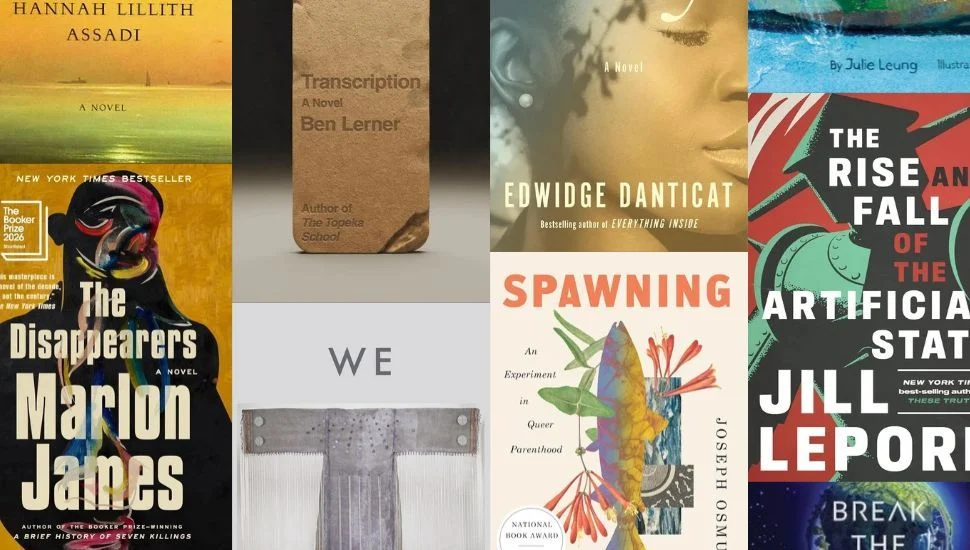
The literary world is abuzz as The New Yorker unveils its highly anticipated list of the best books of the year so far, a compilation drawing from the insights of its esteemed editors and critics. This extensive catalog, featuring 2026 recommended titles, offers a panoramic view of contemporary literature, spanning both celebrated authors and emerging voices. The list includes prominent works such as Douglas Stuart’s John of John, Tayari Jones’s Kin, Patrick Radden Keefe’s London Falling, and Lena Dunham’s Famesick. Notably, it also shines a light on lesser-known independent publications, a characteristic that has long defined The New Yorker‘s literary curation. Among the highlighted selections are This Is Where the Serpent Lives by Daniyal Mueenuddin, which has also garnered attention from The New York Times, and The Witch by Marie Ndiaye, translated by Jordan Stump, both of which were previously identified as anticipated reads by literary commentators.
This annual literary assessment from The New Yorker arrives at a pivotal moment in the publishing calendar, coinciding with similar year-to-date roundups from other major cultural institutions. The convergence of these lists provides a comprehensive snapshot of literary trends and critical consensus, offering readers a wealth of recommendations as the year progresses. The sheer volume of titles acknowledged by The New Yorker underscores the richness and diversity of current literary output, prompting discussions about what constitutes a "best" book and the criteria by which literary merit is judged.
The Proliferation of "Best Of" Lists and Critical Discourse
The publication of The New Yorker‘s list follows closely on the heels of similar compilations from other influential media outlets. The New York Times released its own selection of best books of 2026 earlier in the year, providing an alternative yet complementary perspective. Other publications, including Vogue, Esquire, and the BBC, have also contributed to this growing discourse with their respective "Best Of" lists. This multi-faceted approach to literary appraisal allows for a broader understanding of the books that are currently resonating with critics and the reading public.
However, the proliferation of these lists has also ignited discussions regarding representation and inclusivity within literary criticism. A notable point of contention has been the perceived lack of diversity in some prominent "Best Of" compilations. Specific criticisms have been leveled against publications like Vogue for allegedly failing to include Black authors on their year-to-date selections. Such observations highlight the ongoing challenge of ensuring that literary canons reflect the multifaceted nature of society and the diverse voices contributing to the literary landscape.
Esquire‘s 2026 "Best Of" list, for instance, has drawn particular interest for its eclectic mix of titles. Among its noteworthy inclusions is Namwali Serpell’s On Morrison, a critical examination of Toni Morrison’s seminal works. The book has been lauded for its insightful analysis, particularly given the often limited attention afforded to works of literary criticism. Serpell’s masterful exploration of Morrison’s legacy is positioned as a significant contribution to contemporary literary scholarship.
Furthermore, Esquire‘s list features T Kira Madden’s Whidbey, recognized as a compelling literary thriller, and Imani Thompson’s debut novel, Honey, which has reportedly been a subject of intense interest among publishers, with Adam Morgan noting its fierce competition in acquisition. The inclusion of these diverse genres and authors underscores the dynamic nature of contemporary fiction and non-fiction.
Summer Reading Recommendations Take Center Stage
As the warmer months approach, The New York Times has also stepped in to guide readers with its curated list of the best beach reads for Summer 2026. This selection aims to provide accessible yet engaging titles that promise an enjoyable reading experience for those seeking leisurely summer entertainment. The list encompasses a wide array of genres, from heartwarming love stories to gripping thrillers, ensuring that there is something for every reader’s preference.
Among the highlighted titles are Naima Coster’s Take What You Can, described as an "old-fashioned friendship yarn," and Ann Patchett’s Whistler, recommended for readers who appreciate poignant family dramas. These selections reflect a desire to offer readers books that are both thought-provoking and enjoyable, suitable for relaxed reading environments. For those looking to revisit classic summer reads, resources such as Book Riot’s compilation of "The Best Beach Reads of All Time" remain valuable references.
The timing of these summer reading lists is strategic, capitalizing on the increased leisure time and inclination towards reading during the summer season. The recommendations serve as a vital resource for consumers navigating the vast expanse of newly released and noteworthy books. The emphasis on diverse genres within these lists further solidifies the idea that summer reading is not confined to a single category but embraces a broad spectrum of literary interests.
The Emergence of "Ragebait Lit" and Feminist Discourse
In a separate cultural commentary, Maris Kreizman’s article in Harper’s Bazaar, "The Rise of Ragebait Lit," delves into a burgeoning literary trend and its implications for contemporary feminism. The piece examines books and the surrounding discourse that have generated significant online attention, often characterized by strong emotional reactions. Kreizman’s analysis explores how these works reflect and engage with evolving notions of feminism in the current socio-political climate.
The article posits that these "ragebait" books, and the discussions they provoke, offer a lens through which to understand the progress and setbacks of feminist movements. Works such as Belle Burden’s Strangers: A Memoir of Marriage, Caro Claire Burke’s Yesteryear, Lena Dunham’s Famesick: A Memoir, and Lindy West’s Adult Braces are cited as examples that have ignited considerable debate. The intense public engagement with these titles, often amplified on social media platforms and Substack newsletters, suggests a palpable public interest in nuanced and sometimes contentious explorations of womanhood and societal expectations.
Kreizman’s commentary is characterized as a concise yet thought-provoking exploration of how literature can both embody and influence feminist discourse. It delves into the various manifestations of feminism present in these books, the challenges women face in contemporary society, and the increasing visibility of "angry women" narratives. The piece encourages readers to consider the broader implications of this literary phenomenon and its contribution to ongoing conversations about gender, identity, and activism. The "ragebait" phenomenon, while potentially divisive, undeniably draws attention to critical issues and fosters engagement, albeit sometimes contentious, with feminist ideas.
Community Support for a Beloved Black-Owned Bookstore
In a poignant display of community solidarity, a beloved Black-owned bookstore, Gladys Books & Wine, is seeking support following repeated damage from severe weather. Located in Bed-Stuy, the bookstore’s basement has been consistently flooded due to a pattern of storms affecting the neighborhood. The establishment, founded with a vision to create an inclusive space for Black feminist and queer literary culture, is now facing a significant rebuilding effort.
The bookstore’s owner shared a heartfelt account of its namesake, her grandmother Gladys Dockery, a sharecropper who, despite limited formal education, fostered a deep love of reading and an ethos of inclusivity. This legacy forms the foundation of Gladys Books & Wine, envisioned as a haven where individuals can find themselves represented on the shelves and connect with a like-minded community.
A GoFundMe campaign has been launched to aid in the rebuilding and recovery efforts. This initiative underscores the vital role that independent bookstores play in fostering cultural dialogue and providing essential community spaces. The plight of Gladys Books & Wine highlights the vulnerability of such establishments, particularly those serving marginalized communities, to environmental challenges and economic pressures. The collective response to this appeal for support demonstrates the power of community action in preserving cultural institutions and ensuring their continued operation. The bookstore’s resilience in the face of adversity serves as an inspiration, emphasizing the enduring importance of accessible literary spaces for diverse voices and perspectives. The ongoing efforts to support Gladys Books & Wine are a testament to the deep appreciation for its contribution to the cultural fabric of its community.