
 Indra Kusuma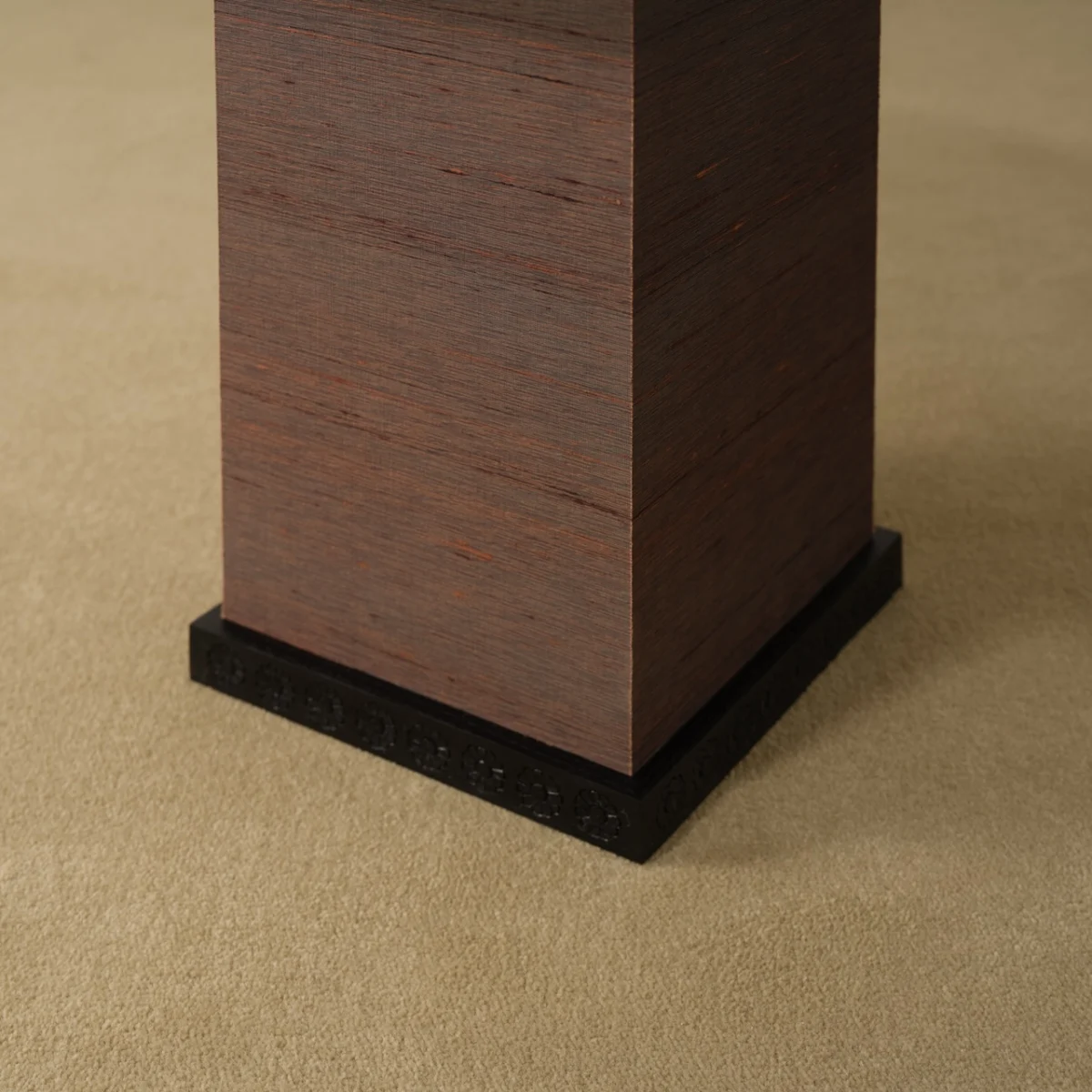
The Emma Scully Gallery in New York City is currently hosting SVILA, a solo exhibition by the acclaimed artist and designer Ana Kraš, which opened on May 7, 2026, and will captivate audiences through June 13, 2026. This exhibition presents a profound exploration of silk, transcending its traditional role as a decorative textile to reveal its intrinsic dynamism and capacity for perpetual, quiet change. Kraš, known for her intuitive and tactile approach to design, positions silk as a "temporally alive" material, demonstrating how it shifts in tone, luminosity, and perception based on ambient light and the viewer’s angle—a quality few other materials can rival. The exhibition’s title, SVILA, derived from the Serbian word for silk, immediately signals a deep dive into both material properties and cultural heritage, establishing a foundational theme that resonates throughout the collection.
The Concept of "SVILA": A Dialogue with Light and Time
At the heart of SVILA lies Kraš’s fascination with silk’s ability to behave as a living entity, even when woven into a fixed object. Unlike inert materials, silk possesses an extraordinary optical quality, its multifaceted fibers refracting and reflecting light in ways that create a constant interplay of shadow and brilliance. This inherent mutability allows the material to continuously redefine itself, appearing different at various times of day or from shifting perspectives. Kraš’s work is not merely about showcasing silk’s beauty; it’s an interrogation of its structural and optical properties, pushing the boundaries of how textiles can function within the realm of furniture and lighting design. This innovative perspective challenges conventional understandings of material staticity, inviting viewers to experience a dialogue between the object, its environment, and their own perception. The exhibition articulates a philosophical stance on design, suggesting that true craftsmanship lies in understanding and amplifying a material’s inherent characteristics, rather than imposing external aesthetics upon it.
A Curated Collection: Form, Function, and Material Metamorphosis
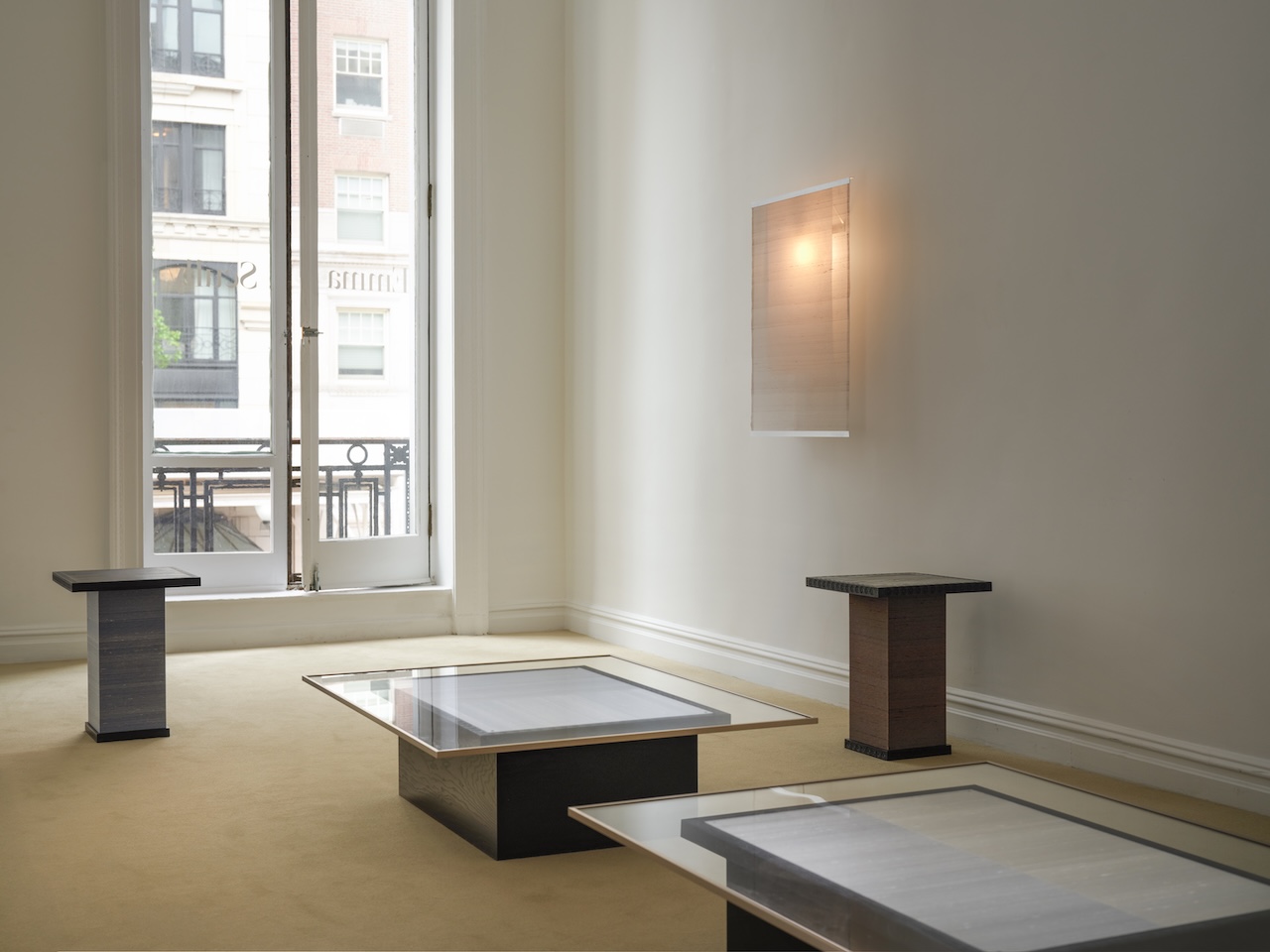
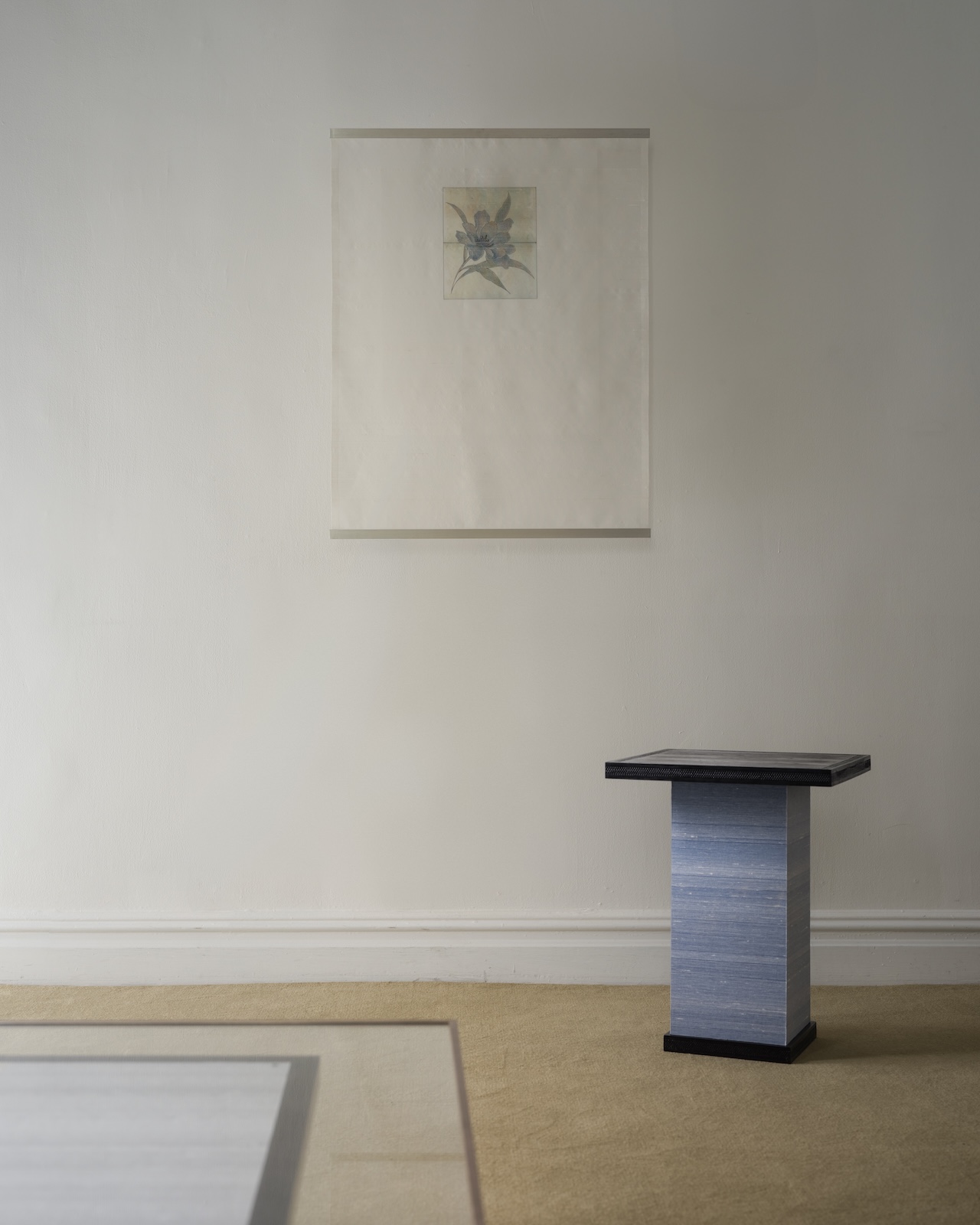
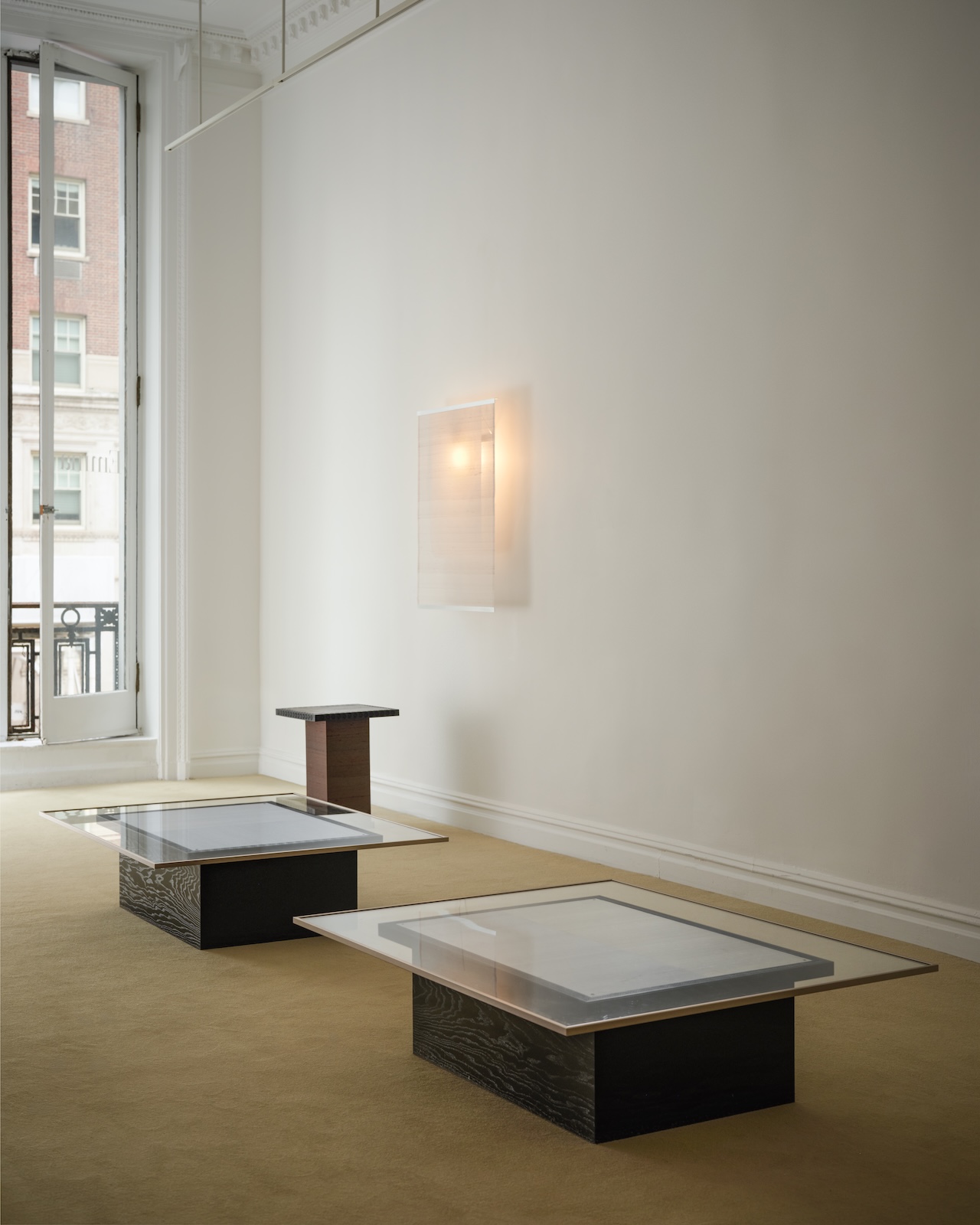
The SVILA collection comprises three distinct object typologies: SVILA Side Tables, Glass Coffee Tables, and Panel Lamps, each presented in two meticulously chosen color variants. These pieces collectively illustrate Kraš’s thesis on silk’s versatility and transformative power. The collection moves beyond a superficial application of silk as an embellishment, instead integrating it as a core conceptual and structural element.
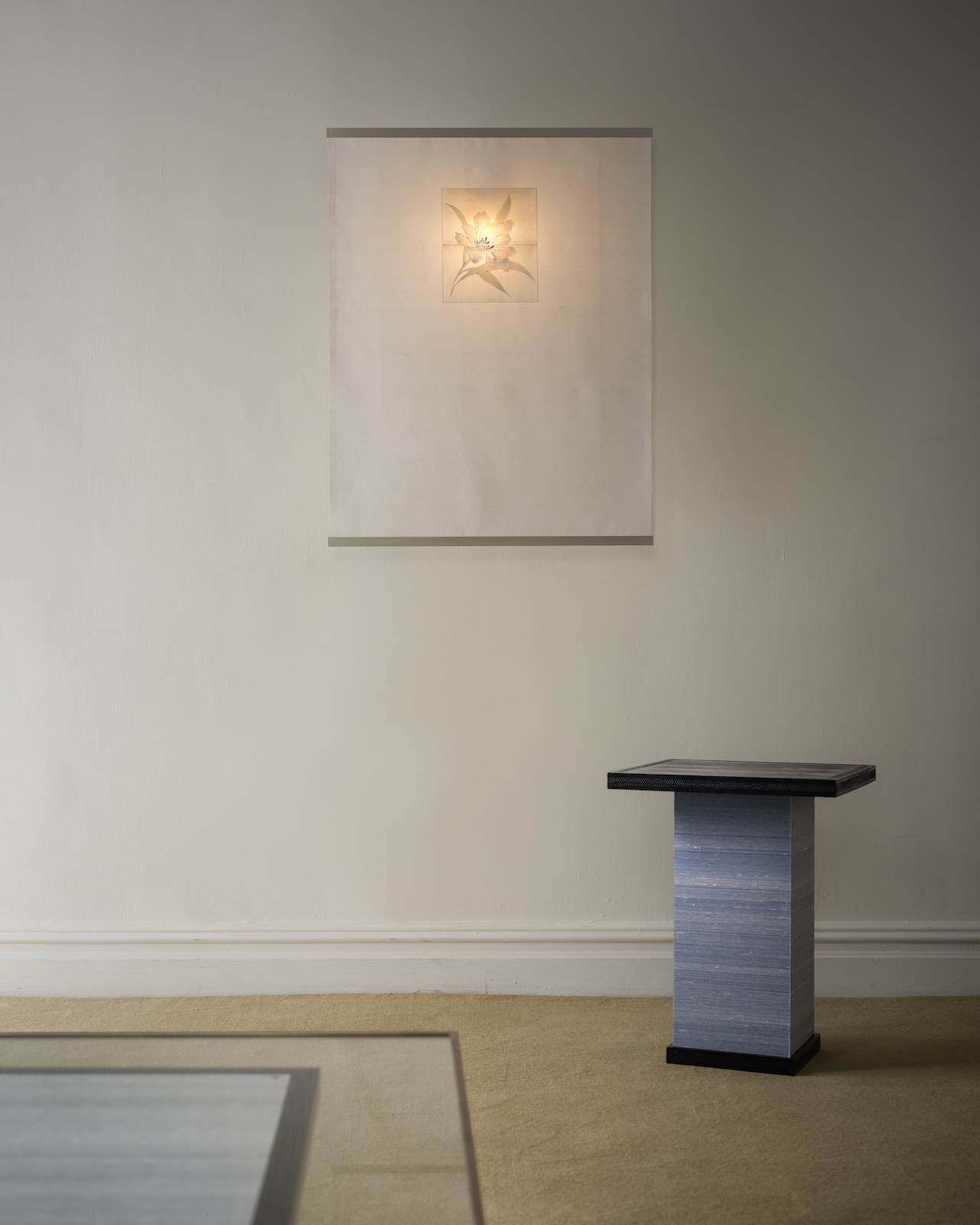
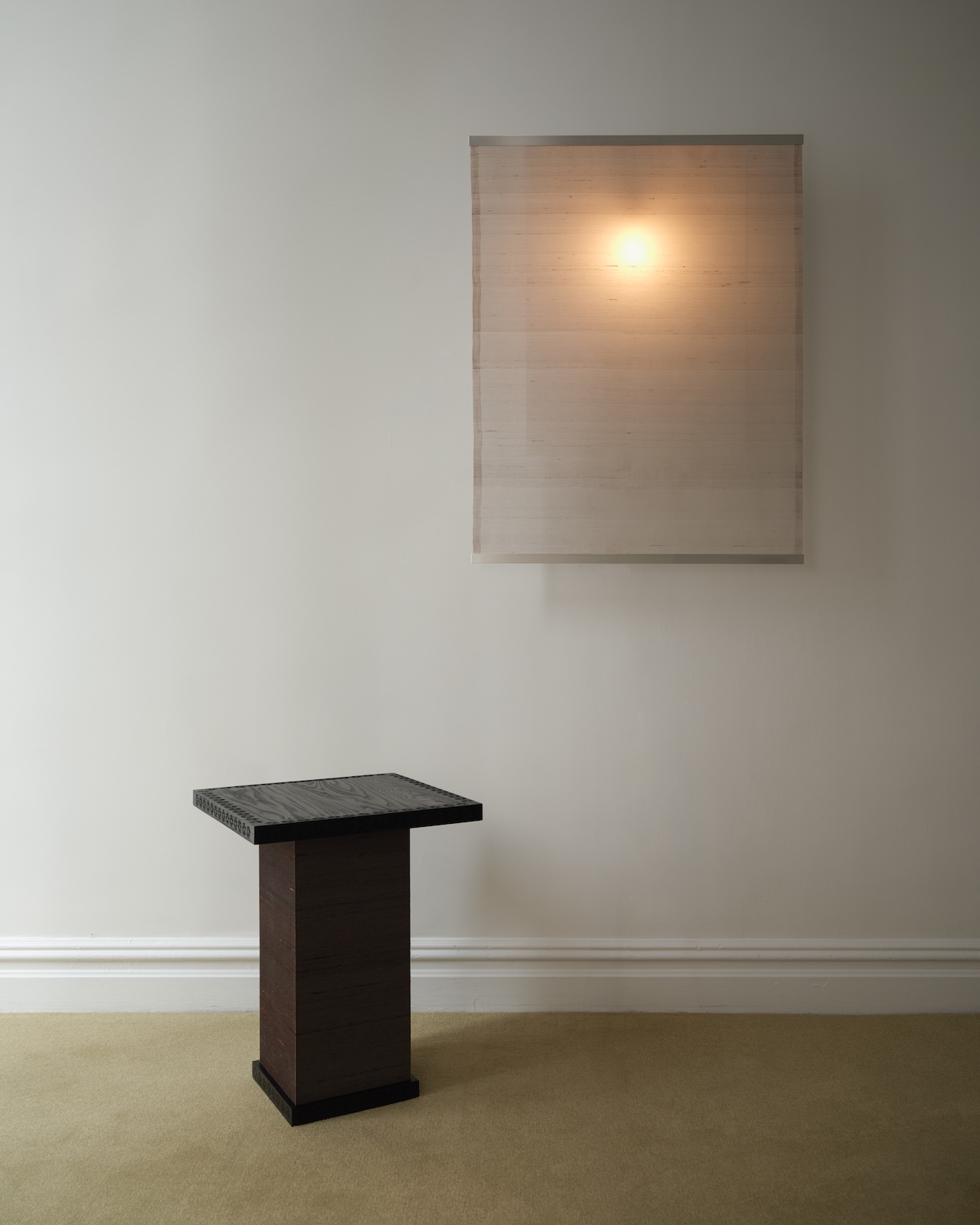
In the Panel Lamps, silk is ingeniously employed as a diffuser, its irregular weave structure becoming visible as a luminous field rather than a mere surface. As light passes through the delicate threads, it is softened and diffused, creating an atmospheric glow that highlights the material’s texture and intrinsic depth. This interplay transforms the lamp from a simple light source into a sculptural study of light and textile, where the silk itself becomes a medium for shaping the environment. The resulting illumination is subtle and warm, evoking a sense of calm and introspection, which aligns with the exhibition’s overarching themes of quiet transformation.
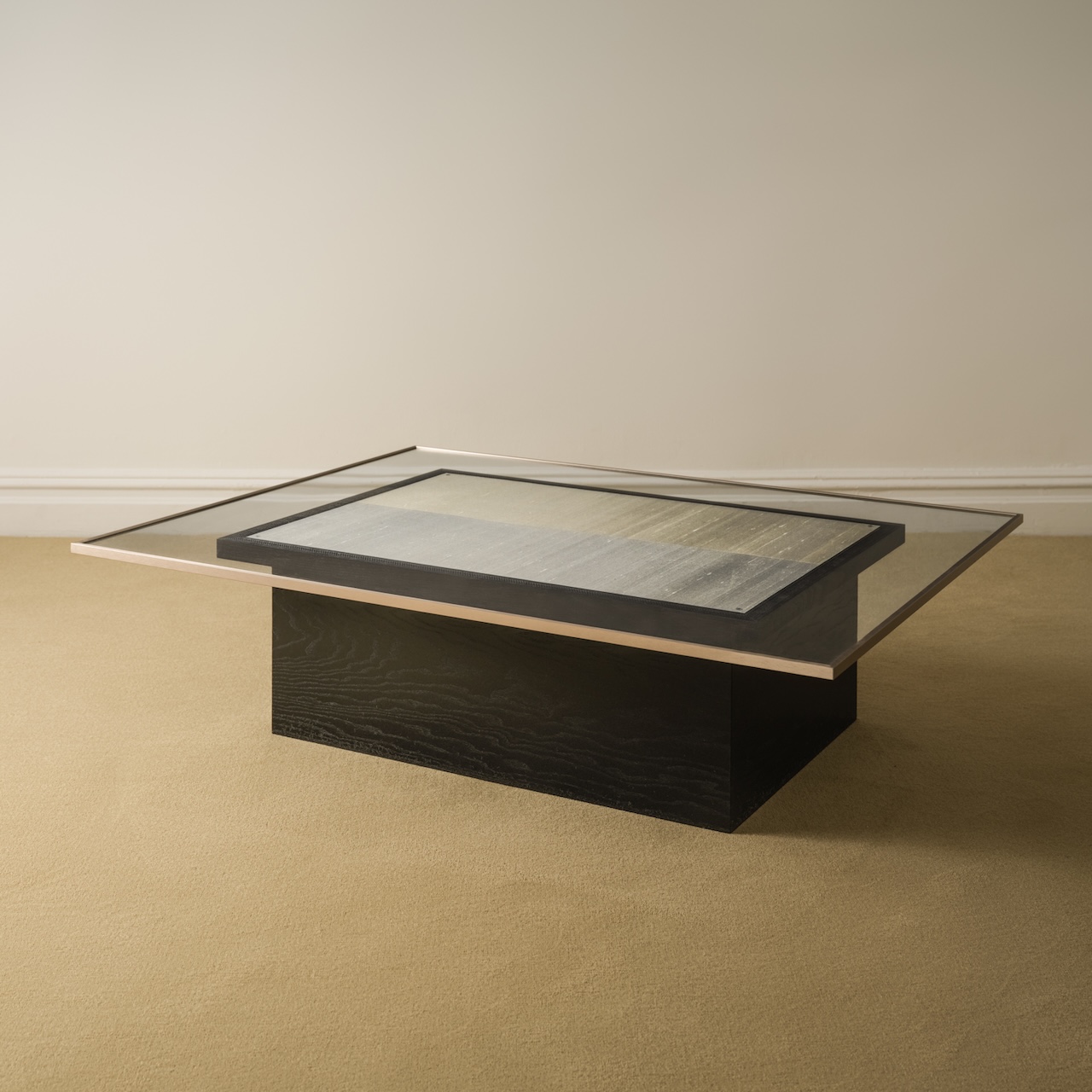
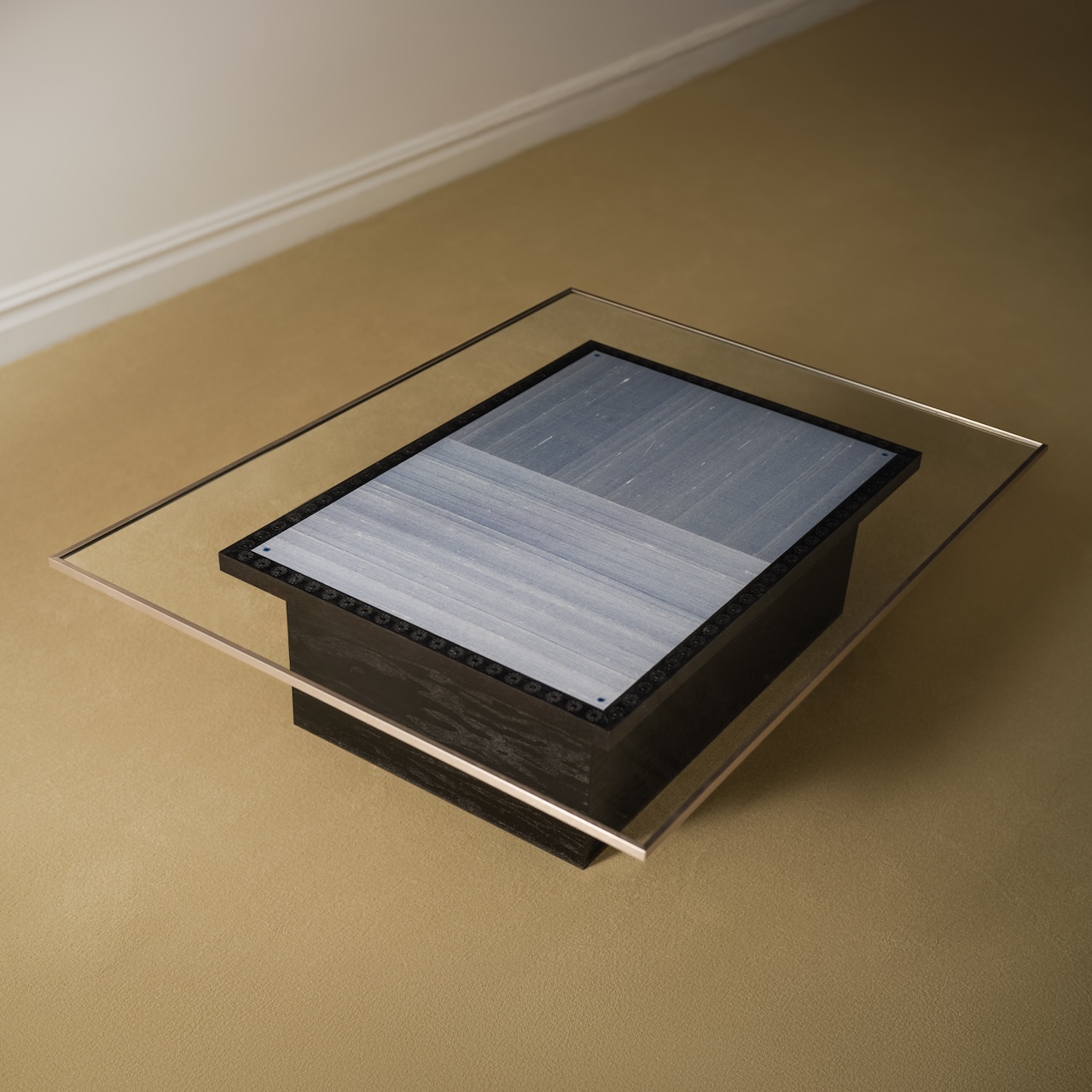
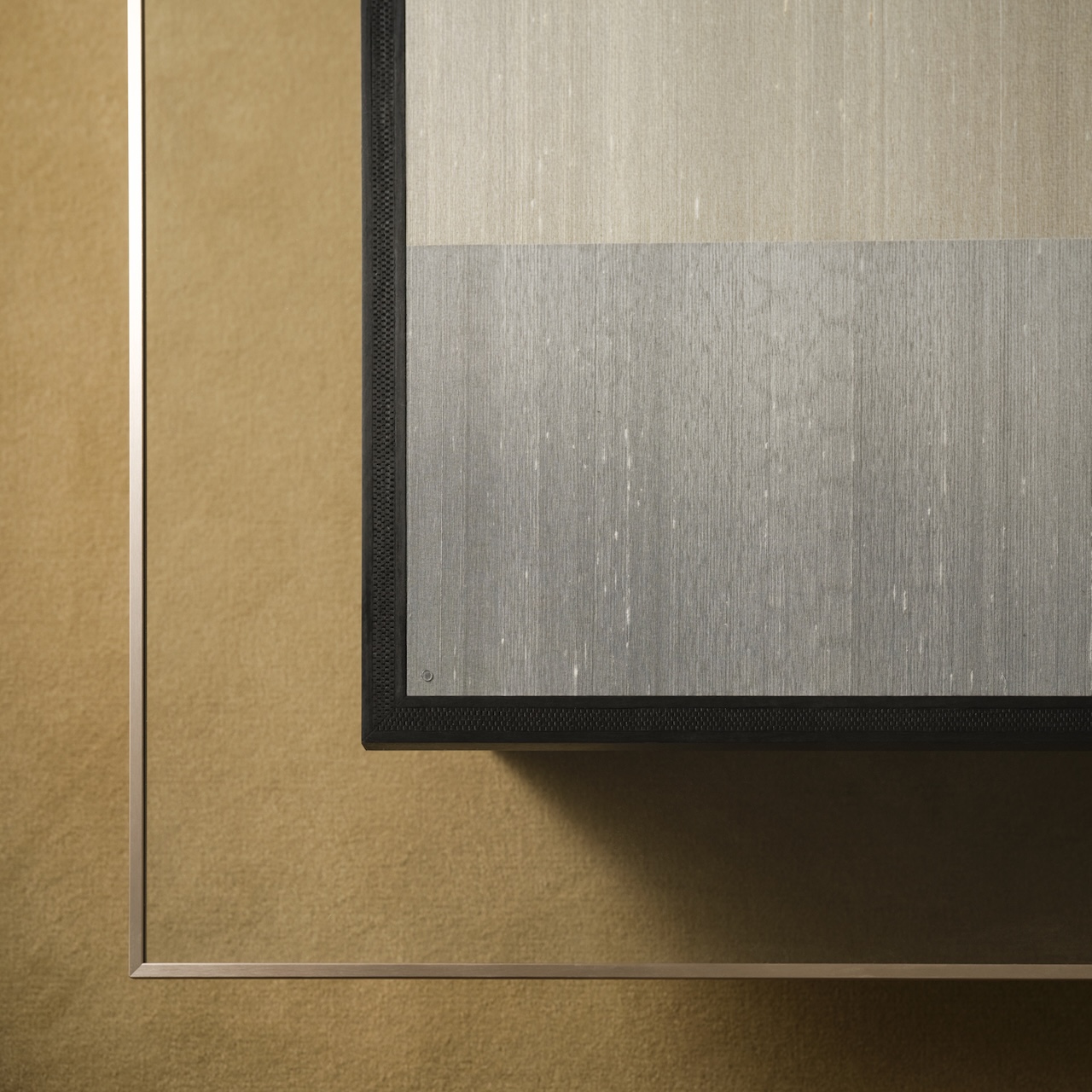
The Glass Coffee Tables offer another compelling perspective. Here, a reflective glass top layer frames the silk beneath, creating a dynamic visual effect. The glass not only protects the silk but also introduces elements of gloss and shadow, compressing perceived depth while amplifying the silk’s lustrous qualities. This juxtaposition of hard, reflective glass with soft, absorbent silk creates a visual tension that underscores Kraš’s ability to orchestrate material interactions. The silk, visible yet encased, becomes a central, almost suspended, artistic element within the functional furniture piece.
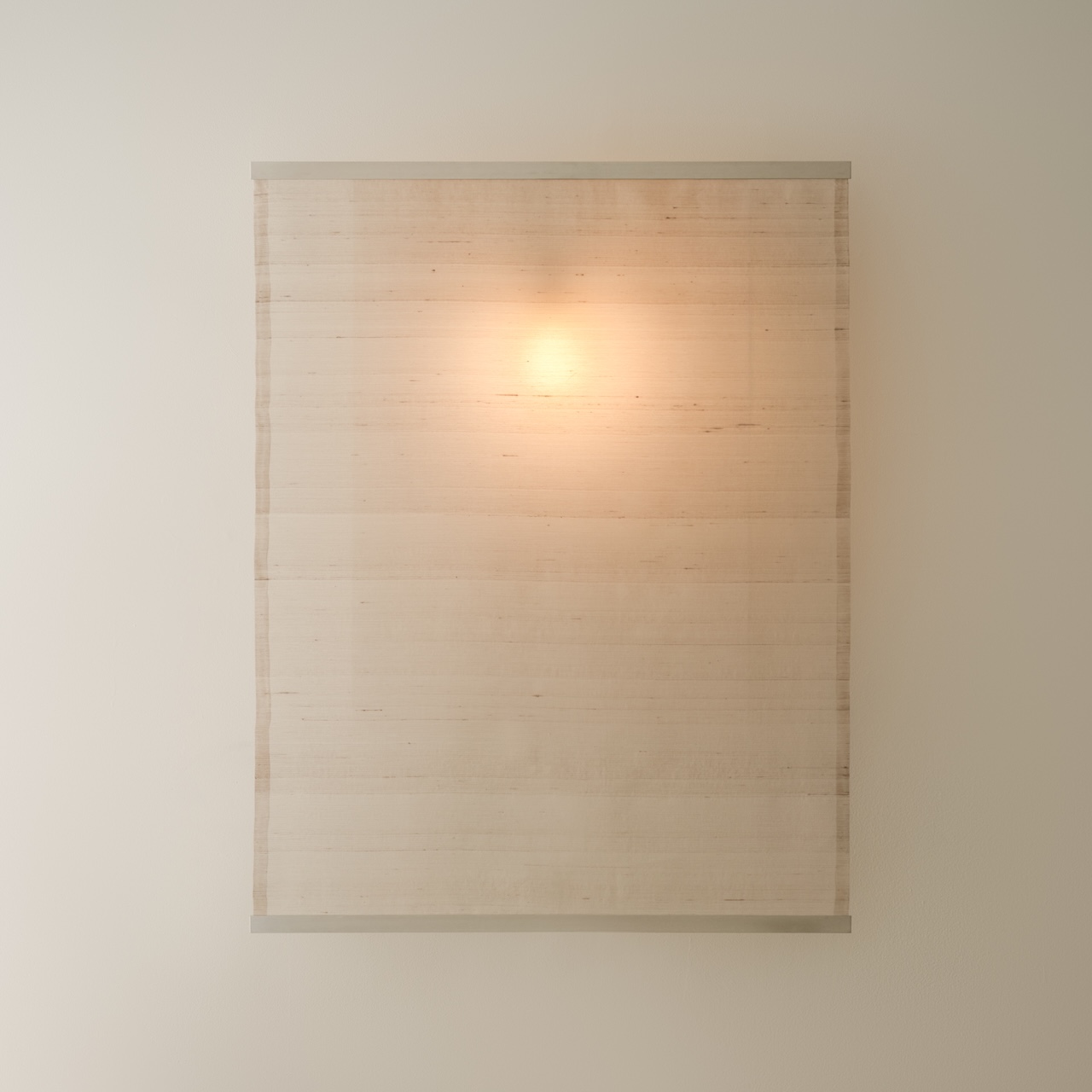
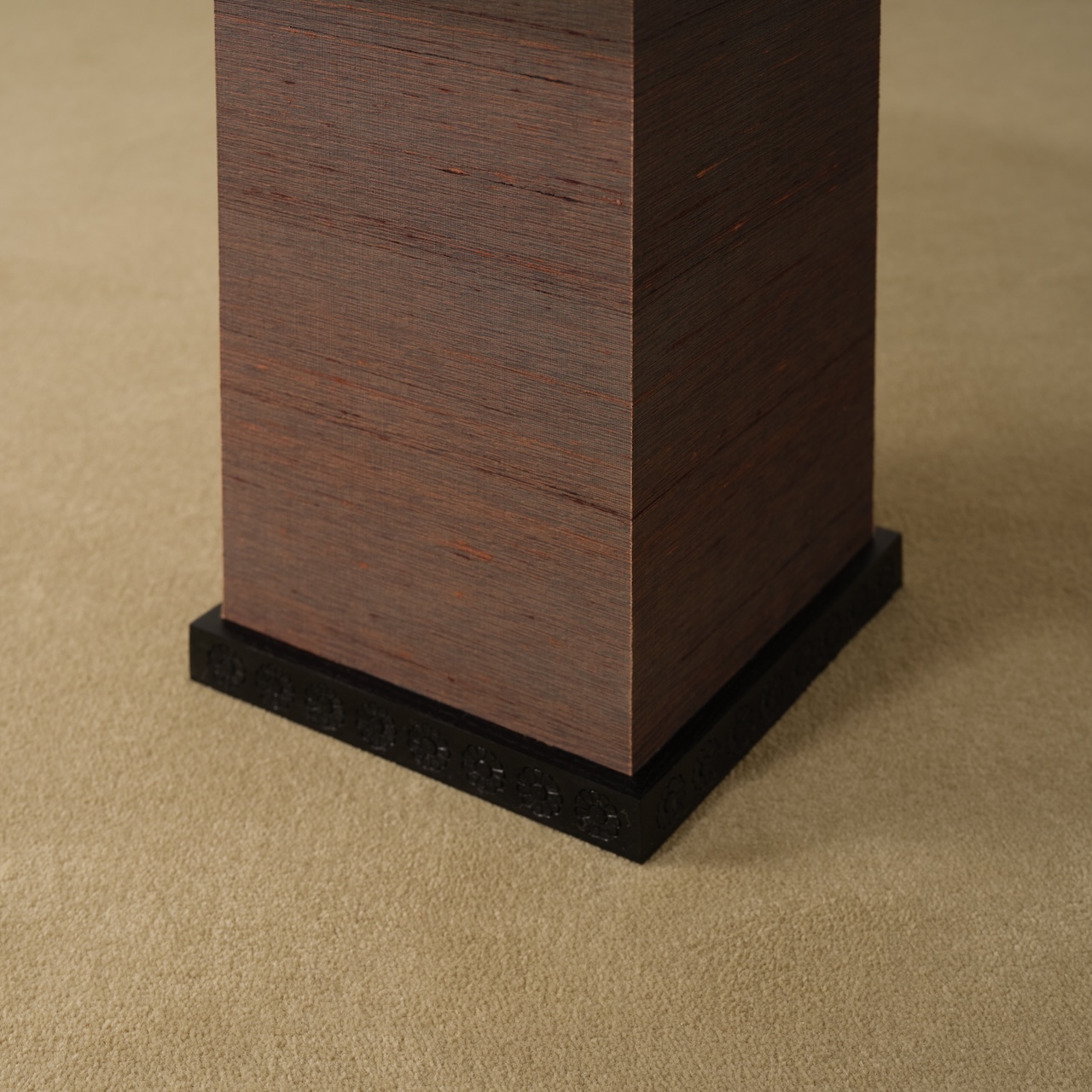
Finally, the Side Tables present silk in its most direct and unmediated form. Stripped of any reflective or diffusive layers, the material’s raw and tactile qualities are brought to the forefront. Viewers are invited to experience the silk’s texture directly, emphasizing its natural drape, subtle variations, and the inherent beauty of its weave. Across all three typologies, the same silk material undergoes a remarkable metamorphosis, reading differently—soft, glowing, tactile, mutable—depending on the surrounding elements and the specific design context. This curated progression through the collection offers a comprehensive demonstration of silk’s chameleon-like properties and Kraš’s mastery in harnessing them.
The Genesis of "SVILA": Personal Narrative and Profound Transformation
A significant and deeply personal layer of inspiration underpins the SVILA exhibition. Ana Kraš developed this body of work in the weeks following the birth of her child, a period she describes as one of profound psychological shift. This unique phase of life, characterized by sensations of enclosure, protective softness, and quiet transformation, became the conceptual bedrock for the collection. "In those early days, I felt suspended in a quiet, protective space—very much like being inside a cocoon—and I wanted to work from that feeling of softness, closeness, and transformation," Kraš explains. This intensely personal experience led her back to the very origin of silk: the cocoon itself. A structure simultaneously protective and temporary, built for emergence and metamorphosis, the cocoon serves as a powerful metaphor for the cyclical nature of life and change. Silk, in its essence, is a material born of transformation, beginning as a secretion, evolving into a fiber, and finally woven into the luxurious cloth we recognize. Kraš masterfully translates this biological and emotional journey into tangible design, imbuing each piece with a narrative of growth, protection, and the subtle yet profound shifts that define existence. This deeply introspective approach is a hallmark of Kraš’s work, where personal experience is not just reflected but actively woven into the fabric of her creative output, lending her designs an undeniable depth and resonance.
Honoring Heritage: Balkan Craftsmanship and UNESCO Recognition
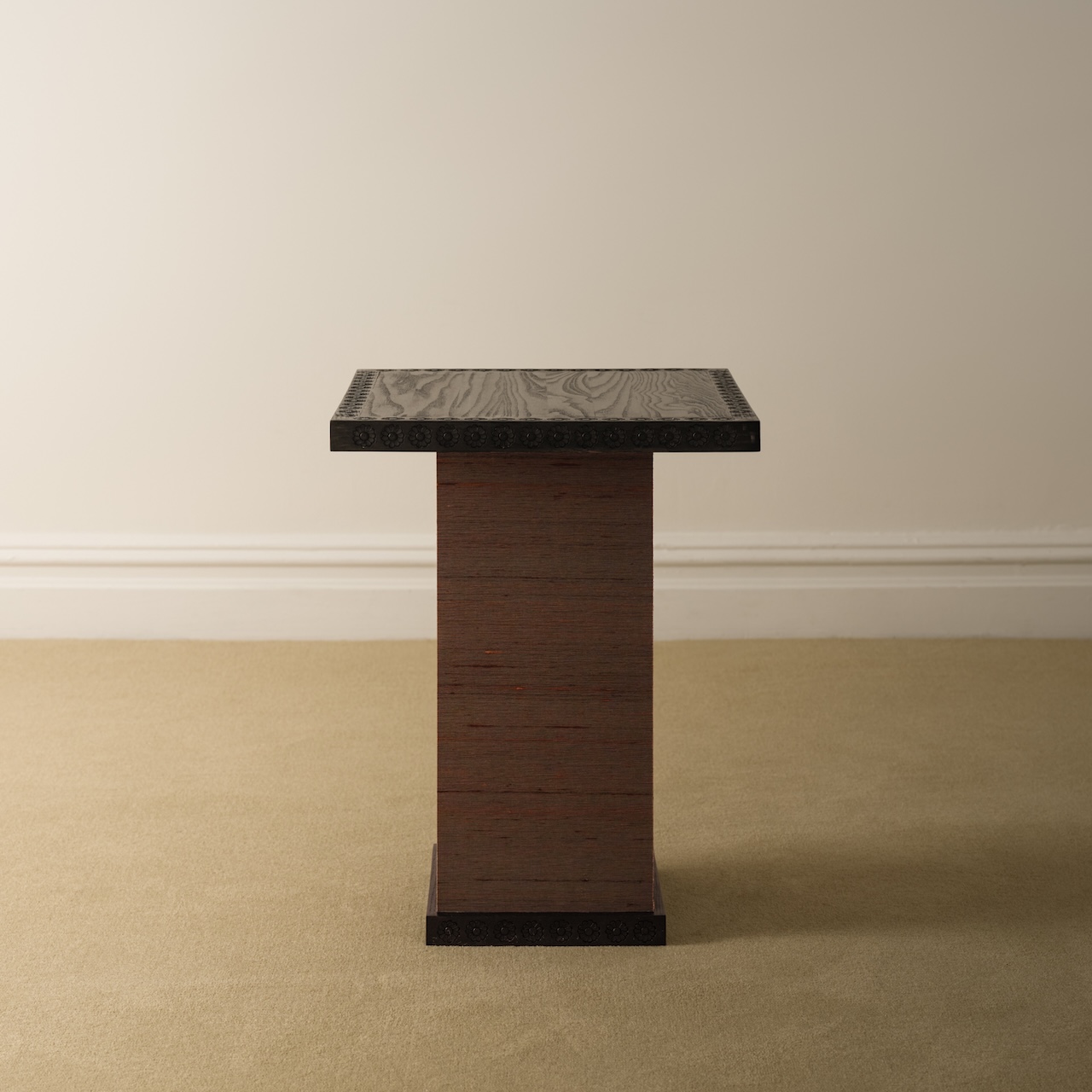
Beyond the material and personal narratives, SVILA also serves as a poignant homage to cultural heritage and traditional craftsmanship. The hand-carved wood components featured throughout the collection, particularly in the tables, were produced using a traditional Balkan technique, executed in a vital collaboration with skilled artisans in Bosnia. This decision was not merely an aesthetic choice but a deliberate act of cultural preservation and valorization. During the period following her child’s birth, Kraš spoke exclusively in Serbian to her newborn, a practice that drew her more deeply into incorporating her own cultural background into her work. The Bosnian collaboration emerged as a direct result, grounding the collection in a specific craft geography rather than allowing it to exist within a generalized, often depersonalized, language of artisanal production.
The traditional Balkan woodcarving technique utilized in SVILA holds significant cultural weight, being recognized and protected by UNESCO. This designation underscores the immense value and vulnerability of such practices, which face real pressure from the relentless march of industrialization and mass production. By embedding these intricate, time-honored techniques into functional objects destined for a contemporary gallery setting, Kraš achieves several crucial objectives. Firstly, she provides vital visibility to a craft tradition that might otherwise fade into obscurity. Secondly, the collaboration offers continued economic use and support for the artisans who tirelessly maintain these skills across generations. Thirdly, it enriches the objects themselves with a layer of historical and cultural narrative, transforming them from mere furniture into vessels of inherited knowledge and enduring artistry. Kraš’s long-standing fascination with "line as a formal device," evident in her earlier works like the Bonbon lamp, finds a new register in these carvings. The intricate lines etched into the wood components are not just decorative; they represent a continuity of artistic expression, bridging her modern aesthetic with ancient techniques, and serving as a tangible connection between past and present, personal and collective heritage.
Ana Kraš’s Multidisciplinary Trajectory and Signature Style
Ana Kraš’s career is a testament to boundless creativity, marked by a fluid movement across diverse disciplines, cities, and scales. Her prolific practice encompasses furniture and interiors, photography, fine art, set design, fashion, textiles, ceramics, and creative direction. Despite this vast breadth, her work remains instantly recognizable through a distinct signature: a spontaneous sensibility, an elegance found in simple forms, and an unexpected, yet always harmonious, approach to color. Her international profile was notably launched in 2008 at Salone del Mobile with the Bonbon lamp, conceived while she was still a student of interior architecture and furniture design at the University of Applied Arts in Belgrade. This iconic lamp, built from repeated yarn threads meticulously rendered into volumetric form, exemplified her early mastery of linear exploration. This "throughline"—a persistent engagement with line as a fundamental formal device—has consistently permeated her wider practice. From the delicate linearity of her drawings to the expansive gestures of her large-scale oil-stick works, and the extruded lines that define her Mara furniture pieces, Kraš continually reinterprets and reinvents the power of the line. With SVILA, these ingrained instincts are distilled into a collection that feels both deeply personal, rooted in her recent life experience, and materially precise, showcasing a meticulous understanding of silk’s complex properties. The exhibition underscores Kraš’s unique ability to weave together disparate elements—personal history, cultural heritage, and material science—into a cohesive and compelling artistic statement.
Emma Scully Gallery: A Platform for Innovative Design
The Emma Scully Gallery has established itself as a dynamic space dedicated to showcasing contemporary design that blurs the lines between art and functionality. Known for its discerning curation and commitment to presenting innovative works that challenge conventional perceptions, the gallery provides an ideal platform for an exhibition as conceptually rich and materially nuanced as SVILA. Emma Scully, the gallerist, has often expressed her commitment to supporting artists and designers who push boundaries and engage with materials in thoughtful, unexpected ways. "Ana Kraš’s SVILA exhibition perfectly embodies our gallery’s ethos," says Scully, in an inferred statement. "Her ability to reveal the inherent life within silk, combined with her profound respect for traditional craftsmanship and personal narrative, creates an exhibition that is both intellectually stimulating and deeply moving. It invites our audience to slow down, observe, and truly engage with the objects, recognizing the stories and processes embedded within them." The gallery’s commitment to presenting design as a critical cultural practice aligns seamlessly with Kraš’s multidisciplinary approach, making it a fitting venue for this significant body of work.
Broader Implications: Design, Culture, and Sustainability
The SVILA exhibition extends its relevance far beyond the aesthetic appreciation of beautiful objects, offering significant implications for contemporary design, cultural preservation, and sustainable practices. In an era dominated by rapid production and often fleeting trends, Kraš’s meticulous, deeply considered approach to materials and craftsmanship serves as a powerful counter-narrative. The elevation of silk from a decorative fabric to a structural and optical concept challenges designers to rethink the potential of everyday materials, encouraging a more profound engagement with their inherent properties.
Furthermore, the collaboration with Bosnian artisans on UNESCO-protected woodcarving techniques presents a compelling model for ethical production and the valorization of traditional crafts. This partnership demonstrates how contemporary design can serve as a conduit for cultural inheritance, providing economic viability and global visibility to endangered artisanal skills. It fosters a dialogue about the importance of slow design, where process, heritage, and the human hand are celebrated over speed and industrial efficiency. By rooting her work in specific craft geographies and personal heritage, Kraš advocates for a design practice that is culturally specific yet universally resonant. SVILA prompts critical reflection on how personal experiences, such as motherhood, can inform and enrich artistic expression, transforming intimate moments into public narratives through the medium of design. Ultimately, the exhibition positions silk as far more than a fiber; it becomes a powerful metaphor for time, care, inheritance, and the continuous, beautiful process of change, leaving a lasting impression on the discourse of art and design.
To learn more about the designer and maker, visit emmascullygallery.com.
Photography by Joe Kramm.







