Cintya Tara Annisa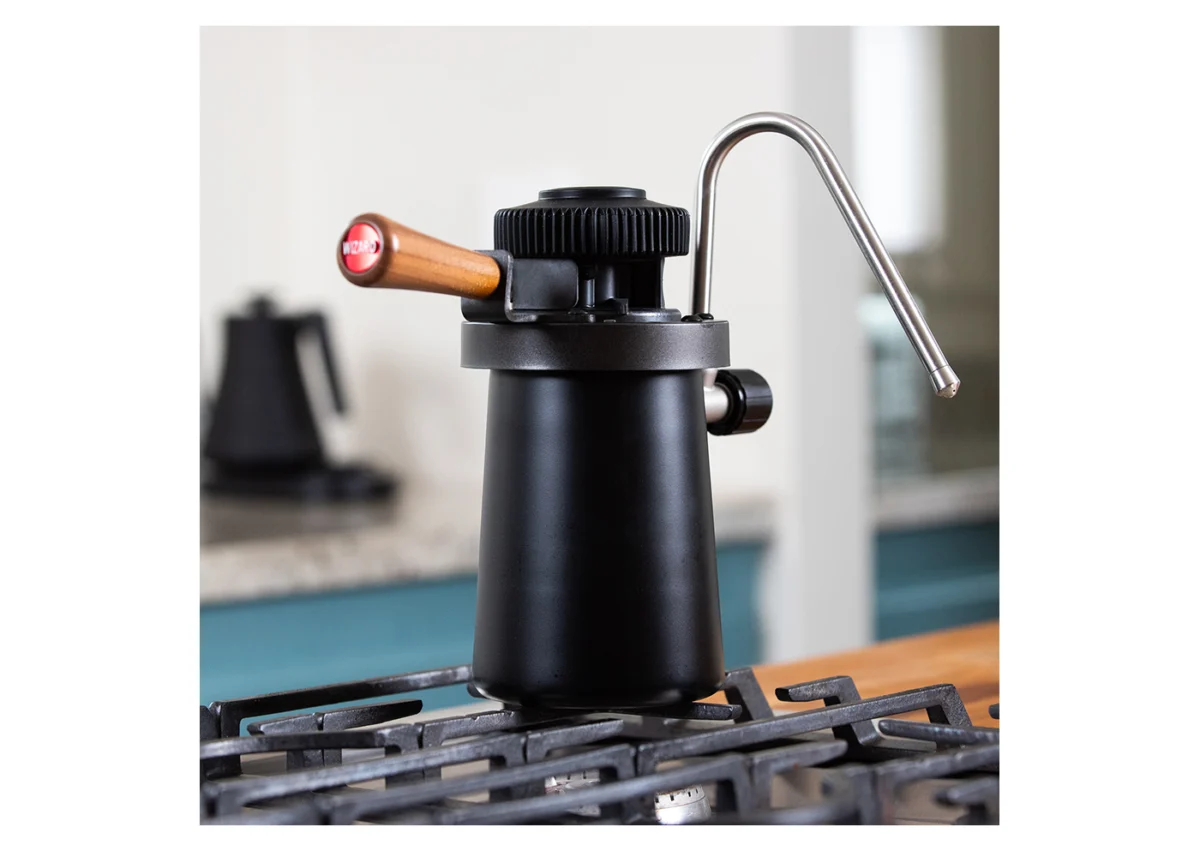
The specialty coffee industry is currently navigating an era of unprecedented technological expansion, characterized by a transition from basic brewing implements to highly engineered precision instruments. In response to this surge in innovation, the 2026 Coffee Gear initiative has been established as a curated platform to highlight the most significant advancements in the field. As the market for home and professional coffee equipment becomes increasingly saturated, the necessity for rigorous evaluation and curation has grown. This initiative serves as a bridge between manufacturers—ranging from historic heritage brands to modern boutique startups—and a global audience seeking to optimize the extraction, preparation, and sensory experience of coffee.
The Shift Toward Workflow Integration and Precision Preparation
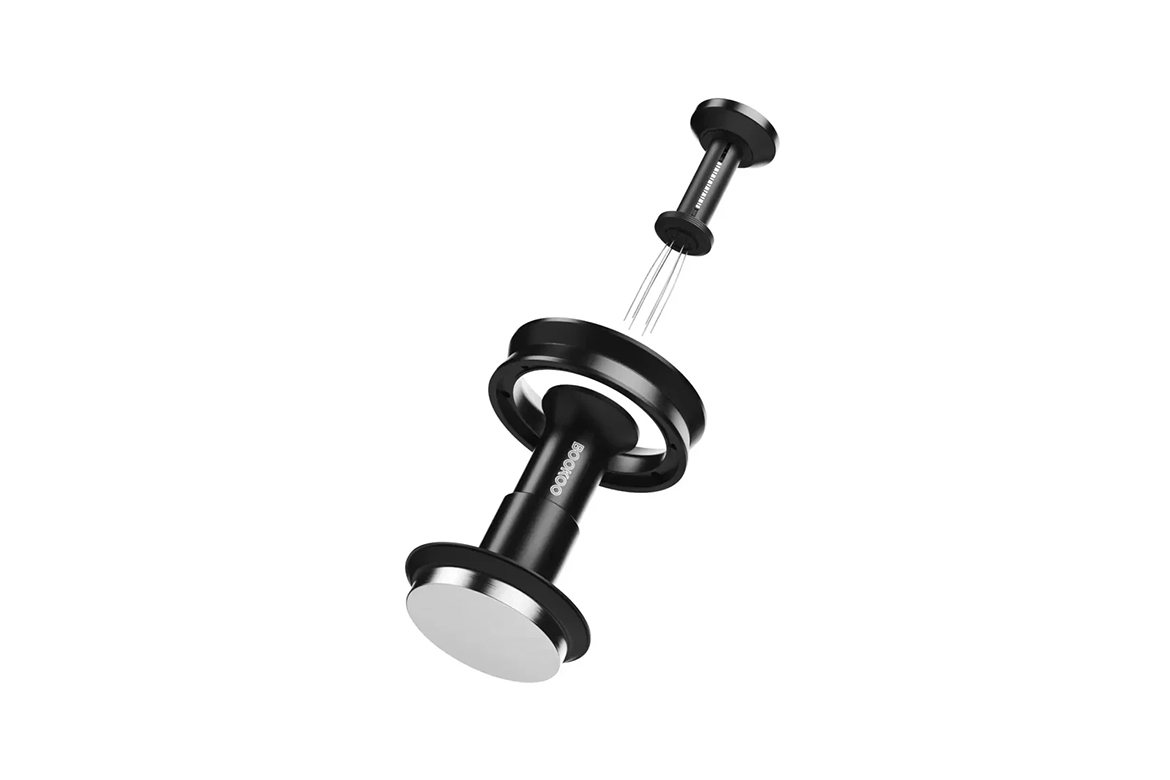
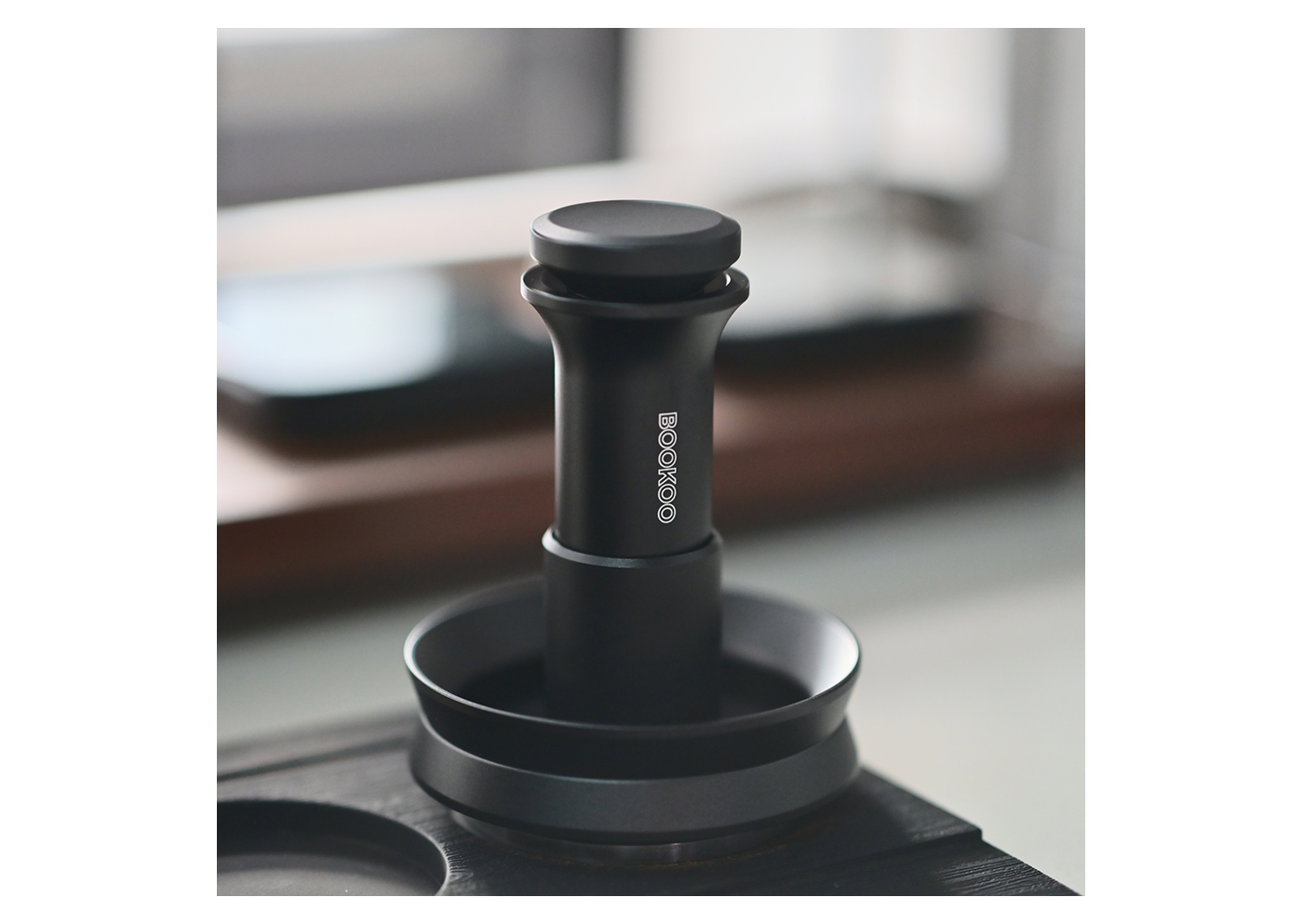
One of the most notable trends in the 2026 equipment landscape is the consolidation of "puck prep" tools. For years, espresso enthusiasts have utilized disparate tools for Weiss Distribution Technique (WDT), dosing, and tamping. The BOOKOO Puckgo 3-in-1 Impact Tamper represents a significant milestone in workflow optimization. By integrating a retractable WDT needle system, a magnetic anti-spill dosing ring, and a patented impact tamper into a single unit, the device addresses the three primary variables of espresso bed preparation: clump reduction, containment, and level compression.
From a technical standpoint, the impact tamper is designed to deliver a stable, vertical force that remains consistent regardless of user fatigue or technique. This mechanical consistency is critical in a commercial setting where multiple baristas may handle the same station, and in a home environment where precision is often hampered by manual inconsistency. Industry data suggests that uneven tamping and poor distribution are the leading causes of "channeling"—the phenomenon where pressurized water finds the path of least resistance through the coffee bed, leading to uneven extraction and bitter flavors.

Atmospheric Manipulation: The Acaia Horizon and Flavor Clarity
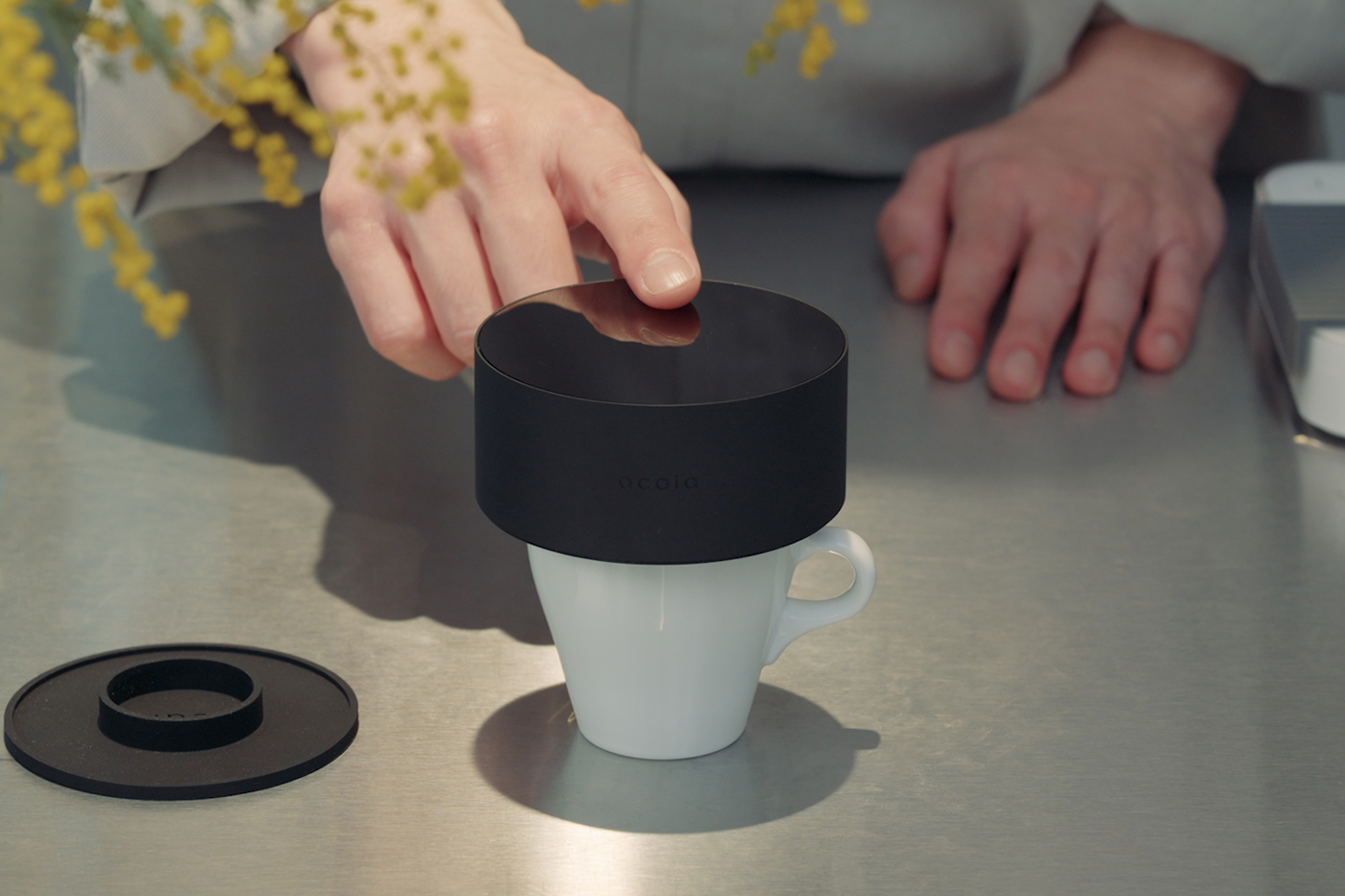
While puck preparation focuses on the mechanical state of the coffee grounds, the Acaia Horizon introduces a new frontier: atmospheric control. Developed in collaboration with Swiss Barista Champion Mathieu Theis, the Horizon is designed to manipulate the environment within the serving vessel itself. The device functions by removing oxygen and carbon dioxide from the immediate atmosphere of the brewed coffee.
The scientific rationale behind this is rooted in the volatility of coffee aromatics. Oxygen facilitates oxidation, which can dull the vibrant acidity and nuanced floral notes of high-end specialty beans. Carbon dioxide, while a natural byproduct of the roasting process, can interfere with the sensory perception of sweetness and clarity. By creating a controlled environment, the Horizon aims to serve coffee at its absolute peak potential. This device marks a shift in the industry from focusing solely on the "extraction" phase to optimizing the "presentation" and "consumption" phases. Pre-orders for the Horizon have already been established across major markets, including the United States, Europe, and Japan, signaling strong international interest in sensory-enhancement technology.
The Paradox of Minimalism and Advanced Materials in Manual Brewing
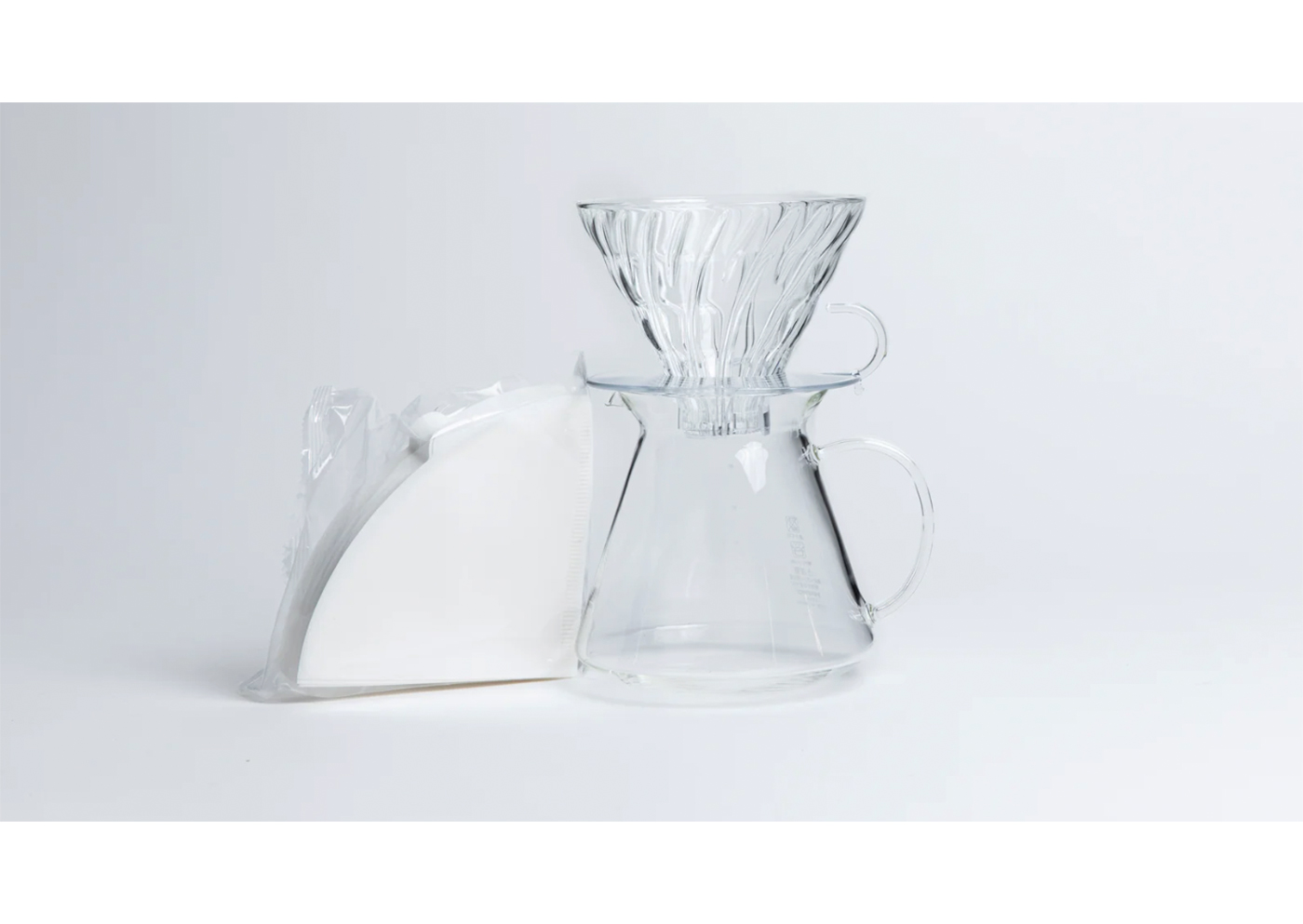
In contrast to the high-tech electronic offerings, the 2026 selection also emphasizes the enduring relevance of glass and stainless steel in manual brewing. The Hario V60 "Simply" Glass Pour Over Kit underscores a return to transparency and minimalism. Hario, a Japanese firm with a history in heatproof glass manufacturing dating back to 1921, continues to dominate the pour-over segment by focusing on material purity. The "Simply" kit provides a streamlined entry point for consumers, utilizing the classic 02-size geometry that has become the global standard for conical brewing.
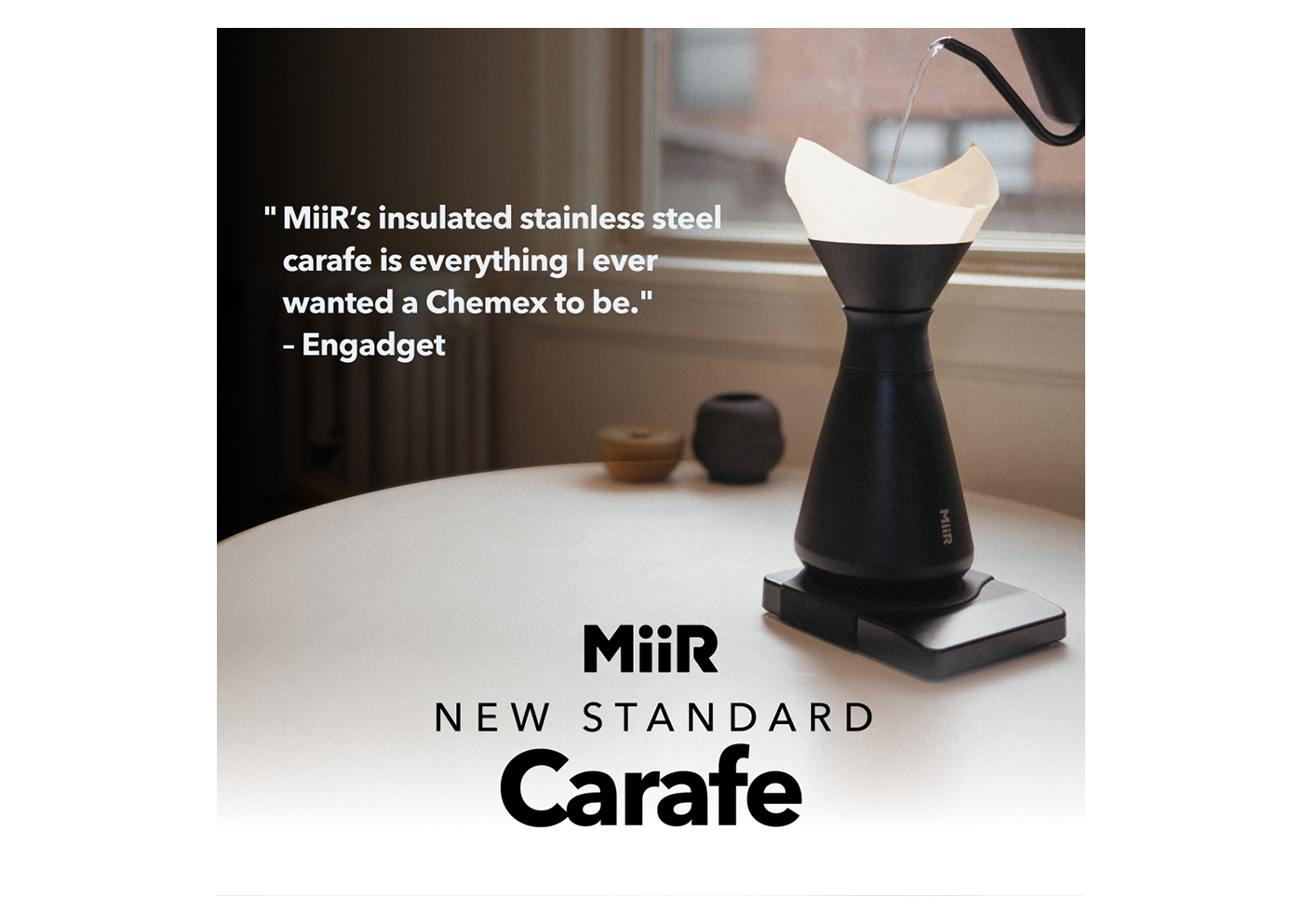
Simultaneously, brands like MiiR are merging aesthetic minimalism with rigorous corporate responsibility and material science. The MiiR New Standard Carafe utilizes Thermo 3D® double-wall vacuum insulation technology to maintain thermal stability during and after the brewing process. Unlike traditional glass carafes, which lose heat rapidly, the stainless steel construction offers durability and temperature retention. MiiR’s status as a B Corp-certified entity reflects a broader industry shift toward ethical manufacturing. In 2026, the brand has expanded its global customization capabilities to over 70 countries, catering to both individual enthusiasts and large-scale roasters looking for branded equipment that aligns with sustainability goals.
Specialized Milling: The Comandante C40 Lab Series Hammerhead
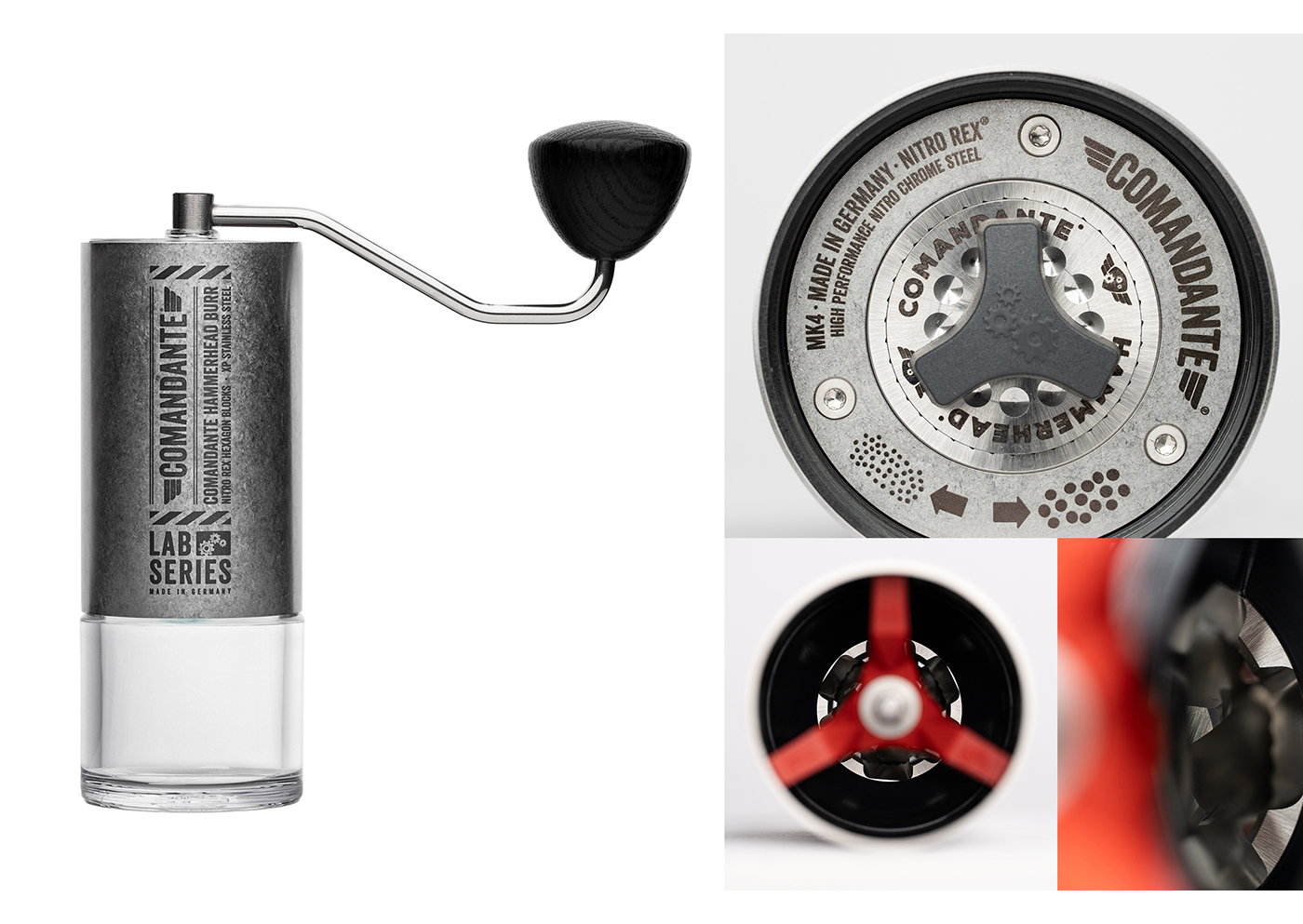
Grinding technology remains the most critical variable in coffee quality, and the Comandante C40 Lab Series Hammerhead represents a move toward "variety-specific" engineering. While most grinders aim for a "unimodal" or "all-purpose" distribution, the Hammerhead burr is specifically tailored for larger, denser coffee beans, such as the Yellow Pacamara variety.
Founded by Bernd Braune, Comandante has long been regarded as the benchmark for manual grinding. The Lab Series is an experimental platform that explores how burr geometry can be adjusted to highlight specific genetic traits of the coffee cherry. The Hammerhead burr is engineered to handle the physical dimensions and structural density of Pacamara beans with greater precision, resulting in enhanced sweetness and fruit-forward complexity. This level of specialization suggests a future where serious practitioners may own different burr sets for different coffee origins or processing methods, much like a chef uses different knives for specific ingredients.
Innovation in Immersion and Milk Texturing
The Dwell Dripper, designed by Verve Coffee, introduces a unique bottomless design to the immersion and percolation market. Constructed from BPA-free silicon, the Dwell Dripper focuses on ease of use without sacrificing the "third wave" standards of extraction. Its design allows for a three-minute brew cycle that balances the body of an immersion brew with the clarity of a paper-filtered pour-over. This product highlights the industry’s push toward "portable precision"—equipment that is durable enough for travel but sophisticated enough for daily home use.
In the realm of milk-based beverages, the Flair Espresso Flair Wizard and the Slow Pour Supply Kimera represent two different approaches to professional-grade texturing. The Flair Wizard is a stovetop steamer designed to bring commercial-quality steam pressure to the home kitchen without the need for a full espresso machine. It is compatible with gas and induction surfaces, filling a significant gap in the market for "manual" enthusiasts who still desire high-quality lattes and cappuccinos.
Conversely, the Kimera pitcher by Slow Pour Supply, designed by Anita Tam, focuses on the "drag and draw" style of latte art. Featuring a tri-spout design—incorporating round, narrow, and high-precision tapered spouts—the Kimera allows baristas to execute complex patterns that were previously difficult with a single-spout pitcher. This tool reflects the growing professionalization of latte art as a competitive discipline.
The Benchmark of Home Espresso: La Marzocco’s Heritage and Evolution
No analysis of modern coffee gear is complete without addressing the influence of La Marzocco. The release of the Linea Micra in late 2023 set a new standard for the "prosumer" market, a trend that continues into 2026. The Micra is essentially a scaled-down version of the Linea Classic, the workhorse of the global specialty coffee industry. By integrating double boilers, Proportional-Integral-Derivative (PID) temperature control, and a compact footprint, La Marzocco has successfully brought the Florentine manufacturing heritage into the domestic kitchen.
Furthermore, La Marzocco’s recent achievement as the first espresso machine manufacturer to receive B Corp certification marks a turning point for the industry. This certification requires meeting high standards of social and environmental performance, transparency, and accountability. As consumers become more conscious of the environmental impact of heavy machinery, La Marzocco’s move sets a precedent for other manufacturers in the espresso space.
Market Analysis and Broader Implications
The 2026 Coffee Gear initiative arrives at a time when the global coffee equipment market is projected to continue its steady growth. According to industry reports, the demand for "prosumer" espresso machines and high-end manual brewing gear has seen a Compound Annual Growth Rate (CAGR) of over 7% since 2020. This growth is driven by a more educated consumer base that values origin transparency, roast profiles, and, crucially, the equipment necessary to replicate cafe-quality results at home.

The implications of these technological advancements are twofold. First, they democratize high-quality coffee. Tools like the Flair Wizard and the BOOKOO Puckgo allow individuals to achieve professional results without the five-figure investment traditionally required for a commercial setup. Second, they push the boundaries of what is possible in a professional setting. The Acaia Horizon and the Comandante Hammerhead burrs provide baristas with new variables to manipulate, leading to a more nuanced and diverse range of flavor profiles.
Chronology of Innovation
The path to the 2026 gear selection can be traced back through several key industry milestones:

- 2015: The launch of the La Marzocco Linea Mini, which redefined the premium home espresso machine category.
- 2021: A surge in home brewing during global lockdowns leads to a massive influx of capital into boutique equipment startups.
- 2023: The release of the Linea Micra and the rise of "workflow" tools like the original WDT needles.
- 2025: The announcement of the Sprudge Coffee Gear initiative to provide a curated guide through a cluttered market.
- 2026: The official launch of the initiative, featuring the integrated solutions and atmospheric control devices seen today.
As the industry moves forward, the focus is likely to remain on the intersection of sustainability, precision, and user experience. The 2026 collection is not merely a list of products but a roadmap of where the specialty coffee world is headed: toward a future where every cup is an optimized expression of the bean’s potential, supported by engineering that is as thoughtful as the farming and roasting that preceded it.