
 Indra Kusuma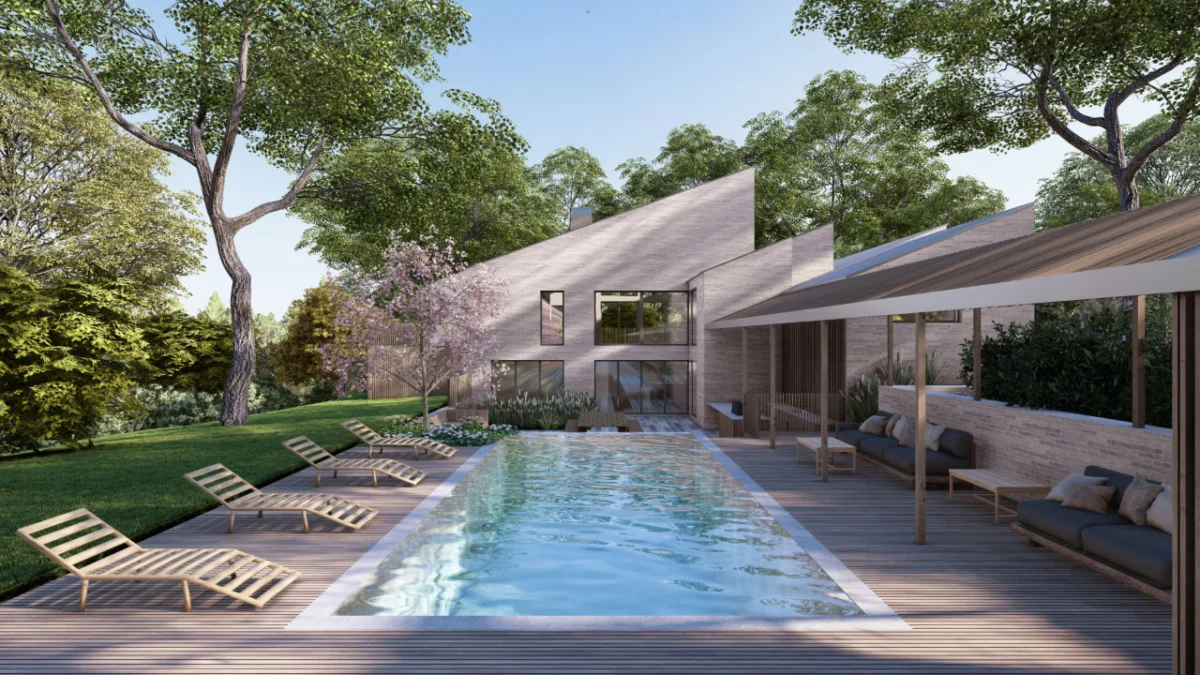
Architect Xiao Lin, founder of STUDIO XIAO, has emerged as a distinctive voice in contemporary design, seamlessly blending her bicultural upbringing with a profound philosophy that prioritizes sensory experience and site responsiveness. Her journey, rooted in cherished memories of home across two continents, has culminated in a practice dedicated to creating spaces that are not merely seen but deeply felt. This commitment to an architecture of presence and personal connection was recently highlighted as she shared her "Friday Five" selections, offering an intimate glimpse into the objects that shape her perspective and inspire her craft.
A Foundation Forged in Two Worlds
Born from formative years spent traversing the cultural landscapes of the United States and China, Xiao Lin’s earliest and most resonant memories are intrinsically linked to the physical spaces of her childhood homes. These early experiences instilled in her an acute awareness of how environments shape human connection and emotion. She recalls, "I remember the kitchen where meals were made and how everyone seemed to gather there, drawn by warmth as much as hunger." This vivid recollection underscores a fundamental truth that would later define her professional ethos: the home is more than a structure; it is a crucible of human interaction, comfort, and memory. This bicultural immersion provided Lin with a unique lens through which to view architecture, understanding both universal human needs for belonging and the nuanced cultural expressions of domesticity. The juxtaposition of distinct architectural traditions and spatial relationships encountered during her youth undoubtedly informed her holistic approach to design, fostering an appreciation for both functionality and the subtle emotional textures of space.
Academic Rigor and Global Perspectives
Lin pursued her academic aspirations by earning a graduate degree in architecture from the prestigious University of Pennsylvania. This rigorous academic environment provided her with a robust theoretical foundation and sharpened her analytical skills, preparing her for the complexities of professional practice. Following her academic pursuits, Lin embarked on extensive travels during the early stages of her career, an experience that proved pivotal in shaping her design philosophy. Whether immersing herself in the bustling metropolises of Beijing or the historic canals of Amsterdam, a recurring realization took root: even the most meticulously designed and architecturally significant spaces remained incomplete until imbued with the personal imprint of their occupants. This observation became a cornerstone of her belief system – that true architectural resonance is achieved through habitation, when a space truly becomes "their own." This global exposure allowed her to witness firsthand the diverse ways cultures inhabit and personalize their environments, reinforcing her conviction that human interaction is the ultimate activator of architectural design.

STUDIO XIAO: Crafting Experiential Spaces
In 2022, leveraging her unique vision and extensive experience, Xiao Lin founded her own firm, STUDIO XIAO, based in East Hampton, New York. The decision to establish her practice in a region renowned for its distinctive architectural heritage and discerning clientele speaks to her confidence in her specialized approach. STUDIO XIAO quickly carved out a niche, specializing in both residential and commercial projects. At the core of her firm’s methodology is a guiding principle: a building should be felt before it is seen. This philosophy challenges conventional architectural paradigms that often prioritize visual aesthetics above all else. Instead, Lin advocates for an architecture that engages the full spectrum of human senses, creating environments that evoke emotion, comfort, and a profound sense of place. This approach resonates particularly well in the luxury residential market of East Hampton, where clients seek not just houses, but curated experiences and sanctuaries that reflect their lifestyles and aspirations.
Her signature structures are characterized by their purity of form, a deliberate simplicity that allows the inherent beauty of materials and the surrounding environment to take precedence. Rather than imposing a design onto the landscape, Lin’s work seeks to be responsive, integrating seamlessly with its natural surroundings. For her, a complete edifice transcends mere physical construction; it is a compelling composition of mood, sound, and light, meticulously paired with her carefully selected materials. This holistic perspective ensures that each project by STUDIO XIAO is not just a building, but an integrated sensory experience, where the interplay of light, shadow, texture, and acoustics contributes to an overarching sense of harmony and tranquility. This approach aligns with a growing trend in architecture towards biophilic design and environmental integration, where buildings are designed to foster a connection with nature, promoting well-being and reducing environmental impact.
Beyond Blueprints: The Art of Ceramics and Architectural Looseness
Outside the structured world of architectural commissions, Lin finds creative expression in the tactile art of ceramics. This pursuit offers a contrasting yet complementary outlet to her professional practice. She notes the inherent unpredictability of the craft: "The firing and glazing bring their own surprises, outcomes you never fully planned for." This element of serendipity, of allowing the materials and processes to dictate certain outcomes, offers a "looseness that architecture, with all its predetermined processes, rarely gives you." This engagement with ceramics is more than a hobby; it is a practice that informs her understanding of materials, transformation, and the beauty of imperfection. It provides a meditative counterpoint to the rigid demands of architectural design, allowing her to explore form and texture in a more immediate and intuitive way. The lessons learned from the kiln – patience, adaptability, and an appreciation for the organic evolution of form – subtly infuse her architectural work, contributing to a sensibility that values authenticity and understated elegance.
Insights from the Designer’s World: Xiao Lin’s "Friday Five" Unveiled
In a recent feature for "Friday Five," a column known for revealing the personal inspirations of leading designers, Xiao Lin presented five objects that hold significant meaning for her. These selections offer a unique window into her influences, values, and the underlying philosophy that informs STUDIO XIAO’s distinctive approach. Each item, whether a relic of tradition or a tool of everyday comfort, speaks volumes about her reverence for craftsmanship, heritage, and the sensory experience of objects.
-
The Birth Name Stone Seal: Echoes of Heritage and Intentionality
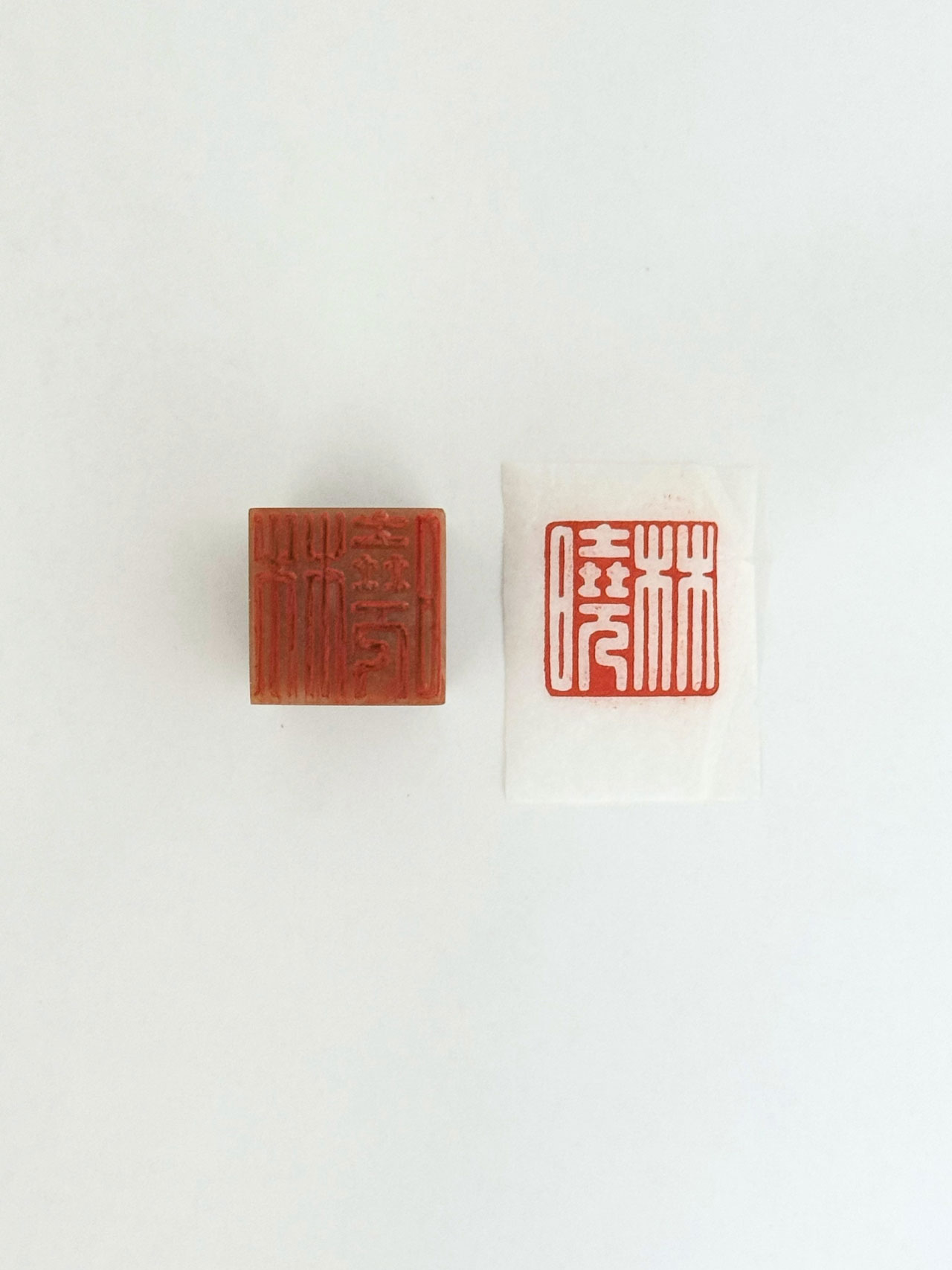
Lin’s first selection, a traditional Chinese birth name stone seal, embodies a profound connection to heritage and the enduring power of symbolic acts. She describes the "quietly ceremonial" process of pressing stone to paper, emphasizing the pause, the resistance, and the eventual reveal. Carved by hand, this seal represents a tradition passed down through generations of artisans, highlighting the deep cultural significance of marking and meaning. Each impression, unique in its slight variation, serves as a metaphor for the individual imprint left on a space or a life. In an increasingly digital world, this object champions the permanence and personal touch of ancient crafts, reflecting Lin’s appreciation for intentionality and the weight of history in design. It underscores the idea that a name, like a building, carries an identity and a story. -
The Carved Horn Head Massager: A Chronicle of Human Touch
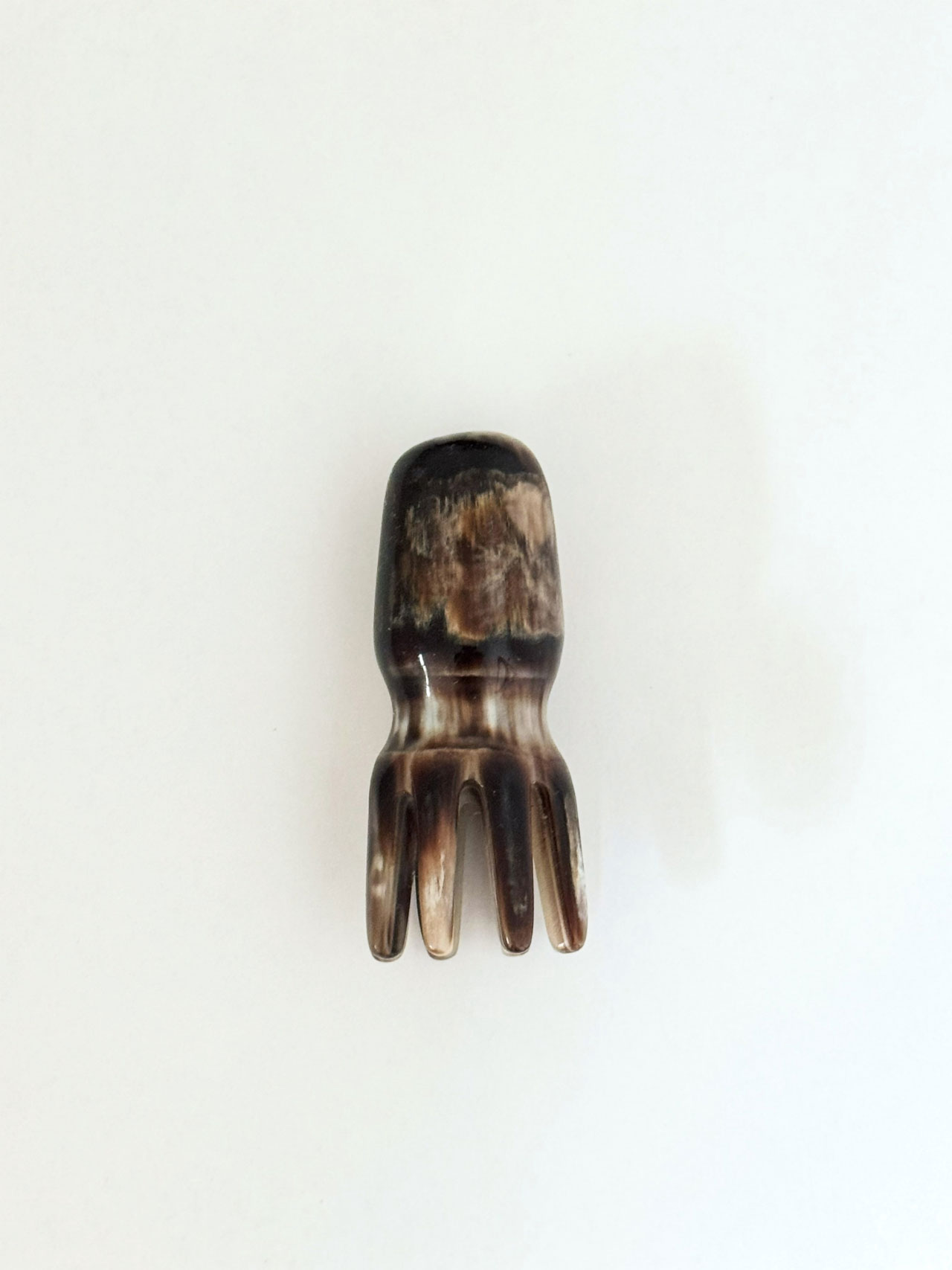
This unique object, cut from a single piece of horn, serves as a tangible record of human interaction. Lin observes how its form evolves with use: the tines smoothing under fingers, the body developing a rich patina of touch. The contrast between the rougher hollows and burnished exterior "tells you exactly how it has been held, and by whom." This massager is a testament to the beauty of wear and the way objects absorb and reflect their histories. It speaks to Lin’s broader architectural philosophy, where spaces are designed to be lived in, touched, and aged gracefully, bearing the marks of their occupants. It champions the sensory, tactile experience, reminding us that design is not just visual but profoundly physical.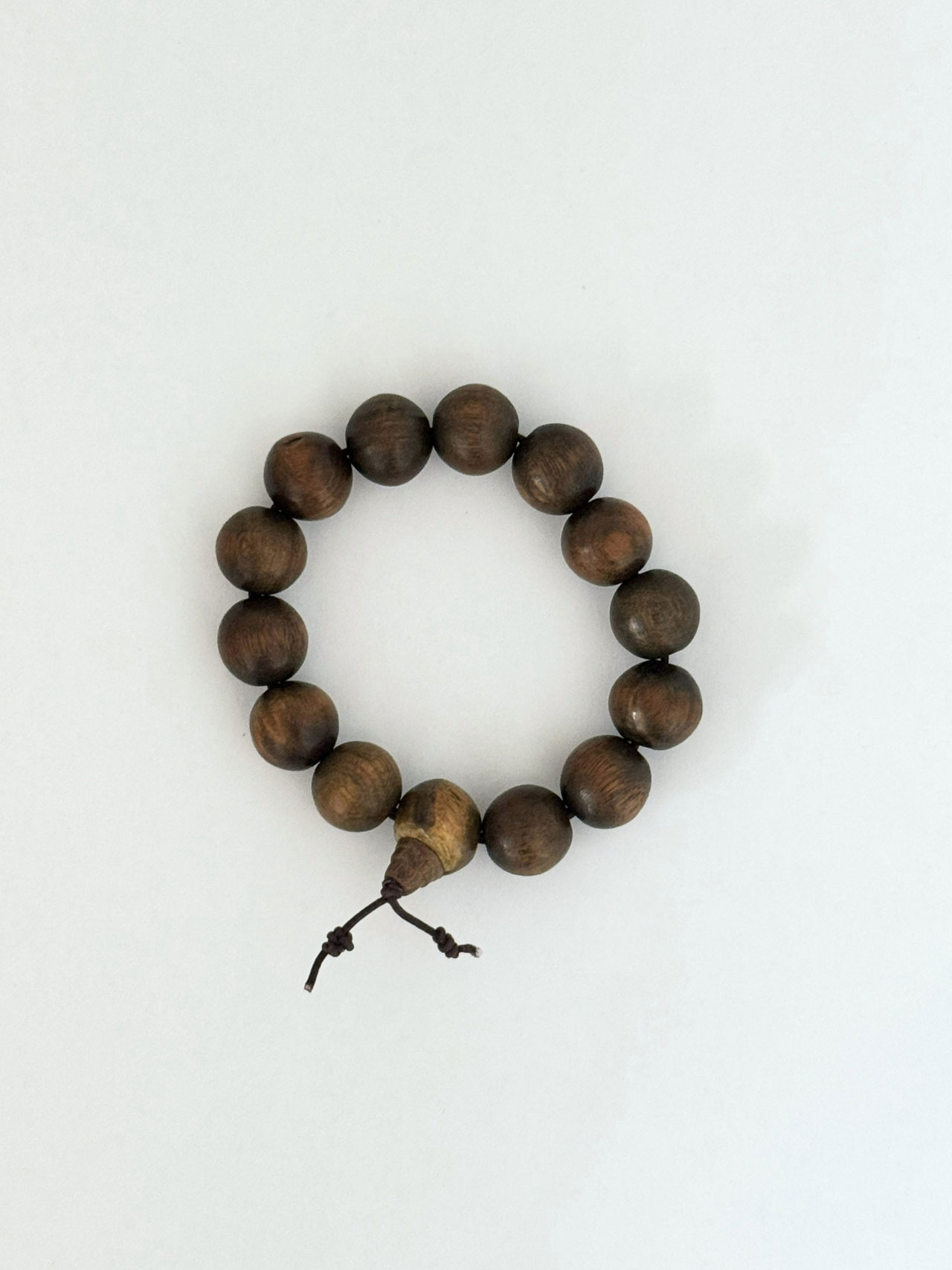
-
My Grandmother’s Sandalwood Mala Bracelet: Intergenerational Connection and Enduring Presence
Lin’s most treasured possession is her grandmother’s sandalwood mala bracelet. Worn daily by her grandmother, the wood itself has softened where it met her wrist, and the faint, warm, insistent fragrance of sandalwood still lingers. This bracelet is a powerful conduit of memory and intergenerational connection. For Lin, wearing it is a way to "carry both her and her memories." This object highlights the emotional power of provenance and the way personal history can imbue an object – or a space – with unparalleled significance. It speaks to the concept of inheritance, not just of physical items but of stories, values, and the intangible legacy that shapes an individual’s worldview and, by extension, their creative output. -
Handmade Ceramic Incense Holder: Architectural Logic in Miniature
This ceramic incense holder is a miniature masterclass in architectural efficiency and beauty through restraint. Lin notes that "this piece thinks like a building," with its long rectangular channel precisely holding the incense and its gently inclined base collecting ash with elegant functionality. Everything is considered, nothing wasted. This object embodies "the quiet logic of good architecture: a clear diagram of function made beautiful through restraint." It reflects Lin’s commitment to thoughtful design where every element serves a purpose, and utility is elevated to art. It also subtly echoes her own ceramic practice, showcasing how an understanding of material and form can translate into functional elegance. -
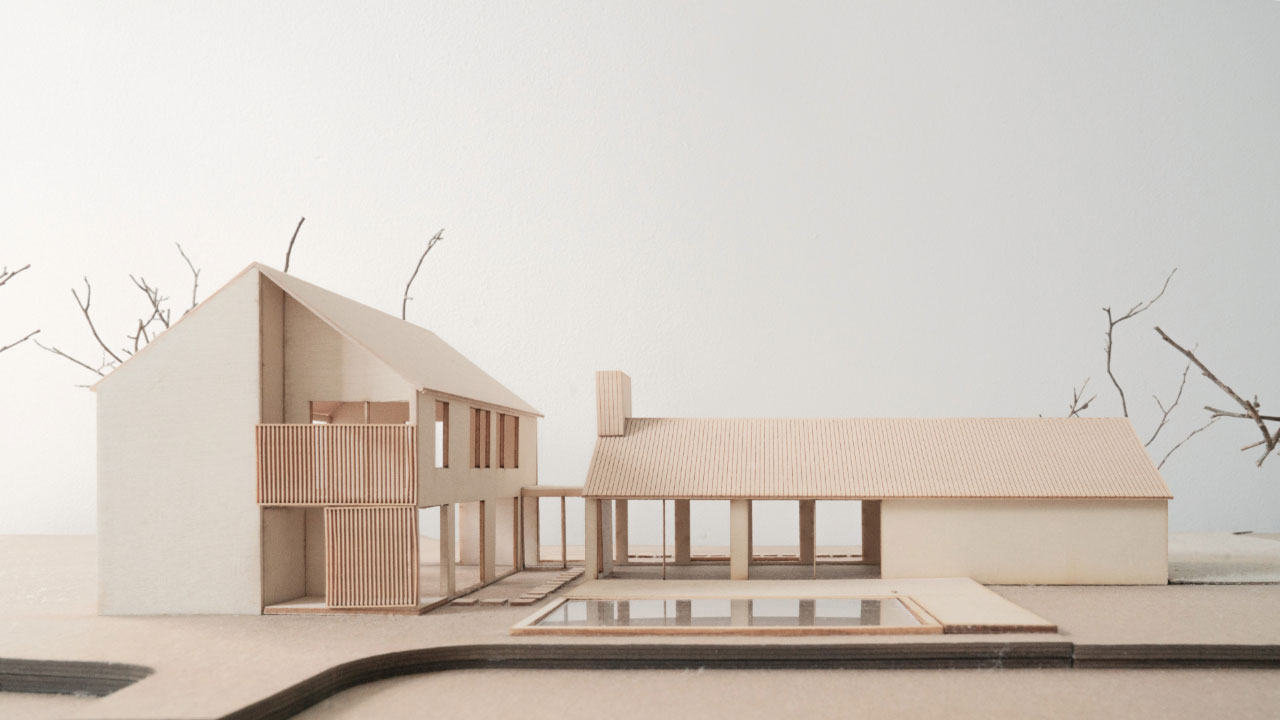
Physical Architecture Model: The Indispensable Tangibility of Design
In an era dominated by digital renderings and virtual walkthroughs, Lin’s inclusion of a physical architecture model is a powerful statement about the enduring value of tactile design. She emphasizes that her firm still makes these models by hand because "there is something irreplaceable about building a thing in space to understand a thing in space." The act of touching the roof or lowering one’s eye to the level of a room provides an intuitive understanding that screens cannot replicate. The model, she asserts, "doesn’t simulate the building, it thinks alongside it, a way of processing what drawing and rendering alone cannot resolve." This highlights a critical aspect of architectural practice: the necessity of three-dimensional, tangible engagement to fully grasp spatial relationships, light, and mass, ultimately leading to more resolved and impactful designs. This perspective challenges the complete reliance on digital tools and advocates for a balanced approach that integrates traditional craft with modern technology.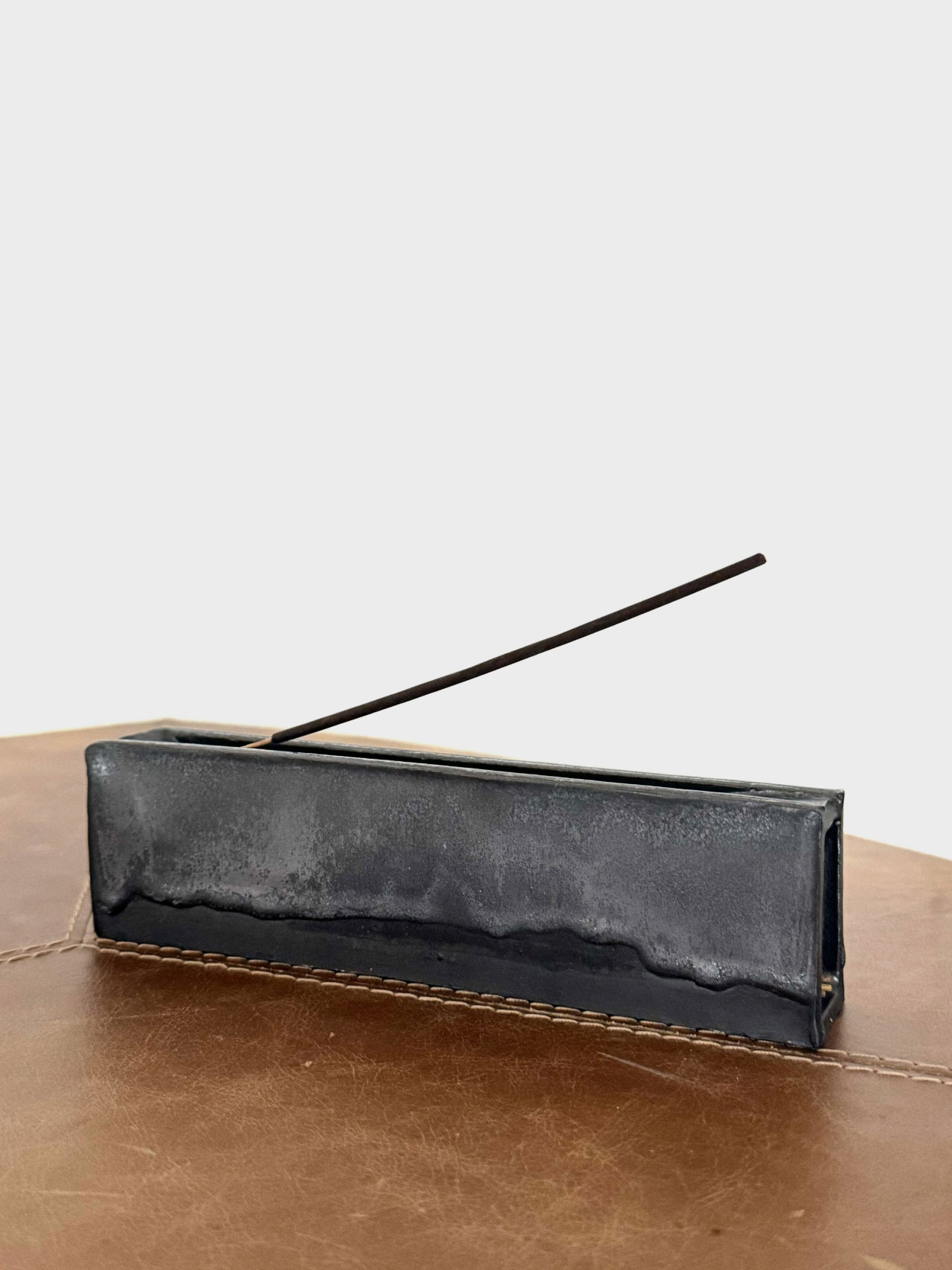
Showcasing the Vision: Notable Projects by STUDIO XIAO
STUDIO XIAO’s portfolio vividly demonstrates Xiao Lin’s philosophy in action, with each project showcasing a meticulous attention to detail, a profound respect for context, and an unwavering commitment to creating experiential spaces.
-
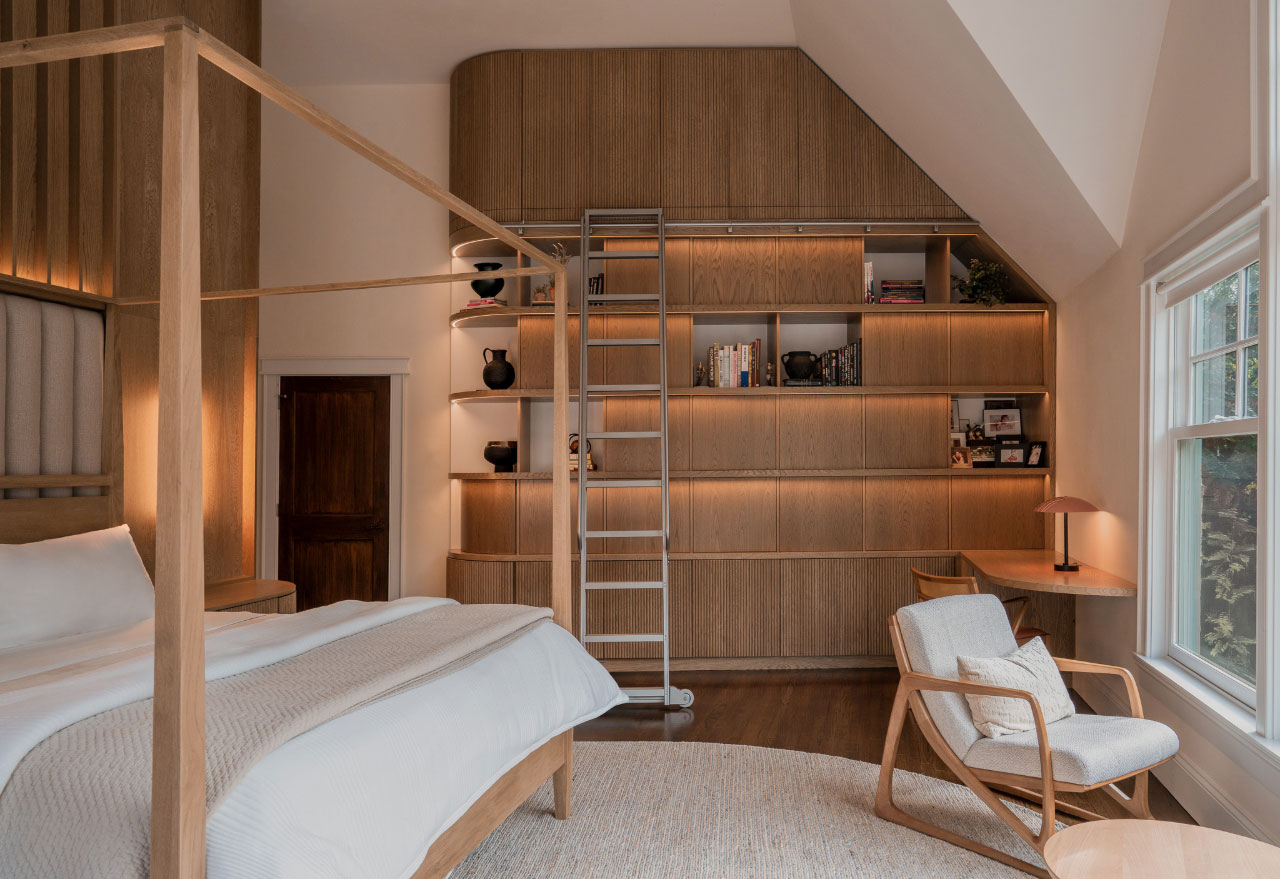
Haven House: This residential project exemplifies Lin’s ability to integrate bespoke elements with architectural forms. A custom walnut bookshelf in the primary bedroom precisely follows the irregular roofline, its rounded corners and rolling ladder effortlessly accommodating the room’s asymmetry. This detail illustrates how functional elements can become sculptural features, enhancing the overall aesthetic while maintaining practical utility. It speaks to a design approach that celebrates the unique characteristics of each space rather than imposing a generic solution.
-
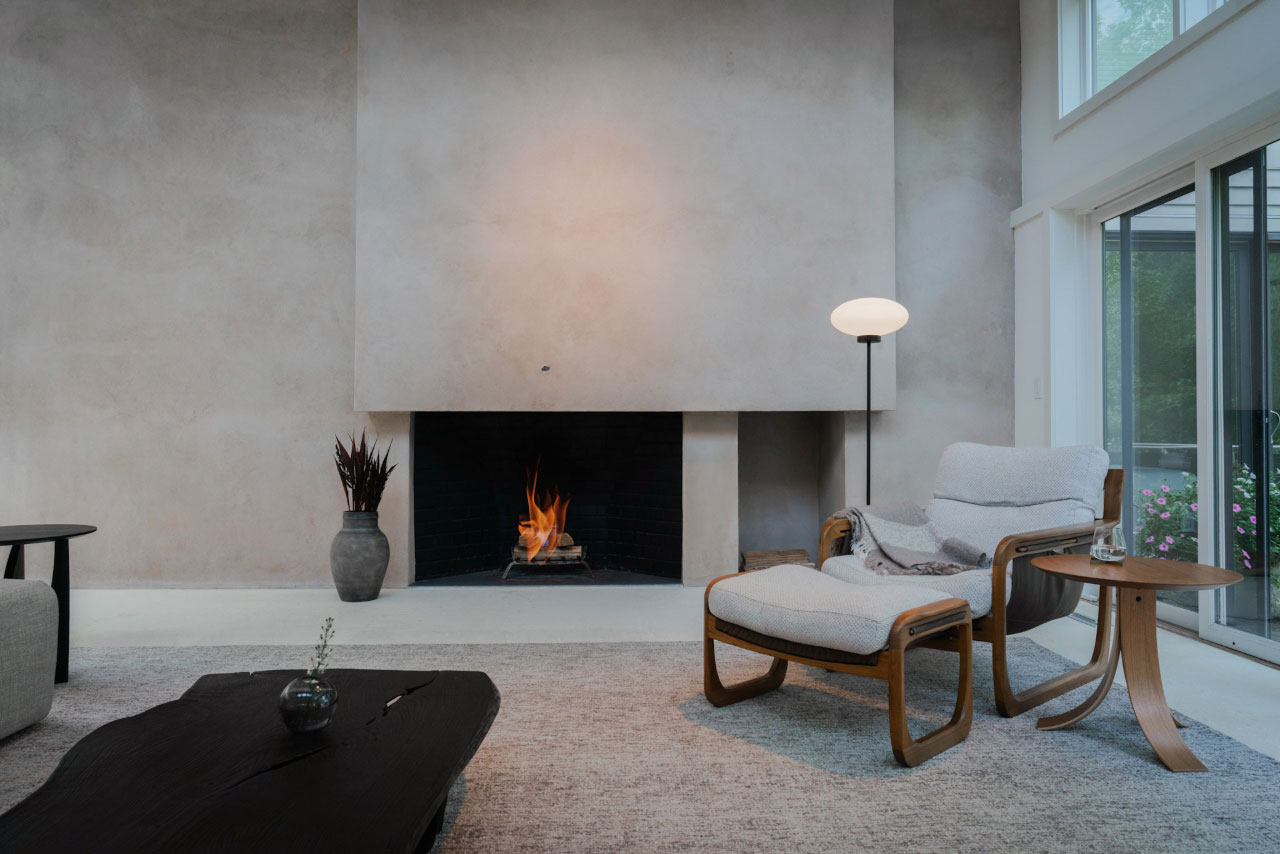
Oyster Cove: Here, a floor-to-ceiling plaster fireplace anchors the living room, its matte cloud-grey surface receding to allow the fire to become the focal point. This creates a powerful visual and emotional center. A wood-framed lounge chair and organic coffee tables introduce tactile warmth, grounding the space against the cool mineral backdrop of the fireplace. The design skillfully balances contrasting textures and temperatures, creating an inviting yet sophisticated atmosphere. This project highlights Lin’s mastery of material selection and her ability to orchestrate sensory experiences within a space.
-
Cove House: A renovation for clients drawn to mid-century sensibilities, Cove House in East Hampton is a masterful exercise in material dialogue and site integration. Re-clad in elongated brick and corrugated aluminum, the materials echo the site’s existing masonry while simultaneously sharpening the roofline’s geometry. A recurring slatted detail cohesively ties the facade, deck, bench seating, and pergola into a unified design language. The sunken pool, edged with a waterfall, seamlessly drops to meet the lower level, dissolving the boundary between the built volume and the surrounding landscape. This project is a testament to Lin’s ability to honor historical context while infusing it with contemporary clarity and a strong connection to nature.
-
Tier House: Perched high on a hillside, Tier House is conceived as a quiet, fortress-like form from the street, gradually revealing its openness as one moves inward. A solid front fence and rock garden establish a slow, deliberate procession toward the recessed entry, creating a sense of anticipation and privacy. This thoughtful design strategy controls the visitor’s experience, transforming arrival into a journey of discovery. It demonstrates Lin’s understanding of how architecture can shape narrative and emotional engagement, guiding occupants through a carefully choreographed sequence of spaces.
-
Gleason Renovation: This project exemplifies the transformation of a functional space into a sanctuary. A television room was reimagined as a place of stillness, anchored by a built-in sofa and bed with integrated lighting and a discreet pull-out trundle. Cabinetry folds seamlessly into the window sill, unifying the wall as a single composed surface. Furnishings chosen with "quiet intention" complete the metamorphosis, turning the room into a tranquil retreat. This project underscores Lin’s ability to create spaces that prioritize well-being and provide respite from the demands of modern life, reflecting her belief in the restorative power of thoughtfully designed environments.
The Future of Experiential Architecture
Xiao Lin’s work at STUDIO XIAO represents a compelling direction in contemporary architecture, one that deeply values the human experience and the profound connection between people and their built environments. By integrating her bicultural background, a rigorous academic foundation, and a global perspective with a personal appreciation for craft and heritage, Lin creates spaces that transcend mere aesthetics. Her philosophy—that a building must be felt before it is seen—advocates for an architecture that engages all senses, fostering emotional resonance and a lasting sense of belonging. As the industry increasingly recognizes the importance of sustainable, human-centric design, Lin’s approach, which seamlessly weaves together form, nature, sound, and light, positions STUDIO XIAO as a vanguard in crafting truly meaningful and unforgettable architectural compositions. Her contributions underscore the enduring power of design to enrich lives and shape the way we interact with the world around us.







