
 Ali Ikhwan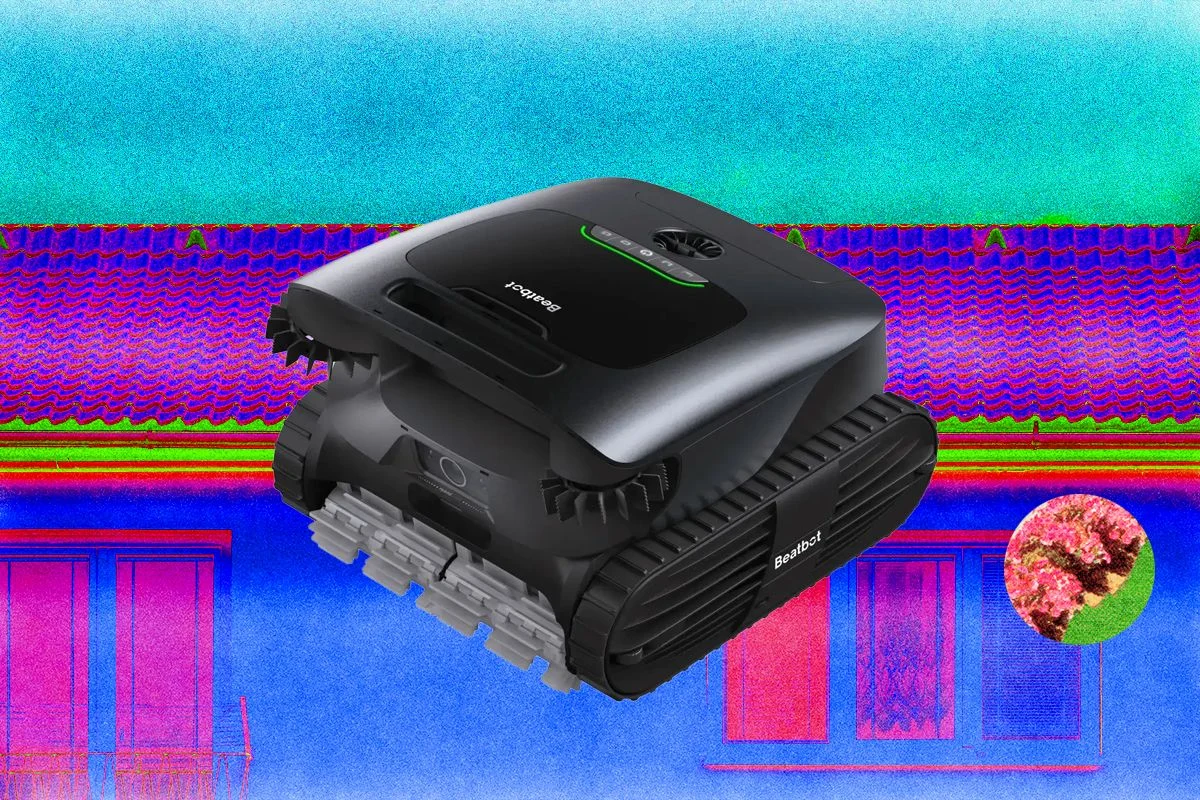
The global residential pool market has undergone a significant technological transformation over the last decade, transitioning from labor-intensive manual maintenance to highly autonomous, AI-driven solutions. As of mid-2026, the industry has reached a pivotal juncture where battery-powered robotic cleaners are no longer just a luxury alternative but the definitive standard for pool owners. This shift is driven by advancements in lithium-ion battery density, sophisticated computer vision, and the integration of Internet of Things (IoT) capabilities that allow for precision cleaning of floors, walls, and waterlines. For the modern pool owner, the primary objective has shifted from merely removing debris to achieving total water clarity with minimal human intervention.
The Evolution of Pool Maintenance Technology: A Forty-Year Chronology
To understand the current state of robotic pool cleaners, one must look back at the technological trajectory that began in the 1980s. During that era, the market was dominated by pressure-side cleaners. these mechanical units required a dedicated booster pump on the surface to circulate water through a hose, using hydraulic pressure to move the unit and create a vacuum effect. While reliable, these systems were tethered by bulky hoses that remained in the pool, creating both an aesthetic eyesore and a swimming hazard.
By the early 2000s, the industry saw the rise of corded electronic cleaners. These units bypassed the pool’s filtration system, operating on low-voltage electricity delivered through long, waterproof cables. While they offered better filtration than their pressure-side predecessors, the "cable tangle" remained a persistent complaint among consumers.

The current era, beginning around 2020 and accelerating into 2026, is defined by the cordless revolution. The removal of the power cord has allowed for more complex navigation algorithms and the ability for robots to clean unconventional pool shapes without getting stuck. Today’s high-end models, such as the Beatbot AquaSense 2 Ultra, utilize ultrasonic sensors and AI-powered debris detection to map the pool environment in three dimensions, marking the move from random-path cleaning to systematic, grid-based coverage.
Analysis of Leading Models and Technical Performance Data
The 2026 market is characterized by a wide disparity in price and performance, with flagship models reaching the $3,000 threshold. Professional testing and consumer data indicate that the most effective units are those that balance suction power with maneuverability.
The Flagship Standard: Beatbot AquaSense 2 Ultra
The Beatbot AquaSense 2 Ultra represents the current pinnacle of the "all-in-one" category. Weighing 29 pounds, it is a heavy-duty machine designed for comprehensive maintenance. Its technical suite includes floor, wall, and waterline scrubbing, as well as a unique surface-skimming function. Data from long-term testing shows that the AquaSense 2 Ultra provides approximately six hours of active cleaning per charge. Its most notable feature is the "automatic floating" retrieval system; upon completion of a cycle, the unit surfaces and floats to the pool’s edge, eliminating the need for manual retrieval with a hook. However, the high weight remains a logistical challenge for some users, necessitating a degree of physical strength for removal.
The Endurance Category: iGarden M1-AI 90
For users prioritizing autonomy and infrequent charging, the iGarden M1-AI series has introduced high-capacity power cells to the segment. The M1-AI 90 features a 12,500 mAh battery, which allows for up to nine hours of continuous operation in floor-only mode. When programmed on a maintenance schedule, this allows the robot to remain in the water for up to three weeks on a single charge. The integration of AI-powered cameras allows the M1-AI 90 to identify and target specific clusters of debris, moving beyond simple pattern-following to active "hunting" of dirt.

The Budget Paradigm Shift: Dreame Z1 Pro
The economic landscape of pool robotics has been disrupted by the Dreame Z1 Pro. Originally positioned as a premium product at $1,499, aggressive market repositioning has brought its price point down to approximately $499. Despite the lower cost, it retains advanced features such as magnetic charging—which prevents water ingress into the charging port—and app-based pool mapping. While its cleaning speed is slower than top-tier competitors, it represents a significant value proposition for owners of smaller or medium-sized pools who require reliable automation without the $3,000 investment.
Technical Specifications and Market Comparison Table
| Feature | Beatbot AquaSense 2 Ultra | iGarden M1-AI 90 | Dreame Z1 Pro |
|---|---|---|---|
| Primary Use | All-around / Waterline | Endurance / Floor | Budget / Small Pool |
| Battery Life | 6 Hours | 9-15 Hours | 3 Hours |
| Weight | 29 lbs | 24 lbs | 18 lbs |
| Navigation | AI Debris Detection | AI Camera Scouring | Sensor Mapping |
| Retrieval | Surfaces/Floats | Manual Hook | Remote to Surface |
| Estimated Price | $3,000 | $1,400 – $2,100 | $499 |
Industry Standards and Consumer Safety Considerations
As the industry moves toward larger lithium-ion batteries, safety and regulatory compliance have become central topics of discussion. Industry experts have noted a small but publicized number of incidents involving battery fires in robotic cleaners. However, manufacturers have responded by implementing more rigorous thermal management systems and waterproof housing standards (IPX8).
Official stances from major manufacturers suggest that the risk of battery failure in a pool robot is statistically similar to that of electric vehicles or high-end laptops. The consensus among safety engineers is that as long as the units are charged using manufacturer-approved equipment and stored in temperate environments when out of the water, the convenience of cordless operation far outweighs the nominal risks.
Furthermore, the shift to robotic cleaning has a secondary impact on pool chemistry and equipment longevity. By removing organic debris before it decomposes, these robots reduce the demand for chlorine and other sanitizers. They also alleviate the strain on the pool’s main filtration system, potentially extending the life of the primary pump and filter by 20% to 30%.

The Role of Solar Power and Surface Maintenance
While floor and wall cleaners handle submerged debris, surface maintenance remains a distinct challenge. Floating debris such as pollen, insects, and leaves eventually sink and decay, making surface skimming a proactive necessity. The Beatbot iSkim Ultra has emerged as a leader in this niche, utilizing solar power to remain in the water indefinitely.
Unlike older "dumb" skimmers that move randomly, the iSkim Ultra uses front-mounted sensors to detect obstacles and walls, preventing the "bumping" behavior that can damage pool tiles or the unit itself. However, design flaws such as poorly placed basket release buttons—which can be accidentally triggered by pool corners—highlight that even the most advanced autonomous units still require minor iterative refinements.
Testing Methodology and Performance Benchmarks
To provide objective data for consumers, performance is measured through a standardized "Silk Leaf Test." This involves scattering 100 synthetic silk leaves across a 468-square-foot L-shaped pool with varying depths (4 to 7 feet). This environment tests not only the suction power of the robot but also its ability to navigate corners and transitions between the shallow and deep ends.
A successful "Grade A" performance requires the capture of at least 95% of the leaves within a single three-hour cycle. High-end units like the Beatbot AquaSense 2 Ultra consistently hit 98-99%, whereas budget models may require two cycles to reach similar levels. Quantitative analysis also extends to filtration fineness, with the most effective units utilizing 180-micron or finer mesh filters to capture fine sand and silt that traditional suction cleaners often bypass.

Broader Impact and Market Implications
The proliferation of robotic pool cleaners is fundamentally changing the pool service industry. Traditionally, pool maintenance required weekly visits from a professional technician. With the advent of robots that can stay in the water for weeks and be monitored via smartphone apps, the "pool guy" model is shifting toward a hybrid approach. Homeowners now use robots for daily debris removal and surface skimming, while professionals are brought in only for monthly chemical balancing and mechanical system audits.
From an environmental perspective, the move toward solar-powered skimmers and high-efficiency DC motors in robotic cleaners aligns with broader "green" home trends. As energy costs fluctuate, the ability to maintain a pool with a self-contained, battery-powered unit rather than a 1.5-horsepower main pump represents a significant reduction in a household’s carbon footprint.
Looking forward to the latter half of 2026 and beyond, the industry is expected to integrate even more closely with smart home ecosystems. Future updates to mobile apps are predicted to include chemical sensing probes on the robots themselves, allowing the units to not only clean the pool but also report real-time pH and chlorine levels to the homeowner’s phone. This total integration of cleaning and monitoring marks the final stage in the evolution of the autonomous backyard.







