Angie Faith
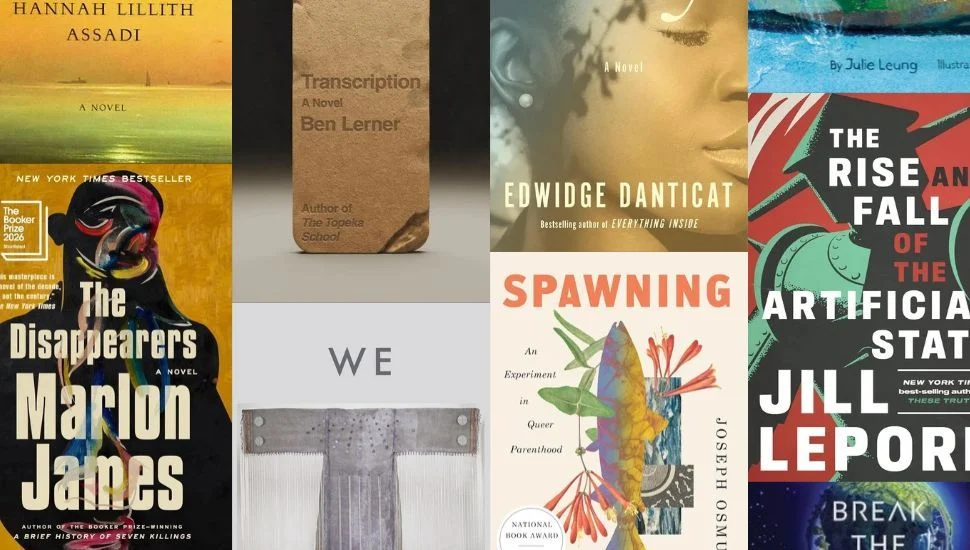
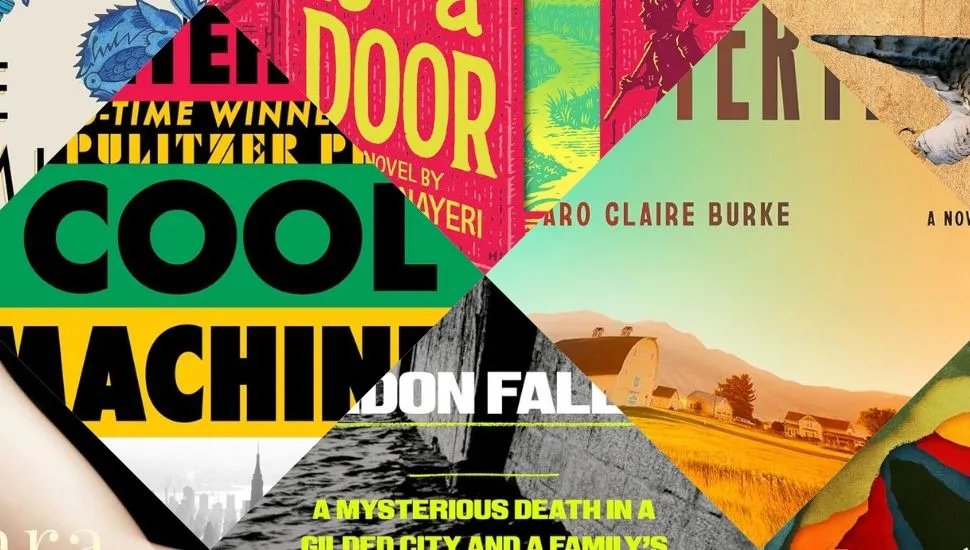
As the halfway point of 2026 approaches, literary critics and avid readers alike are turning their attention to the curated lists that define the year’s most impactful and talked-about books. The New Yorker, a publication long recognized for its discerning literary commentary, has unveiled its highly anticipated selection of the best books of 2026 thus far. This comprehensive list, compiled by the magazine’s esteemed editors and critics, offers a panoramic view of the literary landscape, highlighting both established voices and promising newcomers across various genres. Simultaneously, The New York Times has released its essential guide to the nonfiction titles poised to dominate summer reading, while a significant development emerges from the public library sector concerning the escalating costs of digital books. These interconnected narratives paint a vivid picture of the current state of publishing, readership, and the evolving challenges and opportunities within the book world.
The New Yorker’s 2026 Selections: A Spectrum of Literary Excellence
The New Yorker‘s annual compilation of the year’s best books to date serves as a bellwether for critical acclaim and reader interest. This year’s list, available for perusal, is notable for its breadth and depth, encompassing a diverse array of literary achievements. Among the highlighted titles are works that have already garnered considerable attention and buzz, such as Douglas Stuart’s latest offering, John of John, a poignant exploration of identity and belonging; Tayari Jones’s Kin, a narrative likely delving into familial relationships and societal dynamics; Patrick Radden Keefe’s London Falling, which suggests a deep dive into historical or contemporary events within the British capital; and Lena Dunham’s Famesick, a title that hints at a candid examination of celebrity and self-perception.
However, the strength of The New Yorker‘s list often lies not only in its inclusion of high-profile releases but also in its championing of lesser-known gems and independent publications. This commitment to a wider spectrum of literary voices ensures that readers are exposed to a richer and more varied reading experience. The selection process, driven by the collective expertise of The New Yorker‘s literary staff, aims to identify books that demonstrate exceptional craft, originality, and cultural resonance.
This year, two particular titles on the list have drawn significant personal interest from observers: Daniyal Mueenuddin’s This Is Where the Serpent Lives, a novel that has also been recognized by The New York Times in their mid-year assessments, indicating a strong consensus on its literary merit. Additionally, Marie Ndiaye’s The Witch, expertly translated by Jordan Stump, makes a notable appearance. Ndiaye is a celebrated French author whose work often explores complex psychological themes, and the inclusion of her translated novel underscores the growing international reach and appreciation of global literature within the American literary sphere. The presence of these books on The New Yorker‘s list solidifies their status as significant literary events of 2026.
Summer’s Nonfiction Must-Reads: The New York Times Unveils its Picks
Complementing the broader literary survey, The New York Times has strategically released its selection of the most compelling nonfiction titles for the summer of 2026. This annual feature aims to guide readers toward books that promise intellectual stimulation, engaging narratives, and timely insights during the warmer months, typically from June through August. The selected works span a range of subgenres, including memoirs, insightful guidebooks, and in-depth biographies, reflecting the multifaceted nature of nonfiction writing and its capacity to illuminate diverse aspects of human experience and the world around us.
Among the standout selections are several that promise to be particularly resonant. Nephi Craig’s culinary memoir, Our Knives Will Save Us: Dispatches from a White Mountain Apache Chef, offers a unique perspective from an Indigenous chef, likely blending personal narrative with cultural heritage and the art of cooking. The book’s publication date of July 14, 2026, places it squarely within the summer reading window.
Another significant inclusion is Elizabeth Stordeur Pryor’s Something We Said: Richard Pryor, a Notorious Word, and Me. This work, published on June 2, 2026, delves into the complex legacy of the iconic comedian Richard Pryor, with the author’s scholarly background suggesting a rigorous and insightful examination of language, race, and culture. The subtitle itself hints at a deeply personal and analytical engagement with the subject matter.
Rounding out the notable picks is Joshua Jelly-Schapiro’s Daylight Come: Harry Belafonte and the World He Made, scheduled for release on August 4, 2026. This biography of the legendary entertainer and activist Harry Belafonte is poised to explore not only his artistic contributions but also his profound impact on social and political movements. The title suggests a comprehensive look at his life and the broader historical context in which he operated. These selections from The New York Times underscore a trend towards deeply personal narratives, explorations of cultural figures, and works that engage with significant social and historical themes, all while providing rich material for thoughtful summer contemplation.
Public Libraries Advocate for Sustainable E-Book Pricing Models
In parallel to the literary discourse, a critical issue affecting the accessibility of books is being addressed by public library organizations across the United States and Canada. A coalition of these institutions has formally urged the "Big Five" major publishing houses to re-evaluate their e-book pricing strategies. The core of their concern lies in the perceived unsustainability and, in many cases, outright inaccessibility of current pricing models, particularly for smaller and rural library systems.
Kate Laughlin, executive director of the Association for Rural and Small Libraries, articulated the collective sentiment, emphasizing that the escalating costs associated with digital book licensing are becoming a significant barrier. Libraries, which serve as vital public resources for information and literary access, are finding it increasingly challenging to meet the growing demand for e-books and audiobooks at the prevailing price points. This demand has seen a marked increase in recent years, driven by shifts in consumer reading habits and the convenience offered by digital formats.
The letter signed by these library organizations advocates for an open and collaborative dialogue aimed at developing solutions that would benefit all stakeholders: patrons, publishers, and libraries themselves. The current model, where e-books and audiobooks often command higher prices than their physical counterparts, coupled with restrictive licensing agreements, creates a financial strain that impacts the ability of libraries to provide equitable access to a diverse range of digital content. The library community believes that a more equitable and sustainable pricing structure would not only alleviate financial pressures on institutions but also enhance the reach and availability of literary works to a broader public, fostering a more robust and inclusive reading culture. This push for reform highlights the dynamic interplay between technological advancements, economic realities, and the fundamental mission of public libraries in an evolving media landscape.
Navigating the Classics: Resources for Aspiring Literati
For individuals who aspire to deepen their literary knowledge and engage with the canon of classic literature, resources are available to help bridge the gap. Recognizing that the journey to becoming well-read can sometimes feel daunting, various platforms are offering guidance and curated lists. These resources aim to demystify the process of approaching canonical works, providing both motivational support and practical pathways for exploration.
A comprehensive collection of classic and contemporary must-reads has been compiled, offering readers a structured approach to engaging with influential literary works. These lists are often accompanied by helpful guides designed to facilitate comprehension and appreciation of complex texts. The goal is to empower readers to embark on their literary journeys with confidence, providing them with the tools and recommendations necessary to navigate the vast landscape of literary history. This initiative underscores a growing awareness of the importance of literary literacy and the desire to make the study and enjoyment of classic literature more accessible to a wider audience.
Implications and Future Outlook
The convergence of these literary and industry developments in mid-2026 points to several key trends and potential future trajectories. The New Yorker‘s extensive best-of list suggests a continued appreciation for both established literary voices and emerging talents, indicating a healthy and diverse publishing ecosystem. The inclusion of translated works further signals a broadening of literary horizons and a greater international exchange of cultural narratives.
The New York Times‘ focus on summer nonfiction highlights the enduring appeal of personal stories, historical explorations, and works that engage with contemporary social issues. This emphasis on narrative depth and intellectual substance in nonfiction reflects a discerning readership eager for books that inform and provoke thought.
Perhaps the most significant development, however, is the active advocacy by public libraries regarding e-book pricing. This issue is not merely an economic concern; it is a matter of equitable access to information and culture in the digital age. The current pricing models for e-books, often characterized by higher costs and restrictive licensing, present a tangible challenge to the foundational mission of libraries. The ongoing negotiations and discussions between libraries and major publishers will likely shape the future of digital lending and the accessibility of literary content for millions of patrons. The outcome of these conversations could lead to more sustainable pricing structures, improved licensing agreements, and ultimately, a more equitable digital library landscape.
Furthermore, the availability of resources aimed at encouraging the reading of classics speaks to a persistent cultural value placed on literary heritage. As the publishing industry continues to adapt to digital transformation and evolving reader preferences, the demand for curated literary experiences and accessible pathways to engagement with significant works of literature remains strong. The interplay of critical acclaim, reader interest, and industry-wide challenges will undoubtedly continue to shape the literary landscape for the remainder of 2026 and beyond.