
 Ali Ikhwan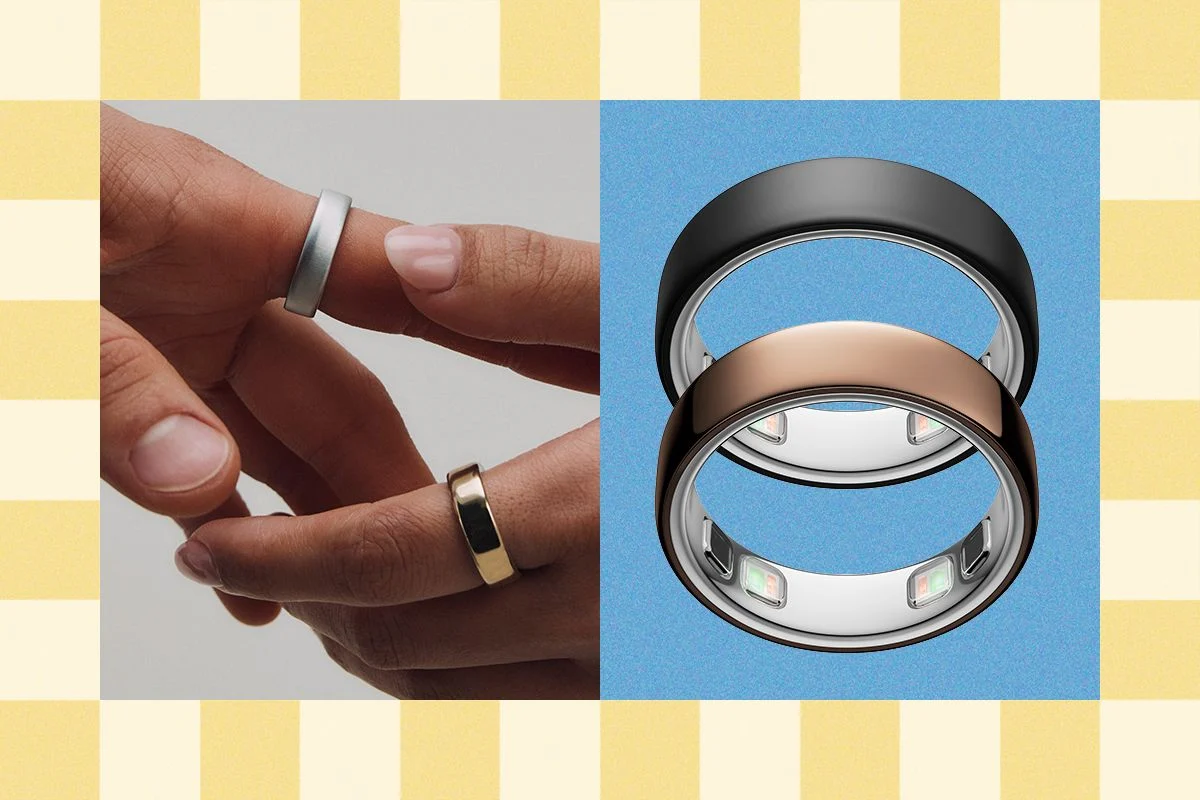
Finnish health technology pioneer Oura has officially unveiled the Oura Ring 5, marking a significant milestone in the evolution of wearable technology by drastically reducing the device’s physical footprint while expanding its diagnostic capabilities. Two years after the debut of the Oura Ring 4, the company’s latest flagship arrives at a critical juncture for the industry, facing intensified competition from major players like Samsung and the newly released Fitbit Air. The Oura Ring 5 is positioned as more than a simple fitness tracker; it represents a pivot toward a comprehensive, AI-driven personal health platform that integrates clinical-grade insights with daily wellness management.
The Oura Ring 5 is available for preorder starting today, with shipping scheduled to commence on June 4. The base models in silver and black are priced at $399, while premium finishes—including Stealth, Brushed Silver, an updated Gold, and a new Deep Rose—retail for $499. Maintaining its recurring revenue model, Oura’s subscription remains at $6 per month or $70 annually. In a move to increase accessibility within the United States healthcare ecosystem, the ring, its new portable charging case, and the annual membership are all eligible for reimbursement through Health Savings Accounts (HSA) and Flexible Spending Accounts (FSA).
Engineering Miniaturization and the Pursuit of Biometric Fidelity
The most striking physical attribute of the Oura Ring 5 is its size. Measuring 6.09 mm in width and 2.28 mm in thickness, the device is 40 percent smaller than its predecessor. This reduction in volume is a significant engineering feat, as smart rings are notoriously difficult to shrink without sacrificing battery life or sensor accuracy. Oura has addressed this by redesigning the interior architecture, utilizing a titanium exterior reinforced with a new physical vapor deposition (PVD) coating to enhance scratch resistance. The device maintains an IP68 rating, ensuring it is dustproof and water-resistant up to 100 meters.

Despite the reduced dimensions, Oura claims the Ring 5 offers superior performance compared to previous generations. The internal hardware features LEDs that are four times more powerful than those in the Ring 4. These sensors are positioned closer to the skin to improve signal-to-noise ratios, which is vital for capturing high-fidelity data through various skin tones and finger shapes. The ring incorporates 12 independent signal pathways, a design choice intended to mitigate the data gaps often caused by the ring shifting on the finger during sleep or vigorous activity.
Battery performance has also seen a marginal but important improvement. While the Ring 4 typically lasted between five and eight days, the Ring 5 is rated for six to nine days on a single charge. This longevity is supported by a new $99 portable Charging Case, which holds enough power for five full charges, effectively extending the ring’s autonomy for up to a month during travel.
A Decade of Evolution: The Oura Chronology
The launch of the Ring 5 is the culmination of a decade-long trajectory for the Oulu-based company. Founded in 2013, Oura initially focused almost exclusively on sleep tracking, carving out a niche as the "invisible" alternative to bulky wrist-based wearables.
- 2015: Oura launches its first-generation ring via a successful Kickstarter campaign, focusing on sleep quality and readiness scores.
- 2018: The Heritage and Balance designs (Gen 2) are introduced, significantly thinning the profile and improving battery life.
- 2021: The Oura Ring Gen 3 introduces 24/7 heart rate monitoring and blood oxygen sensing, marking the company’s transition into a full-day wellness tracker.
- 2022-2023: Oura expands into women’s health with period prediction and partnerships with Natural Cycles, while also launching the Oura Ring 4.
- 2024: The Oura Ring 5 arrives, integrating large-language-model (LLM) AI and clinical partnerships to move from data collection to active health advocacy.
This timeline illustrates a clear shift in the wearable market. Where early devices were novelty items for "quantified self" enthusiasts, the Oura Ring 5 is designed to function as a bridge between consumer tech and the professional medical community.
%2520SOURCE%2520Oura.jpg)
The AI Frontier: Oura Advisor and Clinical Integration
The software ecosystem accompanying the Ring 5 represents the most aggressive update in the company’s history. Central to this is Oura Advisor, an AI-powered assistant built on proprietary large language models. Rather than simply presenting charts of heart rate variability (HRV) or REM sleep cycles, the Advisor provides proactive, conversational guidance. It analyzes a user’s biometric trends to suggest behavioral changes, such as adjusting caffeine intake based on poor sleep patterns or recommending a rest day when readiness scores drop.
To bolster the credibility of these AI suggestions, Oura has partnered with Counsel Health. This integration allows users to connect with licensed physicians directly through the Oura app. Subscribers can ask health-related questions that are processed by AI for context and then reviewed or addressed by medical professionals. This move mirrors broader industry trends, such as Google’s integration of AI health coaches into the Fitbit and Google Health apps, but Oura’s direct link to clinicians sets a new precedent for the smart ring category.
Fitness tracking has also been overhauled with a "Live Activity" mode. This feature allows users to trigger workouts from their smartphone and view real-time metrics—such as pace, distance, and heart rate—via lock-screen widgets. Recognizing that rings can be cumbersome during heavy weightlifting or "grip-intensive" sports, Oura now allows the app to sync with third-party heart-rate monitors. This ensures that a user’s "Readiness" and "Activity" scores remain accurate even if the ring is temporarily removed.
Preventive Health and the Health Radar Initiative
Oura is increasingly positioning its hardware as a preventive diagnostic tool. The new "Health Radar" feature builds upon the "Symptom Radar" released earlier this year. It continuously monitors for subtle biometric deviations that might precede the onset of illness or chronic conditions.
%2520SOURCE%2520Oura.jpg)
Two primary functions lead the Health Radar suite:
- Blood Pressure Signals: While the ring does not provide a traditional systolic/diastolic reading like a pressurized cuff, it analyzes arterial waveforms to identify trends correlating with cardiovascular strain. It specifically tracks "Nighttime Blood Pressure," monitoring for the "dipping" effect—a natural drop in blood pressure during sleep. A lack of dipping is often an early indicator of cardiovascular risk that daytime checks might miss.
- Nighttime Breathing: In partnership with ResMed, Oura now provides a 30-day rolling view of breathing disturbances. Users flagged with consistent irregularities are given access to sleep health resources and can be connected to providers for formal sleep apnea screenings.
Addressing Metabolic Health and the GLP-1 Era
In response to the global surge in the use of GLP-1 medications (such as Ozempic and Wegovy), Oura has introduced dedicated metabolic health tools. Users can now log medication dosages, track specific side effects, and monitor weight changes within the app. By correlating these logs with biometric data like resting heart rate and sleep quality, Oura aims to provide a clearer picture of how these medications affect a user’s overall physiology.
Furthermore, the "Lab Uploads" feature allows users to import blood test results into the Oura platform. By comparing biomarkers like cholesterol or glucose levels against the continuous data collected by the ring, the app creates a "Personal Health Record." This allows for a more holistic view of health that combines long-term clinical data with day-to-day lifestyle metrics.
Market Analysis and the Competitive Landscape
The release of the Oura Ring 5 comes at a time of unprecedented growth in the smart ring sector. According to market research firm Business Research Insights, the global smart ring market was valued at approximately $234 million in 2022 and is projected to reach over $1 billion by 2032.
%2520SOURCE%2520Oura.jpg)
Industry analysts suggest that Oura’s move to a smaller design is a direct response to the "aesthetic barrier" that has previously limited smart ring adoption. "For wearables to achieve mass-market penetration, they must disappear into the user’s daily attire," says technology analyst Sarah Higgins. "Oura’s 40 percent size reduction is a significant step toward making the technology truly ambient."
However, Oura faces stiff competition. The Samsung Galaxy Ring offers deep integration with the Android ecosystem, and the Fitbit Air leverages Google’s vast data processing capabilities. Oura’s strategy to remain competitive relies on its "platform-agnostic" nature—working equally well with iOS and Android—and its deep focus on specialized health metrics like its proprietary women’s health AI model.
Privacy and Data Sovereignty
As health wearables collect increasingly sensitive information, data privacy has become a primary concern for consumers. Oura has introduced a new time-based "Data Deletion" feature, allowing users to erase specific windows of data without losing their entire historical record. This is particularly relevant in the current legal climate regarding reproductive health data. The company has also implemented more granular controls, allowing members to opt-out of specific data-sharing agreements with third-party researchers or insurance providers.
Future Outlook
The Oura Ring 5 represents a maturation of the smart ring from a niche peripheral to a central hub for personal health informatics. By combining advanced miniaturization with AI-driven clinical insights and metabolic tracking, Oura is betting that consumers are ready for a wearable that does not just track their past behavior but actively manages their future health. As the device begins shipping in June, the industry will be watching closely to see if Oura’s "minimalist hardware, maximalist software" approach can maintain its dominance in an increasingly crowded market.







