Angie Faith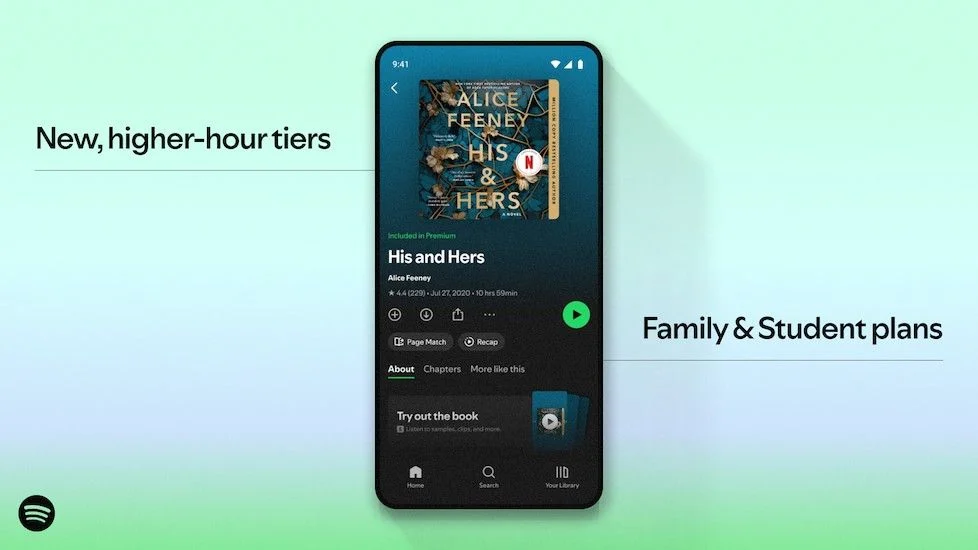
Spotify’s ambitious foray into the audiobook market is demonstrably gaining traction, with a substantial portion of its user base newly engaging with the format, according to key disclosures made during the company’s annual Investor Day presentations on May 21, 2026. The streaming giant revealed that nearly half of its audiobook consumers are first-time listeners to the medium, a significant indicator that the integration of audiobooks into Spotify Premium has successfully broadened its appeal beyond existing audiobook enthusiasts. This burgeoning engagement is poised to drive further innovation and expansion of Spotify’s audiobook offerings, with plans for new subscription tiers and the introduction of Family and Student plans later in the year.
Investor Day Highlights: A Turning Point for Spotify Audiobooks
The annual Investor Day is a crucial event where Spotify leadership outlines its strategic vision, financial performance, and future product roadmap to investors, analysts, and the media. This year’s presentation, held on May 21, 2026, was particularly significant for its revelations about the audiobook segment. The company, which has been steadily investing in expanding its content library beyond music and podcasts, positioned audiobooks as a key pillar of its growth strategy. The data presented suggests these investments are beginning to yield substantial returns, primarily through increased user engagement and the acquisition of new listeners to the audiobook format.
The Power of Integration: Bringing New Listeners to Audiobooks
A pivotal takeaway from the Investor Day was the statistic revealing that almost 50% of Spotify’s audiobook consumers are individuals who had never previously engaged with audiobooks before their inclusion within Spotify Premium. This suggests that Spotify’s vast existing subscriber base, accustomed to its seamless audio streaming experience, has been effectively introduced to a new form of content without the friction typically associated with adopting a new platform or subscription service.
Historically, the audiobook market has been dominated by dedicated platforms like Audible, which require separate subscriptions and often distinct user interfaces. By integrating audiobooks directly into the familiar Spotify app, the company has lowered the barrier to entry considerably. This strategy appears to be resonating with a broader audience, many of whom may have been curious about audiobooks but deterred by the perceived complexity or cost of specialized services. The ability to access audiobooks alongside their existing music and podcast libraries within a single app offers a compelling value proposition.
Growth Trajectory and Future Expansion
The success of the current audiobook integration, branded as Audiobooks+, has prompted Spotify to accelerate its development in this area. The company announced plans to introduce new subscription tiers designed to cater to varying levels of listening needs. While specific details regarding the exact number of additional listening hours or pricing structures for these new tiers were not fully disclosed, the announcement signals a commitment to offering more flexible and tailored options for audiobook consumers. This could range from increased monthly listening allowances to potentially unlimited access for higher-tier subscribers.
Furthermore, Spotify intends to expand its subscription model to include Family and Student plans for audiobooks later in 2026. This move is a strategic attempt to capture different demographic segments and leverage existing family and student subscription structures for music and podcasts. Family plans, typically allowing multiple users within a household to share a subscription, could significantly boost audiobook adoption by making the content more accessible and affordable for families. Similarly, student plans are a well-established strategy for acquiring younger, often more budget-conscious, consumers who may develop lifelong listening habits.
Supporting Data and Market Context
The audiobook market has experienced robust growth in recent years. According to industry reports from organizations like the Audio Publishers Association (APA), audiobook sales have consistently seen double-digit percentage increases year-over-year. For instance, the APA reported a 24.5% net revenue increase for audiobooks in 2023 compared to 2022, reaching an all-time high. This growing market size provides a fertile ground for new entrants and existing players to expand their reach.
Spotify’s entry into this market was a significant disruption. By leveraging its existing subscriber base of hundreds of millions, the company had the potential to rapidly onboard new audiobook listeners. The data presented at Investor Day suggests this potential is being realized. The company’s previous investments in acquiring audiobook content and developing the user experience for listening within its app are now appearing to pay dividends. The initial rollout likely focused on a curated selection of popular titles, with plans to expand the catalog as the service matures and user demand solidifies.
Analysis of Implications: A Shifting Content Landscape
The success of Spotify’s audiobook strategy has several important implications for the broader digital content landscape.
- Increased Competition: Spotify’s growing presence intensifies competition for established audiobook players. While Audible remains a dominant force, Spotify’s integration model could draw users away who prioritize convenience and a unified streaming experience. This may force other platforms to re-evaluate their own integration strategies or subscription models.
- Diversification of Revenue Streams: Audiobooks represent a valuable diversification for Spotify, reducing its reliance solely on music and podcast advertising and subscription revenue. The potential for higher-margin revenue from audiobook sales or premium listening tiers adds a new dimension to its business model.
- Redefining Digital Consumption Habits: By making audiobooks a more accessible and integrated part of a popular entertainment platform, Spotify could be influencing how people consume long-form narrative content. This could lead to more casual listening sessions and a greater appreciation for audio content across different genres and formats.
- Impact on Publishers and Authors: Increased platform reach can translate to greater visibility and sales opportunities for publishers and authors. As Spotify expands its audiobook catalog and user base, it becomes a more significant channel for distributing literary works in audio format. The terms of these partnerships and the royalty structures will be crucial factors for content creators.
Official Statements and Industry Reactions (Inferred)
While direct quotes from competitors or authors were not part of the initial announcement, the trend of major tech companies expanding into diverse content verticals suggests a general awareness and potential adaptation within the industry. Competitors like Apple Books and Google Play Books, which also offer audiobooks, will likely monitor Spotify’s progress closely. Publishers, on the other hand, have generally welcomed new distribution channels that can broaden their audience reach. The emphasis on "Audiobooks+" suggests a proprietary branding that aims to differentiate Spotify’s offering, potentially through exclusive content or enhanced features.
The strategic importance of audiobooks for Spotify cannot be overstated. In a highly competitive streaming market, differentiation is key. By successfully integrating and expanding its audiobook offerings, Spotify is not only tapping into a growing market but also reinforcing its position as a comprehensive audio entertainment hub. The upcoming introduction of Family and Student plans indicates a clear strategy to embed audiobooks into the daily routines of a wider demographic, potentially creating long-term loyalty and a significant new revenue stream. As Spotify continues to evolve its platform, the audiobook segment is poised to play an increasingly vital role in its overall growth and success.