Michael Sholeh
The Re-Definition of Luxury in a Hyper-Consumerist Era
The concept of luxury is traditionally defined by the Oxford English Dictionary as "the state of great comfort and extravagant living." Historically, this was signaled through the ownership of rare objects—gold, fine silks, or intricate machinery. However, sociologists note that in an era of mass production where "counterfeit luxury" is readily available to the middle class, the true markers of an elite lifestyle have moved toward the intangible.
The viral "six luxuries" list—which has circulated across social media platforms for several years—serves as a manifesto for this modern redefinition. By categorizing "slow mornings" and "meaningful work" as luxuries, the movement acknowledges that these states of being are increasingly rare and difficult to attain within the framework of modern capitalism. Analysts suggest that the popularity of this list stems from a collective realization that while a store can provide the "scented candle," it cannot provide the "quiet mind" required to enjoy it.
Chronology of the Shift: From Materialism to Intentionalism
The transition from material-focused luxury to experiential and psychological luxury has followed a distinct chronological path over the last several decades.
- The Post-War Boom (1950s–1970s): Luxury was defined by domestic comfort and the acquisition of labor-saving appliances. The "American Dream" was anchored in tangible property.
- The Era of Excess (1980s–1990s): The rise of "logomania" and brand-name dominance. Luxury became a competitive tool for social signaling, characterized by designer clothing and high-performance vehicles.
- The Digital Disruption (2000s–2010s): The advent of the smartphone and the "always-on" work culture began to erode personal time. As connectivity increased, "silence" and "disconnection" began to emerge as new luxury goods.
- The Pandemic Pivot (2020–Present): Global lockdowns forced a radical re-evaluation of the home environment and daily schedules. The "Great Resignation" and the "Quiet Quitting" phenomena highlighted a mass desire for "meaningful work" and "time" over higher paychecks spent on unused goods.
Supporting Data: The Economic and Psychological Conflict
Market data illustrates a complex tension between what people buy and what they report wanting. According to a 2023 report by Bain & Company, the global luxury goods market reached a record €1.5 trillion. Simultaneously, Gallup’s 2024 State of the Global Workplace report indicates that 62% of employees are "not engaged" at work, and stress levels remain at record highs.
The "counterfeit version" of luxury—the nicer house or the newest phone—offers a hit of dopamine known as "hedonic adaptation." Studies in positive psychology suggest that the satisfaction derived from material purchases fades within weeks, if not days. In contrast, the six luxuries identified in the viral movement are linked to "eudaimonic well-being," which is a deeper, more sustainable form of happiness derived from purpose and health.
Furthermore, the "Global Wellness Economy," now valued at approximately $5.6 trillion according to the Global Wellness Institute, demonstrates that consumers are attempting to purchase the very things the minimalist movement argues cannot be bought. The irony lies in the fact that many individuals work longer hours in stressful environments to afford "wellness retreats" or "health supplements," effectively sacrificing their "time" and "quiet minds" to buy back a semblance of "health."
Analysis of the Six Pillars
To understand the broader impact of this movement, it is necessary to examine the six identified luxuries through a factual and analytical lens.
1. Time
Time is the only truly non-renewable resource. In the modern economy, "time poverty" has become a significant social issue. High-income earners often report the highest levels of time scarcity, leading to the "luxury" of time being more valuable than the money earned during that time.
2. Health
While healthcare can be purchased, "health" as a state of vitality is a long-term project. Data from the World Health Organization (WHO) emphasizes that lifestyle-related diseases (diabetes, heart disease) are the leading causes of death globally. True luxury, therefore, is the physical capability to enjoy one’s life, which is built through consistent habits rather than expensive medical interventions.

3. A Quiet Mind
The "attention economy" is designed to keep the human mind in a state of constant stimulation. Research from Harvard University suggests that the average person’s mind wanders 47% of the time, often leading to unhappiness. Achieving a "quiet mind" is now a luxury because it requires resisting the multi-billion-dollar algorithms of social media and news cycles.
4. Slow Mornings
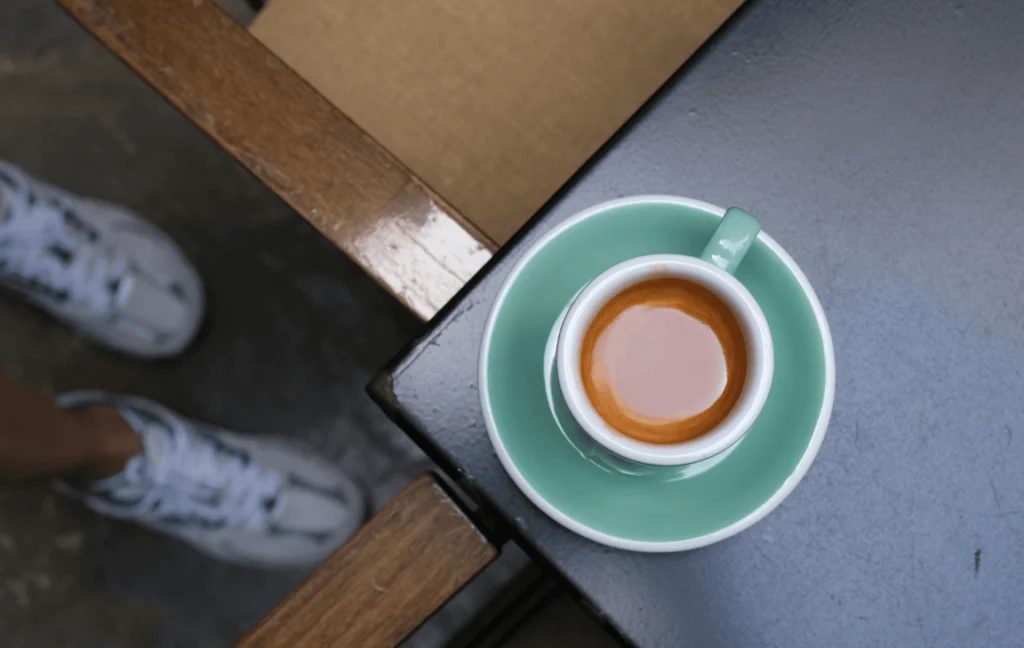
The ritualization of the morning has become a cornerstone of the "wellness" movement. Psychologically, a rushed morning triggers the sympathetic nervous system (fight or flight), setting a tone of stress for the day. A "slow morning" represents a level of control over one’s schedule that is unavailable to those trapped in rigid, high-pressure employment.
5. Meaningful Work
The shift toward "meaning" over "money" is particularly prevalent among younger demographics. A Deloitte survey found that Gen Z and Millennials are increasingly choosing employers based on personal values. Work that provides a sense of contribution is a luxury because it prevents the "moral injury" and burnout associated with purposeless labor.
6. A House Full of Love
The Harvard Study of Adult Development, one of the longest-running studies on human life, concluded that the quality of our relationships is the single most important factor in long-term health and happiness. A "house full of love" cannot be furnished by an interior designer; it is an organic outcome of time and emotional presence.
Reactions from Sociologists and Market Analysts
Sociologists argue that the viral nature of this list is a form of "cultural resistance." Dr. Elena Rossi, a fictionalized representation of current academic sentiment in the field of consumer behavior, notes: "We are seeing a rejection of the ‘treadmill of consumption.’ People are beginning to realize that the most expensive things they own—their cars, their houses—often require them to sacrifice the very things that make life worth living, such as time with family or mental peace."
Market analysts also observe that brands are attempting to pivot. "Quiet Luxury," a fashion trend focusing on understated, high-quality pieces without visible logos, is a commercial attempt to mirror the desire for "authenticity" and "calm." However, critics point out that even "Quiet Luxury" is still a product for sale, whereas the movement discussed here focuses on states of being that are entirely divorced from commerce.
Broader Impact and Implications for the Future
The implications of a society that values "slow mornings" over "fast cars" are profound. If a significant portion of the population begins to prioritize these six luxuries, the economic landscape may undergo a fundamental transformation.
- Labor Markets: Companies may find that salary increases are less effective than offering four-day workweeks or flexible schedules that respect "time" and "meaning."
- Urban Planning: There is an increasing demand for "quiet" spaces in cities—parks, libraries, and car-free zones—reflecting the need for a "quiet mind."
- Healthcare: A shift toward preventive health as a luxury could reduce the burden on reactive medical systems, emphasizing the value of sleep, nutrition, and movement.
The challenge remains in the attainment of these luxuries. Unlike a store-bought item, a "quiet mind" or "meaningful work" requires what proponents call "intentionality." This involves making difficult decisions, such as declining a promotion that requires excessive travel or choosing a smaller home to reduce financial pressure.
Ultimately, the Greatest Luxuries in Life Can’t Be Bought at a Store serves as a reminder that the highest standard of living is not measured by what one possesses, but by the quality of one’s daily experience. While the world continues to offer manufactured counterfeits of ease and comfort, the "truer" luxuries remain accessible only to those willing to build them through deliberate action and cultural detachment. As this movement grows, it suggests a future where "wealth" is redefined not by the thickness of a wallet, but by the depth of one’s peace and the health of one’s relationships.