
 Ali Ikhwan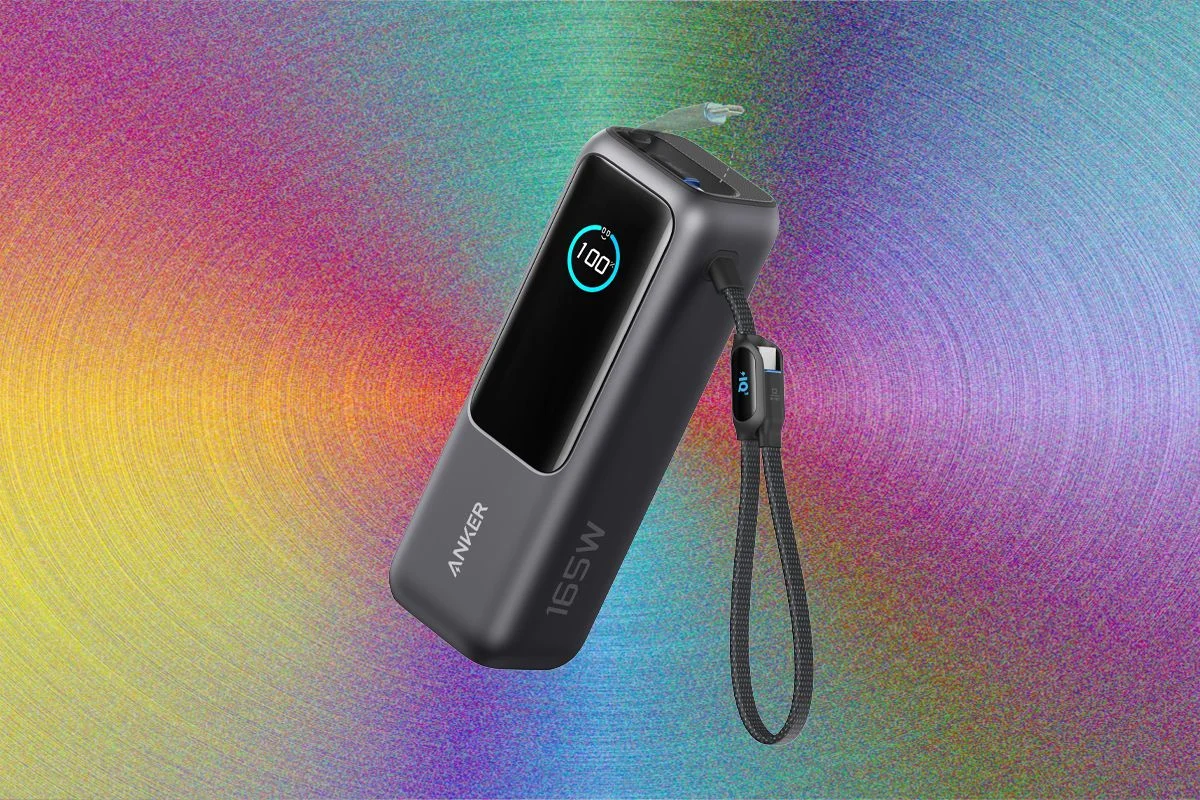
The global portable power market has undergone a significant transformation as consumer electronics demand higher wattage and more efficient energy delivery. As smartphones, tablets, and high-performance laptops become integral to both professional and personal life, the reliance on external power sources has reached an all-time high. Modern power banks are no longer simple batteries; they are sophisticated power management systems capable of delivering up to 240 watts of power, utilizing advanced Gallium Nitride (GaN) technology to maintain compact forms while managing heat. Current industry standards focus on the Power Delivery (PD) protocol, specifically PD 3.1, which allows for the charging of power-intensive devices like the 16-inch MacBook Pro at full speed. This shift in technology mirrors a broader trend in the electronics industry toward universal USB-C adoption, spurred in part by European Union mandates and a general move away from proprietary connectors.
Market Overview and Technical Specifications
The effectiveness of a portable charger is primarily determined by its capacity, measured in milliampere-hours (mAh) or watt-hours (Wh), and its output speed, measured in watts (W). However, a persistent point of confusion for consumers is the discrepancy between "stated capacity" and "rated capacity." Due to the laws of thermodynamics and the necessity of voltage conversion—typically from the internal 3.7V of lithium-ion cells to the 5V, 9V, or 20V required by devices—energy is lost as heat. Most high-quality power banks operate at 60 to 80 percent efficiency. Consequently, a 10,000-mAh unit may only deliver approximately 6,000 to 8,000 mAh of actual charge to a device.
Supporting data suggests that the "sweet spot" for most consumers remains the 10,000-mAh to 20,000-mAh range, which balances portability with the ability to provide two to four full smartphone charges. For professionals, the 27,000-mAh threshold is critical, as it represents the upper limit allowed on most commercial aircraft under Federal Aviation Administration (FAA) and International Air Transport Association (IATA) guidelines, which restrict lithium-ion batteries to 100 watt-hours.
Evaluations of Ultra-Portable Solutions (5,000 mAh)
For users prioritizing pocketability over total capacity, the 5,000-mAh segment offers "emergency" power intended to bridge the gap until a wall outlet is available.
The Clutch Pro stands out in this category for its "credit card" form factor. Measuring approximately the thickness of a small stack of cards, it is designed for users who require a svelte backup that can reside in a wallet or a small evening bag. While its capacity is modest, its utility lies in its unobtrusiveness. Similarly, the Anker Nano Power Bank addresses the "cable clutter" problem by integrating a foldable USB-C or Lightning connector directly into the chassis. This design allows the charger to slot into the bottom of a phone, effectively becoming an extension of the device.
In the specialized ultra-portable market, the BMX SolidSafe Air Power Bank utilizes the Qi2 wireless charging standard. Qi2, which incorporates magnets for precise alignment, allows for 15-watt wireless charging, effectively doubling the speed of standard Qi charging for many devices. This model specifically markets enhanced safety features and reduced thermal risk, addressing long-standing consumer concerns regarding wireless charging heat.
Mid-Range Performance and Versatility (10,000 to 20,000 mAh)
The mid-range segment is the most competitive area of the market, featuring a diverse array of designs ranging from rugged outdoor units to high-speed modular chargers.
The Anker Nano Power Bank with Instacord introduces a 2.3-foot retractable cable, a feature that addresses the common pain point of losing or forgetting charging cables. With a 45-watt output, it is capable of fast-charging most modern smartphones and even providing a slow charge to smaller laptops.
From a sustainability perspective, the Gomi Power Bank represents a niche but growing trend toward "circular" electronics. Hand-assembled in Brighton, UK, these units are constructed from recycled plastic and repurposed battery cells. Gomi claims a 50 percent reduction in carbon dioxide emissions compared to standard manufacturing processes. While priced at a premium ($95), it appeals to the environmentally conscious consumer.
For users requiring high speed in a small frame, the Ugreen Nexode Power Bank (20,000 mAh) is an outlier, offering up to 100 watts of output. This is sufficient to charge a MacBook Pro or a high-end Dell XPS at near-optimal speeds, a feat previously reserved for much larger "brick" style chargers.

High-Capacity Workstations and Flight-Ready Power (20,000 mAh and Above)
As the industry moves toward "desktop replacement" laptops, power banks have evolved into portable workstations. These devices often feature multiple USB-C ports and sophisticated LED displays that provide real-time data on input and output wattage.
The Ecoflow Rapid Pro Power Bank is a flagship in this category, delivering a combined 300 watts across its ports. It features a retractable 2-foot cable and three USB-C ports (140W, 65W, 65W), allowing it to power two laptops and a phone simultaneously. Similarly, the Aohi Starship Power Bank adopts a futuristic aesthetic reminiscent of sci-fi cinema, but its performance is grounded in high-end specs: 240 watts of total output and a 40,000-mAh capacity in its largest configuration.
Anker’s Prime Power Bank (26,250 mAh) further integrates smart technology, offering app control and a sophisticated display. This model is designed for power users who need to monitor battery health and discharge rates precisely. It serves as a bridge between a standard portable charger and a small power station.
Specialized Use Cases: Travel, Rugged, and Automotive
Beyond standard consumer electronics, manufacturers are developing chargers for specific environments.
- Travel-Specific Chargers: The Infinacore P3 Pro and the Statik SmartCharge 5-in-1 are designed for international transit. These units often include interchangeable wall plugs (UK, EU, AU) and can function as both a wall adapter and a portable battery. The Statik model includes built-in cables for both USB-C and Lightning, ensuring compatibility regardless of the device.
- Ruggedized Units: The Elecom Nestout Rugged Power Bank is designed for camping and hiking. It features an IP67 rating, meaning it is dust-tight and can withstand immersion in water up to one meter for 30 minutes. Its chassis includes shock absorbers and screw-on caps for the ports to prevent debris ingress.
- Automotive Backup: The Noco Boost Plus GB40 represents a hybrid category. While it functions as a standard 12,000-mAh power bank for phones, its primary purpose is as a 1,000-amp jump starter for vehicles. It can start gasoline engines up to six liters, providing a critical safety tool for motorists.
- Mini-Power Stations: The Anker Solix C300 DC sits at the edge of the portable charger category. With a 90,000-mAh capacity, it is essentially a small power station with a carrying strap and a built-in lantern, intended for long-term power outages or multi-day camping trips.
Safety Standards and Regulatory Compliance
The history of lithium-ion batteries is punctuated by safety concerns, most notably the 2016 Samsung Galaxy Note 7 recalls, which served as a catalyst for stricter industry regulations. Modern, reputable power banks now incorporate multiple layers of protection, including Over-Current Protection (OCP), Over-Voltage Protection (OVP), and Short-Circuit Protection (SCP).
Industry analysts emphasize the importance of purchasing from brands that adhere to UL (Underwriters Laboratories) or CE (Conformité Européenne) standards. Cheap, unbranded chargers often bypass these safety protocols to reduce costs, leading to risks of "thermal runaway"—a state where a battery enters an uncontrollable, self-heating cycle that can lead to fire or explosion.
Regarding air travel, the 100-Wh limit remains the standard. Users carrying batteries between 100 Wh and 160 Wh must typically obtain prior airline approval, and any battery exceeding 160 Wh is generally prohibited from passenger aircraft. Furthermore, all lithium batteries must be kept in carry-on luggage to ensure that, in the unlikely event of a fire, the cabin crew can access and extinguish it.
Testing Methodology and Consumer Guidance
Long-term evaluations of these devices involve rigorous "real-world" testing cycles. This includes measuring the number of full charges delivered to flagship devices such as the iPhone 16 or Samsung Galaxy S24+, as well as monitoring the time required to recharge the power bank itself. High-capacity units that lack high-speed input can take over 12 hours to recharge, a significant drawback for travelers on tight schedules.
Consumers are advised to avoid chargers that exhibit the following traits:
- Inaccurate Displays: Low-quality units often have percentage indicators that drop precipitously once they fall below 20 percent.
- Slow Pass-Through Charging: While pass-through charging (charging the bank and a device simultaneously) is convenient, it can generate excessive heat and degrade battery health if the power management system is poorly designed.
- Bulk Without Benefit: Some chargers use older, less dense battery cells, resulting in a larger footprint without an increase in capacity.
As the electronics landscape continues to evolve toward higher power requirements, the portable charger remains an essential accessory. By understanding the technical nuances of wattage, capacity, and safety standards, consumers can select a device that not only keeps their hardware running but does so with reliability and efficiency.







