
 Ali Ikhwan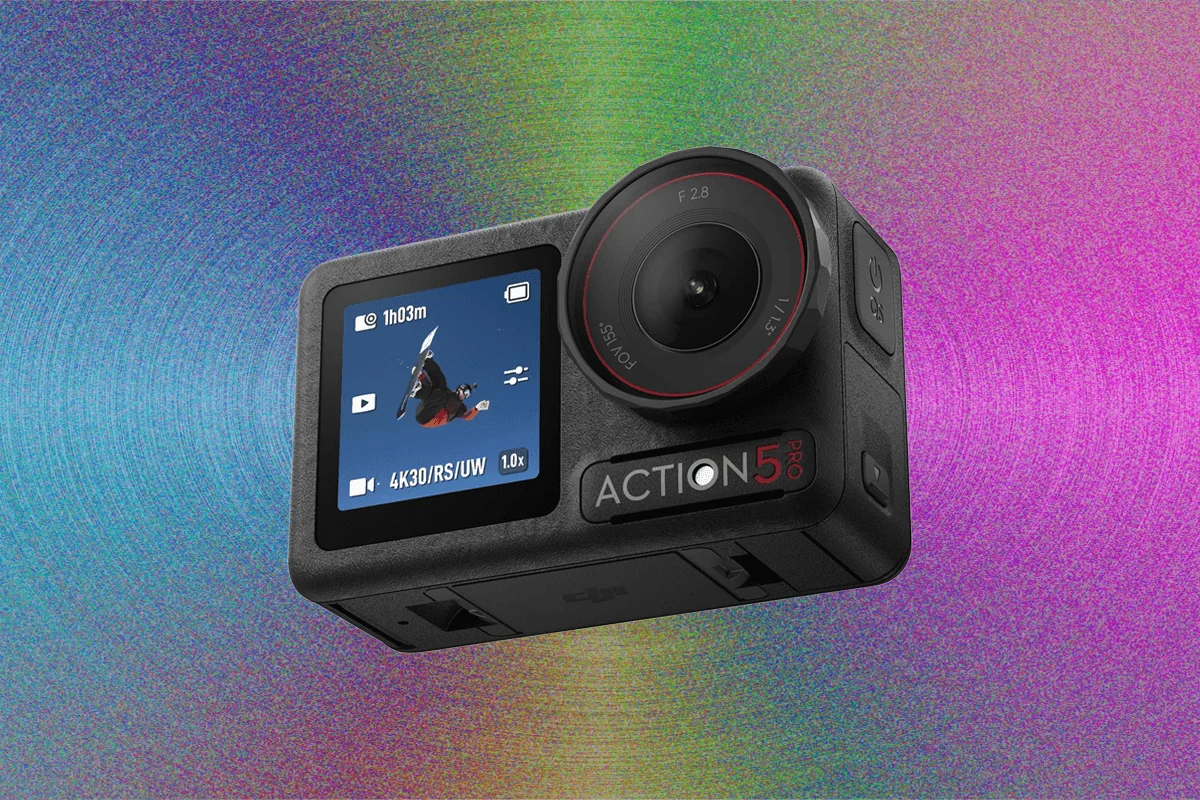
The global action camera market has undergone a significant transformation over the last decade, evolving from a niche segment for extreme athletes into a cornerstone of the broader digital imaging industry. As of 2024, the market is characterized by a stark divide between premium flagship devices from established manufacturers such as GoPro, DJI, and Insta360, and a proliferating category of budget-friendly alternatives frequently found on major e-commerce platforms like Amazon. While the price discrepancy between a $400 flagship and a $100 generic 4K camera is substantial, industry analysis suggests that the true value of these devices lies not in their raw resolution, but in the sophisticated software ecosystems and hardware durability that define the high-end experience.
The Technological Gap: Stabilization and Software Integration
The primary differentiator in the modern action camera landscape is the implementation of Electronic Image Stabilization (EIS). While budget cameras often advertise "4K resolution," they frequently lack the processing power required to stabilize footage captured during high-impact activities such as skydiving, rock climbing, or mountain biking. Premium manufacturers have invested heavily in proprietary stabilization technologies—GoPro’s HyperSmooth, DJI’s RockSteady, and Insta360’s FlowState—which utilize advanced algorithms and gyroscopic data to crop and align frames in real-time.
Without these high-level stabilization protocols, 4K footage remains virtually unwatchable due to excessive jitter and motion blur. For consumers, the choice often comes down to the utility of the final product; analysts suggest that an older flagship model, such as the GoPro Hero 11 or 12, purchased at a discount, provides significantly higher utility than a new budget-tier camera. The cost of entry for a functional action camera is effectively determined by the software’s ability to render shaky motion into a cinematic narrative.

A Chronology of Action Camera Innovation
The trajectory of the action camera began in 2004 with the release of the original GoPro HERO, a 35mm film camera designed for surfers. The subsequent two decades have seen a rapid succession of technological milestones that have redefined the category.
- 2004–2010: The transition from film to digital (SD) and eventually to 1080p High Definition.
- 2012: The release of the GoPro HERO3, which introduced 4K recording capabilities, albeit at low frame rates.
- 2016–2018: The entry of DJI and Insta360 into the market. DJI leveraged its gimbal expertise to challenge GoPro’s dominance, while Insta360 pioneered the consumer 360-degree video movement.
- 2019: The introduction of high-refresh-rate stabilization. This era marked the point where mechanical gimbals became largely unnecessary for standard action shots.
- 2022–2024: The focus shifted toward sensor size (1-inch sensors), improved low-light performance, and AI-assisted editing workflows. The launch of the GoPro Hero 13 and the Insta360 Ace Pro 2 represents the current pinnacle of this evolution, incorporating HDR video and sophisticated thermal management.
Critical Infrastructure: The Role of High-Performance Storage
A recurring point of failure for novice users is the selection of inadequate storage media. Modern action cameras record at high bitrates—often exceeding 100 Mbps—to preserve detail in fast-moving scenes. This requires microSD cards with high sustained write speeds, typically rated at Video Class 30 (V30) or higher.
Industry standards point to three primary manufacturers for reliable action camera storage: SanDisk, Samsung, and Lexar. The SanDisk Extreme series is frequently cited for its environmental resilience, featuring waterproof and shockproof ratings that align with the rugged nature of the cameras themselves. For users requiring higher capacities, 512-GB cards have become the industry standard for multi-day expeditions. Technical testing indicates that the Samsung Pro Plus series offers slightly faster data transfer speeds during the offloading process, which is critical for professional workflows. Specialized recommendations also exist for specific hardware; for instance, DJI officially endorses the Lexar Professional Silver Plus for its Action series to ensure compatibility with the device’s specific file-writing architecture.
Expanding the Utility: The Accessory Ecosystem
The hardware itself is only one component of a successful filming setup. The versatility of an action camera is unlocked through an ecosystem of mounts and modules designed for specific environments.
-Reviewer-Photo-SOURCE-Sam-Kieldsen.jpg)
Audio Integration and the Media Mod
Standard action camera audio is often compromised by wind noise and the waterproof housing’s density. To counteract this, GoPro introduced the Media Mod, a wrap-around housing that includes a directional microphone and, more importantly, a 3.5mm microphone jack. This allows creators to utilize professional-grade external microphones. While the Media Mod improves audio quality marginally on its own, its primary function is serving as an interface for high-fidelity audio capture in controlled environments, though it is not recommended for high-velocity activities like skydiving where wind resistance is a factor.
Specialized Mounting Solutions
Mounting technology has evolved beyond simple adhesive pads. Current industry favorites include the handlebar/seatpost pole mount, which utilizes a clamping mechanism to secure cameras to round objects like ski poles or bicycle frames. For high-vibration environments, such as motorcycling, manufacturers like Insta360 have developed heavy-duty accessory bundles. These clamps are engineered to provide a "vice-like" grip, ensuring that the camera remains stationary despite the centrifugal forces and vibrations inherent in high-speed transit.
Optical Enhancement through Filters
Professional videography often requires the use of Neutral Density (ND) and Polarizing filters. Polarizers are essential for shooting near water or glass, as they eliminate glare and increase color saturation. ND filters, conversely, act as "sunglasses" for the camera, allowing for slower shutter speeds in bright conditions. This is necessary to achieve "motion blur," which makes video appear more natural to the human eye.
The GoPro Hero 13 has introduced a significant advancement in this area with "Smart ND filters," which automatically communicate with the camera’s processor to adjust settings based on the filter’s strength. This removes the "trial and error" traditionally associated with manual exposure settings in action sports.

Safety and Recovery in Marine Environments
Given the high cost of flagship units, recovery accessories have become a mandatory consideration for water-based activities. The "Floaty"—a high-visibility orange buoyant case—is designed to keep cameras on the surface if they become detached from a mount. While GoPro has led the market in this accessory, competitors like Insta360 have recently introduced the Float Guard for the Ace Pro 2. The lag in accessory availability for newly released models, such as the DJI Action 6, remains a temporary hurdle for early adopters, highlighting the importance of the secondary market for protective gear.
Industry Implications and Market Outlook
The continued dominance of high-end brands despite the availability of cheap alternatives suggests that the consumer market prioritizes reliability and output quality over initial cost savings. From a journalistic perspective, the "Amazon effect"—where low-cost, low-quality goods flood the market—has not significantly eroded the market share of premium action camera brands. Instead, it has reinforced the value of research and development in software stabilization.
The broader impact of this technology extends beyond recreational use. Action cameras are increasingly utilized in professional journalism, law enforcement, and search-and-rescue operations due to their durability and wide-angle perspective. The shift toward AI-integrated editing—where the camera automatically identifies "highlight" clips—is expected to be the next major frontier, further widening the gap between professional-grade equipment and budget imitations.
In summary, the action camera market in 2024 is defined by a "you get what you pay for" reality. The convergence of high-bitrate recording, AI-driven stabilization, and a robust accessory ecosystem ensures that while cheap alternatives exist, the professional and enthusiast sectors remain anchored to the innovations provided by industry leaders. As sensor technology approaches the limits of physics for small-form-factor devices, the battleground for market supremacy will likely continue to shift toward software intelligence and the seamless integration of hardware into the user’s creative workflow.







