Cintya Tara Annisa
The specialty coffee industry continues to evolve through a sophisticated intersection of agricultural science, culinary experimentation, and technological advancement. In the latest installment of the Coffee Sprudgecast, the flagship media production from the industry news outlet Sprudge, co-hosts Jordan Michelman and Zachary Carlsen provide a comprehensive analysis of these trends by deconstructing one of the world’s most ubiquitous beverages: the vanilla latte. By utilizing high-end components—ranging from co-fermented Colombian beans to specialized plant-based milks—the episode serves as a case study for the "premiumization" of coffee culture. Beyond the beverage itself, the program highlights significant developments from the World of Coffee San Diego, featuring interviews with innovators addressing niche market needs, such as post-consumption oral hygiene, and reviews of the latest home brewing hardware.
The Evolution of the Vanilla Latte: A Culinary Deconstruction
For decades, the vanilla latte has been categorized as a staple of "second-wave" coffee, often dismissed by purists as a mask for lower-quality espresso. However, the current "fourth-wave" movement is reclaiming these classic profiles by applying rigorous quality standards to every ingredient. The deconstructed version presented by Michelman and Carlsen utilizes a synergy of three distinct, high-quality components that reflect broader market shifts toward transparency and flavor complexity.
The foundation of their beverage is a Blackberry Co-ferment from Colombia, roasted by the German-based Supremo Coffee. Co-fermentation represents one of the most significant and controversial technological shifts in modern coffee processing. In this method, fruit or other adjuncts are added to the fermentation tanks alongside the coffee cherries, allowing the yeasts and bacteria to metabolize sugars in a way that infuses the bean with specific aromatic compounds. This process, while debated by traditionalists who prefer "pure" terroir, has gained immense popularity among consumers seeking vibrant, fruit-forward profiles that mimic the sensory experience of a flavored latte without the need for artificial additives.
To complement the acidic and fruity notes of the Supremo roast, the hosts integrated Pacific Barista Series Pistachio Milk. The plant-based milk sector has seen a 12% annual growth rate in recent years, with pistachio emerging as a premium alternative to oat and almond due to its rich mouthfeel and distinct nutty undertone. The sweetness was provided by Sava Trading Co.’s Pure Madagascar Vanilla Simple Syrup. Unlike mass-produced syrups that rely on vanillin, Sava’s product utilizes direct-trade vanilla beans, emphasizing the industry’s push toward ingredient traceability. By combining these elements, the "deconstructed" latte serves as a demonstration of how high-tier sourcing can transform a commercial standard into a complex, artisanal product.
Contextualizing the World of Coffee San Diego
Much of the episode’s content originates from the World of Coffee (WOC) event in San Diego, a premier international trade show organized by the Specialty Coffee Association (SCA). The San Diego event serves as a critical node in the global coffee calendar, acting as a launchpad for new technologies and a meeting ground for producers, roasters, and retailers.
The significance of WOC San Diego cannot be overstated in the context of post-pandemic industry recovery. Trade shows of this magnitude facilitate "green" coffee contracts that sustain thousands of smallholder farms across the "Bean Belt." The 2024 event focused heavily on sustainability and the "home barista" revolution, a segment of the market that expanded by over 20% since 2020 as consumers invested in professional-grade equipment for domestic use.
Spotlight on Producer Excellence: Nestor Lasso and Finca El Diviso
A central highlight of the program is a collaborative coffee featuring Nestor Lasso of Colombia’s Finca El Diviso, produced in partnership with Verve Coffee Roasters and noissue. Nestor Lasso has become a prominent figure in the specialty sector, particularly for his mastery of "thermal shock" and anaerobic fermentation techniques. Lasso’s work represents the "New Wave" of Colombian coffee production, where young producers are moving away from commodity-grade volume toward high-value microlots.
The collaboration with noissue, a company specializing in sustainable packaging, further underscores the industry’s commitment to circular economy principles. As the European Union and various North American jurisdictions tighten regulations on single-use plastics and non-recyclable packaging, the adoption of compostable and eco-friendly bags has transitioned from a niche preference to a corporate necessity. The Verve x noissue project demonstrates how branding and environmental responsibility can be integrated into a high-end product launch.
Technological Advancements in Home Brewing Hardware
The technical execution of the coffees discussed in the podcast relied on two pieces of hardware that illustrate the current bifurcated state of coffee equipment: the Mahlkonig x64 Home Coffee Grinder and the Miir Pourigami.
Mahlkonig, a brand long considered the "gold standard" for commercial grinding in high-volume cafes, has recently pivoted toward the high-end home consumer. The x64 single-dose grinder is a response to the growing demand for "prosumer" gear—equipment that offers the precision of a laboratory-grade tool within a footprint suitable for a kitchen. Industry data suggests that the "single-dose" grinding trend—where users weigh each individual portion of coffee to ensure freshness and reduce waste—is now a dominant preference among enthusiasts.
Conversely, the Miir Pourigami addresses the demand for portability and minimalism. As a flat-pack, stainless steel travel dripper, it represents the "outdoor coffee" sub-culture, which has seen increased engagement as specialty coffee drinkers look to maintain their quality standards while traveling or camping. The inclusion of these tools in the podcast highlights the diverse ways in which technology is being adapted to fit different lifestyle segments within the coffee community.

Addressing the "Coffee Breath" Phenomenon: Post Brew Mints
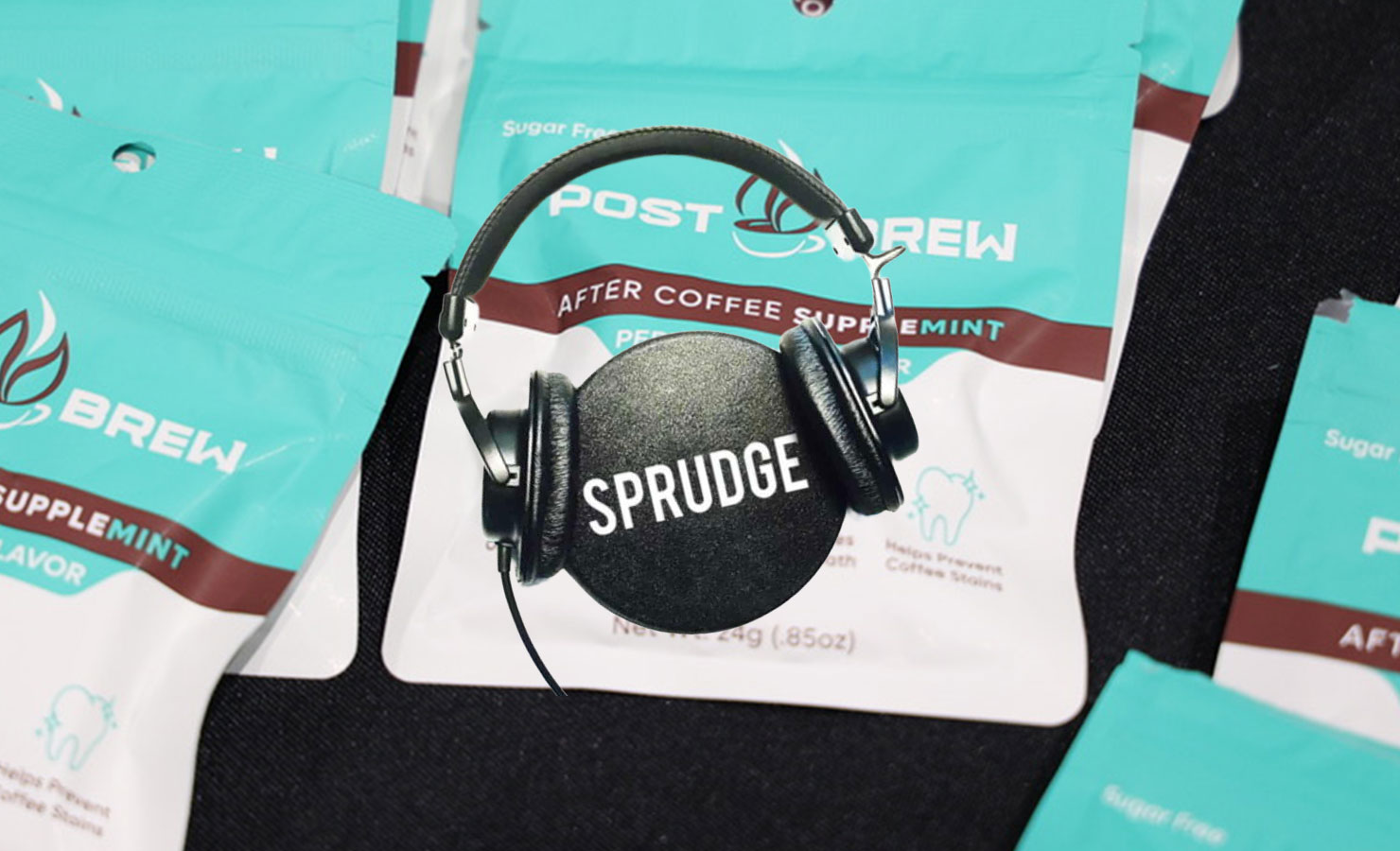
A notable segment of the episode features an interview with James Castrataro, the founder of Post Brew After Coffee Mints (often referred to as "Supple-mints"). This product addresses a persistent but often overlooked social barrier in the coffee industry: halitosis caused by coffee consumption.
"Coffee breath" is a physiological result of several factors, including the high acidity of coffee, which slows down saliva production, and the breakdown of sulfur-containing compounds by oral bacteria. While standard breath mints often rely on high sugar content—which can exacerbate bacterial growth—Post Brew Mints are formulated specifically to neutralize the chemical residue of coffee. Castrataro’s presence at World of Coffee San Diego indicates a growing market for "functional" confectionery designed to complement the coffee-drinking experience rather than merely masking it. The success of the product over the event weekend suggests that there is significant consumer appetite for lifestyle products that solve the practical inconveniences associated with frequent caffeine consumption.
Chronology of the Event and Broadcast
The sequence of events leading to this podcast episode reflects the fast-paced nature of the specialty coffee media cycle:
- Pre-Event Innovation: Roasters like Supremo and Verve develop specific profiles and collaborations (Nestor Lasso) in anticipation of major trade shows.
- The World of Coffee San Diego: The physical gathering serves as the testing ground where hosts Michelman and Carlsen engage with new products like the Post Brew Mints and the Mahlkonig x64.
- The Tasting and Deconstruction: Following the event, the "Coffee Sprudgecast" records its analysis, synthesizing the sensory experience of the beverages with the technical details of the gear used.
- Broadcast and Sponsorship: Supported by industry stalwarts such as La Marzocco, DONA, and Pacific Barista Series, the episode is released to a global audience of professionals and hobbyists, influencing purchasing decisions and café menus worldwide.
Broader Impact and Industry Implications
The themes discussed in this episode of the Coffee Sprudgecast reflect several macro-trends currently shaping the global coffee economy. First, the move toward "deconstructed" or highly curated ingredients indicates that the specialty coffee market is increasingly overlapping with the worlds of mixology and fine dining. The focus is no longer just on the bean, but on the entire "stack" of ingredients, including the mineral content of water and the specific provenance of syrups and milks.
Second, the rise of "celebrity producers" like Nestor Lasso suggests a shift in the power dynamics of the supply chain. Producers who can consistently deliver award-winning, experimental lots are gaining more leverage and brand recognition, allowing them to command prices significantly higher than the C-market (commodity) rate. This "de-commoditization" is essential for the long-term economic sustainability of coffee farming in the face of climate change and rising labor costs.
Finally, the integration of media, technology, and consumer products—as seen in the collaboration between a podcast, a grinder manufacturer, and a mint startup—points toward a more integrated and lifestyle-oriented coffee ecosystem. As the industry moves forward, the ability to communicate these complex stories of origin, chemistry, and innovation will remain a primary driver of brand loyalty and market growth. The "Coffee Sprudgecast" continues to play a pivotal role in this communication, serving as both a chronicler and a catalyst for the ongoing evolution of coffee culture.