Angie Faith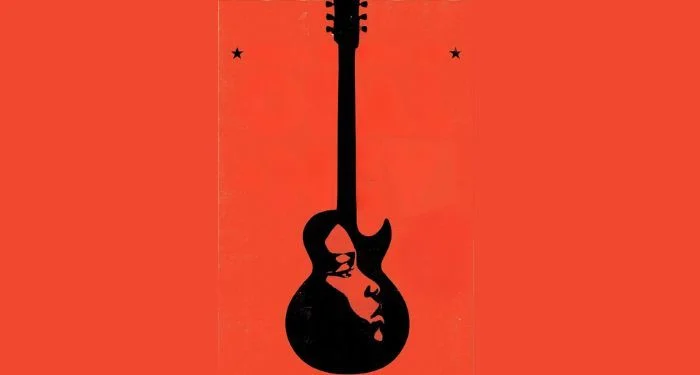
The 1970s, a decade marked by profound cultural shifts and a palpable sense of transition, continue to exert a powerful influence on contemporary literature. This era, poised between the idealism of the 1960s and the burgeoning consumerism of the 1980s, presented a unique socio-political and artistic landscape that resonates with the complexities of our current moment. The visual richness of the period, coupled with its thematic depth, makes it a fertile ground for historical fiction, offering authors and readers alike a compelling lens through which to examine societal evolution, artistic innovation, and the persistent search for identity. The enduring fascination with the 1970s in literary circles stems from its inherent duality: a period of both intense upheaval and the search for stability, a time when the American Dream was being reevaluated and new forms of expression were emerging across music, film, and art.
The 1970s: A Crucible of Cultural Transformation
The decade of the 1970s in the United States was a period of significant societal transformation, following the seismic cultural upheavals of the late 1960s. The nation grappled with the aftermath of the Vietnam War, the Watergate scandal, and evolving social movements that challenged established norms. This era witnessed a bifurcated national psyche: on one hand, a yearning for stability and a return to perceived traditional values, and on the other, a continued push for greater personal and societal freedoms. The economic landscape was also in flux, with rising inflation and energy crises contributing to a sense of uncertainty.

Culturally, the 1970s were a period of unprecedented innovation and diversification. The film industry experienced the rise of "New Hollywood," characterized by auteur-driven, character-focused narratives that often explored darker, more complex themes. In music, the decade saw the explosion of genres like punk rock, disco, and funk, each reflecting different facets of the era’s social and artistic zeitgeist. Art movements continued to push boundaries, and fashion became an even more pronounced form of self-expression, characterized by bold colors, eclectic styles, and a general sense of sartorial experimentation. This confluence of social, political, and artistic forces created a dynamic and visually distinctive decade that continues to inspire.
Literary Echoes: Why the 1970s Captivate Authors
The appeal of the 1970s for literary minds is multifaceted. The decade’s relative recency makes it more accessible for authors to draw upon tangible historical records, including photography and film, which aid in conjuring authentic settings and atmospheres. The visual dynamism of the era, particularly its fashion and design, translates exceptionally well into the written word, allowing for vivid descriptions that immerse readers in the narrative. The success of adaptations like "Daisy Jones & the Six," which captured the spirit and aesthetic of the 1970s music scene, underscores the genre’s broad appeal.
Furthermore, many of the societal anxieties and cultural dialogues prevalent in the 1970s bear striking resemblances to contemporary issues. Themes of identity, societal division, the pursuit of authenticity in a rapidly changing world, and the exploration of marginalized voices find potent parallels between the past and the present. The 1970s were a time of profound "newness" across various domains—new music, new political landscapes, new artistic expressions—and this sense of pioneering spirit and exploration is inherently enchanting, offering a rich tapestry for storytelling. These novels provide not only engrossing narratives but also serve as excellent conversation starters for inter-generational book clubs, bridging the gap between different lived experiences and historical understandings.

Notable Works Illuminating the 1970s Landscape
Several recent literary works have masterfully captured the essence of the 1970s, offering diverse perspectives on the decade’s complexities.
"The Final Revival of Opal & Nev" by Dawnie Walton
Dawnie Walton’s novel, "The Final Revival of Opal & Nev," employs a compelling oral history format to reconstruct the story of a groundbreaking musical duo from the 1970s. The narrative follows journalist S. Sunny Shelton as she delves into the history of Opal, a Black female music icon, and Nev, her British bandmate. Their collaboration birthed a genre-defying musical movement, yet the commercial realities of the music industry disproportionately benefited Nev, leaving Opal’s contributions less recognized and less financially rewarding. As the novel approaches their reunion concert, long-buried secrets surrounding their rise and subsequent estrangement begin to surface, offering a nuanced exploration of race, gender, and artistic exploitation within the music industry of the era. The novel’s structure, mimicking contemporary journalistic investigations, allows for a layered examination of memory, truth, and the construction of historical narratives.
"Crook Manifesto" by Colson Whitehead
Colson Whitehead’s "Crook Manifesto," the second installment in his Harlem Trilogy, plunges readers into the vibrant yet volatile landscape of 1970s New York City. The novel chronicles three pivotal years in the life of Ray Carney, a character striving to navigate the city’s complex social strata and establish a legitimate career amidst economic instability and burgeoning counter-cultural movements. Harlem, in particular, is depicted as a resilient cultural hub undergoing a period of both decay and renewal. Carney’s journey intersects with the burgeoning Blaxploitation film industry, the machinations of opportunistic politicians, and the persistent dramas of neighborhood life. The novel vividly portrays the city’s gritty realities, its artistic ferment, and the enduring spirit of its residents, offering a sharp commentary on race, class, and survival in a city on the cusp of change.

"Take My Hand" by Dolen Perkins-Valdez
Dolen Perkins-Valdez’s "Take My Hand" offers a critical examination of reproductive rights and systemic injustice through the lens of the 1970s. Told from the perspective of 2016, the novel looks back to 1973, when Civil Townsend, a young nurse, begins working at a federally funded family planning clinic in Montgomery, Alabama. Her idealistic intentions are soon challenged as she witnesses the disturbing practice of providing birth control to extremely young, seemingly pre-pubescent Black girls. This revelation compels Civil to question the clinic’s true motives and unravel a deeply entrenched system of injustice that has impacted thousands of impoverished Black girls. The novel serves as a crucial historical document, highlighting the complex and often fraught history of women’s rights and bodily autonomy, particularly the ways in which advancements in reproductive healthcare were weaponized against vulnerable populations.
"Almost Life" by Kiran Millwood Hargrave
Set in the summer of 1978, Kiran Millwood Hargrave’s "Almost Life" explores themes of love, chance, and second chances. The novel follows the story of Erica and Laure, who meet in Paris and experience an immediate, intense connection. Their summer romance is infused with the romantic ambiance of the city, leading them to indulge in its excesses and in each other. Though their time together is limited, they maintain sporadic contact, and the memory of that formative summer continues to bind them. Years later, the novel revisits their connection, prompting contemplation on the enduring power of past love and the possibility of a future together. The novel captures a specific moment in time while exploring universal themes of human connection and the paths not taken.
"Jasmine Zumideh Needs a Win" by Susan Azim Boyer
Susan Azim Boyer’s "Jasmine Zumideh Needs a Win" presents a relatable and humorous portrayal of teenage ambition set against the backdrop of 1978. Jasmine, a high school student with aspirations of becoming a prominent music journalist in New York City, finds herself in an unexpected race for class president to bolster her college application. Her personal ambitions become complicated by the prevailing political climate, specifically the Iranian Revolution, which casts suspicion and animosity towards her and her Iranian family from their neighbors. The novel deftly explores the challenges of navigating adolescent identity, familial heritage, and external prejudice, highlighting the complexities of reconciling personal goals with the realities of geopolitical events.

"Instructions for a Heatwave" by Maggie O’Farrell
Maggie O’Farrell’s "Instructions for a Heatwave" transports readers to London during the sweltering summer of 1976, a period marked by a record-breaking heatwave. The intense weather exacerbates the emotional distress of Gretta, an Irish matriarch whose husband has recently vanished without explanation. Her three adult children—Michael, Monica, and Aoife—return to their childhood home to support their mother and investigate their father’s disappearance. As they journey back to Ireland, the family is forced to confront long-held secrets and unresolved emotional wounds. The novel masterfully weaves together individual narratives against the backdrop of a palpable environmental crisis, exploring themes of family dynamics, memory, and the lingering impact of past traumas.
Broader Implications and Continued Relevance
The continued exploration of the 1970s in literature speaks to the decade’s enduring significance. It was a period of profound societal reevaluation, where established norms were challenged, and new cultural paradigms began to take shape. The economic anxieties, the evolving roles of women and minority groups, and the artistic ferment of the era provide a rich context for exploring timeless human experiences. As these novels demonstrate, the 1970s were not merely a historical footnote but a formative period whose echoes continue to resonate in our contemporary world. By engaging with these narratives, readers gain a deeper understanding of the roots of many current social and cultural discussions, recognizing how the past continues to shape the present. The insights gleaned from these literary explorations offer valuable perspectives for understanding ongoing societal dialogues and historical trajectories.
For those seeking further immersion into specific historical periods, exploring literature set in the 1960s, or the subsequent decades of the 1980s and 1990s, can offer complementary perspectives on cultural evolution and societal change.