
 Indra Kusuma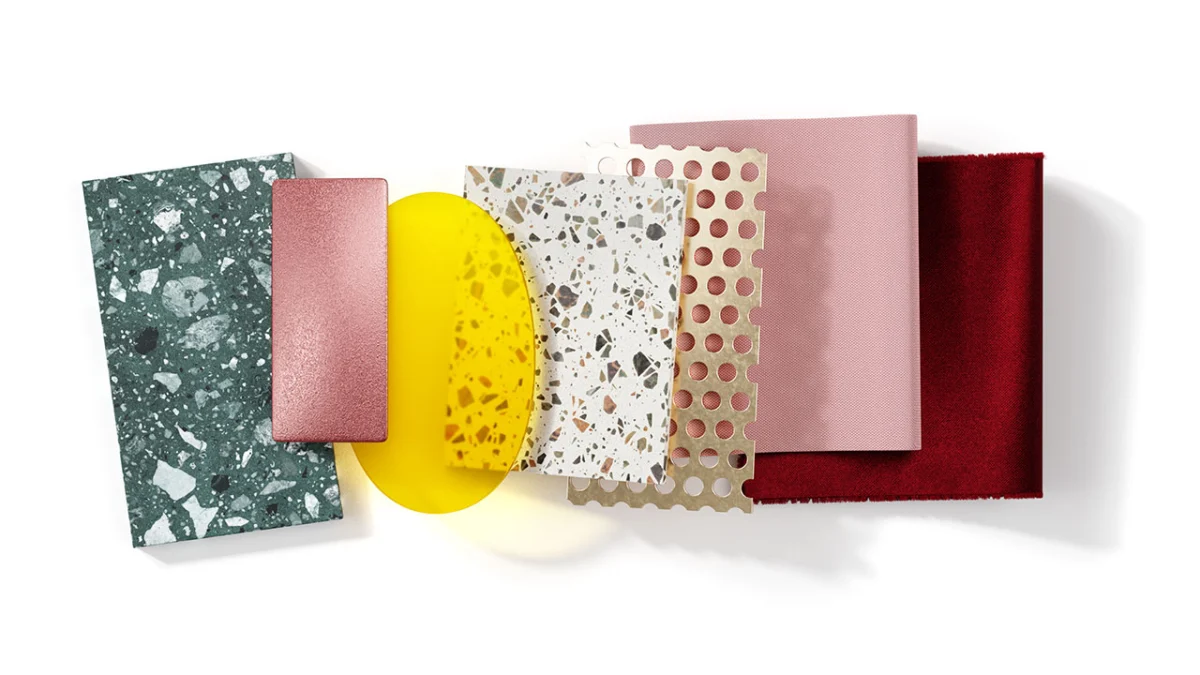
In an industry perpetually navigating tight deadlines, the elusive nature of creative inspiration, and the often-convoluted process of material sourcing, efficiency has transcended its status as a mere advantage to become an absolute imperative. Material Bank, the innovative digital marketplace that initially redefined material procurement in North America, is now aggressively expanding its footprint across Europe, promising to fundamentally transform how architects, designers, and construction professionals interact with materials. This strategic expansion signals a significant modernization in the global design economy, moving away from fragmented, time-intensive methods towards a streamlined, digitally-native ecosystem.
The Evolution of Material Sourcing: From Labyrinth to Digital Hub
For decades, the process of selecting and procuring materials for architectural, interior design, and construction projects has been notoriously inefficient. Design professionals typically faced a multi-step, often cumbersome, journey: identifying potential materials, individually contacting numerous manufacturers, sifting through disparate catalogs, managing a barrage of emails, and enduring weeks, if not months, for individual samples to arrive from various suppliers. This traditional model not only consumed valuable project time and human resources but also generated substantial logistical complexity and environmental waste. The "logistical labyrinth" described by industry veterans was a significant bottleneck, diverting creative energy into administrative overhead. Firms often maintained vast physical libraries of samples, many of which became outdated or unused, contributing to material waste and storage challenges. The fragmented nature of the supply chain meant that even small projects could involve dozens of individual interactions, each with its own lead time and administrative burden.
Material Bank emerged as a direct response to these entrenched inefficiencies. Its core premise is deceptively simple: centralize, simplify, and accelerate the search, sampling, and specification of architectural, design, and construction materials. Since its inception, the platform has distinguished itself by aggregating an unparalleled inventory of materials from leading brands, making them accessible through a single, intuitive digital interface. This consolidation is not merely about convenience; it’s about fundamentally restructuring the supply chain to prioritize speed, accuracy, and sustainability.

A Measured Expansion: Material Bank’s European Chronology
Material Bank’s entry into the European market began in 2023, marking a deliberate and strategic push to replicate its North American success on the continent. The initial phase focused on establishing a robust logistics network and onboarding a critical mass of European manufacturers and brands. This methodical approach allowed Material Bank to tailor its offering to the specific needs and regulatory environments of diverse European markets, which vary significantly in terms of material preferences, supplier relationships, and sustainability standards.
The momentum has steadily built since its launch. By early 2024, the platform had integrated over 450 leading brands into its European network, offering a comprehensive catalog of more than 56,000 materials spanning 40 distinct categories. This rapid growth underscores the pent-up demand within the European design and construction sectors for a more efficient sourcing solution. Key markets, including the UK, Germany, France, Italy, and the Nordic countries, have shown strong adoption, reflecting the universal appeal of Material Bank’s value proposition. The company’s strategy involves continuous engagement with regional design communities and manufacturers to ensure the platform remains relevant and responsive to local market dynamics. This phased rollout and continuous feedback loop have been crucial in ensuring the platform’s seamless integration into Europe’s complex and diverse material landscape.
Unlocking Unprecedented Efficiency for Design Professionals
The tangible benefits for European architects, interior designers, and corporate buyers are immediate and profound. Instead of engaging in a protracted, multi-channel communication process with individual manufacturers, members can now navigate an expansive digital catalog from a single point of access. This unified interface allows for comprehensive material exploration across categories ranging from paints, flooring, and textiles to ceramics, acoustics, and sophisticated wall coverings.

Once selections are curated digitally, Material Bank’s proprietary logistics system swings into action. Samples from multiple brands, often dozens, are consolidated into a single, meticulously packaged box. Crucially, these consolidated shipments are delivered with remarkable speed—often next-day—and are provided free of charge to qualified trade professionals. This drastically reduces the lead time for material acquisition, transforming what could once take weeks or months into a matter of hours.
The impact on project timelines and team productivity is significant. Tadeas Kotyk, Co-Founder at 2prostory, a design firm, eloquently captures this sentiment: “It’s a complete game changer and the amount of time it saves us is amazing. Finally, we don’t have to write to all suppliers and manufacturers separately and ask them for samples and then wait weeks or months!” This testimonial highlights the platform’s ability to eliminate administrative friction, allowing design teams to allocate more time to creative problem-solving and client engagement rather than logistical coordination. The ability to quickly iterate through material choices and present physical samples to clients within days accelerates decision-making and project progression, thereby enhancing client satisfaction and project profitability.
The Power of Adjacency: Redefining Design Workflow
Beyond mere speed and consolidation, Material Bank’s platform offers a unique functional advantage: the ability to view disparate materials side by side. This "adjacency" feature is a subtle yet powerful innovation that mirrors and enhances the way modern design studios operate. Designers can digitally arrange and compare textiles next to tiles, flooring alongside wall coverings, or metal finishes with wood samples, fostering a more intuitive and layered decision-making process. This visual comparison capability is critical for developing cohesive material palettes and ensuring aesthetic harmony across a project.
Kyle Crossley, Architectural Assistant at DLA Architecture, emphasizes this point: “The fact that I can see on this website the samples next to each other is so clever!” This seemingly simple feature streamlines the conceptualization phase, allowing designers to quickly evaluate combinations and refine their visions without the physical constraints of traditional sample libraries or the delay of requesting multiple individual samples. This capability fosters a more collaborative, iterative, and fast-paced design workflow, aligning perfectly with the demands of contemporary architectural and interior design practices. The platform effectively simulates a highly organized, comprehensive physical sample library that can be accessed from anywhere, at any time, eliminating the limitations of physical space and geographical distance.

A Logistical Marvel and Manufacturer Gateway
At the heart of Material Bank’s operational prowess is its proprietary logistics facility. These state-of-the-art hubs are engineered to aggregate samples from hundreds of brands with unparalleled efficiency. The sophisticated warehousing, inventory management, and fulfillment systems operate with a precision that makes the complex process feel "almost invisible" to the end user. This technological backbone is what enables the promise of next-day delivery of consolidated samples to be consistently met across a wide geographical area.
For manufacturers, Material Bank serves as a powerful new channel for market access. The platform provides direct exposure to an active, qualified audience of specifiers – architects, interior designers, and corporate buyers who are actively seeking materials for their projects. This eliminates many of the traditional marketing and distribution challenges faced by manufacturers, offering a cost-effective way to get their products directly into the hands of decision-makers. The analytics and insights provided by Material Bank can also help manufacturers understand material trends and specifier preferences, enabling them to refine their product offerings and marketing strategies. The growing European platform, with over 450 leading brands and counting, represents a significant marketplace where manufacturers can connect with the design community, showcasing their innovations and expanding their reach.
Sustainability as a Core Tenet: Aligning with ESG Goals
In an era of increasing environmental awareness and stringent ESG (Environmental, Social, and Governance) standards, Material Bank’s model is not just efficient but also inherently sustainable. The consolidation of samples from numerous brands into a single shipment dramatically reduces packaging waste and the carbon footprint associated with logistics. To date, Material Bank proudly reports having eliminated more than five million individual packages from being shipped. This impressive figure underscores the tangible environmental benefits of its centralized distribution model.

Traditionally, each sample request would result in a separate package, often shipped from different locations, leading to excessive cardboard, plastic, and fuel consumption. By aggregating these requests, Material Bank significantly curtails the environmental impact of material sourcing. For European design professionals, who are increasingly navigating rigorous sustainability commitments and seeking ways to reduce their projects’ ecological footprint, this built-in reduction of packaging waste and transport emissions aligns seamlessly with broader industry goals. It allows firms to meet their environmental responsibilities without adding friction or complexity to their workflow; instead, it simplifies it. This commitment to sustainability is a powerful differentiator and a key factor in its growing appeal among environmentally conscious European firms. The platform also encourages responsible sample return and recycling, further closing the loop on material waste.
Broader Industry Impact and Future Implications
The expansion of Material Bank across Europe represents more than just geographical growth for a single company; it signals a broader, irreversible modernization of how the design and construction trade operates globally. Material sourcing, once a fragmented and time-intensive bottleneck, is becoming increasingly centralized, searchable, and digitally native. This paradigm shift fundamentally alters the roles of various stakeholders within the industry.
For design firms, it liberates creative capital, allowing designers to focus more on innovative problem-solving and less on administrative tasks. It democratizes access to a vast array of materials, enabling even smaller studios to compete with larger firms in terms of material knowledge and selection capabilities. The acceleration of the sampling process also means quicker client approvals and faster project turnaround times, directly impacting profitability and client satisfaction.
For manufacturers, it provides a highly efficient and targeted sales channel, reducing marketing costs and providing valuable insights into market demand. It also levels the playing field, allowing smaller, innovative brands to gain visibility alongside established industry giants.

The implications for the broader design economy are substantial. Material Bank is contributing to a more interconnected and transparent supply chain, fostering greater collaboration between designers and manufacturers. It also sets a new standard for efficiency and sustainability, pushing the entire industry towards more responsible practices. This shift is particularly timely for a generation of architects and designers who have grown accustomed to digital immediacy in nearly every other aspect of their professional and personal lives. The expectation for seamless, on-demand access to information and resources is now extending to the critical domain of material selection.
As Material Bank continues to expand its European footprint, it is positioning itself not merely as a convenient sourcing platform, but as essential infrastructure for the contemporary design economy. It is building a foundation that is fast, sustainable, scalable, and responsive to the evolving needs of a global industry. Its success in Europe will likely inspire similar digital transformations in other segments of the built environment, further solidifying the trend towards an integrated, efficient, and environmentally conscious future for design and construction. The digital revolution in material sourcing is not just arriving; it’s being meticulously constructed, one consolidated sample box at a time.
For more information about Material Bank, visit materialbank.eu.







