rifanmuazin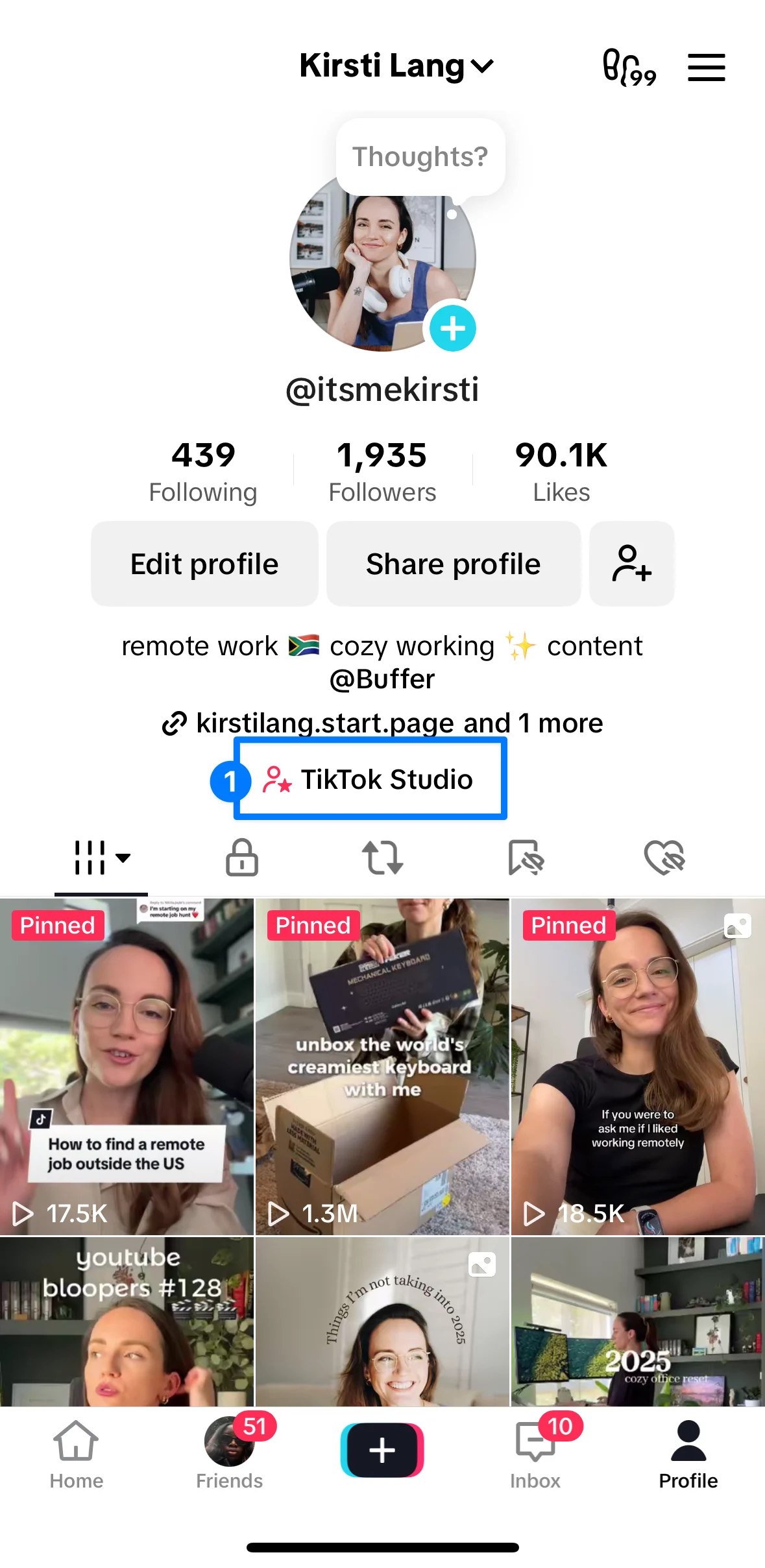
Understanding the precise moments to publish content on TikTok is a critical factor for content creators and small business owners aiming to maximize visibility and engagement. While the platform offers endless entertainment, strategizing posting times moves beyond casual consumption into the realm of data-informed digital marketing. Recent extensive analysis, drawing from over 7.1 million videos, carousels, photos, and text posts, has unveiled distinct patterns in user engagement, providing valuable insights for optimizing content delivery. This comprehensive study by Buffer pinpoints not only the best times and days for posting but also identifies periods best avoided, offering a foundational roadmap for creators to connect more effectively with their target audiences and secure coveted spots on the For You Page (FYP).
The significance of posting time on TikTok is deeply rooted in the platform’s sophisticated algorithm. Unlike passive content feeds, TikTok’s algorithm heavily prioritizes early engagement. When a new piece of content is published, the algorithm acts as an initial gatekeeper, observing how quickly and intensely users interact with it. Metrics such as completion rates, likes, shares, and saves are closely monitored. A rapid influx of positive engagement signals to the algorithm that the content is compelling and worthy of broader distribution. Conversely, content that fails to garner immediate attention may struggle to gain momentum, being less likely to be pushed out to a wider audience on the FYP. Therefore, aligning posting schedules with peak audience activity is not merely a suggestion but a strategic imperative to trigger this crucial early engagement boost.
The Methodology Behind the Insights
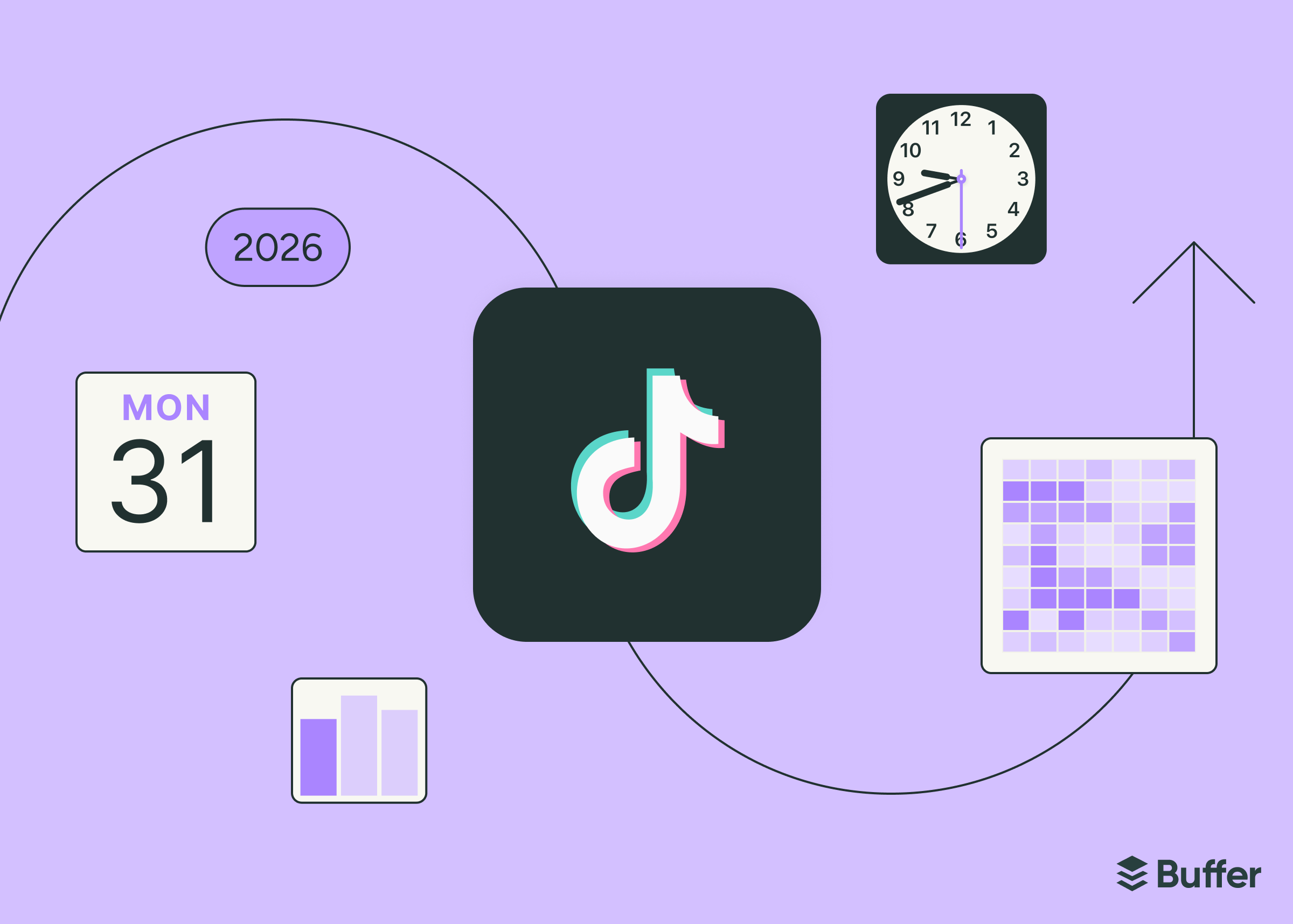
The findings presented are the result of a rigorous data science investigation conducted by Buffer, analyzing a massive dataset of 7.1 million posts published through their platform. This expansive scope, encompassing various content formats, allowed data scientists to identify robust patterns in median engagement rates. The "2026" reference indicates that this is a current, forward-looking analysis of trends observed over a significant period, aiming to provide actionable intelligence for the immediate future and beyond. The methodology focused on measuring the median engagement rate—a robust statistical measure that helps to mitigate the impact of outliers and provides a more stable indicator of typical performance across a large volume of content. This meticulous approach ensures that the identified optimal times are not merely anecdotal but are backed by substantial empirical evidence.
It is crucial to acknowledge that while these findings offer a powerful starting point, no single "magic" time guarantees success for every creator. The ideal posting time ultimately hinges on the specific target audience, their geographical location, associated timezones, and unique behavioral patterns. However, the aggregated data serves as an invaluable benchmark, offering creators a scientifically informed hypothesis to test within their own content strategy.
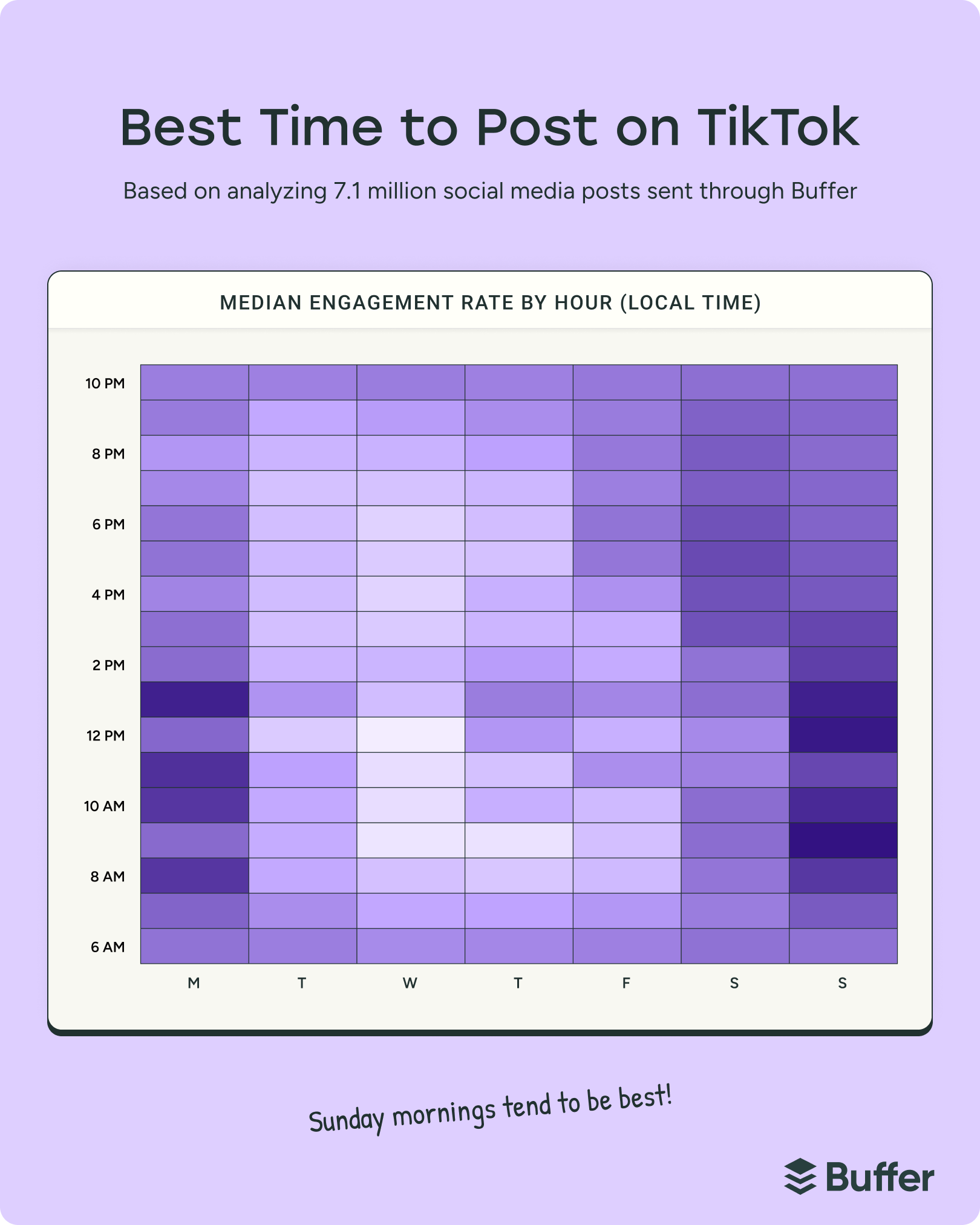
Overall Engagement Trends: Weekends and Evenings Dominate
The overarching trend revealed by the analysis indicates that engagement on TikTok generally intensifies during evening hours, with peak performance observed between 6 p.m. and 11 p.m. This pattern aligns intuitively with typical user behavior: short-form video content, which often requires active, sound-on attention, is more likely to be consumed during leisure periods such as commutes home, post-work unwinding, or weekend relaxation. Conversely, afternoons, specifically between 12 p.m. and 5 p.m., tend to exhibit lower engagement across most days, suggesting that users are often occupied with work, school, or other daytime commitments.
The study unequivocally identifies Sunday at 9 a.m. as the single most effective time to post throughout the entire week, demonstrating the highest median engagement. Following closely are Monday at 1 p.m. and Sunday at 1 p.m. These prime slots underscore the significant potential of early weekend mornings and early Monday afternoons for capturing audience attention.
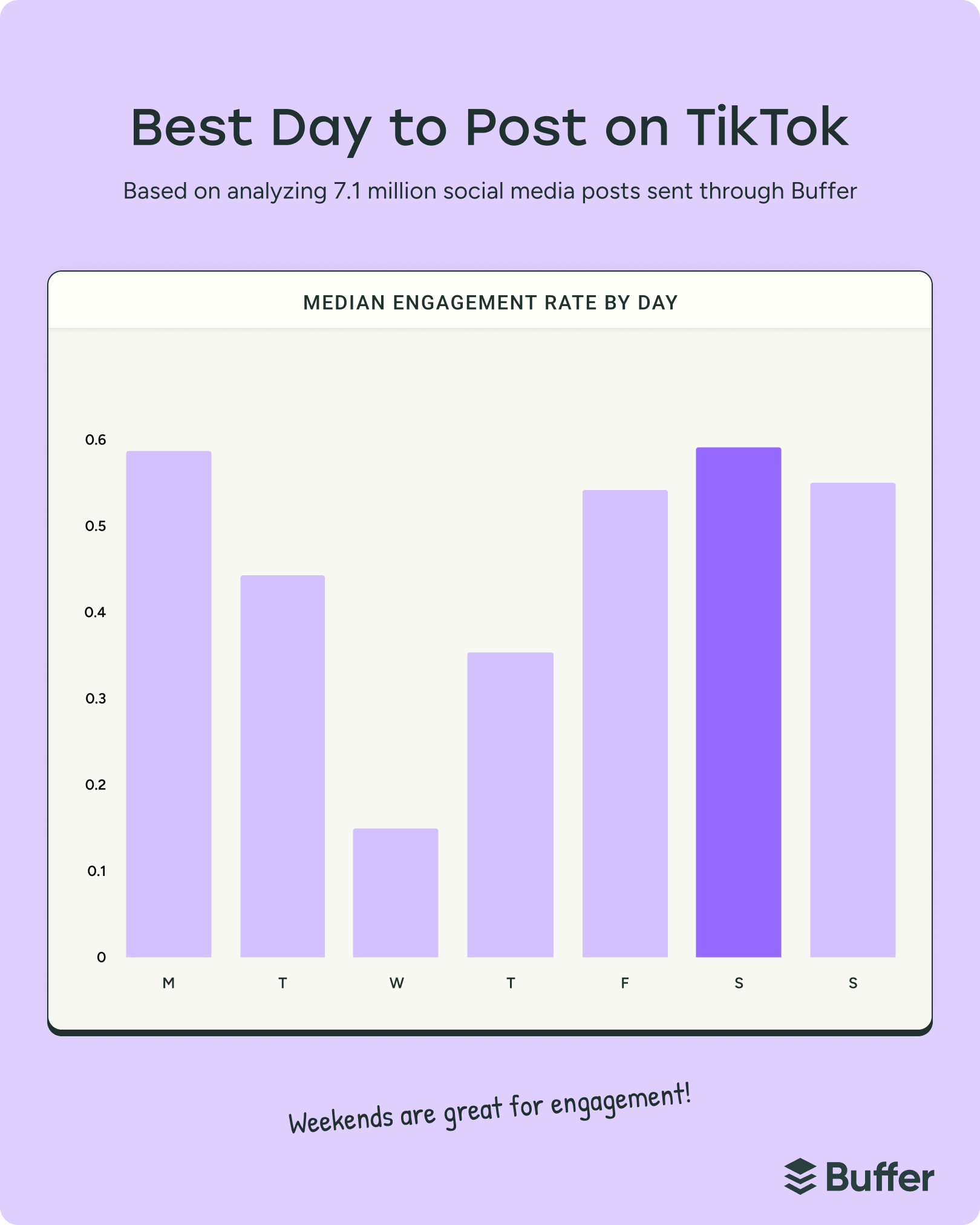
When examining the best days of the week, Saturday emerges as the strongest overall performer for TikTok engagement. Content published on Saturdays, encompassing videos, carousels, and text posts, consistently yielded superior results. Monday secures the second position, closely followed by Sunday. This highlights a clear preference for weekend and early-week engagement, contrasting with some previous studies that suggested stronger midweek performance. This discrepancy itself emphasizes the dynamic nature of social media trends and the importance of relying on the most current and comprehensive data available.
Detailed Daily Breakdown of Optimal Posting Times
To provide a granular view, the analysis offers specific primary and secondary optimal posting times for each day of the week (all times are presented as universally applicable, negating the need for timezone conversion due to data normalization):
- Monday: A robust day for engagement, with the primary optimal time being 1 p.m. Secondary strong periods include 11 a.m. and 8 a.m. This suggests that users are actively engaging with content after the initial start of the work week.
- Tuesday: The best time to post is notably early at 6 a.m., indicating an opportunity to capture morning commuters or early risers. Other effective times are 10 p.m. and 7 a.m., covering late-night and mid-morning engagement.
- Wednesday: Generally a quieter day for overall engagement. The prime time is identified as 10 p.m., followed by 6 a.m. and 9 p.m. Creators looking for maximum impact might consider prioritizing other days.
- Thursday: Similar to Wednesday, Thursday tends to exhibit lower overall engagement. The optimal time is 1 p.m., with secondary peaks at 10 p.m. and 6 a.m.
- Friday: As the week draws to a close, engagement picks up in the evening. The best time to post is 6 p.m., followed by 10 p.m. and 8 p.m., catering to after-work and early-weekend unwinding.
- Saturday: The strongest day of the week, offering clear opportunities for creators. The optimal time is 5 p.m., with strong secondary windows at 4 p.m. and 3 p.m. This afternoon-to-evening slot is ideal for capturing weekend leisure activity.
- Sunday: Boasting the single highest engagement time of the week, the primary slot is 9 a.m. Other highly effective times are 1 p.m. and 12 p.m. This emphasizes the value of morning and early afternoon weekend content.
These daily recommendations provide a tactical framework for creators. However, successful implementation requires not just adherence to these times but also a strategic approach to content creation and scheduling.
Leveraging Data for Personalized Content Strategy
While the universal data provides an excellent starting block, the most effective TikTok strategy is always personalized. Creators and businesses are strongly advised to cross-reference these general findings with their own TikTok Studio Analytics. This in-app resource offers specific insights into when their own followers are most active, considering their unique demographics, geographical distribution, and behavioral patterns.
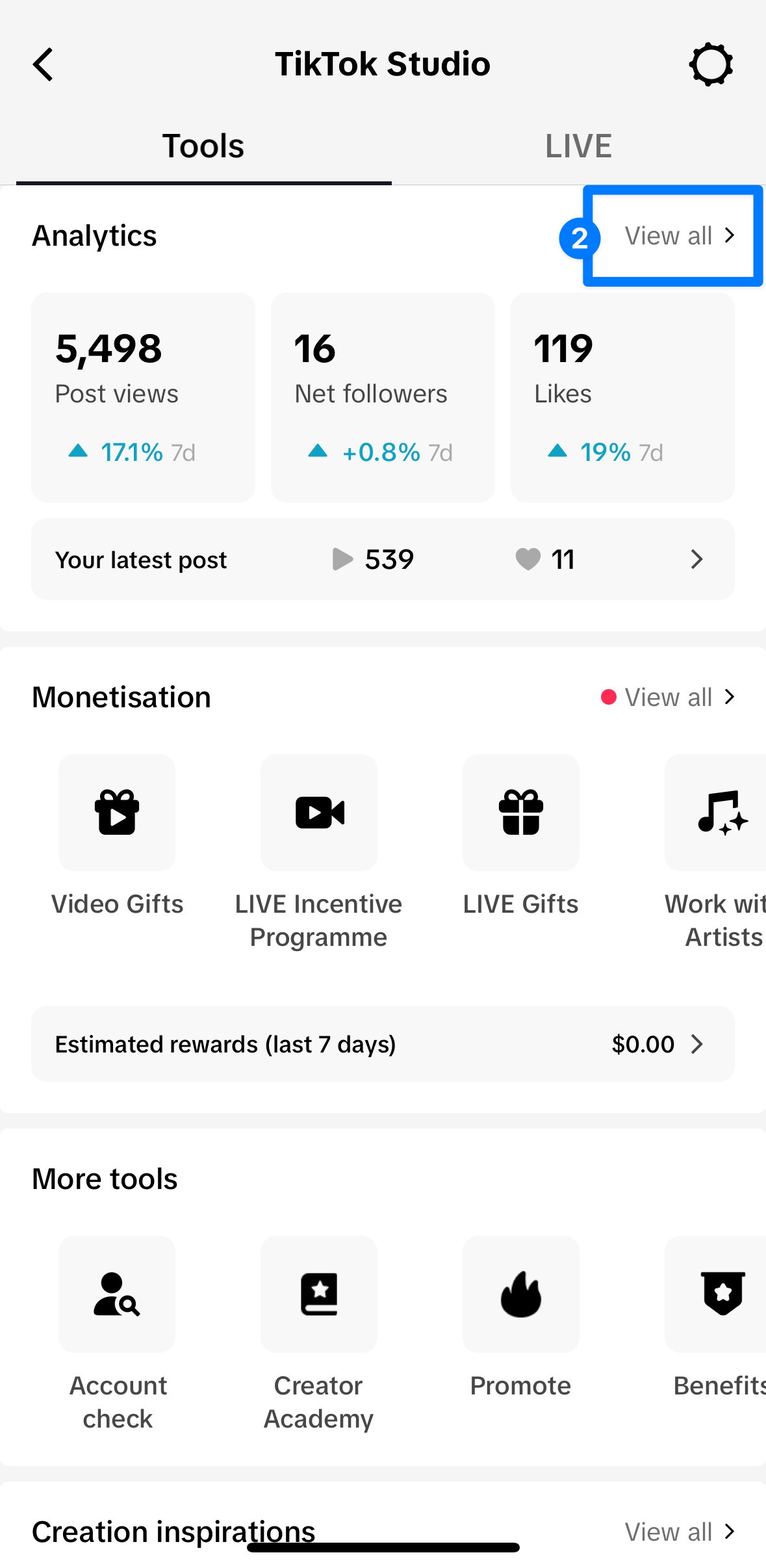
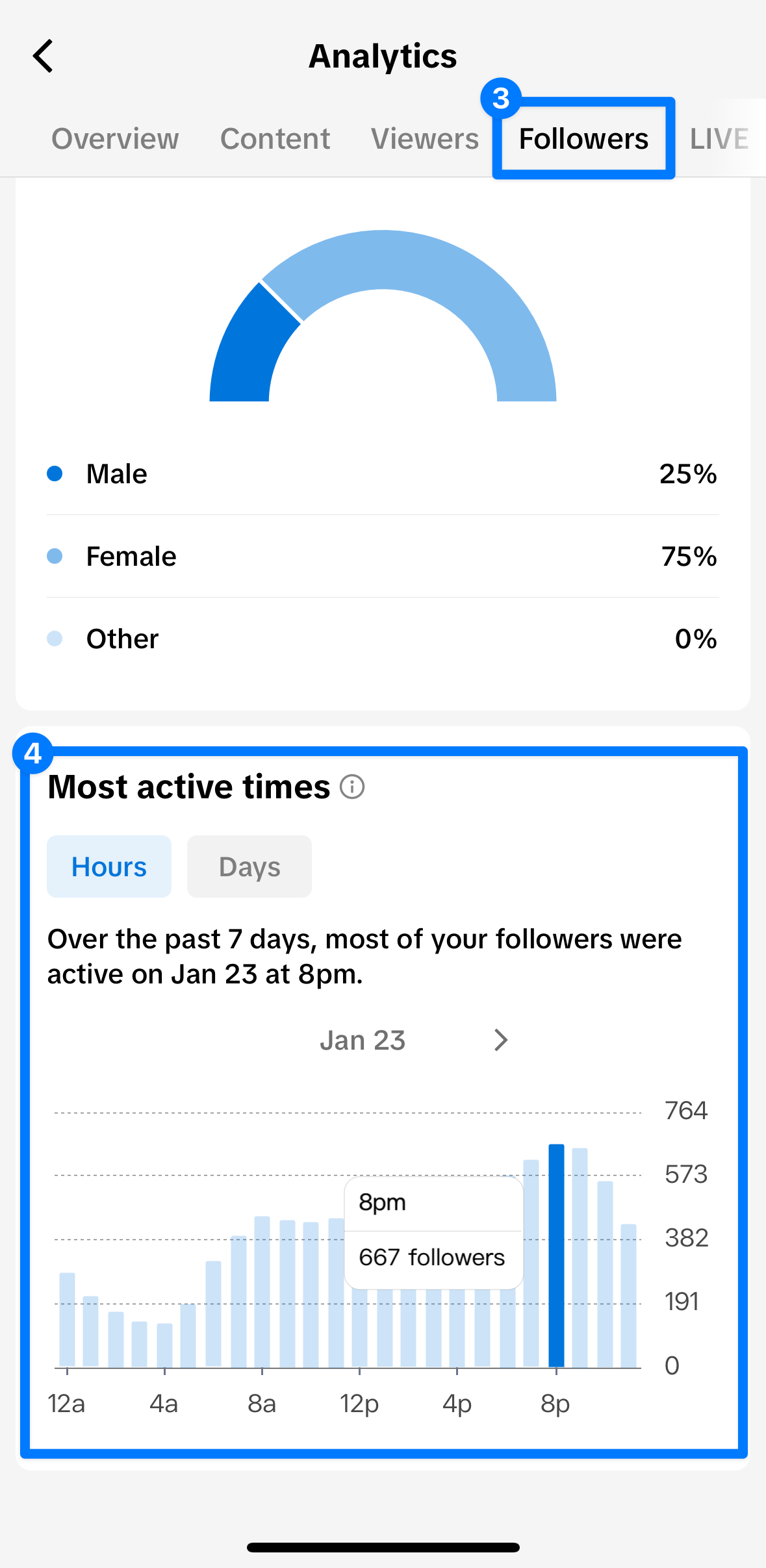
- Analyze Follower Activity: Within TikTok Analytics, under the "Followers" tab, creators can view "Most active times" over the past week. This granular data, presented by hour and day, is indispensable for tailoring posting schedules.
- Identify Individual Patterns: Creators should meticulously note down their audience’s peak activity times over several days or weeks, looking for recurring patterns. A "pro tip" suggests posting slightly before these peak times, especially if they align with the general best times identified in the Buffer study. This can allow content to gain initial traction as activity builds, catching the attention of early users and potentially leveraging the algorithm’s momentum-based distribution.
- Integrate with Personal Schedule: Consistency is paramount on TikTok. Developing a realistic posting schedule or content calendar that aligns with both audience activity and the creator’s capacity is vital. Even the most optimal posting time is ineffective if content cannot be consistently produced and published. Scheduling tools become invaluable here, allowing creators to prepare content in advance and automate publishing.
- Experiment Continuously: The TikTok landscape is fluid, with trends and algorithms constantly evolving. Creators should not be afraid to experiment with different posting times. Even minor adjustments, such as shifting a post from 3 p.m. to 6 p.m., can yield noticeable differences in engagement. A systematic approach, testing a few new time slots over several weeks and comparing results, is recommended.
- Monitor Performance Metrics: After implementing a new schedule, it is crucial to analyze content performance. Key metrics to track include:
- Views: Total number of times the video has been watched.
- Average Watch Time: How long, on average, users are watching the video. This is a critical signal for the algorithm.
- Total Play Time: The cumulative duration of all watches.
- Followers: Growth in follower count directly linked to specific posts.
- Likes, Comments, Shares, Saves: Direct engagement indicators.
By closely monitoring these metrics for posts at different times, creators can empirically determine what works best for their unique audience.
- Adapt and Refine: The process of finding optimal posting times is iterative. If initial experiments don’t reveal clear patterns, continuing the current schedule for a longer period to gather more data, or adjusting content strategy, might be necessary. Conversely, if successful times are identified, integrating them into the regular schedule while still leaving room for periodic experimentation is key to staying ahead of shifting trends and algorithm updates.
The Role of Social Media Scheduling Tools
For many creators, particularly those managing multiple platforms or operating across different time zones from their primary audience, manually posting at optimal times can be challenging. This is where social media management tools like Buffer become indispensable. These platforms allow creators to pre-schedule TikTok posts, ensuring content goes live precisely when the target audience is most active, without requiring the creator to be physically present on the app. Buffer, for example, integrates its own data-backed recommended posting times directly into its scheduling interface, simplifying the process and removing guesswork. This functionality enables creators to maintain consistent presence and engagement even during off-hours or weekends, significantly enhancing efficiency and strategic reach.
Broader Implications for Digital Strategy
The insights derived from such extensive data analysis extend beyond individual content creators to broader digital marketing strategies for businesses. Understanding peak engagement times allows brands to:
- Optimize Ad Spend: Target paid campaigns during periods of high organic activity for potentially greater reach and lower costs.
- Inform Content Calendars: Structure content production and promotion around proven engagement windows, ensuring resources are allocated effectively.
- Enhance Community Building: Engage with audiences during their most active periods, fostering stronger community bonds and responsiveness.
- Competitive Advantage: Stay ahead by leveraging data-driven insights, rather than relying on guesswork or outdated information.
Frequently Asked Questions (FAQ)
- Is there truly a "best" time to post on TikTok? While universal best times exist as strong starting points, the ultimate "best" time is audience-specific. Content quality remains paramount; optimal timing merely enhances the visibility of strong content.
- Do I need to adjust times for my timezone? The data in this guide is normalized for universal applicability. However, always prioritize your audience’s timezone. TikTok Analytics provides this crucial information.
- Must I post every day at the best time? Consistency is more critical than daily posting. Choose times that are sustainable for you and effective for your audience.
- How do I find my audience’s most active times? Navigate to "TikTok Analytics" > "Followers" > "Most active times" in your TikTok app.
- Does posting time matter if my content isn’t getting views? Timing offers a boost, but it’s not a cure for underperforming content. Focus first on improving watch time and content quality, as these are primary algorithmic signals.
- How long should I test a posting time? Due to daily variability, test each time slot for at least a few weeks to identify reliable patterns.
- What if my followers are in different timezones? Look for overlapping activity peaks. Scheduling tools can help bridge geographical divides.
- Can TikTok posts be scheduled? Yes, third-party tools like Buffer enable scheduling, allowing for strategic posting without constant manual intervention.
- What time increases the likelihood of going viral? No time guarantees virality, but posting during peak engagement windows significantly increases early momentum. Sunday at 9 a.m., Monday at 1 p.m., and Saturday between 3 p.m. and 5 p.m. show strong potential for early engagement, which is a key driver for broader algorithmic distribution. However, a compelling hook and high watch time are ultimately more influential for viral success.
In conclusion, mastering TikTok engagement requires a blend of creative content and strategic timing. The comprehensive data analysis provides a robust framework for creators and businesses to refine their publishing schedules. By understanding general trends and, crucially, by delving into their own audience analytics, creators can make informed decisions that significantly enhance their content’s reach and impact, fostering stronger communities and achieving their digital objectives on this rapidly evolving platform.